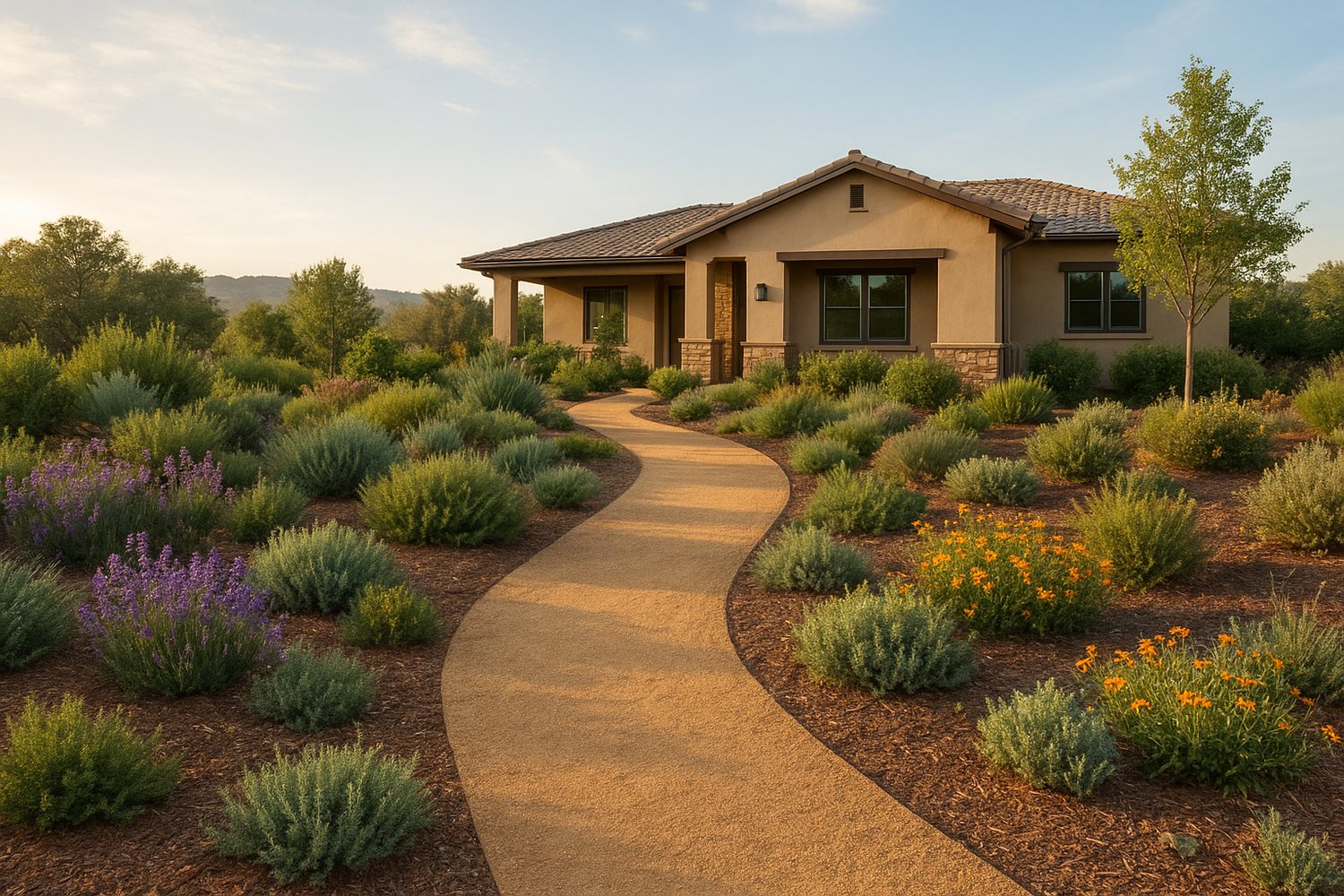
Stabilized vs Loose DG: Patio Options for California Homes
This article compares stabilized and loose decomposed granite patios, offering regional tips and decision help for homeowners in the Rocklin and Sacramento areas.
Decomposed granite (DG) patios offer a natural look that fits beautifully with Northern California landscapes. But when choosing between stabilized and loose DG, the decision can shape the look, feel, and long-term success of your patio.
Understanding Decomposed Granite Patios
Decomposed granite, or DG, is a versatile material for patios, walkways, and outdoor living spaces throughout the Rocklin and Sacramento region. Its earthy color variations pair naturally with oak woodlands and modern landscapes alike. DG surfaces can blend into garden paths or create crisp-edged patio zones that complement both traditional and contemporary homes.
Loose DG patios use crushed, weathered granite grains spread over compacted soil. The result is a visually soft and tactile surface, but it needs regular attention to stay level and clean. For homeowners looking for a well-draining, informal patio option, loose DG is a common initial pick.
Stabilized DG starts with the same granite fines, but mixed with a stabilizer—usually an organic binder before installation. When properly installed and cured, this creates a firmer, semi-solid surface that sheds less material and resists seasonal washouts. Both patio options have a strong following in our local climate, but the right choice depends on your priorities.
For even more detail on gravel and DG patio designs, visit ourGravel and decomposed granite patiospage.
What Does ‘Stabilized’ Really Mean?
‘Stabilized’ decomposed granite refers to DG that is mixed with a binder—often a naturally derived stabilizer—before installation. This mixture is then laid, compacted, and allowed to cure. The result is a surface that is less likely to develop ruts or blow away in Placer County’s windy, dry summer months.
The stabilizer improves DG’s resistance to erosion and washouts, especially helpful if your patio is on a slope or in a high-traffic area. It creates a semi-firm surface, striking a balance between a loose gravel feel and a solid, poured hardscape. This can be beneficial for wheelchair access, pet zones, or outdoor dining.
While the stabilized option does require more planning and a skilled installation, it usually provides a cleaner appearance with fewer maintenance issues over time. Homeowners in Auburn, Folsom, and surrounding areas often opt for stabilization for long-term patios that stay looking sharp.
- Mixed with a binder for stability
- Helps prevent ruts and loose spots
- More resistant to water and wind erosion
Loose DG: Appeal, Limitations, and Where It Fits Best
Loose decomposed granite patios have an undeniable charm. Their softer surface and natural, mottled look fit seamlessly into gardens, relaxed gathering spots, or paths curving through landscaping beds. The upfront work is simpler, and refreshing the top layer is a task many homeowners can handle.
However, loose DG scatters—especially during heavy rains or when swept by leaf blowers. In high-traffic spots, it compacts and shifts, leading to uneven areas over time. This can mean more topping-up and leveling in busy sections near your home or outdoor kitchen.
These patios are a smart choice for lesser-used areas or gently sloping spaces where water runoff isn’t a critical concern. If you like the feel of gravel underfoot and don’t mind the occasional grooming, loose DG could be your answer.
- Natural, informal look
- Easy installation and spot repair
- Best for low-traffic, low-runoff areas
| Feature | Stabilized DG | Loose DG |
|---|---|---|
| Underfoot feel | Firm, slight give | Soft, loose |
| Maintenance | Low | Moderate to high |
| Best uses | Dining patios, walkways, play areas | Garden paths, informal patios |
| Erosion resistance | High | Low |
| Installation cost | Higher | Lower |
Comparing Maintenance: Stabilized vs Loose DG
Maintenance is often the deciding factor between stabilized and loose DG patios in the Rocklin region. Stabilized DG needs less raking, fewer top-offs, and is less likely to track into your home or pool. Occasional spot repairs are typically enough to keep it looking tidy for years.
Loose DG requires attention after windstorms or rare heavy rains. Washing, redistribution of material, and the possibility of weed growth are all parts of regular upkeep. Consider how much time and effort you want to invest in your patio’s appearance and cleanliness.
In multi-season climates like Placer and El Dorado counties, stabilized DG tends to stand up better to winter runoff and spring plant growth. If minimal ongoing work is a priority, stabilization may save you time across the seasons.
Table: Side-by-Side DG Patio Comparison
To make your options clear, here’s a direct comparison of stabilized and loose decomposed granite based on features that matter most to local homeowners.
This table can help you visualize how each patio surface stacks up when it comes to performance, looks, and practical realities in Northern California backyards.
Consider which qualities matter most to you as you plan your patio project—or use this as a checklist when speaking with your contractor.
Explore all of your surface options on ourHardscapes & Patiosoverview.
Climate Considerations for Our Area
The Mediterranean climate of Rocklin, Roseville, and Folsom offers long, dry summers and brief, sometimes intense rainy seasons. Stabilized DG is less likely to wash away or create ruts after storms, which protects your investment year-round.
Loose DG is more susceptible to drying out and becoming dusty during the hottest parts of summer. Windy afternoons can move surface material, requiring raking and material replenishment a few times each year. In shade, moss or weeds may appear over time.
If your DG patio will be adjacent to lawns or irrigated landscaping, stabilization is helpful for preventing blending and muddy transitions. For wild, unstructured garden paths—especially under trees—loose DG can feel right at home.
- Stabilized DG resists erosion and dust
- Loose DG may shift with wind and rain
- Consider shade, slope, and nearby landscaping
Installation: What to Expect
Stabilized DG installation starts with careful site prep: removing vegetation, grading, and creating a firm, compacted subbase. The binder is mixed in on site or delivered pre-blended. The team lays the DG in thin lifts, compacting each for a durable finish.
Loose DG can be installed with less site work, but the base prep remains important for long-term drainage and weed control. Both options benefit from a solid edge restraint to keep material from spreading outward over time.
Proper installation is critical—especially in our clay-heavy soils, which can retain water in winter or become rock-hard in summer. Working with an experienced crew familiar with our region’s quirks can help your DG patio last for many seasons without trouble.
Real-World Decision Tips from Local Pros
If you have kids, pets, or dining areas in your patio plans, stabilized DG is more likely to stand up to daily use and the occasional muddy paw print. For relaxed seating or garden edges, loose DG adds a casual touch and is easier to reshape if your needs change.
Sloped yards, drainage challenges, or proximity to pools often tip the scales toward stabilization. In contrast, smaller garden paths or tucked-away seating circles can benefit from the flexibility and minimal material cost of loose DG.
Above all, weigh your goals for appearance, maintenance, accessibility, and how the space will be used throughout the year. A seasoned hardscape contractor can recommend a combination or hybrid surface when it’s the right solution.
- Family use: Stabilized DG works best
- Low-traffic: Loose DG is ideal for informal spots
- Ask about edge restraints for either option
Ready to talk details? Request a personalized quote or chat with our team through ourconsultation request form.
Planning a hardscapes & patios project?
Call or text 916-741-0633, or email sales@californiahardscapes.com with your address, a short description and a few photos, and we will arrange a consultation.