Rancho Cordova Concrete Project Planning: A Homeowner’s Guide
Guidance for Rancho Cordova homeowners planning concrete upgrades. Covers permits, utility marking, site conditions, project timing, and climate-specific advice.
Starting Your Concrete Project the Right Way
Homeowners in Rancho Cordova considering a concrete driveway, patio, or pool deck know that success starts with careful planning. California Hardscapes brings decades of experience and a philosophy rooted in pride of workmanship and attention to detail. This practical guide walks you through the considerations unique to residential concrete work in Rancho Cordova, from permits and HOA approvals to local soils and weather. With the right approach, your investment in concrete enhances both your property’s value and its long-term resilience.
Understanding every step helps you anticipate challenges, avoid delays, and ensure results that exceed expectations. Whether you want to upgrade worn-out concrete or add a new concrete driveway or patio, careful preparation is the foundation for success. Here’s how to plan for a high-quality project built with pride and finished with excellence.
Permits, HOAs, and Local Regulations
Rancho Cordova has specific requirements for permits and project approval, especially for driveway replacements, new patios, and additions like pool decks or RV pads. Start by contacting the city’s building office early to ask which projects need a permit, whether it’s a simple walkway or a large decorative installation. Permit fees and processes vary, so the best approach is to confirm your exact scope with the office linked above before finalizing your design or scheduling work.
If you live in an HOA-managed neighborhood, review your association’s architectural guidelines. Most require submitting plans and material samples for visible projects, and may have rules about color, finish, drainage, or even the style of stamped concrete. Approval can take time, so it’s wise to allow for review periods in your planning timeline. Good communication at the start prevents headaches later.
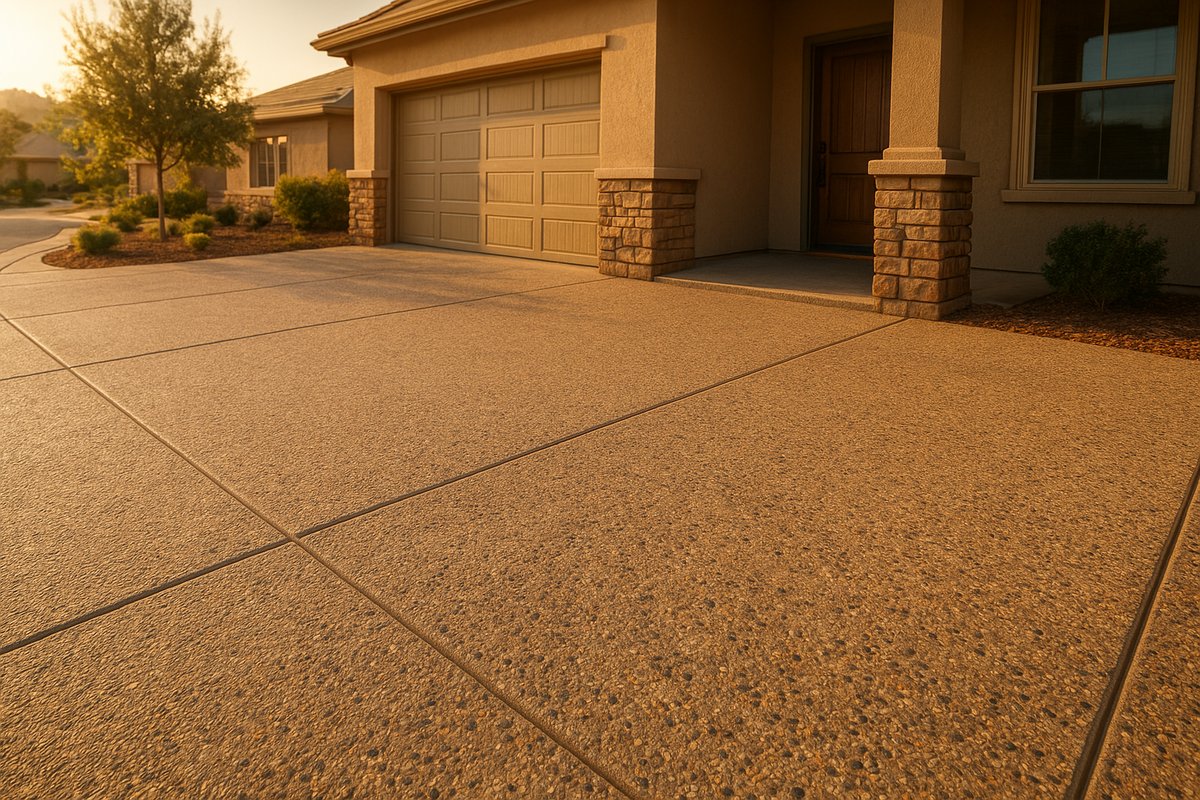
When possible, choose finishes and features that not only suit your taste—such as exposed aggregate—but also comply with community requirements. Don’t hesitate to ask for advice from your concrete contractor or to review past recommendations from city planners.
Safety First: Utility Location and Site Preparation
Every concrete project begins underground, not just at the surface. Rancho Cordova property owners must have their site marked for utilities before breaking ground. Always call 811 before digging—utility marking is a non-negotiable step to avoid damaging power, water, or gas lines. This free service clearly identifies underground facilities, keeping your project safe and compliant with state regulations.
Take time to identify not only major utilities but also irrigation lines, outdoor lighting cables, and drainage features. Discuss utility access with your contractor, especially if planning features like steps or walkways that may pass near service lines. Slight route adjustments early on can avoid costly changes midway through the job.
Beyond utilities, site preparation matters. Removing roots, compacting gravel, and grading the ground help prevent cracking or shifting. Ask your contractor about the best practices for preparing Rancho Cordova’s typical soils, so your concrete will perform for years to come.
Soil, Slope, and Drainage: Rancho Cordova’s Ground Rules
The natural soils in Rancho Cordova, typically ranging from dense clay to hard decomposed granite, have a direct impact on concrete performance. Clay soils expand and contract with moisture, which can cause cracking if not addressed with the proper base and reinforcement. Granite-based soils drain more quickly but may require extra compaction. Your contractor’s knowledge of local ground conditions is vital when designing stable, lasting concrete finishes.
Drainage is equally important, especially where slopes direct rainwater toward foundations, driveways, or patios. Plan for gentle grading away from structures, integrated drains or trench grates where necessary, and expansion joints that accommodate movement in patios and driveways. In pool or garden areas, consider surface treatments—like cool-deck coatings—that improve safety and manage runoff.
Don’t overlook water-wise landscaping adjacent to concrete. Gravel beds, proper plant choices, and thoughtful irrigation design protect both your hardscapes and your soil against winter storms and summer dry spells prevalent in Rancho Cordova.
Planning for Weather: Heat, Rain, and Project Timing
Rancho Cordova’s climate is marked by hot, dry summers and cool, wet winters, each bringing unique demands for timing and technique. Summer’s intense sun can accelerate curing, which means experienced crews must adjust mixes and finishing schedules to avoid premature cracking, especially on large stamped concrete or exposed aggregate projects. Shade, misting, and timing pours early in the day help ensure quality results.
Winter brings the risk of rain and chilly nights, both of which affect setting times and surface finish. Plan projects around reliable dry windows and use the National Weather Service for the latest local forecasts. For larger jobs near the rainy season, coordinate with your contractor about covering fresh work and moisture-proofing materials if showers are in the forecast.
Many homeowners in Rancho Cordova schedule repairs or new concrete sealing in late spring or early fall to avoid weather extremes and achieve the best possible outcome. Be aware that permit processing and HOA review times can extend your schedule, so factor potential delays into your planning.
Choosing the Right Concrete Finish for Your Home
Concrete offers broad design potential. Homeowners today have their pick from finishes like decorative stamped concrete, elegant exposed aggregate, durable broom or specialty textures, and color or acid-stained treatments. Each option brings distinctive visual and performance qualities, so consider both your aesthetic goals and the realities of use—such as slip resistance, glare reduction, or minimizing visible stains.
For driveways, durability and ease of cleaning are usually top priorities, making a textured broom finish or exposed aggregate popular, as available through concrete driveway services. Patios and pool decks often benefit from stamped patterns or colored concrete that complement landscaping and architecture. Explore cool-deck coatings for areas exposed to extreme sun.
When in doubt, walk through the California Hardscapes finish options with your contractor. Samples, color charts, and local expertise ensure your choice will withstand seasons and retain its beauty for years.
Sequencing Your Project: Timing and Logistics
Effective concrete projects run on a sensible timeline. Once you secure HOA or city approval, coordinate your start date to allow for both utility marking and any demolition or grading needed up front. Materials, weather, and crew availability all affect timing, so be clear about your goals and constraints with your contractor early.
Concrete goes in quickly but needs days to cure and, sometimes, extra sealing or conditioning to finish. On larger projects—like wrapping patios around a pool or upgrading steps and walkways across a large lot—sequencing may involve staging different pours or working around landscape crews, plumbers, or electricians. Plan access and material storage ahead of time, particularly in neighborhoods with narrow streets or busy entrances.
Build extra time into your schedule for unforeseen issues: weather delays, extra inspections, or order lead times on specialty materials. In the end, a patient, systematic approach delivers superior results worthy of your investment.
Concrete Care: Maintenance, Repairs, and Sealing
Even the best new concrete deserves a smart maintenance plan. In Rancho Cordova, summer UV exposure and winter rains can take a toll—so consider periodic cleaning, sealing, and minor repairs. Many homeowners overlook the value of routine concrete sealing, which helps preserve color and resist staining on all premium finishes, from stamped concrete to exposed aggregate.
Watch for early signs of movement, settlement, or damage. Prompt repairs by an experienced concrete contractor prevent small defects from growing into larger hazards, especially along high-traffic areas like driveways, RV pads, and walkways.
Maintenance doesn’t end at the surface. Keep surrounding drainage clear, check edging for soil buildup, and address irrigation leaks or overwatering that can undermine the base. When you invest in care, your concrete’s performance stands the test of time.
FAQ: Planning for Concrete in Rancho Cordova
How long does HOA or city approval usually take?
Most permit reviews or HOA submittals in Rancho Cordova can take from a few days to a few weeks, depending on complexity. Starting this process early and providing detailed plans helps avoid surprises and keeps your project on track.
What finish options are best for pool decks and patios in our climate?
Stamped, colored, or exposed aggregate finishes are all well-suited to local conditions. Slip resistance is critical for pool decks; cool-deck coatings are also available. Review color and pattern options with your contractor to blend style and durability in high sun and wet areas.
How do I know when to schedule my project around the weather?
Consult forecasts from the National Weather Service to choose ideal conditions. Avoid extreme heat and rainy spells for large pours, and talk with your contractor about the best seasonal windows for your specific project scope.
Ready to turn your ideas into long-lasting results? Request a consultation with California Hardscapes and discover what built with pride, finished with excellence means for your home.
Planning a project in Rancho Cordova, CA?
Call or text 916-741-0633, or email sales@californiahardscapes.com with your address, a short description and a few photos, and we will arrange a consultation.