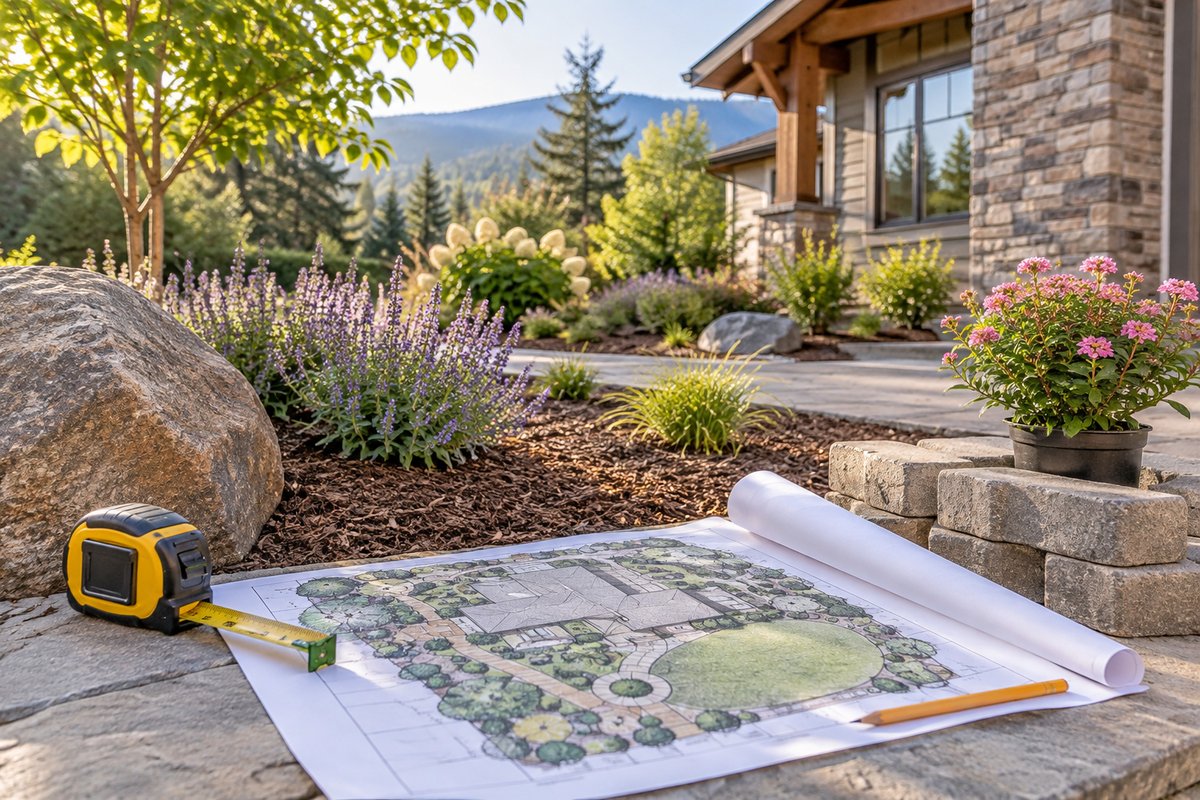
A Homeowner’s Step-by-Step Guide to Landscaping in North Auburn, CA
Learn to plan landscaping projects in North Auburn, CA—covering permits, HOA, utilities, soils, drainage, slope, climate, and timing for lasting results.
Start with Local Planning: Permits and HOA Approval
Landscaping projects in North Auburn, CA must factor in all local regulations, including possible permits and HOA approvals. Homeowners in planned communities or neighborhoods with a homeowners’ association should always review governing documents and reach out to the association before making changes to their landscape, especially for visible updates or major hardscape additions. Different HOAs may have unique guidelines about plant selections, fencing, retaining walls, or structures. Municipal permit requirements can also apply, particularly for structures like patios, walls, or significant grading. Exact requirements vary—so always check directly with the city or the HOA office before planning your next step.
Because rules can change and sometimes require detailed site plans or professional design input, a well-prepared approach pays off. Licensed, bonded, and insured contractors like those working with California Hardscapes can help ensure that any professional design aligns with what’s allowed regionally. Budget additional time for review processes that could affect your project timing. It’s better to clarify and confirm requirements up front than to risk delays—or to modify a finished landscape due to overlooked rules.
Note that local codes may affect the size, placement, and function of features such as backyard landscaping, walls, or driveways. Always confirm current codes and HOA conditions; requirements may differ across North Auburn neighborhoods and nearby areas.
Call Before You Dig: Utility Marking and Safety
Underground utilities are common in established North Auburn neighborhoods, making safety a top priority for any landscape project that involves digging. Before any soil is disturbed, always use the recommended service—dial 811 or reach out online—for utility line marking. This essential process ensures all known power, gas, water, cable, and other services are clearly outlined to prevent damage, fines, or injury.
The PG&E service area includes North Auburn, covering electric and gas utility connections. Service interruptions and costly repairs can be avoided by waiting for official markings before work begins. This also helps when planning the route and depth for new irrigation, drainage, or lighting systems.
Even for smaller upgrades, proper utility marking can save time and potential hazards in the long run. It’s a non-negotiable step for any homeowner or licensed contractor committed to quality and safety.
Soils of North Auburn: Working with Clay and Granite
North Auburn’s soils are a natural mix of clay layers and granite. Each brings planning challenges—heavy clay holds moisture and can create compaction problems, while decomposed granite often struggles to retain water, affecting plant health and drainage. Knowing what’s underfoot influences everything from plant selection to drainage design and the stability of patios or retaining walls.
Effective landscape design always starts with a soil test. If your site contains mostly clay, plan for deep soil amendments, raised planting, and well-designed drainage. For granite-rich soils, consider water-wise plantings and moisture management strategies. Features like drought-tolerant landscaping are ideally suited to these conditions, combining water efficiency and resilience.
Soil structure also dictates the installation choices for boulder and rock gardens or dry creek beds. Both options can address drainage issues and erosion while matching the natural character of North Auburn’s terrain.
Slope, Drainage, and Erosion Control
Many North Auburn properties are found on rolling or sloped terrain, making smart drainage and erosion management a necessity. Proper grading, swales, and retaining features guide North Auburn’s winter rains or summer stormwater away from foundations and living areas, guarding against property damage and landscape washouts.
Drainage strategy begins with understanding the site’s natural flow. Sometimes a simple dry creek bed is enough to redirect water safely; in other cases, multiple layers—gravel trenches, French drains, and tiered walls—may be needed. Licensed contractors take these conditions into account when designing patios, pathways, and garden beds that hold their shape season after season.
Combining slope stabilization with plants is another effective approach. Fire-wise planting, native grasses, and deep-rooted shrubs can minimize surface runoff and erosion, especially on steep sites. For more on resilient choices, see fire-wise landscaping and solutions for challenging terrain.
Climate Considerations: Summer Heat and Winter Rain
North Auburn’s climate delivers hot, dry summers with temperatures often reaching above 100°F, followed by cool, rainy winters. Smart landscape planning matches planting and materials to North Auburn’s intense heat and rain cycles. The National Weather Service Auburn CA forecast is a reliable resource for current and seasonal climate trends.
Drought-tolerant planting, drip irrigation, and strategic use of shade structures can help landscapes thrive under prolonged dry spells and conserve water. Explore front yard landscaping options featuring mulch, rock, or native plant gardens that stand up to heat and reduce evaporation.
Winter brings heavy rain that tests drainage and erosion control. Consider integrating irrigation systems with weather-based timers and smart controls. Resilient hardscape materials and proper site preparation help protect your investment from weather extremes across the seasons.
Choosing the Right Time to Start Your Project
Timing matters in North Auburn landscaping. Local experience suggests that major landscape work is best scheduled in early spring through early summer. This window bypasses winter rains that can delay grading or concrete work, while giving new plantings a full growing season before the next drought and heat wave.
Some projects, such as comprehensive landscaping, may stretch across seasons. For fire-wise plantings or dry creek installations, autumn can also be a suitable time, leveraging cooler soils and the arrival of seasonal rains for establishment. Always monitor short-term conditions using the local forecast before starting sitework or planting.
Project timing also aligns with availability—permit reviews, HOA approvals, or specialized materials could influence your ideal start date. Flexible schedules and clear communication with your landscaping contractor support smooth progress from start to finish.
Highlighting Smart Landscape Options for North Auburn
- Backyard retreats: Backyard landscaping in North Auburn supports outdoor living while adapting to heat and water constraints.
- Terraced gardens and boulders: With slopes and variable soils, boulder and rock gardens bring structure and low-maintenance beauty to difficult sites.
- Drought-tolerant makeovers: Consider drought-tolerant landscaping—native plant selections, efficient irrigation, and mulch help your landscape stand up to North Auburn’s dry heat.
- Functional drainage: Dry creek beds protect against winter washouts while creating visual interest.
- Defensible space: Explore fire-wise landscaping to meet evolving safety needs in foothill communities.
- Front yard curb appeal: Front yard landscaping options combine beauty and resilience with lasting results.
- Smart watering: Modern irrigation systems deliver water efficiently, tailored to each season and plant zone.
FAQ: Common Questions about Planning Landscaping in North Auburn
What should I do before breaking ground on a landscaping project?
Always call 811 or file an online request to mark all underground utilities prior to digging. This safeguards against damage or injury and is a requirement in North Auburn and anywhere served by PG&E. Also check with city and HOA offices about any permits or local guidelines before construction starts.
How do the North Auburn climate and soil impact plant and material choices?
Soils range from compact clay to granite, and the area experiences hot, dry summers and rainy winters. Durable materials and resilient plantings—like those featured in drought-tolerant landscaping—perform best. Proper grading and site prep ensure stability through seasonal changes; irrigation efficiency and drainage are equally important.
How can I protect my new landscaping from drainage or erosion issues?
Prioritize site grading, soil improvement, and strategic water management. Features such as dry creek beds, mulched slopes, and erosion-control plants all help stabilize soil while enhancing your outdoor environment. Every site calls for a custom drainage solution based on its unique slope and substrate.
Ready to begin planning your landscape transformation in North Auburn? Connect with licensed, bonded, and insured professionals—request a consultation at California Hardscapes to explore your options.
Local resources for North Auburn homeowners:
Planning a project in North Auburn, CA?
Call or text 916-741-0633, or email sales@californiahardscapes.com with your address, a short description and a few photos, and we will arrange a consultation.