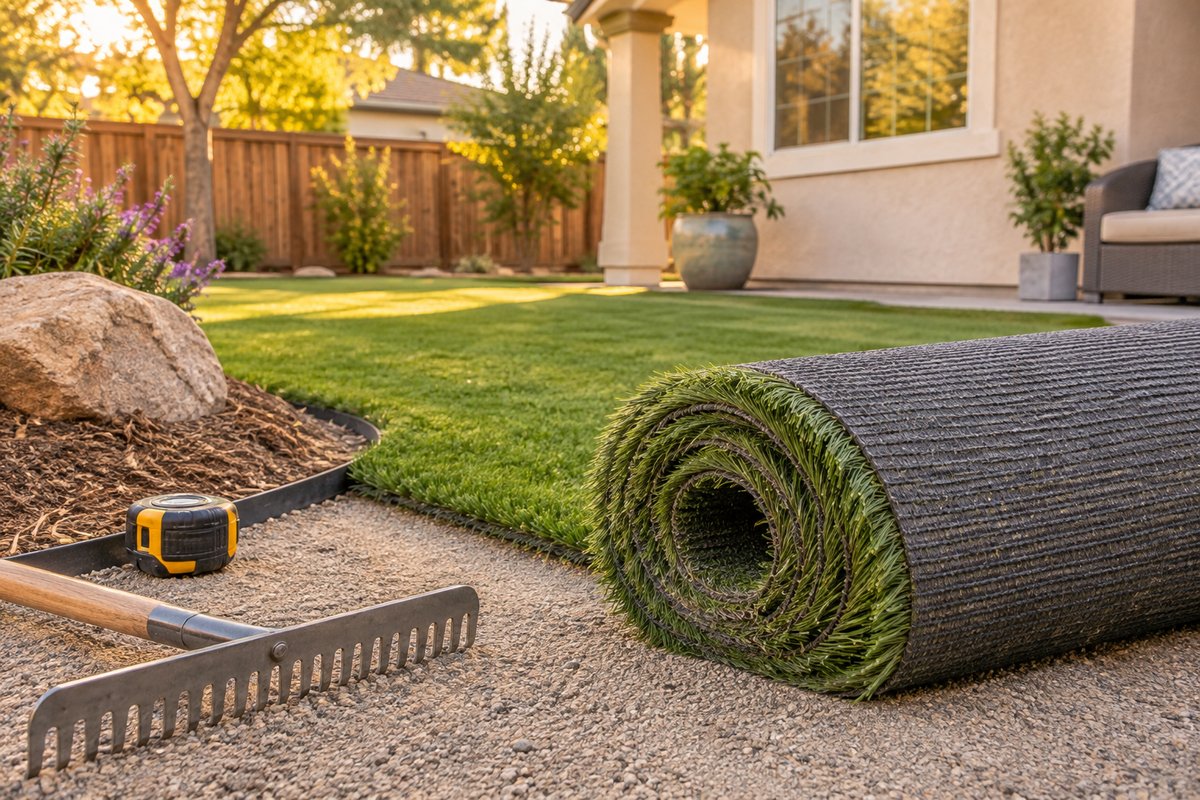
Practical Planning: Artificial Turf Projects in Orangevale, CA
Curious about replacing your lawn or sprucing up your landscape with artificial turf? Orangevale homeowners face unique planning factors—here’s a practical, local guide.
Getting Started: Scoping Your Artificial Turf Project
If you’re considering artificial turf for your Orangevale home, the first step is to define your project goals and understand local lot conditions. Artificial turf suits a wide range of applications—from a full front yard transformation to a backyard putting green or even pet-friendly turf for side yards. Start by taking careful measurements and evaluating your space’s current use, sun exposure, and accessibility. Each property in Orangevale has its own challenges and benefits, whether it’s clay soil on a slight hillside or a shaded side area perfect for small-space turf.
For those interested in water savings and low maintenance, explore turf options that include products specifically designed for lawn to turf conversion. This early assessment will help in planning both the look and the logistics of your synthetic grass installation. Consider not only the visual outcome but also how the turf will be used throughout the year—active play areas, pet runs, decorative spaces, or entertainment zones.
Once you have a sense of scale and intent, research which turf product category best aligns with your goals. Options include backyard artificial turf, front yard artificial turf, pet-friendly artificial turf, putting greens, play area and playground turf, or side yard turf. Each provides unique benefits for different types of outdoor living and maintenance priorities.
Permits, HOA Approval, and Utility Marking
Before breaking ground, Orangevale homeowners must determine if their project requires permits, HOA approval, or both. Homeowners associations often have landscaping guidelines, especially for visible front yard projects or major lawn-to-turf conversions. Start early by reviewing your HOA’s rules and submitting required documents, as the approval process can add time to the schedule.
City or county permits may be needed for larger installations or when the work involves changes to grading, drainage, or hardscaping. Specific permit requirements vary, so always check directly with the Building Permits & Inspection Division. That office can confirm whether your plan for patios, retaining walls, or grade adjustments needs county review or additional documentation.
Regardless of size, always call 811 before any ground disturbance to arrange for utility marking. Underground lines for gas, electric, or communications may cross even small yards. Damaged utilities can lead to hazards and unexpected repair costs, so don’t skip this vital step. Review SMUD’s Design & Construction Services information as well, especially if electric upgrades or new outdoor power sources are part of your project.
Soil, Slope, and Drainage: Orangevale’s Key Challenges
Orangevale yards are typically characterized by clay-heavy or decomposed granite soils. Both soil types require careful preparation for artificial turf installations. Clay can hold water—leading to puddling if drainage isn’t addressed—while granite soils may need more stabilizing underlayment. During planning, evaluate how water currently moves across your property, including slope direction and areas vulnerable to pooling.
Proper grading ensures that water flows away from foundations, patios, and play surfaces. A well-considered drainage plan might include trenching, compacted sub-bases, and perimeter channels. Since artificial turf won’t absorb rainwater, the goal is to keep runoff managed and soil stable below the surface. When in doubt, consult local professionals who can assess site-specific drainage and slope issues.
Some projects involve retaining walls, tiered patios, or matched paver areas alongside synthetic grass. Each element may have its own preparation and inspection requirements. Integrating these factors during the earliest stages will save time and help avoid costly changes mid-way through the build.
Weather Planning: Timing Around Heat and Rain
Orangevale’s climate influences when construction is most practical. Summers routinely exceed 100°F, while winters bring periodic storms and wet soil. Not only does this impact physical working conditions, but it also affects soil compaction and how quickly base materials cure or settle. To avoid delays, consult the NWS Forecast for Orangevale CA before setting project dates.
Installation is generally smoothest during mild weather, typically spring or fall, when ground conditions are manageable and synthetic turf materials aren’t heat-softened or slick from rain. If your plan involves a larger hardscape or combined patio-turf area, align all parts of construction so one phase doesn’t damage the work done in another.
Some turf infills and adhesives used during artificial turf installation have temperature limits for best performance. Scheduling appropriately helps ensure a tidy, lasting result with no rush at the finish line. Allow some flexibility in your timeline in case of unexpected weather shifts.
Coordinating Patios, Walls, Planting, and Turf as a Complete Landscape
Artificial turf projects often go hand-in-hand with other outdoor improvements, including patios, low walls, and updated planting beds. Think through the layout as one cohesive landscape. Choosing paver paths, retaining walls, or decorative gravel borders can enhance both the look and function of a synthetic grass lawn. Each component should be designed and coordinated in tandem.
For play areas or pet turf, consider how fencing, shade structures, and access points interact with the turf footprint. Integrated designs tend to last longer and minimize future disturbance or patchwork repairs. Pet-specific infills, for example, can manage odor and drainage, while cooling infills and shade trees help with comfort in the hottest months. It’s worth evaluating each selection together, rather than as separate upgrades.
California Hardscapes offers planning expertise for turf, patios, and associated hardscape features designed as one seamless final product. Licensed, bonded, and insured contractors follow a detailed installation process from design to walkthrough, focusing on long-term results rather than speed or cheapest cost.
Maximizing Function: Specialty Turf for Putting Greens, Play, and Pets
Orangevale’s diverse households often need more from their yards than a standard lawn. For golf enthusiasts, an outdoor putting green can transform a portion of the backyard into a year-round recreation spot, engineered for realistic surface speed and ball response. Proper subgrade and perimeter planning are key to performance and durability.
Families may want play area and playground turf built for fall safety and stability, or pet-friendly artificial turf designed for high-traffic durability, easy cleanup, and drainage. Specialty turf options are engineered for these tasks from the base up, not just the surface layer. Be sure to discuss intended uses during the design stage, as each application has its own best practices in infill, underlayment, and maintenance.
Combining these specialty areas with surrounding patios, gardens, or side yard turf can maximize every square foot of your Orangevale property, meeting both aesthetic and practical needs for years to come.
Scheduling, Access, and On-Site Planning
Planning for artificial turf installation includes thinking through site access, staging areas for materials, and protecting existing trees or plants. Confirm that there is a route to bring in equipment—some Orangevale lots may have narrow side gates, sloped driveways, or other constraints that must be planned around. Talk through these details as early as possible with your installation contractor.
Project sequencing matters: hardscape components such as concrete bases, paver edging, or walls should be in place before turf is laid. Staggering work can also help avoid unnecessary disruption if you’re coordinating multiple improvements. Make use of weather forecasting tools such as the NWS local forecast to avoid avoidable weather-related stop-starts.
Whenever new outdoor outlets, irrigation changes, or site lighting are a part of the plan, review requirements with SMUD’s Design & Construction Services. Upgraded power can support lighting or electrical features integrated into your synthetic turf landscape.
Artificial Turf Maintenance and Longevity
While artificial turf means less weekly upkeep than a living lawn, some care is still required, especially in Orangevale’s seasonal extremes. Rinse high-traffic or pet turf areas periodically to manage dust or outdoor debris. Use a power broom to lift fibers and redistribute infill as needed, paying special attention during the months of heavy leaf drop or wind-driven debris.
Inspect seams, inlays, and infill depth at least once a season. Synthetic grass affected by summer heat or winter rain over time may occasionally need localized repairs or touch-ups. For areas adjacent to pavers, check joint stability and edge transitions to prevent weed growth or material shifting.
California Hardscapes installs synthetic grass options with a focus on both long-term performance and a finished look that matches your home’s surroundings. As with any feature, timely intervention helps artificial turf maintain both function and curb appeal, season after season.
Frequently Asked Questions
Do I need a building permit for artificial turf in Orangevale?
Permit requirements depend on project details such as grading, drainage, and the addition of structures. Check with the Building Permits & Inspection Division to confirm what’s required for your address and scope of work.
What should I do before any digging or excavation?
Always call 811 to request underground utility marking before digging for turf, base prep, or edging work. Utilities may run through even apparently untouched areas of a yard. SMUD’s Design & Construction Services site also offers guidance if electrical upgrades are planned.
Which artificial turf options best suit Orangevale lots?
It depends on yard access, intended use, and existing soils or slope. Products range from full backyard turf and front yard installations, to side yard turf, putting greens, play areas, and pet-specific turf. Consider water-wise conversions, sun exposure, and how each area will be used year-round.
- Sacramento County Building Permits & Inspection: Permit info and submittals for Orangevale jobs.
- SMUD Design & Construction Services: Power and electric service resources for construction.
- NWS Local Weather Forecast: Plan your schedule around Orangevale weather trends.
For premium artificial turf solutions—designed for Orangevale’s unique lots, soils, and climate—work with professionals who prioritize quality and long-term success. Request a consultation with California Hardscapes and get expert guidance for your next lawn replacement or landscape upgrade.
Planning a project in Orangevale, CA?
Call or text 916-741-0633, or email sales@californiahardscapes.com with your address, a short description and a few photos, and we will arrange a consultation.