Category: Uncategorized

  • Planning Utilities for Outdoor Kitchens in Placer & Sacramento Counties

    Planning Utilities for Outdoor Kitchens in Placer & Sacramento Counties

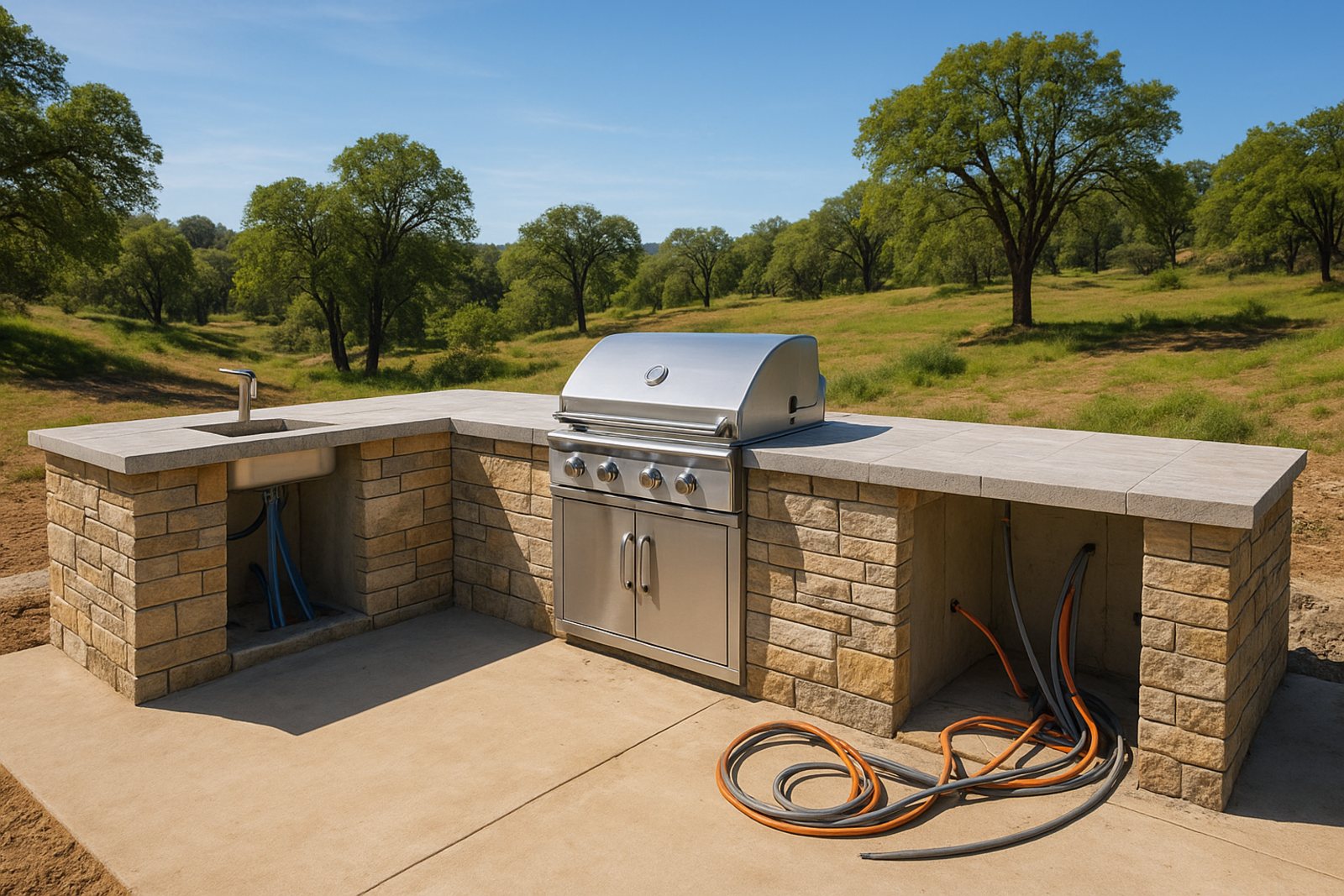
    Adding an outdoor kitchen is a big investment for homeowners in our region. Smart planning for utilities upfront sets your project up for long-term success.

    Why Utility Planning Matters for Outdoor Kitchens

    Installing an outdoor kitchen is about more than picking appliances or finishes. Deciding how gas, water, drainage, and power will be run is a critical part of any project. In Rocklin, Roseville, Granite Bay, and neighboring communities, this early planning step helps avoid costly surprises during construction.

    Ignoring utility considerations can severely limit what you can include in your outdoor kitchen, or even delay your build. Knowing local construction guidelines and requirements up front is part of making informed choices. Many towns in Placer, Sacramento, and El Dorado Counties require thoughtful utility planning for projects such as these.

    Partnering with a builder experienced in your area’s construction best practices, soils, and city codes ensures that your new space is both legal and built to last. Each utility—gas, water, power, and drainage—should be addressed specifically for your yard and layout.

    • Local rules may impact utility placement
    • Soil types can affect trenching for pipes and wires
    • Early planning can save money and headaches

    Learn more about your options for outdoor cooking and entertaining on ourOutdoor kitchenspage.

    Planning Natural Gas or Propane Lines

    If your outdoor kitchen will include a grill, cooktop, or pizza oven, you’ll need to decide between natural gas and propane. Each fuel requires careful piping and safety measures, plus knowledge of local codes. In Rocklin and most nearby cities, direct natural gas hook-up is popular when available, but not every property has it nearby.

    For natural gas, you’ll need a licensed plumber to extend lines safely from your home. With propane, consider where large tanks will be sited, refilled, and protected. Either way, you must plan for safe shut-offs and leak detection, ideally before any concrete or hardscaping is poured.

    Think through appliance placement and future maintenance when deciding on a gas plan. Trenching, backfilled correctly to local standards, is best coordinated before decks, patios, or footings are built.

    • Check if your property has an accessible gas main
    • Propane tanks require level, shaded spots away from heat
    • All gas work should be handled by licensed professionals

    Water Supply: For Sinks and More

    Having a sink outdoors makes meal prep and cleanup easier, but it brings its own set of planning considerations. Running water from your home involves trenching and frost protection—even though freezing is rare, some neighborhoods get cold enough for pipes to burst without proper insulation.

    Carefully map where you’ll need water access, keeping lines as short and direct as possible to minimize future issues. Many homeowners also consider outdoor ice makers, beverage centers, or even small dishwashers, so assess all your needs upfront before the slab is poured.

    Think about seasonal use, too. In some parts of our region, shutting off or draining water lines during winter can prevent maintenance headaches. Drain valves or access panels should be easy to reach.

    • Cold snaps can affect exposed outdoor supply lines
    • Water lines must slope for proper drainage during winterization
    • Plan hose access points for plantings and clean-up
    UtilityKey QuestionsTypical ConcernsRegion-Specific Notes
    Gas (Natural/Propane)Is your home piped for gas? Is propane allowed?Safety, shut-off, permit needsMany homes use natural gas; propane is an option in rural areas
    WaterHow will you insulate pipes? Where will runoffs go?Risk of freezing, trenchingSome foothill zones can freeze at night
    DrainageWhere does sink waste go? How is surface runoff handled?Slope, code complianceClay soils require extra drainage
    PowerHow many outlets? Do you need lighting or smart home?GFCI protection, overloadsPermit rules vary city to city

    Drainage and Wastewater Management

    Outdoor kitchens create extra runoff, which makes drainage a top priority. For sinks, you’ll usually need a connection to your home’s main sewer line, or a dedicated greywater system if local codes allow. Make sure to discuss all sink and appliance drainage needs with your contractor before breaking ground.

    Proper slope is key for both functional and code-compliant drainage. Surface water from countertops or patios should never be allowed to pond against the house or structures. Integrating trench drains, catch basins, or French drains might be necessary for your design.

    Our region’s clay soils and occasional heavy rains mean drainage is particularly important in Placer, Sacramento, and El Dorado Counties. The right approach varies by yard and city but must be part of your utility plan from day one.

    • Review city codes for greywater vs. sewer connections
    • Use debris guards on outdoor drains to prevent clogs
    • Slope surfacing at 1–2% away from buildings

    Power: Electricity for Outdoor Kitchens

    Modern outdoor kitchens can be nearly as sophisticated as indoor spaces. From built-in lighting and refrigerators to USB chargers and speakers, reliable electrical power is essential. Plan for more outlets and circuits than you think you’ll need—retrofits after construction can be disruptive and expensive.

    For safety in damp outdoor environments, all outlets must be outdoor-rated and protected with GFCI (Ground Fault Circuit Interrupters). Many local codes also require in-use weatherproof covers and specific installation heights above finished surfaces.

    Conduit placement for wiring should be coordinated carefully with gas and water runs to avoid conflicts. Discuss lighting controls, power for grills or smokers, and Wi-Fi or smart home features while you’re still in the planning stage.

    • All outdoor wiring must be GFCI-protected
    • Separate circuits prevent overloads from appliances
    • Low-voltage lighting is safer and energy-efficient

    For ideas beyond kitchens, explore our full selection ofOutdoor Livingsolutions.

    Coordinating Utilities with Concrete and Hardscapes

    The order of operations matters: utilities should be roughed in before concrete pads, pavers, or walls are installed. Changing utility locations after concrete is poured often means major demolition and extra costs. Share your kitchen design plans with your contractor early.

    In our region’s clay and rocky soils, trenching for utilities is often best done alongside prepping patios or footings. If you plan to add features down the line (like fire pits, lighting, or hot tubs), install extra conduit or sleeves now for future access.

    Aligning utility planning with hardscape installation also ensures proper depth for freeze protection and city inspection requirements. Communication between utility professionals and your hardscape contractor helps avoid costly delays.

    • Pre-plan appliance locations before hardscape construction
    • Install spare conduit for future upgrades
    • Coordinate inspection requirements between trades

    Regional Considerations in Placer, Sacramento, & El Dorado Counties

    Soils, weather, and building codes all influence outdoor kitchen planning in your neighborhood. While freezing pipes are rare, certain foothill areas near Auburn or Granite Bay may face occasional cold snaps. Local code may dictate pipe depths, backflow preventers, and drain outlets.

    High-clay soils and slopes can impact drainage and equipment placement. Your builder should take elevation and runoff patterns into account to prevent future water problems—especially with the occasional heavy rains we see each season.

    City and county codes can also influence where propane tanks, electrical panels, and outdoor sinks may be placed. Familiarize yourself with city guidelines or work with contractors who regularly design projects in your jurisdiction.

    • Soil testing may be necessary for large kitchens
    • Permit rules change between cities and counties
    • Ask about landscape irrigation overlap with outdoor kitchens

    Get Ahead With a Detailed Utility Plan

    A successful outdoor kitchen starts with a thorough, realistic plan for all your gas, water, drainage, and power needs. This sets expectations for your builder and prevents surprises during construction. Even small outdoor kitchens benefit from a simple, sketched utility layout.

    Don’t forget to collect appliance specs, HOA guidelines, and city requirements before finalizing your plans. The more you can clarify what you want—down to the outlets and hose bibs—the smoother your construction process will go.

    Investing in detailed planning now pays dividends in a finished kitchen that’s safe, durable, and flexible for your family. Reach out for expert advice if you have questions about preparing for your outdoor living project.

    • Collect appliance requirements before designing utilities
    • Consult with pros on local permit and code rules
    • A realistic plan can save money and speed up your build

    Ready to discuss your dream space?Request a consultationwith our experienced team today.

    Outdoor kitchens: see the full guide to outdoor kitchens, or browse every outdoor living option.
    Your project

    Planning an outdoor living project?

    Call or text 916-741-0633, or email sales@californiahardscapes.com with your address, a short description and a few photos, and we will arrange a consultation.
  • Planning Pavilions and Gazebos on Sloped Foothill Lots

    Planning Pavilions and Gazebos on Sloped Foothill Lots

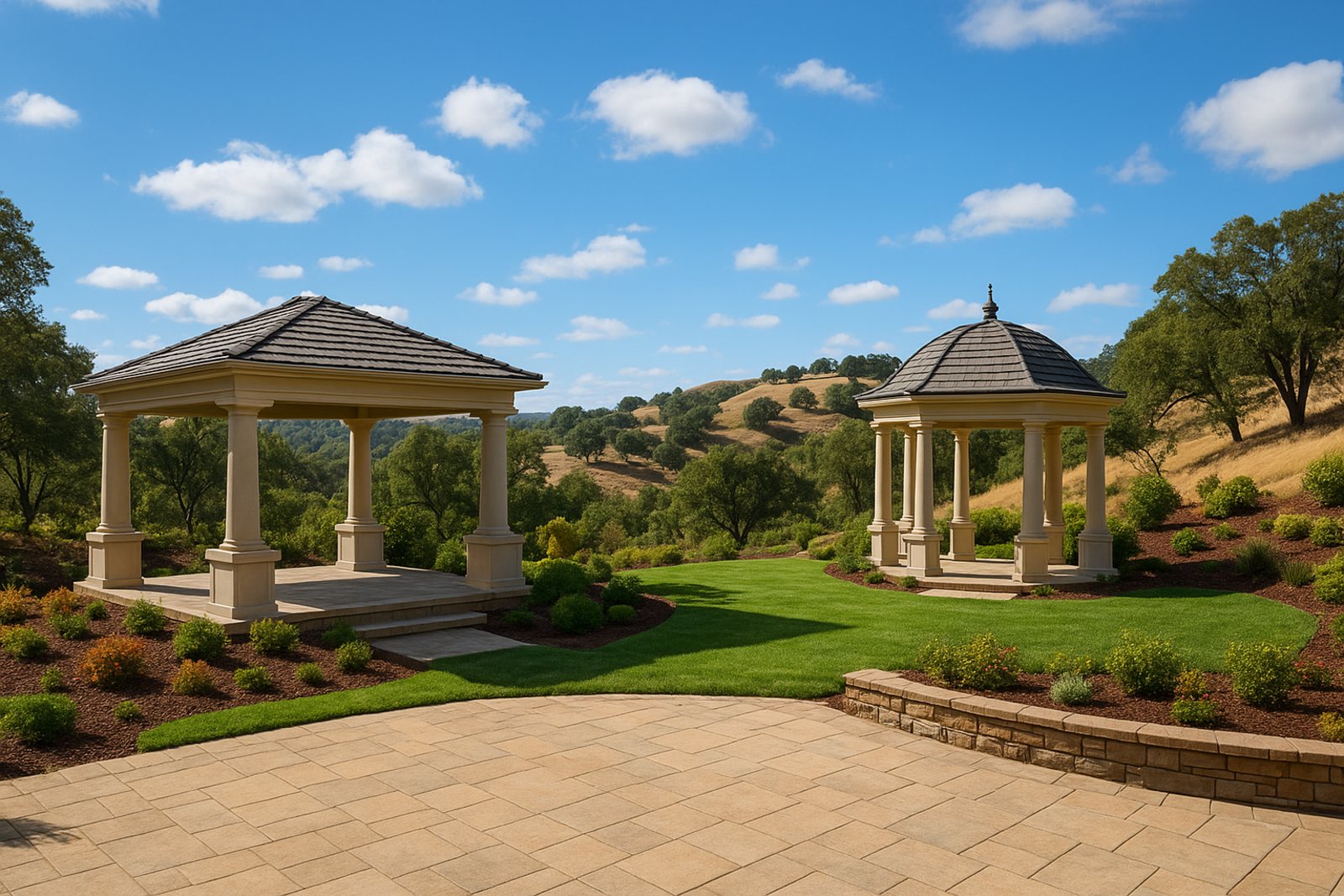
    A sloped foothill property offers dramatic vistas and unique challenges. With smart planning, your pavilion or gazebo can become the centerpiece of your outdoor living space.

    Understanding Your Foothill Landscape

    Sloped lots in areas like Rocklin, Granite Bay, and Auburn are part of what makes foothill living so appealing. Their terrain is characteristically rolling, with a blend of decomposed granite, rocky soils, and mature oaks or pines. Before considering any new structure, it’s important to assess both the grade and the existing landscape features.

    Walk your property at different times of day and take note of not just views, but sunlight patterns, prevailing winds, and drainage flows. A steep backyard may look different on paper than when you’re standing where you hope to build. Observe places that feel naturally inviting—these spots often lend themselves best to outdoor structures.

    Especially in local foothill communities, pay close attention to how seasonal water runoff might affect your potential building site. Poor placement can lead to erosion or muddy, unusable spaces during the rainy months. Getting familiar with your land’s behavior under different conditions sets the stage for success.

    Key factors to map:

    Explore material choices and design options for your project on ourPavilions and gazebospage.

    Slope, Stability, and Structure

    The degree of your lot’s slope usually drives the design and placement of a pavilion or gazebo. Mild slopes can often be managed with strategic grading, but steeper grades may require retaining walls, pier footings, or tiered platforms for a level foundation. Safety and long-term stability depend on matching the structure to both the slope and soil type.

    Working with experienced professionals means you get the right approach for your land’s specific pitch and composition. They’ll consider load-bearing capacity for the planned structure, as well as ongoing maintenance needs. In foothill areas, choosing the right anchoring methods can protect your investment and keep it looking great over the years.

    Evaluate hillside access. Will you need steps or paths to reach your outdoor retreat? Thoughtful path design makes the structure inviting, while good footings and drainage keep everything functional and low-stress, even after a storm. These early decisions go a long way to ensuring enjoyment and peace of mind.

    Slope management tips:

    Designing for Views and Privacy

    Maximizing those coveted foothill views often motivates adding a pavilion or gazebo in the first place. The right spot frames distant ridgelines, sunsets over rolling terrain, or stands of native trees. Spend time on site identifying locations with the most compelling sightlines, but also ask yourself how much sun and wind exposure you want.

    Privacy is another key factor. Elevating a structure may reveal more of your backyard to neighbors—or protect you from street view. Landscaped berms, screens, and strategic planting can enhance the sense of seclusion. In denser areas like parts of Roseville or Folsom, a combination of hardscaping and planting ensures balance between views and privacy.

    Finally, consider the feeling you want from the space. Is this a spot for family gatherings, peaceful mornings, or evening relaxation? Each use can shape how much openness or enclosure you’ll want, and guide choices in design finishes, lighting, and site orientation.

    View and privacy ideas:

    AspectSteep SlopeGentle SlopeFlat Area
    Foundation NeedsEngineered piers, retaining wallSimple grading, shallow footingsStandard slab or posts
    DrainageRetain/redirect, drainage system essentialBasic grading for runoffMinimal needs
    AccessSteps, ramps, tiered walkwaysGently sloping pathsDirect, level access
    ViewsPotential for dramatic vistasPartial views, moderate elevationMore privacy, less elevation
    IntegrationStrong visual tie to terracesConnects to lawns or patiosBlends with flat features

    Access and Flow Within Your Yard

    Even the most beautiful pavilion or gazebo won’t get much use if it’s hard to reach. Consider the primary routes from your home, pool, or patio to the planned structure. The path should be intuitive, safe, and as direct as possible, following the contours of your lot to minimize disruption.

    Grade changes offer opportunities for creative transitions—think curved steps, terraced patios, or gently sloped concrete walkways. Durable materials like exposed aggregate are well-suited to our climate and visually tie the structure into the landscape. Incorporate outdoor lighting for safety and ambiance on steps and walkways.

    The relationship between indoor and outdoor spaces matters. Try to align the new pavilion or gazebo with existing doors or key views from inside your home, making it feel like a natural extension of your living area. This connection ensures you use and enjoy the space year-round.

    Smart flow features:

    Dealing With Drainage Challenges

    Dealing with water runoff is a real part of life in the foothills. Well-placed pavilions or gazebos should neither sit in a swale nor block the natural downhill flow of rainwater. Start your drainage planning alongside your site selection to minimize headaches and preserve your investment.

    Techniques like French drains, dry creek beds, and sloped concrete can redirect water, while permeable paving helps manage surface runoff. Retaining walls may double as barriers to unwanted flows, especially on lots with significant elevation changes. Whichever approach you use, functioning drainage is key to longevity and comfort.

    Look for early signs of drainage trouble—standing water, erosion, or soggy low spots—before you commit to a location. Addressing these before construction is far easier than repairing water damage later. Well-planned runoff solutions also help maintain soil stability, crucial for any outdoor structure.

    Drainage solutions:

    For inspiration and practical advice on complete outdoor transformations, visit theOutdoor Livinghub.

    Integrating With Existing Features

    If you already have outdoor features—like a pool, fire pit, or mature shade trees—integrate your new structure into the broader landscape plan. The best pavilions and gazebos look purposeful, not shoehorned into left-over spaces. Connection and cohesion create a polished, custom look.

    Consider sightlines and movement between different outdoor elements. For example, a new pavilion can serve as a shady retreat from the pool, or a gazebo could anchor one end of a garden path. If you have stonework or specialty concrete, echo those materials in the new build for a harmonized feel.

    Don’t overlook utilities. Planning for power, lighting, or irrigation alongside your structure streamlines installation and prevents patchwork fixes down the road. Bringing together structure, landscaping, and features creates an outdoor space that truly feels like home.

    Integration checklist:

    Choosing Materials With the Foothill Climate in Mind

    Our region’s hot, dry summers, cool winters, and occasional heavy rains all play into material selection for outdoor structures. Cedar, redwood, and pressure-treated lumber are popular for their resilience, but in exposed or difficult sites, composite or steel options are worth considering for durability.

    Local soils and root competition from oaks or pines may affect foundations and anchoring. Concrete footings remain the gold standard for both wood and metal posts, providing stable support season to season. Working with an experienced builder ensures adaptations for soil movement and moisture are made from the start.

    Don’t forget about finish details. UV-resistant stains, proper sealing, and hardware like powder-coated brackets all add longevity. By choosing region-appropriate materials and treatments, you get a structure that not only fits your property but will stand up to local conditions over time.

    Foothill-ready materials:

    Working With Professionals Who Know the Region

    Experience in local foothill conditions makes a difference when building on a slope. Complex terrain, site-specific soils, and tough drainage issues all benefit from hands-on knowledge. Start with a builder who understands not just general outdoor living, but the particular demands of Rocklin, Auburn, Folsom, and nearby communities.

    Marty at California Hardscapes brings over three decades in concrete and outdoor construction across this region. From grading and retaining walls to custom concrete and outdoor lighting, his background helps anticipate and resolve issues others might overlook. Local familiarity means you’re getting recommendations based on what works here, not just in theory.

    It’s smart to expect an upfront site assessment and detailed planning when working with someone who values a premium result. You should have confidence your project is sound, practical, and designed to last through years of California weather—and that’s what real local experience delivers.

    Professional expertise includes:

    Ready to start planning your foothill retreat?Request a consultationwith our team today.

    Pavilions and gazebos: see the full guide to pavilions and gazebos, or browse every outdoor living option.
    Your project

    Planning an outdoor living project?

    Call or text 916-741-0633, or email sales@californiahardscapes.com with your address, a short description and a few photos, and we will arrange a consultation.
  • Practical Planning Guide for Landscape Materials Delivery in Roseville, CA

    Practical Planning Guide for Landscape Materials Delivery in Roseville, CA

    Planning Your Landscape Project in Roseville, CA

    Roseville’s expanding neighborhoods and established homes create a wide variety of landscaping needs. Whether you’re making a simple garden bed with mulch or adding classic hardscape features with pavers and wall block, proper planning ensures lasting results. With California Hardscapes led by Marty’s decades of construction experience and licensed, bonded, and insured contractors, homeowners and pros can get quality hardscape and landscape materials delivered right to their project site. This guide covers essential considerations for scheduling, permits, HOA approval, soil conditions, drainage, and seasonal weather in Roseville.

    Permits, HOA Approval, and Neighborhood Guidelines

    Before any delivery is scheduled, check if your project requires city permits or homeowners association approval. In Roseville, permits are often necessary for significant hardscaping—like new patios, retaining walls, or grade changes. Information on permit requirements and inspections can be found through the Building Division – City of Roseville. For smaller landscape improvements, such as new mulch or river rock beds, permits aren’t usually required, but confirm before work begins.

    Many Roseville neighborhoods have HOA guidelines on landscape appearance, approved plant palettes, and the types of rocks, mulch, or landscape boulders you can add. Submit any necessary plans to your HOA according to their schedule before ordering materials.

    Keep approval and permit timelines in mind when planning the start date of your landscape materials delivery. Delays in documentation can hold up a whole project, so it’s best to resolve paperwork before scheduling a drop-off.

    Call Before You Dig: Protecting Utilities and Your Project

    Digging for new planting beds or hardscape elements means you must consider what lies beneath. Before any excavation or digging begins—whether for edging, setting pavers, or burying drain pipes—call 811 to arrange for underground utility markings. This nationally recognized safe-digging service ensures gas, electric, water, and cable lines are located and marked before work starts.

    This step is especially crucial in Roseville’s newer housing tracts and established neighborhoods, where utility layouts may differ. When planning your delivery with California Hardscapes, factor in extra time if markers need to be set prior to unloading materials.

    If your site is clear, consider where the delivery can be safely dropped without impeding access or resting over marked underground lines. Protect existing hard surfaces by laying plywood if heavy bulk materials (such as decomposed granite or river rock) will be offloaded.

    Soils, Slopes, and Drainage: Site Considerations

    Roseville soils vary from hard-packed clay to sandy loam. Knowing your soil type is key for choosing the right topsoil and soil amendments for planting areas. For hardscape features, ensure the sub-base is stable; base rock and drain rock are essential where slope or water collection could be an issue.

    If your backyard slopes or features grading challenges, it may be necessary to consult with a local engineering or landscape professional to confirm drainage plans before placing materials. Drainage must move water away from foundations and hardscape areas, especially prior to material installation and during winter rains.

    Wall block and boulders often help stabilize landscape slopes. Choose landscape boulders or segmental wall systems engineered for your project—confirm size and placement requirements before you order, as these bulk materials need precise planning to ensure safe, code-compliant builds.

    Choosing Materials Suited to Roseville’s Climate

    Summers in Roseville see average high temperatures above 90°F, while winter brings cool rain and occasional downpours. Selecting the right materials for these conditions keeps landscaping low-maintenance and beautiful year-round. Organic mulch and bark from California Hardscapes lock in soil moisture and suppress weeds, ideal for hot, sunny areas.

    Decorative gravel and rock offer durable, fire-wise alternatives in exposed beds and parkways, reducing the risk of mulch blowing away in strong Delta breezes. For natural drainage swales or contemporary accents, river rock and cobble suit Roseville’s variable rainfall and create attractive features that direct runoff.

    Consult the National Weather Service forecast to plan around heat waves or wet periods—some materials, like decomposed granite, set best in dry, stable weather. Avoid late fall and early winter schedules if possible for extensive installs that require excavation or compaction.

    Estimating Quantities and Planning Delivery Drop Locations

    Once you know what you need, determining how much to order is all about covering area and depth. Most landscape and hardscape materials are sold by cubic yard and coverage calculators can help translate square footage into volume. For example, a standard 2-inch depth of mulch covers about 160 square feet per cubic yard, while gravel spreads at about 100 square feet per yard at 3-inch depth.

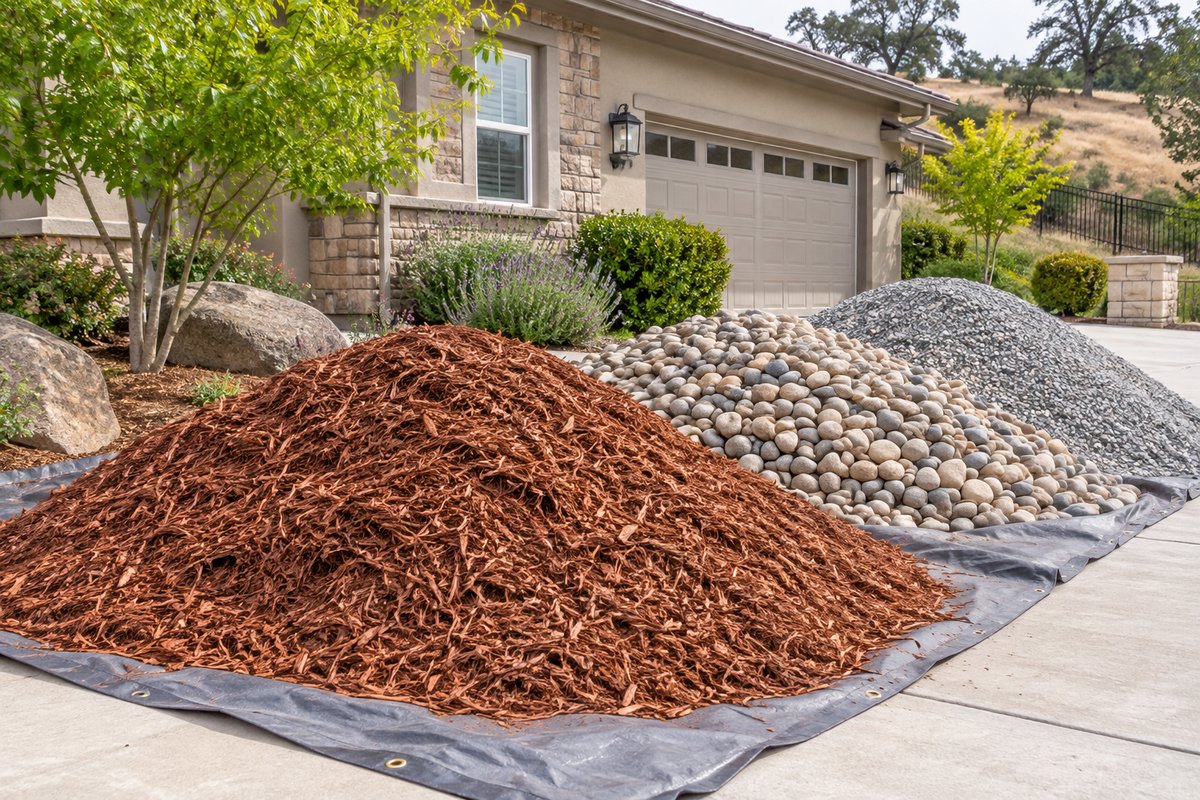
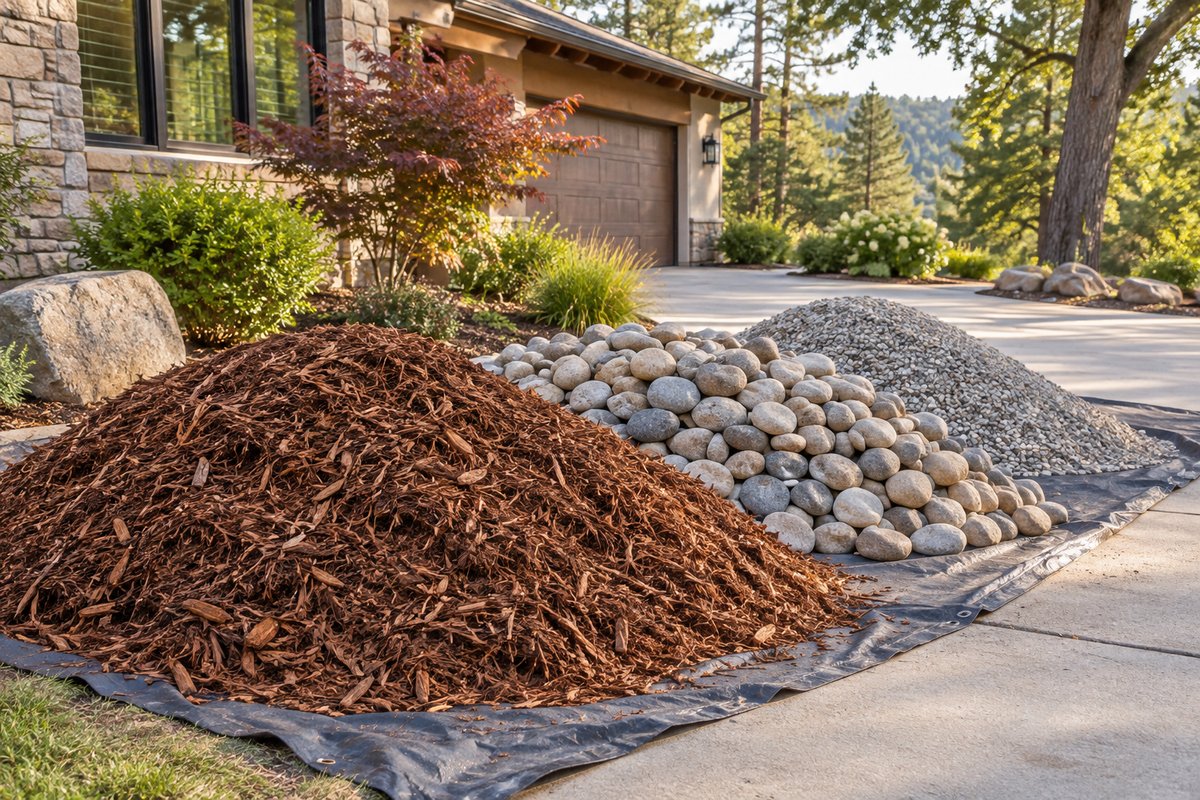
    Review access to your property to decide where bulk materials can be safely dropped. Driveways are the most common choice, but for larger quantities or sensitive surfaces, protect underlying concrete or pavers with lumber or heavy tarps. For sites with HOA restrictions or limited access, discuss alternate locations with your contractor and always secure HOA permission before scheduling delivery.

    If you’re planning on heavy boulders or wall block, consider how close the delivery can be made to their final destination, as moving these materials by hand is time-consuming and strenuous.

    Project Timing: Weather and Scheduling

    Roseville’s Mediterranean climate creates an optimal construction window. Aim for spring and early fall for most lawn or hardscape updates, avoiding intense summer heat and cool, wet winter months. Refer to the forecast several days before your scheduled delivery to ensure weather conditions align with your installation plans.

    Book deliveries at least a few days ahead, especially if your project requires several material types. Summer weekends and the early fall rush can fill up with orders, so plan accordingly. Professional contractors may coordinate multiple deliveries—be sure your site is ready to receive each load to avoid any project delays.

    For large jobs that must be completed in stages, coordinate your deliveries to minimize material storage time on your property. Lay tarps in advance to protect materials like topsoil from wet weather, and use covered containers if partial orders must be stored through a storm.

    FAQ: Roseville Homeowner Questions About Landscape Materials Delivery

    How much bark or mulch should I order for a flower bed?

    Measure your bed’s length and width and decide on depth—typically 2–3 inches for mulch. Use a cubic yard calculator to translate total square footage into the yards needed. For a full explanation of mulch and bark coverage rates, refer to California Hardscapes mulch and bark.

    Do I need a permit for a backyard patio or retaining wall?

    Most structural projects (patios, seat walls, retaining walls) require permits. Even extensive grading work could require city review. Always check current guidelines with the Roseville Building Division before beginning work or scheduling deliveries. Routine mulch or gravel refreshes typically do not need permits, but HOA limitations may apply.

    Can bulk materials be dropped on my street?

    Roseville ordinances often restrict material drops directly onto public streets or sidewalks due to safety and access. Plan for driveway or on-site delivery when possible, and confirm allowable drop locations with your HOA or the city if access is tight. Prepare the surface to avoid damaging concrete during heavy drops, especially for large boulders and gravel.

    Roseville Project Resources

    Ready to Start? Bulk Material Delivery for Roseville Homes

    Every landscape is unique, and getting the right materials delivered to your site is easier with expert guidance and experienced, licensed, bonded, and insured contractors. Whether you’re updating front yards with bark, refreshing backyards with decorative rock, or building new hardscape features, California Hardscapes helps Roseville homeowners and pros select the best options for local soils, slopes, fire-safety and seasonal weather.

    Roseville, CA: see the full guide to roseville, ca, or browse every hardscape & landscape materials option.
    Your project

    Planning a project in Roseville, CA?

    Call or text 916-741-0633, or email sales@californiahardscapes.com with your address, a short description and a few photos, and we will arrange a consultation.
  • A Gold River Homeowner’s Planning Guide: Landscape Materials Delivery

    A Gold River Homeowner’s Planning Guide: Landscape Materials Delivery

    Start with Permits and HOA Approval

    Before ordering landscape materials for your Gold River project, check whether your plans require permits or approval from your homeowners association (HOA). While smaller do-it-yourself refreshes may not need permits, projects that involve altering grade, adding patios, or building new walls might. Sacramento County regulates construction-related activities, so use the Sacramento County Planning – Temporary Use Permits resource to review requirements. Also, HOAs in Gold River typically have their own guidelines governing plant palette, hardscape color, and even bark or rock choices. Submit project details, sketches, and material samples to your HOA when required so there are no surprises after delivery.

    Keep in mind that although California Hardscapes delivers bulk products, permit research and HOA submittals are homeowner responsibilities. Contact the agencies or association directly with your planned material types and coverage areas. Doing this early saves time, especially prior to scheduling delivery.

    For large or complex installations involving contractors, make sure they are licensed, bonded, and insured. California Hardscapes works with experienced professionals who understand local codes and regulations for a smooth process.

    Always Call Before You Dig: Utility Marking

    Whether you are spreading mulch, gravel, or setting boulders, digging is almost always part of the work. Gold River utilities, including gas, water, and cable lines, often run close to typical landscaping zones. Call 811 at least a few business days before your project to have underground lines marked for free. This safety step applies to both shallow and deeper excavations.

    When scheduling your bulk landscape materials delivery, coordinate utility marking first. Once lines are marked, plan for safe placement of materials away from access points or sensitive areas. This helps avoid costly repairs and keeps you and your contractors safe during the project.

    Remind everyone on site—including those moving soil or decomposed granite—to work around flagged lines and avoid using heavy equipment nearby.

    Consider Soil, Slope, and Drainage Before Ordering Materials

    Gold River lots feature a mix of flat and gently sloped yards, but soil drainage varies widely. Before choosing materials or amounts, evaluate your site’s soil type and how water moves after rain. Loam and sandy soils drain well and take topdressing easily, while denser clay may cause pooling unless amended. Use topsoil and soil amendments to improve root health, encourage drainage, and support planting areas. For hardscape surfaces or walkways, choose compactable blends such as decomposed granite or base rock and drain rock to stabilize grades and direct runoff.

    For slopes, select heavier mulches or decorative gravel that is less likely to wash away in heavy rain. Bark and mulch products help retain moisture around plants and control weeds while holding soil in place, but may require edging on inclines. Assessing drainage first helps determine both the type and quantity of material to order for localized conditions.

    If you are not sure what your site requires, California Hardscapes helps customers assess options and quantities for various installation types.

    Plan for Summer Heat and Winter Rain

    Gold River’s Mediterranean climate means hot, dry summers and cool, wet winters. Use the National Weather Service Gold River point forecast to pick an optimal project weekend or week. During the summer, prevent soil moisture loss with a thick layer of mulch or bark, and consider landscape boulders for shade pockets and erosion control.

    In the rainy season, prioritize drainage improvement—a base of drain rock beneath hardscape surfaces or as French drains protects against soggy walkways or plant root rot. Schedule delivery to avoid extended rain stretches, as heavy vehicles and wet soil can damage lawns and driveways.

    Temperature swings also affect adhesives and joint setting for features like pavers and wall block. Plan accordingly for ideal install conditions and talk to your contractor about preferred temperature ranges for each material type.

    Choose the Right Materials for Your Project

    California Hardscapes offers a full range of bulk products for Gold River homeowners, including mulch and bark, decorative gravel and rock, river rock and cobble, landscape boulders, and decomposed granite. For garden beds and lawns, fresh topsoil and soil amendments rejuvenate old areas or prep for new planting. If your goal is solid surfaces, base rock supports patios and driveways, while drain rock protects low areas from standing water.

    When selecting your materials, consider the look and function for your yard. Decorative gravel and river rock create low-maintenance, fire-wise landscapes, while boulders provide accent and retention on sloped yards. Bark and mulch improve both curb appeal and plant health.

    Marty’s three decades in construction and concrete help make California Hardscapes a knowledgeable partner in selecting and estimating the right materials for every project, delivered straight to your lot or jobsite via licensed, bonded, and insured contractors.

    How Much to Order—and Smart Placement

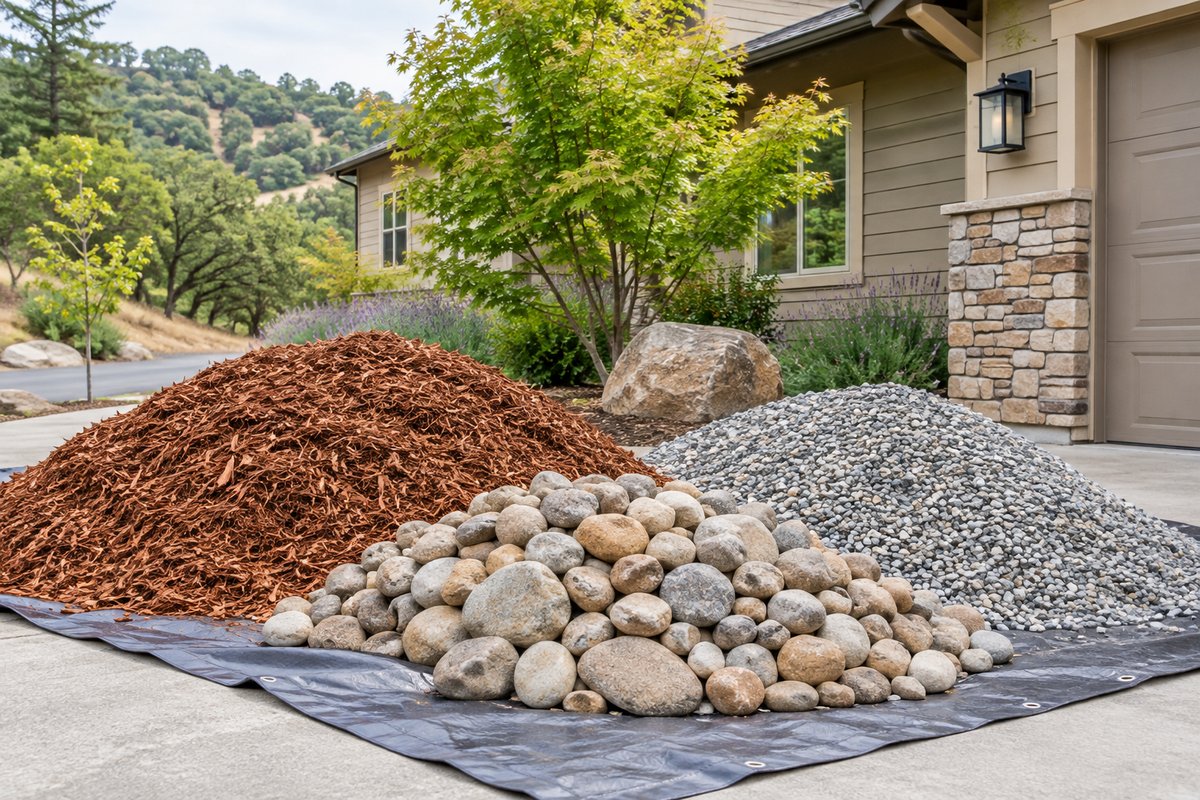
    Determining the right amount of bark, rock, or soil is essential to avoid over- or under-ordering. Measure the area you plan to cover (length x width), then decide on ideal depth in inches. Most materials are sold by the cubic yard—one cubic yard covers about 100 square feet at three inches deep. California Hardscapes will help convert measurements and recommend the best volume for your project type.

    Placement matters, too. Ahead of delivery, clear a spot near the installation zone, with enough room for the truck to unload safely. Materials can be placed on driveways or accessible gravel areas—protect concrete with plywood or tarps beneath bulk drops to avoid scratching or staining from heavy rock or colored mulch.

    Plan deliveries no more than two to three days before installation, especially in wet or windy weather, to keep materials clean, dry, and free of debris. This also ensures your HOA and neighborhood guidelines are met regarding duration and placement of bulk piles.

    Timing Your Project for Success

    Proper timing makes every landscape installation easier. In Gold River, aim to schedule heavy work between late March and early June or mid-September to early November, when soil is workable but not saturated and summer heat is less intense. Always check the local weather forecast a few days ahead for rain, wind, or extreme heat advisories before materials arrive.

    Some projects, like installing pavers or wall block (if featured—substitute: use “hardscape materials” for this section), benefit from cool weather and predictable conditions, while bark and mulch can go in almost any time except after heavy storms. Always stagger deliveries if you have more than one major element—in Gold River, this reduces the risk of wet weather delays or plant stress from sudden exposure.

    Having contractors lined up before materials arrive minimizes downtime and keeps neighborhood disruption to a minimum.

    FAQ: Landscape Materials Delivery in Gold River

    How soon should I schedule utility marking before delivery?

    It’s best to contact 811 for utility marking at least a week before your planned work. This leaves enough time for all utility companies to mark lines and allows you to adjust material drop zones as needed.

    What is the best material to use for fire-wise landscaping?

    Gold River homeowners aiming for fire-wise yards often prefer non-combustible options like decorative gravel, river rock, and boulders instead of wood mulches, especially close to structures. These reduce fuel loads and require little upkeep.

    How do I estimate the right amount of decomposed granite or bark?

    For most bulk materials, multiply your coverage area in square feet by the desired depth (in feet), then divide by 27 to convert to cubic yards. California Hardscapes can also help you estimate and select the best hardscape and landscape materials based on your project goals.

    Key Resources for Gold River Homeowners

    Ready to Get Started?

    With every step planned—permits, HOA, utility location, seasonal timing, and exact materials—your Gold River landscape project will go smoothly. For expert recommendations and convenient landscape and hardscape material delivery in Gold River, Call or text to order today.

    Gold River, CA: see the full guide to gold river, ca, or browse every hardscape & landscape materials option.
    Your project

    Planning a project in Gold River, CA?

    Call or text 916-741-0633, or email sales@californiahardscapes.com with your address, a short description and a few photos, and we will arrange a consultation.
  • A Homeowner’s Planning Guide: Landscape Materials Delivery in Cameron Park

    A Homeowner’s Planning Guide: Landscape Materials Delivery in Cameron Park

    Getting Started: Local Regulations and HOA Approval

    Every landscape or hardscape project in Cameron Park, CA should begin by checking with local authorities. Many neighborhoods have homeowners’ associations, and county or city codes may regulate new patios, walls, outdoor living areas or even the kinds of landscape materials that can be used. Before starting, it’s wise to confirm if your planned project needs a permit or HOA review. HOA approval is often required for visible improvements like retaining walls, front yard patio installations, or new driveways. Permits may be necessary for grading, drainage changes, or structures. Because requirements can change and depend on the project scope, check with the El Dorado County offices. Use the Events and Meetings Calendars—El Dorado County to find workshops or contact numbers for local departments and HOA contacts that can guide your next steps.

    While California Hardscapes delivers the landscape and hardscape materials, site approvals and HOA documents are a homeowner’s responsibility. Some materials may be subject to design guidelines or fire-wise landscaping rules—a key concern in Cameron Park’s climate zone. For example, bark or mulch may be restricted near home structures in some high-fire-risk neighborhoods. Always confirm the allowed materials and setbacks before ordering. Planning permits and HOA paperwork in advance prevents delivery delays and costly redesigns later on.

    If your project includes major grading or drainage, or impacts neighboring properties, additional engineering review may be required. Be prepared to submit diagrams, material lists, or elevation plans as needed. Contact the appropriate office linked above for specifics before ordering materials for your site.

    Call Before You Dig: Utility Safety and Project Prep

    Safe site preparation starts with knowing what is beneath your property. Cameron Park is no exception—utilities including gas, water, telecommunications, and power run underground throughout residential neighborhoods. Before any project involving excavation, trenching, or stake installation, it is essential to call 811 or use the state’s utility marking service. Utility companies will mark buried lines, helping you avoid hazardous and costly accidents.

    This step is important for backyard patios, drainage swales, fence-post holes, or even spreading boulders and decomposed granite where digging may be required for edging. Projects using decomposed granite, base rock or drain rock typically involve some ground disturbance. Flag the delivery site and show contractors where locates have been completed before work begins.

    Plan the delivery location with clear access, avoiding newly marked utility lines. This planning prevents site damage on concrete driveways or paver patios. If your landscape design involves multiple materials, such as mulch and bark for garden beds and decorative gravel for pathways, mark out each drop site to keep materials separate and the job running smoothly.

    Soil, Slope, and Drainage: Planning for Cameron Park Yards

    Cameron Park terrain often includes a mix of hillside lots, rocky soils, and compacted fill. Good planning for new landscape materials means assessing soil conditions, existing slope, and water drainage. Bulk material choices—like topsoil and soil amendments—help gardens thrive on poor native dirt, while river rock or landscape boulders can create natural-styled accents that help stabilize slopes.

    Drainage is crucial in neighborhood yards, especially with steep grades or heavy clay soils common to the region. Adding drain rock beneath flagstone patios or at the base of retaining walls can prevent water from pooling and keep hardscape features stable through the rainy season. If you have erosion-prone slopes, consider combining rock with engineered terraces or erosion-control mulch to keep yards safer and lower maintenance.

    California Hardscapes offers guidance to help you select the right materials for your site conditions. Well-prepared ground, matched with the best bulk materials, means lawns, beds, and patios last longer and require less maintenance. Always plan drainage routes and check with local offices for any additional guidelines on water movement and erosion.

    Choosing the Right Materials for Weather and Fire Safety

    In Cameron Park, the balance of hot, dry summers and cool, wet winters shapes your landscape material choices. Fire-wise landscaping is especially important; in many neighborhoods, non-combustible materials such as decorative rock, river rock and cobble, boulders, and decomposed granite are recommended for defensible spaces and border plantings. These materials help protect your home while emphasizing a low-water, low-maintenance design.

    Mulch and bark may be appropriate away from house foundations to nourish soil and control weeds. For raised beds or gardens, topsoil and soil amendments support healthy plant growth. Hot summers also favor paths and patios constructed from hardscape materials—like pavers, wall block, or flagstone—for durable, heat-resistant surfaces.

    When planning material delivery from California Hardscapes, factor in winter weather. Rain can saturate soil and soften driveways, so plan ahead if you need to protect surfaces during drop-off. Cover sensitive areas or coordinate with the contractors to use the right materials at the right time of year for the longest life and best effect.

    Project Timing: Planning Around Cameron Park’s Seasons

    The Mediterranean climate of Cameron Park means spring and fall are prime times for landscape and hardscape installs. Soil moisture is ideal for planting and material placement, and the summer sun has not yet baked the ground. Scheduling bark delivery during late winter or early spring gives mulch a head start before heat arrives, while base rock and paver installations can be completed before peak temperatures.

    Summer projects benefit from early starts before high temperatures slow work and stress new plants. If winter is expected to be particularly rainy, focus on tasks like decomposed granite paths or rock garden features that won’t be impacted by soft soil. Always allow for a few days’ flexibility; storms or unexpected weather may delay material delivery by licensed, bonded and insured contractors who complete the installations.

    For large projects or deliveries to less accessible yards, coordinate not only with contractors but also reference the county events calendar for scheduled road work or neighborhood activities. This avoids congestion and helps you select the best delivery window.

    How Much Material to Order: Measuring and Estimating

    Ordering the right quantity of bulk landscape materials saves time and money while reducing waste. Landscape materials are delivered by the cubic yard, with coverage depending on type and application depth. For example, one cubic yard of bark or mulch generally covers about 100 square feet at three inches deep. Decorative gravel, rock, or decomposed granite varies in coverage based on size and installation thickness.

    Measure your project area carefully, calculating square and cubic footage for beds, paths, or patios. Include extra for sloped or irregular areas, and account for compaction if laying base rock or soil amendments. California Hardscapes helps customers estimate amounts based on your drawings or dimensions. Use their online guides or request help by sharing your needs and site details.

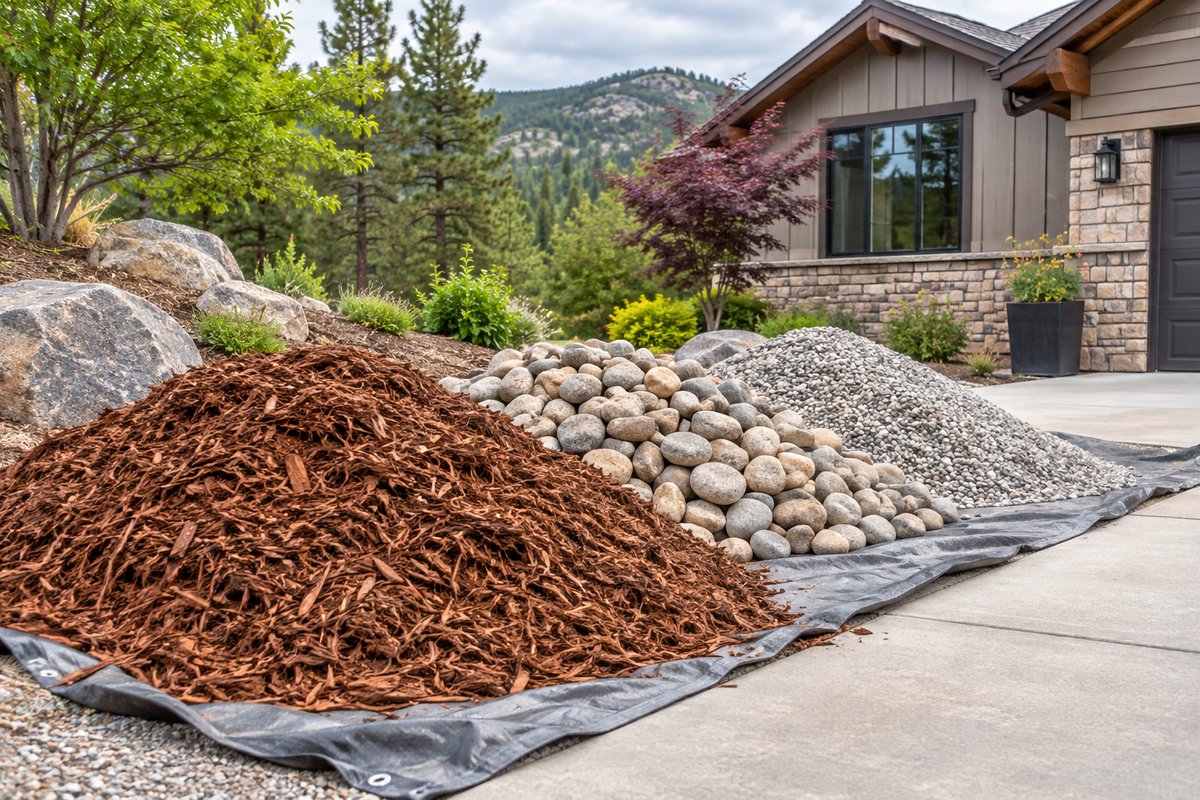
    Before delivery, plan designated drop sites that will not block driveways or neighboring properties. Clear debris and mark out separate areas if you’re receiving more than one type of material, such as landscape boulders plus topsoil. Protect existing hardscape by laying tarps or boards where possible.

    Coordinating Delivery and Protecting Your Property

    Landscape material suppliers like California Hardscapes deliver bulk rock, mulch, sand, and more directly to your hillside lot, driveway, or job site. Drop locations should be level, accessible to large vehicles, and able to support weight without damaging pavement, pavers, or landscaping. If you’re concerned about surface damage, discuss options with your contractor and prepare with plywood sheets or mats where needed.

    Drivers cannot unload on public streets without clearance; ensure all vehicles can enter and exit safely. Avoid placing bulk materials where rainwater runoff may carry them away or where they will impede emergency access. Consider the project’s full timeline: some materials need to be used within a certain period, especially topsoil or soil amendments, while others such as boulders or river rock can remain safely staged on-site.

    To streamline the process, coordinate between material delivery and professional installation by licensed, bonded and insured contractors. Set realistic expectations and communicate scheduling needs, especially during busy landscaping months in Cameron Park.

    FAQ: Landscape Materials Planning in Cameron Park

    Do I need a permit or HOA approval for landscape materials delivery?

    Most material deliveries themselves don’t require permits, but new installations such as patios, retaining walls, or grade changes may. Check with El Dorado County offices or your HOA to learn the specifics for your neighborhood. The county events calendar provides links to departments where you can ask about your project type.

    What’s the best way to estimate how much material I need?

    Calculate the area to be covered in square feet, then determine the desired depth. Use online guides, or contact California Hardscapes with your measurements for support. Different materials—such as bark or mulch and boulders—require different coverage calculations.

    Who completes the installation after materials are delivered?

    Installations for hardscape and landscape materials are done by licensed, bonded and insured contractors. California Hardscapes supplies and delivers the products, helping you match materials to your needs and local requirements.

    Ready to Start? Plan Your Project with Expert Support

    Laying the groundwork for a successful Cameron Park yard or landscape project starts with practical planning—permits, schedules, soil prep, and material selection. Choosing a supplier with deep local expertise helps ensure you get the right hardscape and landscape materials from the start. Led by Marty, who brings over 30 years’ experience in concrete and construction, California Hardscapes delivers bulk materials and guidance to every Cameron Park project.

    For expert help with estimating, material selection, or scheduling landscape materials delivery, Call or text to order.

    Cameron Park, CA: see the full guide to cameron park, ca, or browse every hardscape & landscape materials option.
    Your project

    Planning a project in Cameron Park, CA?

    Call or text 916-741-0633, or email sales@californiahardscapes.com with your address, a short description and a few photos, and we will arrange a consultation.
  • Planning Your Landscape Materials Delivery in Sheridan, CA: A Homeowner’s Guide

    Planning Your Landscape Materials Delivery in Sheridan, CA: A Homeowner’s Guide

    Understanding Permits and HOA Approval for Landscape Projects

    Before organizing a landscape materials delivery in Sheridan, CA, it’s important to assess whether your project needs city permits or approval from your Homeowners Association (HOA). Structural installations like patios, retaining walls, or significant changes in drainage may trigger municipal review. If you are part of an HOA, decorative elements—including certain colors or materials—can also be subject to association rules. Always consult your local office or HOA guidelines before investing in bulk landscape materials, especially for visible hardscape features.

    Material choices can also be influenced by local regulations. For instance, some neighborhoods in the Sheridan area might encourage fire-wise landscaping using gravel instead of bark near structures, or restrict wall heights. Getting approval beforehand helps avoid delays and costly rework when scheduling landscape delivery or installation. The team at California Hardscapes provides guidance on matching materials to your project needs, while licensed, bonded, and insured contractors handle construction and installation according to all applicable codes and requirements.

    For all permitting or compliance questions, requirements can vary widely by neighborhood and project type. Be proactive by reviewing municipal planning resources or reaching out for clarification well ahead of your scheduled delivery date. This will ensure you can move forward smoothly and confidently when your materials arrive.

    Call Before You Dig: Utility Marking and Safe Site Preparation

    One essential step before starting any landscaping project involving digging is calling to have underground utilities marked. In Sheridan, CA, every homeowner should contact 811 at least a few days before excavation or even moving soil for a new garden bed or flagstone path. Marking services help identify water, gas, power, and telecom lines, protecting you and workers from accidental hazards.

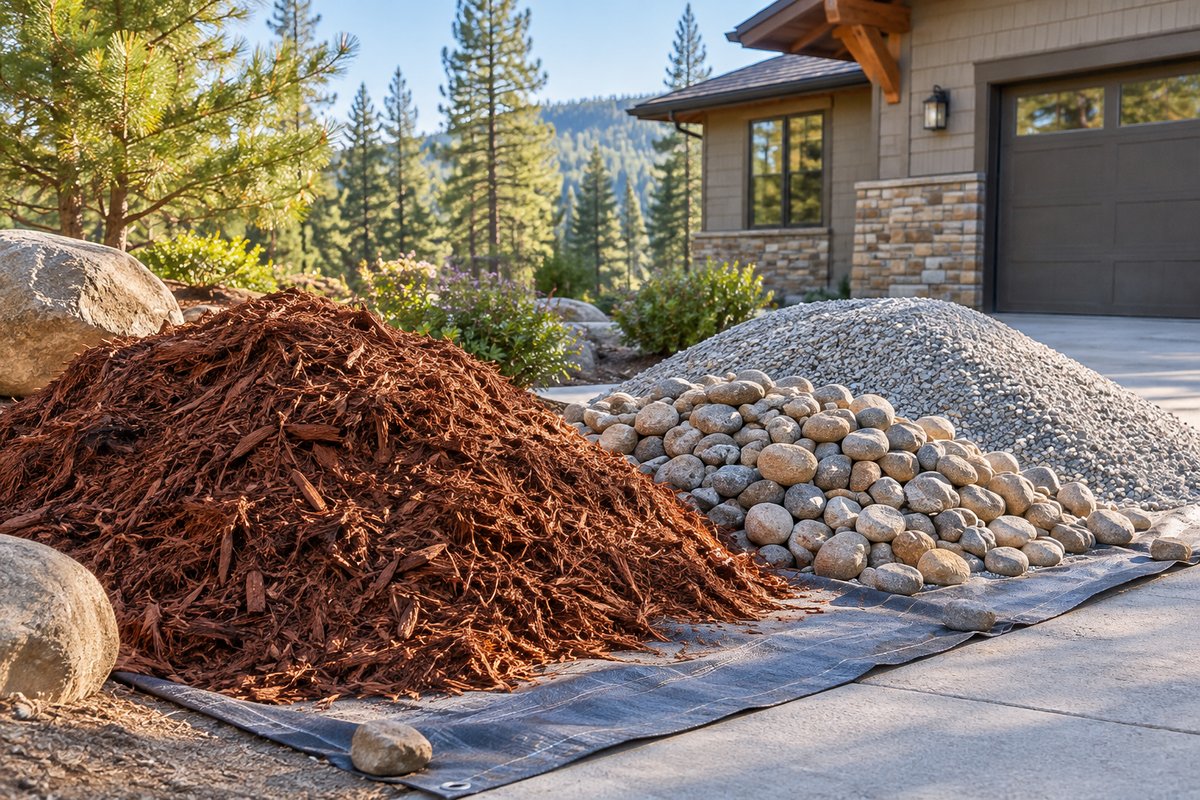
    Planning for safe delivery starts with knowing where materials such as mulch and bark, decorative gravel and rock, or base and drain rock can be dropped onsite. Identify clear, level spots that will not obstruct utility access, driveways, or existing landscaping that you wish to preserve. Before delivery, discuss surface protection options—such as plywood for driveways—with your contractor to prevent rutting or staining when materials are unloaded in bulk form.

    Advance utility marking isn’t just a matter of safety; it also prevents costly delays and project setbacks. Taking care to prepare your site will help ensure every cubic yard of soil, topsoil, or river rock and cobble arrives exactly where you need it, ready for your planned improvements.

    Soil Quality and Choosing the Right Base for Your Property

    Sheridan, CA has a range of soil conditions, from heavier clay to fast-draining sandy soils. Proper landscaping starts with understanding what type of soil you have and how it affects water movement, plant health, and hardscape durability. If your yard lacks organic content or structure, start with quality topsoil and soil amendments to build a robust planting bed. For hardscapes, consider layers of base and drain rock or decomposed granite for stable, permeable support beneath patios, pavers, or driveways.

    Yards with notable slope or patchy subsoil may need additional grading or specific base rock blends to ensure stability and prevent settling. Consulting with a contractor who knows Sheridan’s soils can help you select materials that balance drainage with compaction, promoting long-term success for any installation. A professionally-prepared base is key for everything from decorative boulders to flagstone walkways, resisting shifting from seasonal weather or use.

    Ask about cubic yard and square footage coverage when ordering bulk landscape materials. The experienced advisors at California Hardscapes can assist with quantity estimation, minimizing waste while ensuring you have enough to finish the job correctly.

    Landscaping for Slope and Proper Drainage

    Managing slope is an essential factor in Sheridan landscaping. Sloped lots require particular attention to drainage, both to prevent erosion and to guide rainwater safely away from structures. Installing materials such as decomposed granite or landscape boulders allows you to terrace hillsides, slow water runoff, and create visually compelling outdoor environments.

    Designing swales or French drains with the right drain rock helps channel water during heavy rains, protecting plantings and hardscapes from washouts. Even flat properties benefit from adding mulch or bark to suppress weeds, retain moisture, and add a neat, finished look to garden beds. Materials should be selected based on how they interact with underlying grades and anticipated weather extremes.

    For substantial slope or complex grading, always consult qualified contractors familiar with regional soils and rain patterns. This helps ensure that any walls or terraces you install are durable and code-compliant, while your choice of landscape materials suits the natural drainage patterns of Sheridan.

    Selecting Fire-Wise and Climate-Resilient Materials

    Sheridan’s Mediterranean climate brings hot, dry summers and moderate, often stormy, winters. Homeowners must consider both fire safety and water management when selecting landscape materials. Non-combustible options like decorative rock and gravel, river rock and cobble, and boulders are ideal for defensible space zones near structures, reducing fire spread risk and lowering maintenance needs during dry spells.

    Naturally, there’s a balance—organic mulches help retain moisture but can become fuel in a wildfire-prone area. Many Sheridan residents combine bark or mulch in garden beds further from homes with mineral-based cover near buildings. Using base rock in parking strips or under eaves is both practical and landscape architect-approved for fire-aware design. Licensed contractors can advise on current best practices for defensible landscape design while helping you select materials delivered in the right quantities for each part of your property.

    Consulting resources for regional fire safety planning is key. With California Hardscapes, you can source bulk materials chosen for both year-round appearance and practical fire-smart landscaping.

    Timing Your Project around Sheridan’s Weather

    Project timing is critical for efficient landscape materials delivery. In Sheridan, dry late spring, summer, and early fall offer the most flexible windows for installation—this is when materials like decomposed granite and pavers can be worked and compacted without weather interruptions. Heavy equipment and bulk material drops may leave marks on saturated winter soils, so prepare in advance by laying down protective boards or planning deliveries for improved driveways.

    Winter rains can also complicate both delivery and installation, especially on sloped sites or yards with sensitive plants. Schedule delivery on a stable, accessible surface, and avoid working with soil-based products—such as topsoil—immediately after heavy storms. In the summer, consider earlier morning drops to avoid heat stress for workers and plants, ensuring fresh mulch or rock can be installed without delay.

    When planning a delivery with California Hardscapes, discuss your timeline and consider short-term weather forecasts. Their advisors can help you get the most out of every delivery, minimizing downtime no matter the season.

    Estimating Quantity and Coverage for Bulk Materials

    Accurate measurement is vital to get the most from landscape materials delivery in Sheridan. Materials like mulch, gravel, and topsoil are typically ordered in cubic yards, with coverage varying by depth and type. For example, ground cover mulch might be applied at two inches for weed suppression, while decorative gravel paths are best at three inches. Using online calculators or consulting an expert helps avoid ordering too little or managing large surpluses of leftover material.

    Measure each area of your project separately and discuss cubic yardage with your contractor or supplier. Licensed, bonded, and insured professionals can help tailor estimates to local yard conditions—such as accounting for soil compaction or the volume of boulders needed for visual impact. Factor in extra coverage for sloped areas, which generally require more material to achieve even depth.

    Careful planning with California Hardscapes helps ensure that each delivery—whether it’s bark, decorative rock, or boulders—matches your project scope and site conditions, so you get both efficiency and the best visual results.

    FAQ: Landscape Materials Delivery in Sheridan, CA

    How much mulch, gravel, or topsoil should I order for my yard?

    The quantity depends on the area and desired depth. Mulch and topsoil are commonly installed at 2–4 inches, while gravel or DG for pathways may require 3 inches or more. Measure your project area and consult with California Hardscapes for order recommendations specific to your Sheridan property.

    Can bulk materials be delivered on a sloped driveway?

    Deliveries can usually be made onto level areas of driveways or yards; for steep slopes, alternative drop locations nearby may be safer. Place plywood or boards for surface protection. Licensed contractors can help determine the best drop site based on material type and accessibility.

    What should I do to prepare for delivery day?

    Mark the drop site clearly, move any vehicles or obstructions, and ensure access is available. Call 811 well in advance to mark underground utilities if digging is part of your project. Cover sensitive surfaces and discuss load placement with the contractor to avoid damage to driveways or existing landscaping.

    Ready to make your vision a reality? Call or text to order your landscape materials in Sheridan, CA and get expert advice on quantities, delivery, and material selection with California Hardscapes, led by Marty, a long-time expert in concrete and construction.

    Sheridan, CA: see the full guide to sheridan, ca, or browse every hardscape & landscape materials option.
    Your project

    Planning a project in Sheridan, CA?

    Call or text 916-741-0633, or email sales@californiahardscapes.com with your address, a short description and a few photos, and we will arrange a consultation.
  • Meadow Vista Homeowner’s Guide to Landscape Materials Delivery & Project Planning

    Meadow Vista Homeowner’s Guide to Landscape Materials Delivery & Project Planning

    Start with Permits and HOA Approvals

    Before breaking ground on any significant hardscape or landscape project, Meadow Vista homeowners need to determine what local permits and approvals are required. Projects that alter grading, add structures, or install retaining walls may be subject to Placer County regulations. If you belong to a Homeowners Association (HOA), review your community’s architectural guidelines and submit plans for approval prior to scheduling delivery of landscape materials. Every property has unique requirements, so check with your local building office linked via California Hardscapes for the most current rules. Be prepared to provide details about slopes, drainage, and material types for your project – this information will help ensure compliance and avoid delays.

    Hardscape features such as patios, walkways, or low retaining walls often require careful planning to meet safety standards and local codes. For more complex additions, engineering review may be project-dependent, so always confirm your scope before ordering bulk materials. As each approval process has its own timetable, begin this step early in your planning to keep your project on schedule.

    Prompt communication with your municipality and HOA helps avoid costly surprises once your materials arrive. While California Hardscapes delivers a full range of bulk landscaping products, only licensed, bonded, and insured contractors should handle build or install work where regulations apply.

    Call Before You Dig: Utility Locating and Marking

    Any project that involves digging – even as little as six inches for edging, planting, or boulder placement – requires calling 811 before you start. Underground utilities can run close to the surface, especially in older Meadow Vista neighborhoods. Whether you’re spreading mulch and bark or installing landscape boulders, knowing the layout of water, gas, and electrical lines is essential to preventing accidents and costly repairs.

    After you call 811, professional locators will mark the location of buried services with paint or flags. Allow several days for marking before you schedule your delivery of bulk landscape materials. Planning ahead reduces project downtime and helps you decide where the load can be safely dropped without interfering with marked lines or future access needs.

    Always adapt your project design to respect the identified utility zones. If in doubt, consult a contractor or landscape designer for advice on safe placement. For more information on weather that may affect timing, check the National Weather Service Meadow Vista Forecast to avoid digging during poor ground conditions.

    Know Your Meadow Vista Soils and Drainage

    Soil conditions and drainage patterns are key to lasting landscape results in Meadow Vista. Local soils can vary from sandy loams to well-packed clays, affecting which topsoil and soil amendments are best suited for lawn, garden, or planter bed projects. To improve drainage or create a firm base for patios and pavers, many homeowners use base rock and drain rock beneath surface materials.

    Erosion is a concern where slopes are present, especially after heavy rain. Mulch and bark aren’t just decorative: they help regulate soil moisture, suppress weeds, and shield exposed ground from downpours. For areas with runoff, river rock and cobble are often used to create dry creek beds or swales that channel water safely away from structures.

    Plan for each area’s unique drainage needs. If you’re renovating a hillside garden or adding raised beds, consider how changes will direct water flow around your home. Consulting soil maps or a landscape professional can help optimize your material selection and site prep for Meadow Vista’s varied terrain.

    Assess Slope and Material Choices

    Meadow Vista properties often feature sloping lots that require specific landscaping strategies. Gravity, runoff, and soil composition impact which materials should be delivered and how they are installed. For retaining steep banks, wall block and decomposed granite can help stabilize soil and create usable, level terraces.

    In erosion-prone areas, bark mulch and groundcovers slow water movement and protect exposed soils. Landscape boulders can also be used for both structural and aesthetic purposes, anchoring slopes or creating natural focal points. When considering what type of rock, mulch or structural material to order, look at both fire resistance and maintenance needs so your choices stay practical season to season.

    If you’re dealing with particularly challenging slopes or drainage, working with licensed, bonded and insured contractors helps ensure the right design and installation for long-term performance. Every cubic yard of soil or rock delivered needs to be placed intentionally for stability, and ordering the correct quantities prevents extra stockpiles or shortages that can complicate workflow.

    Planning for Meadow Vista’s Summer Heat and Winter Rain

    The climate in Meadow Vista brings hot, dry summers and periods of intense winter rain. Both seasons put unique demands on landscaping and hardscape installations. To protect plantings and create comfortable outdoor spaces, many homeowners choose mulch and bark for water retention and sun protection. Bulk mulch also keeps soil structures intact during heavy rainfall, reducing erosion risk.

    For pathways, patios, and driveways, decomposed granite, decorative gravel and rock, and pavers provide stable, permeable solutions that stand up to temperature swings and prevent muddy conditions. When planning a delivery, it’s important to consider the week’s forecast so materials can be installed and settled before major rain. This prevents washout and compaction issues.

    Check the current Meadow Vista weather forecast as you schedule your project. Avoid taking deliveries on rainy days, and allow hardscape installations at least one dry spell to cure or settle properly. Seasonal cues will help you make the most of your material investment.

    Estimating Quantities and Timing Your Delivery

    Ordering the right amount of material is key to a smooth landscape installation. Most products such as topsoil, mulch, gravel, and drain rock are sold by the cubic yard. To estimate how much you’ll need, calculate the area (length x width) in square feet and decide on your desired depth, then use coverage rates provided by your supplier. If creating a new hardscape, account for compacted base rock and finished material in your measurements.

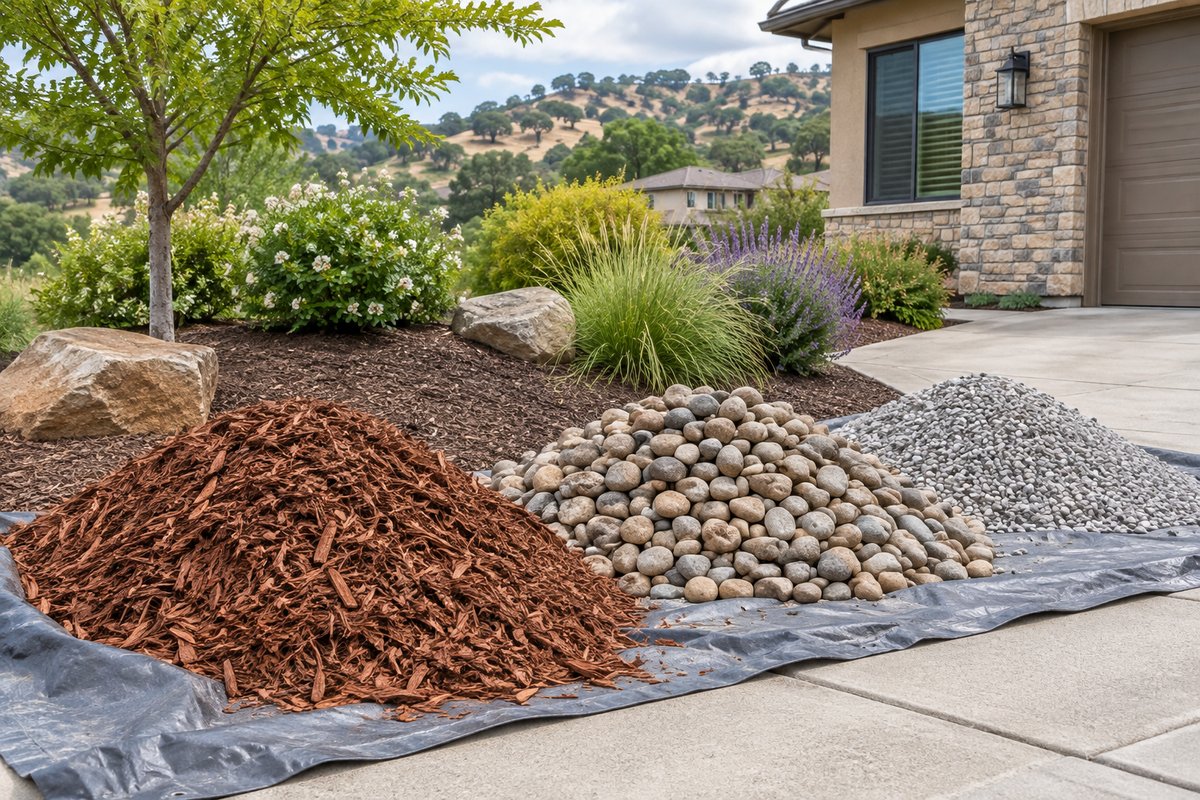
    Schedule your delivery for early in your project – a weekend for small jobs or at the start of a contractor’s work window. Make sure the drop site is accessible and marked in advance. Protect driveways or paved surfaces with plywood or tarps to prevent marking from bulk loads.

    If you’re unsure about quantities or which material type best fits your needs, contact California Hardscapes for delivery guidance. Marty, who leads the company and brings decades of concrete and material expertise, ensures that each job is supplied by licensed, bonded, and insured contractors who can help assess site-specific needs.

    Landscape Materials for Fire Safety and Curb Appeal

    Fire-wise landscaping is top-of-mind in Meadow Vista, where summer droughts are common. Material choices can help protect your property and enhance its appearance. Non-combustible options such as decorative rock, decomposed granite, and river rock create attractive, durable firebreaks near foundations, patios, and fences.

    Where planting beds or lawns are desired, use bark mulch with a minimum of 18″ clearance from structures, and keep fine mulch away from decks or wood siding. Consider grouping landscape boulders as part of a defensible space design.

    Consult recommendations specific to your parcel and neighborhood for best results. Your material order can be customized for color, size, and type to match both safety needs and curb appeal goals. Meadow Vista’s diverse terrain lends itself to creative, functional landscape solutions.

    Frequently Asked Questions

    How do I know where my landscape materials can be delivered?

    Identify a clearly marked, accessible delivery spot on your property, ideally near the installation area. Protect paved surfaces and keep pathways clear for wheelbarrows or equipment. Avoid locating material piles over utility markings or within HOA-restricted zones.

    What should I do if I’m not sure what material is right for my project?

    Review your specific needs and site conditions first. For guidance, explore the resources on hardscape and landscape materials or speak with your installer. Each project may require a different material or combination for best results.

    Is there a best time of year to schedule bulk deliveries in Meadow Vista?

    Optimal timing depends on your project’s type and the weather. Many homeowners plan deliveries in the spring or fall when temperatures are moderate and ground conditions ideal. Always check local weather forecasts before finalizing your schedule.

    Ready to start your Meadow Vista landscape project? Call or text to order or get material recommendations that fit your property, project scale, and timing needs.

    Meadow Vista, CA: see the full guide to meadow vista, ca, or browse every hardscape & landscape materials option.
    Your project

    Planning a project in Meadow Vista, CA?

    Call or text 916-741-0633, or email sales@californiahardscapes.com with your address, a short description and a few photos, and we will arrange a consultation.
  • Planning Your Folsom Landscape Project: A Practical Guide

    Planning Your Folsom Landscape Project: A Practical Guide

    Planning Your Folsom Landscape Materials Delivery

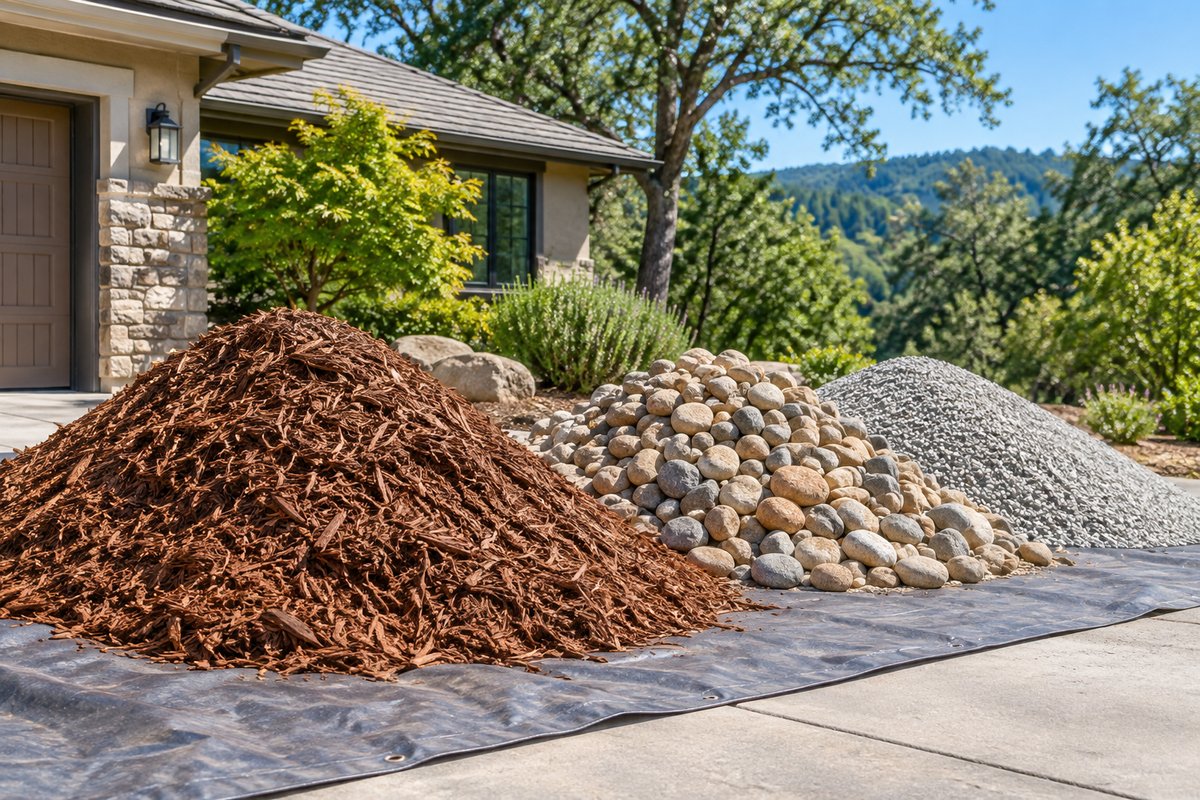
    Ready to refresh your yard or tackle a full outdoor renovation in Folsom? Before you schedule your landscape materials delivery, careful planning is key. Folsom’s local conditions, city regulations, and unique home sites all affect how your project moves forward. From permit research and utility marking to understanding slope and choosing the right rock, soil, or mulch, here’s a practical guide for homeowners, landscapers, and contractors. Discover how California Hardscapes supports the project with bulk delivery of top-quality bark, mulch, rock, soil, pavers, and more, and find trusted local resources to help at every step.

    Permits and HOA Approval for Landscape Projects

    Many projects in Folsom—like retaining walls, patios, pathways, driveways, fencing, or drainage systems—must comply with city requirements or even require a permit. Homeowners associations (HOAs) often have their own rules on hardscape features, plant choices, and visible rock or bark. Before ordering materials like hardscape and landscape materials, check your community’s guidelines and consult with the city’s ePermit Center for clear permit pathways. Not every decorative rock, landscape boulder, or wall block installation triggers city oversight, but plan review, engineering, or fee payment may apply to some modifications.

    It’s smart to gather guidelines and approvals early; confirm whether your HOA requires a formal submittal for material types (like specific decorative gravel and rock) or structures. If in doubt, the city resource linked above helps clarify which projects need a permit or plan review. This organizational step may extend timelines, but it avoids expensive workarounds later.

    Keep documentation readily accessible as you estimate quantities or order deliveries. Scheduling professional installation? Only use licensed, bonded and insured contractors—California Hardscapes manages deliveries to job sites or homes for maximum convenience.

    Call Before You Dig – Utility Marking in Folsom

    Before shovel or auger hits the soil, always check for underground utilities. Markouts protect safety and prevent interruption of power, water, data, and gas. Many landscape projects—such as laying decomposed granite walkways, placing landscape boulders, or adding irrigation—require deeper excavation than you might expect.

    Calling 811 several days before your planned excavation starts a free on-site marking service for buried lines. Wait until all markings are complete before any trenching, grading, or setting base rock. Be especially careful if your materials delivery involves heavy equipment or large boulder sets—marked areas must remain undisturbed until utilities are confirmed.

    If your delivery includes drain rock for French drains or dry creek beds, double check utility paths and flag them on your site plan. This small step can prevent significant, costly hazards.

    Choosing Materials for Folsom’s Soil, Slope, and Drainage

    Every Folsom yard comes with its own soil type, existing slopes, and unique water flow during winter rain. Material choice matters for longevity and performance. If your property includes steep grades, consider wall block for retaining support, or mulch and bark to help control erosion and retain moisture on banks. Decomposed granite handles paths and patios well on gently sloped sites, but may require a compacted sub-base to keep it stable.

    For properties with heavy clay soil or poor drainage, topsoil and soil amendments can turn challenging dirt into a lush planting base. Installing decorative rock or river rock and cobble in mulch beds or drainage channels can guide rainwater runoff and protect your landscape from erosion. Always walk the property after heavy rain to identify puddling, flow routes, or sensitive spots in advance.

    A tip: Estimate the grade and water flow before delivery. This helps California Hardscapes recommend materials that suit your specific site, quantity needed, and placement that avoids future drainage or settling issues.

    Weather Considerations: Summer Heat and Winter Rain

    Folsom’s climate has intense summer heatwaves and sporadic heavy winter rain. Mulch and bark are especially effective in beds to retain soil moisture, regulate temperatures, and insulate plant roots from extreme fluctuations. For open areas, gravel delivery can suppress weeds, reduce dust, and make future cleanup simple after stormy spells.

    During the rainy season, consider how quickly decomposed granite or newly delivered topsoil will drain and set. Some projects—particularly those using base rock and drain rock—should be postponed after saturated weather to avoid compaction or ruts. Warm-season installs allow bark, rock, or boulders to settle naturally before rainfall arrives.

    Material choice can also affect fire-wise landscaping. Coverage with decorative gravel or larger rock (instead of continuous bark) can add a buffer near structures. When in doubt, ask for practical guidance on which materials perform best in Folsom’s extremes.

    Estimating Material Quantities and Scheduling Delivery

    Accurately measuring your project space helps avoid wasted material or costly shortage. Bulk materials such as mulch, gravel, decomposed granite, and base rock are typically measured and priced by cubic yard. Sketch out site dimensions and calculate the area to cover—be sure to account for recommended material depth, which differs for bark, topsoil, and gravel. California Hardscapes helps estimate the volume you’ll need for your particular yard and use.

    Plan for delivery positioning. Decide if you want materials dropped in your driveway, along the curb, or directly in the backyard—each location has access and protection considerations. Protect surfaces where heavy loads will be dropped, as material weight and sharp rock edges can mar concrete or pavers.

    For jobs covering slopes, check whether staged delivery makes sense, especially for larger projects with pavers or landscape boulders. Schedule your delivery to coincide with labor availability, local weather, and permit or HOA approval windows, to keep the project moving smoothly.

    Site Prep and Driveway Protection Tips

    Advance preparation sets your delivery up for success. Mark property corners, bed outlines, and designate a clear drop zone that doesn’t block driveways or access for vehicles and emergency services. For heavy loads—such as base rock, cobble, or boulders—use plywood or thick boards to shield your driveway or walkways from impact marks.

    If your site requires heavy equipment for moving bulk materials, plan a staging path and take care to avoid sprinkler heads or existing landscaping. Level uneven ground, and clear low branches or obstacles the day before your scheduled drop. The smoother the approach and landing zone, the safer and more efficient the offload.

    Sweep up loose debris and inspect your driveway once the order arrives. A little forethought on site protection goes a long way in keeping your property looking its best during and after landscape updates.

    Local Resources for a Smoother Project

    • City of Folsom ePermit Center: For permit questions, online plan review, inspection scheduling, and local project guidelines, visit the ePermit Center.
    • Hardscape & Landscape Materials: Browse selection and material details through this resource to decide what suits your plan best, whether you need mulch, rock, gravel, or specialty soil.

    Carefully selected and delivered materials can simplify your planning process. Work with licensed, bonded, and insured contractors for complex installations or site work.

    Folsom Landscape Project FAQ

    How do I decide which material suits my slope and soil?

    Assess your site’s grade, check for erosion risks, and consider soil drainage. Mulch and bark work well on gentle to moderate slopes. Decorative rock and cobble help with erosion or in dry creek beds. Steep slopes often need wall block or engineered solutions—check with the office linked above for permit or design requirements.

    How much landscape material should I order?

    Measure the area and multiply by the recommended depth for your chosen product. Estimates are typically in cubic yards. California Hardscapes helps you determine the right bulk quantity based on your unique yard and material type, ensuring full coverage without unnecessary over- or under-ordering.

    Can California Hardscapes deliver directly to my installation site?

    Yes, California Hardscapes can deliver bulk materials to homes or job sites in Folsom. Designate a suitable, accessible drop spot, protect driveways as needed, and arrange any HOA or permit approvals before the delivery date.

    Your Next Steps Toward a Beautiful Folsom Landscape

    From project research to permit guidance and soil prep, smart planning helps your Folsom landscape project succeed from the start. California Hardscapes delivers bark, mulch, rock, gravel, cobble, decomposed granite, boulders, and more throughout your community, helping you make the right choices for local soils, climate, and neighborhood approvals.

    Folsom, CA: see the full guide to folsom, ca, or browse every hardscape & landscape materials option.
    Your project

    Planning a project in Folsom, CA?

    Call or text 916-741-0633, or email sales@californiahardscapes.com with your address, a short description and a few photos, and we will arrange a consultation.
  • A Planning Guide for Landscape Materials in Granite Bay, CA

    A Planning Guide for Landscape Materials in Granite Bay, CA

    Getting Started: Planning for Landscape Materials in Granite Bay

    Transforming your Granite Bay property with new landscape or hardscape features starts with thorough planning. Whether you’re refreshing garden beds with bark, building walkways with pavers, or incorporating decorative gravel, successful projects start with understanding local requirements and conditions. California Hardscapes delivers a range of hardscape and landscape materials directly to homes and job sites throughout the area, making it easier to source everything you need in bulk for do-it-yourself or contractor-led projects.

    It’s essential to clarify your vision and identify the materials that best address your property’s needs. Different Granite Bay yards face challenges like clay soil, variable slopes, or the need for decorative or functional enhancements like mulch for weed control or boulders for erosion management. Early decision-making about materials ensures your project runs efficiently once work begins.

    One critical early step is to review any local regulations or homeowners association (HOA) rules that may apply to your improvements. Permits or HOA approvals might be required for projects such as retaining walls, patio pavers, or significant grading work. Requirements vary widely between neighborhoods, so check with your HOA or the Granite Bay office referenced on the material provider’s website before purchasing or beginning work.

    Understanding Permits, HOA Approval, and Regulations

    For many landscape projects in Granite Bay, particularly those involving major hardscape installations—like patios, retaining walls, or extensive grading—permits may be required by the county or city. Always confirm rules with your HOA if your neighborhood has one, as modifications to front yards, fences, and hardscapes often need written approval. Most permit applications require a site plan and material outline, so knowing which products you intend to use from the beginning is helpful.

    Minor upgrades, such as spreading mulch or adding decorative rock, rarely need official permits, but projects affecting water flow or slope stability may. Since obtaining permits or waiting on HOA review can delay your schedule, start this process early. California Hardscapes recommends consulting the office linked above or your HOA board to clarify the need for approvals before placing an order for bulk delivery.

    Keep in mind that when using products like base rock and drain rock for drainage or foundational work, extra attention to local codes is warranted. Requirements for french drains, retaining walls, or grading can be specific; assess whether soil engineering or drainage design is needed for your Granite Bay lot.

    Safe Digging: Utility Marking and Site Prep

    Before moving dirt, digging trenches, or installing new features, always ‘call before you dig.’ Granite Bay properties often contain underground utility lines for power, internet, water, or gas. Protecting these lines is not just about safety—it is a regulatory requirement. Request free utility location marking through the service referenced by your utility provider; this simple step prevents costly and dangerous accidents.

    Prepping your site for delivery is just as important. Map out where you want bulk loads placed. Communicate with the delivery provider about clear access, surface protections such as plywood over paved driveways, and any slope concerns. Bulk materials like mulch and bark, river rock and cobble, and boulders are much easier to move the closer they are dropped to the installation area. Plan in advance to maximize safety and minimize hauling effort.

    Protect adjacent structures and garages, especially if using wheelbarrows for distribution. Be mindful of local weather forecast when scheduling both your dig and your delivery, to avoid delays caused by rain or excessive heat that may soften driveway surfaces or make labor hazardous.

    Granite Bay Soils, Slopes, and Drainage Techniques

    Granite Bay is known for varied topography, with slopes and mixed soils common throughout the area. Recognizing underlying soil types on your property is crucial for choosing materials and planning installations that will last. Heavy clay soils, for example, are common and benefit from the addition of topsoil and soil amendments to improve drainage and support healthy plant growth.

    Addressing slopes requires particular attention to both soil stability and drainage. For steep yards or areas prone to erosion, products such as landscape boulders, decomposed granite, or drain rock can reinforce embankments and direct water flow safely away from foundations. Lining slopes with bark mulch also helps trap moisture and prevents rapid runoff during winter rains.

    If your project includes retaining walls or extensive grading, proper drainage systems are essential to avoid water pooling and future damage. Discuss options with your contractor for underlayment, compaction techniques, and which aggregate materials will work best for your yard’s unique needs.

    Choosing Materials for Granite Bay: Function and Style

    A successful result depends on matching materials to both the aesthetic goals and the functional demands of your site. For moisture retention and weed suppression, mulch and bark blends deliver impressive curb appeal and practical benefits. If you aim to enhance drought tolerance and fire safety, opt for non-combustible options like decorative gravel and rock and river rock around perimeter beds.

    Paths, patios, and high-impact zones call for durable choices. Decomposed granite makes for low-maintenance walkways that remain cool underfoot, while materials like pavers, wall block, and boulders define outdoor living spaces. For underlayments beneath paving or as base for artificial turf, base rock offers stability and proper drainage—both critical in Granite Bay’s varied weather.

    For lawns and garden beds, upgrade root zones with high-quality topsoil and soil amendments. California Hardscapes guides customers to select blends tailored to specific plantings, improving both short-term planting success and long-term landscape health.

    Adapting to Granite Bay’s Weather: Summer Heat and Winter Rain

    Granite Bay’s Mediterranean climate brings long, hot summers and wet winters. Plan your schedule and material choices accordingly. In summer, materials like bark and mulch minimize water loss and keep soils cooler—key for plant vitality and lower irrigation needs. For heavy foot traffic or high-use areas, decomposed granite resists heat and compaction issues that often occur with lighter gravels during peak sun.

    Winter storms test both drainage systems and slope stability. Before first rains, double-check that drain rock and other permeable materials are correctly installed to carry water off site. Use non-slip aggregates in areas that can become slick in wet conditions, particularly on paths or driveways.

    Ordering ahead of expected weather swings ensures material availability and gives ample time for soil amendments to incorporate before planting. Keep in mind that delivery delays are always possible in wet weather, so plan material drop-off accordingly and cover bulk materials with tarps if they’ll sit for several days.

    How Much to Order: Calculating Volume and Managing Delivery

    Accurately estimating the amount of each landscape material you need will save time, money, and effort. Most bulk materials—mulch, bark, compost, or aggregate—are sold by the cubic yard. For reference: one cubic yard covers about 100 square feet at a 3-inch depth, which is typical for mulch or gravel.

    Walk your project area and measure length and width to calculate square footage, then decide on your required material depth. If you’re unsure how to convert these numbers or what blend is right for your yard, California Hardscapes can help guide homeowners, landscapers, and contractors in Granite Bay to make the best selection. Each product, from river rock to topsoil, has a suggested coverage depth that factors into volume calculations.

    Prior to delivery, clear a space for the load drop, considering driveway protection with plywood sheets or scheduling placement where future spreading will be easiest. Communicate any access limitations or surface concerns in advance to ensure a smooth drop-off of your landscape materials.

    Project Timing: When to Schedule Landscape Material Delivery

    Choosing the best time for your landscape materials delivery depends on both weather and project type. For planting and lawn upgrades, early spring or late fall allow for beneficial rainfall and mild weather with less stress for plants and workers. Hardscape projects, such as paths or retaining walls, are best scheduled during dry months to maintain compaction and avoid muddy conditions.

    Order all materials before you or your contractor begins site prep. This minimizes delays and ensures the correct products are on hand at each project phase. For larger jobs, consider scheduling multiple deliveries—finish grading before ordering decorative rock or mulch, for instance—to keep staging areas uncluttered and maintain workflow.

    Allow extra time if your project may require permit or HOA approval, and factor holidays, extreme heat, or rain events into your planning. Communication with your material provider helps adjust delivery windows as needed to match progress on-site.

    FAQ: Common Granite Bay Landscape Material Questions

    What materials are delivered in bulk to Granite Bay homes?

    California Hardscapes delivers a comprehensive selection, including bark and mulch, decorative gravel and rock, river rock and cobble, landscape boulders, decomposed granite, topsoil and soil amendments, base and drain rock, pavers, sand, flagstone and wall block directly to job sites.

    How do I protect my driveway or walkway during delivery?

    To prevent surface scuffs or cracks, use plywood sheets or thick tarps under the drop zone before truck delivery. Discuss any surface limitations or landscaping concerns when placing your order, so the best drop location can be arranged for both safety and efficiency.

    Can I get advice on choosing the right material and quantity?

    Yes—sharing your project details, measurements, and intended use allows California Hardscapes to recommend the most suitable product, whether you need decorative gravel, mulch, topsoil, or aggregates. Accurate square footage and depth help calculate the exact quantity needed for your Granite Bay landscape project.

    Ready to start your project? Call or text to order your landscape materials delivered to Granite Bay.
    Granite Bay, CA: see the full guide to granite bay, ca, or browse every hardscape & landscape materials option.
    Your project

    Planning a project in Granite Bay, CA?

    Call or text 916-741-0633, or email sales@californiahardscapes.com with your address, a short description and a few photos, and we will arrange a consultation.

  • Attaching a Patio Cover to Your Home: Smart Planning Tips

    Attaching a Patio Cover to Your Home: Smart Planning Tips

    A well-attached patio cover can transform your backyard, but doing it right from the start makes all the difference. Here’s what you need to know.

    Why Patio Cover Attachment Matters

    A patio cover does more than offer shade—it connects outdoor enjoyment to your living space. How you attach the cover to your home affects its safety, durability, and your peace of mind for years to come. Here in Placer, Sacramento, and El Dorado counties, our climate throws sun, rain, and an occasional windstorm at your backyard. These aren’t just comfort features; good attachment prevents damage and protects your investment.

    The way you attach a solid or lattice patio cover can decide how well it holds up to both weather and wear. Improper methods can cause leaks at the connection to your home, rot in exposed framing, or even structural shifts after a hard storm. Homeowners should know their options and understand why one approach might last longer in our unique mix of heat, moisture, and sometimes clay-heavy soil.

    Attachment also affects your cover’s look and value. The framing, flashing, and supports all play a part in blending your cover seamlessly with your home’s design. When you plan attachment the right way, you keep water out, preserve the structure, and create a backyard that feels intentional—not just added on.

    • Minimize water intrusion risk
    • Ensure structure holds during storms
    • Blend cover smoothly with home’s style

    For details on the styles and construction methods we offer, visit ourmain Patio covers (solid and lattice)page.

    Understanding Your Attachment Options

    Most patio covers attach either directly to the home’s fascia, wall, or roof rafters. Each method has its pros and cons, depending on your home’s construction. For example, homes with deep eaves or complex rooflines may require special brackets or ledger boards for secure attachment. Solid covers (like insulated or paneled roofs) may need beefier hardware than lightweight lattice types.

    Direct wall attachment is common if you have a sturdy stucco or lap siding exterior. However, you’ll want to account for how water runs off the roof and avoid trapping moisture against the wall. Fascia mounting is often used when there’s a strong enough fascia board, but you must ensure it’s fastened to supporting rafters—not just the trim itself. Rafter tail attachment, while sometimes more involved, can provide a rock-solid foundation if done properly.

    Knowing which attachment method fits your home may seem technical, but it’s fundamental. Before settling on a design, let an experienced builder—or at minimum, a skilled carpenter—review your structure for strength and compatibility. Proper hardware selection and installation pays off for decades.

    • Wall, fascia, or rafter tail mounts are typical
    • Solid covers often need heavier-duty attachment
    • Existing house materials matter a lot

    Flashing and Waterproofing: Don’t Cut Corners

    In our area, even the best patio cover can cause headaches if water sneaks in where it attaches to your home. Installing proper flashing and waterproofing is essential. Flashing is a layer of metal or composite material that directs water away from the joint, while sealant stops smaller leaks at screw holes and seams.

    Cutting corners on waterproofing can lead to rot, mold, or even hidden structural damage over time. Lattice covers let more water pass through but still create entry points at connections. On solid covers, gutter options can also help manage runoff, preventing splash-back or pooling at the connection. Choose details that hold up to winter rain and summer sun without fail.

    Not every system is compatible with every wall or fascia. A quality install uses the right type of flashing and reliable sealants suited to your siding, stucco, or roofing. Ask about products proven to last in our climate—not just those that look good on day one.

    • Always use corrosion-resistant flashing
    • Seal screw holes and seams thoroughly
    • Match materials to your home’s exterior
    Attachment MethodBest ForStructural NeedsWaterproofing Required
    Wall LedgerStucco/lap siding homesLag bolts into framingHigh
    Fascia MountStandard eaves/soffitsHeavy-duty brackets, rafter supportModerate
    Rafter TailOpen rafters, beamsDirect fastening, blockingModerate-High
    Post Only (freestanding)Detached installationsConcrete footings, freestanding designLow at house, high at posts

    Solid vs. Lattice: Attachment Differences

    Choosing between a solid or lattice patio cover goes beyond just looks and shade. Both styles have unique structural needs at the attachment points. Solid covers, which can support more weight (and sometimes a ceiling fan or lights) demand heavier hardware and more precise flashing to handle both rain and sun exposure.

    Lattice covers create dappled shade and feel airy, but even these lighter structures must be securely tied into the house. Because they’re lighter, lattice covers are less demanding on hardware—yet, using the proper fasteners and careful placement is just as critical for keeping the structure stable in high winds.

    In the Central Valley and Sierra foothills, consider the late summer sun and seasonal storms when making a choice. A solid cover offers full protection from rain, while a lattice cover reduces heat but allows more water through. Plan for how your family will use the space all year.

    • Solid covers: full shade and rain cover, heavier structural needs
    • Lattice covers: filtered light, lighter construction
    • Consider future upgrades like fans or lights

    Structural Integrity: Why Local Experience Matters

    Every region has its share of quirks: soil shifts, wind gusts over hilltops, or water collecting near the base of structures. That’s why local experience matters so much when it comes to attaching patio covers here in Rocklin, Roseville, and beyond. Builders who know this terrain understand what holds up best.

    For example, installation crews may add additional lag bolts, use longer fasteners, or place posts in deeper concrete footings for certain Granite Bay slope conditions or Auburn hillside gardens. Local knowledge avoids shortcuts and anticipates challenges like expansive clay soils that shift more with drought or rain.

    A homegrown approach keeps patio covers sturdy and safe. Rely on builders with a solid track record managing issues unique to this corner of Northern California. Their practical know-how is what protects your outdoor living investment season after season.

    • Experience with local soils and weather patterns
    • Extra bracing or fasteners as needed
    • Fewer surprises after storms and weather changes

    See more about backyard transformation on ourOutdoor Living optionsoverview.

    Pinpointing the Best Materials and Hardware

    The right materials for your patio cover’s connection make all the difference in how well it lasts. In this region’s hot, dry summers and damp winters, hardware can rust or fail if you cut corners on quality. Stainless steel, hot-dipped galvanized fasteners, and composite or powder-coated components are all worth considering for long-term peace of mind.

    Wood covers often rely on lag screws, carriage bolts, and heavy-duty brackets. For alumawood and other manufactured systems, precise hardware provided by the manufacturer is a must. Don’t use whatever’s on hand; using mismatched or undersized fasteners can spell trouble once wind picks up or wood swells with winter rains.

    Ask suppliers or builders about their hardware—and why they trust it for homes around Folsom, Granite Bay, or Rocklin. Materials tested for our region’s sun and moisture won’t just look better; they protect against splitting, rust streaks, and premature failure.

    • Stainless steel and galvanized hardware last
    • Use manufacturer-recommended parts for alumawood
    • Check for UV- and moisture-resistant finishes

    Planning for Permits and Practical Details

    Most California neighborhoods require a permit for attached patio covers, especially when connecting directly to your house. It’s not just paperwork—it’s about setting safe standards. Rocklin, Folsom, and similar cities often demand drawings showing how the cover is anchored, what materials are used, and how it handles runoff and wind.

    Failing to get a permit can slow down your project or even require expensive fixes later. More important, permit plans ensure your cover is as sturdy as it looks. Local building departments check for secure attachment, adequate footings, and roofing fire ratings—details that matter for lasting value.

    Work with a builder familiar with local permit requirements and homeowners’ association guidelines, if those apply. Upfront planning means fewer headaches and more time enjoying your finished outdoor space.

    • Nearly all attached covers need permits
    • Building codes protect homeowners
    • HOA rules may set additional limits

    Making the Most of Your Covered Outdoor Space

    An attached patio cover is an investment in year-round living. The right connection turns your backyard into a seamless extension of your home—one that stands up to Rocklin’s July sun or a Granite Bay winter drizzle. Careful planning makes the space more functional, more beautiful, and more durable.

    Think ahead about lighting, fans, or even built-in heaters when planning your cover’s attachment, as these may need extra support or electrical connections. Room for vines, planters, or sun shades can all affect how you want the structure to join your house. The attachment style sets the stage for comfort and versatility for your family.

    With smart choices today, your patio cover can create a gathering spot full of shade, shelter, and style for seasons to come. Prioritize strong attachment and good waterproofing, and enjoy outdoor living as it’s meant to be in this region.

    • Integrated lights or fans need strong supports
    • Plan attachment for future upgrades
    • Use the cover’s connection to maximize comfort

    To talk through your patio cover ideas or get expert attachment advice,request a consultationwith our team.

    Patio covers (solid and lattice): see the full guide to patio covers (solid and lattice), or browse every outdoor living option.
    Your project

    Planning an outdoor living project?

    Call or text 916-741-0633, or email sales@californiahardscapes.com with your address, a short description and a few photos, and we will arrange a consultation.