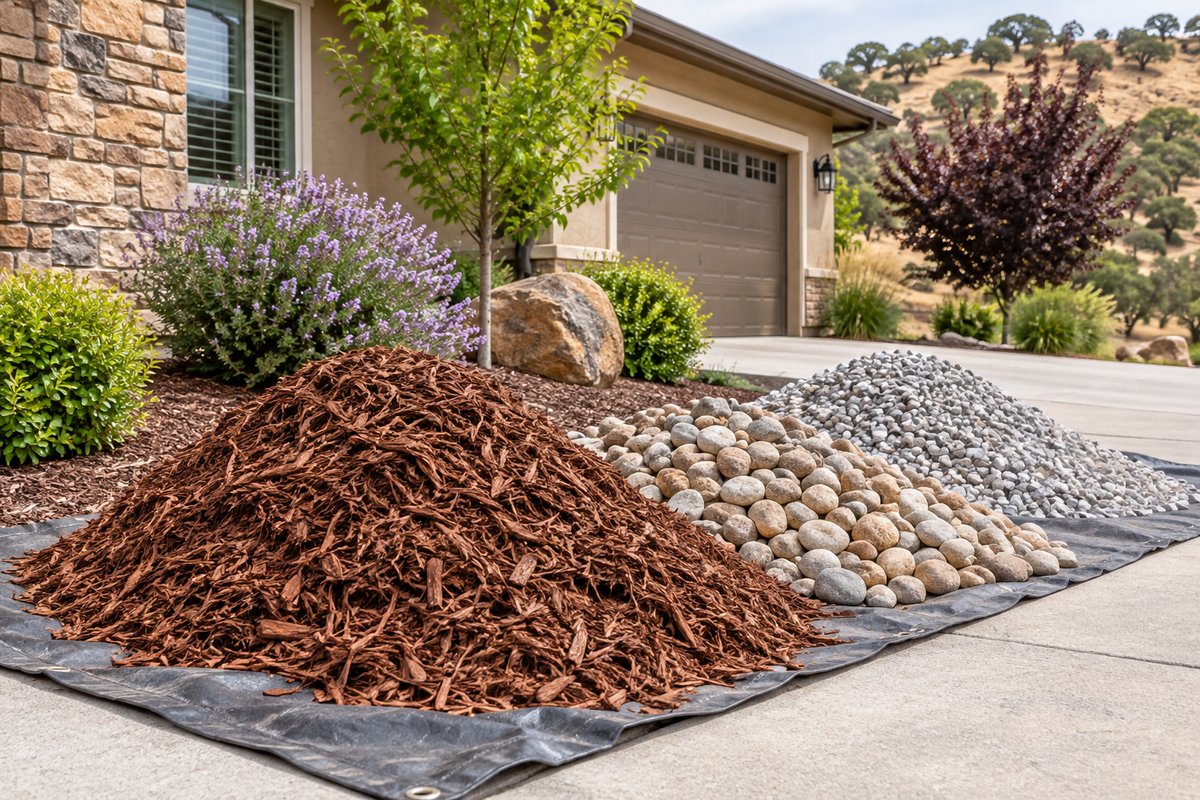
A Practical Planning Guide for Landscape Materials in Antelope, CA
Start your Antelope landscaping project with practical tips—permits, soil prep, project timing, choosing bulk landscape materials delivered by California Hardscapes, and more.
Planning Your Antelope Landscape Project: Where to Begin
Embarking on a landscape upgrade in Antelope brings a rewarding transformation to your outdoor space. Whether revitalizing a front yard with bark or mulch, adding new pathways with pavers, or constructing a boulder retaining feature, preparation is key. Every element—from project design to material selection—affects both the process and the outcome. This guide walks homeowners, landscapers, and contractors through Antelope-specific considerations: local regulations, soil and drainage, climate, and essential steps before scheduling landscape materials delivery. California Hardscapes, led by expert Marty, delivers bulk hardscape and landscape materials and helps with material selection and quantity estimates for projects of all sizes.
Antelope’s soils, slopes, and weather patterns call for a tailored approach. Addressing permits and approvals early, marking utilities, and scheduling around local events lay the groundwork for a smooth installation. This planning guide breaks down what to consider—whether your project covers a single weekend or a full landscape renovation.
Permits, Approvals, and Local Regulations
Before scheduling a delivery of bulk landscape materials, check whether your Antelope project requires permits or HOA approval. Projects like patios, retaining walls, permanent fire features, and large landscape structures often require official clearance. For structures or grading plans, Antelope residents should review the regulations and resources at the Building Permits & Inspection Division. Each neighborhood and homeowners association may set additional aesthetic or material standards—especially for visible elements like boulders, pavers, or distinct decorative rock colors.
Permitting and HOA submittal processes can influence project timing. It’s wise to finalize material choices (bark, gravel, cobble, or pavers) but schedule delivery only after approval. For certain larger materials—such as landscape boulders or wall block—access and drop-off location might also matter to inspectors. Discussing proposed changes and sourcing documents from the appropriate office ensures a compliant and efficient project start.
Finally, keeping aware of regional events is useful, especially if your work may require temporary event permits, increased street parking, or street closure notifications. Resources like Annual Events | Placer Valley Tourism are helpful for checking local festivities that could impact scheduling or deliveries.
Call Before You Dig: Utility Marking and Project Safety
Every landscape or hardscape improvement that disrupts the ground—installing edging, wall block, cobble, or posts—presents a risk of hitting underground utilities. Whether creating a new garden bed or laying out a decomposed granite pathway, utility lines for gas, water, power, and communications must be carefully avoided.
California regulations require you to call 811 before digging. Utility companies will come to your site, at no charge, to mark underground lines with flags or paint. Scheduling utility marking ahead of delivery ensures that heavy material drop-off (such as decorative gravel or landscape boulders) won’t conflict with marked utility paths and helps everyone avoid costly outages or safety hazards.
Markings typically expire after a few weeks, so time your landscape materials delivery and installation within that window. Antelope homeowners should communicate with contractors and ensure sites are clearly marked before material arrives, reducing project interruptions and liability risks.
Soil, Slope, and Drainage: Setting Up for Success
The soils in Antelope vary from decomposed granite to loam and clay, and slope or grade impacts everything from water flow to plant success. Before ordering delivery of topsoil and soil amendments, consider a soil test to pinpoint needs. Areas prone to compaction may benefit from a mix of compost and loamy topsoil, while projects with drainage concerns often require a sub-base built from base rock and drain rock to protect paver patios or walkways.
For sloped yards, erosion control is crucial. Select an appropriate groundcover, like mulch or bark, which helps hold moisture and stabilize the soil. Adding river rock and cobble in rain-channeled areas can slow runoff and prevent washouts. For steeper grades, engineered retaining solutions may be needed; always confirm requirements with the county for structures exceeding typical heights or subject to engineering.
Good pre-project planning means considering how water flows away from your house, how boulders and walls impact site drainage, and how every new paved area relates to existing conditions. Getting these basics right before material delivery will help Antelope yards thrive through all seasons.
Choosing the Right Landscape Materials
Material selection shapes both function and beauty for Antelope yards. For moisture retention and weed suppression, bark and mulch are a reliable choice for garden beds, tree wells, and play areas. Fire-wise options include stone-based mulches, such as decorative gravel, river rock, or landscape boulders. These options help reduce flammable surface coverage and comply with local defensible space guidance.
For paths, patios, or sports courts, decomposed granite offers a firm, water-permeable surface, while pavers, wall block, and flagstone allow for structured, visually appealing elements. Mixing hardscape with softscape—for instance, framing mulched beds with boulder edging or combining gravel walkways with drought-friendly plantings—creates balance and interest.
California Hardscapes helps Antelope customers select the right products and provides guidance on estimating quantities for optimal coverage—whether you need a cubic yard of mulch or a load of flagstone for a full installation. Factors like local climate, fire zone considerations, and the functional needs of the space all play into making the best choice for your project.
Coverage Estimates and How Much to Order
Estimating the right volume of material avoids project hiccups like running short or creating excess piles that must be disposed of. Each material—bark, mulch, gravel, soil, or sand—spreads differently depending on size and compaction. For example, a cubic yard of decomposed granite covers roughly 100 square feet at 2–3 inches deep, while bulkier boulders are measured by piece rather than yardage.
Carefully measure project areas (length x width), decide on final thickness, and consult California Hardscapes for help translating these numbers into cubic yards or tons. For topsoil or soil amendments, raised beds or lawn replacements often need deeper fill than general surface planting beds.
Homeowners in Antelope should also plan where the material can be dropped. Discuss with your contractor if delivery should occur in the driveway, curbside, or within a designated work area. Laying out tarps before delivery can make cleanup easier and help protect driveways and hardscaping from surface scratches when receiving bulk drops of rock, sand, or gravel.
Project Timing: Working with Antelope’s Climate and Events
Antelope’s summers bring high heat, while winters can mean intermittent heavy rains. Both extremes demand thoughtful scheduling. For example, mulch and bark installations are best completed in spring or fall, reducing water loss and heat stress on plants. Decorative gravel and rock installations are less weather-sensitive but should avoid storm seasons, as heavy rain can wash new material out of place.
Spring brings local festivals and events that may coincide with increased parking restrictions or temporary road closures. Always check the Placer Valley annual events calendar to plan for potential conflicts. Larger hardscape features or structures should be planned when permit offices are fully staffed and before the rainy season begins, ensuring proper inspection and settling of materials.
Delivery timing also takes into account soil conditions—in winter, saturated soils may complicate heavy equipment access, while summer can harden clay soils, making excavation for pavers or flagstone more difficult. Flexibility and communication with contractors can help keep your installation on track no matter the season.
Protecting Your Property During Delivery and Installation
Bark, gravel, boulders, and pavers arrive in bulk on heavy trucks. To protect your Antelope property, consider access routes—avoid soft, wet lawns in winter and limit driveway drop-offs for especially heavy materials. Placing plywood or using heavy tarps under the drop zone shields concrete and asphalt surfaces from scratching or staining, especially important for topsoil, decomposed granite, or river cobble deliveries.
Notify neighbors if delivery equipment could block driveways or streets, especially during active weekends or community events. Clearly mark where material should be dropped and remove vehicles or obstacles ahead of time. Communication with your contractor ensures that bulk material is staged for efficient installation, with no damage to yards, fences, or neighborhood infrastructure.
Finally, after installation, promptly clear any excess to maintain curb appeal, and sweep or rinse surfaces to remove loose sand, soil, or stone debris. Good jobsite etiquette and planning enhance the overall project outcome and ensure positive community relations throughout your landscape upgrade.
Frequently Asked Questions About Landscape Materials Delivery
How do I know if I need a permit for my project?
Permit requirements depend on your project type and location. Structural changes, walls, or hardscape features may need review by Antelope’s building office. Always check with the Building Permits & Inspection Division for specifics before any construction or material delivery begins.
How can I estimate the amount of bark, gravel, or topsoil I need?
Calculate length x width of the area and the desired thickness. For most materials, coverage charts help convert square footage to cubic yards. California Hardscapes can assist you in estimating the right volume for your chosen landscape and hardscape materials.
What should I do to prepare for bulk landscape material delivery?
Before delivery, mark utility locations, clear the drop area, and lay protective tarps or boards if receiving material on a driveway. Plan delivery timing around favorable weather and any local events for minimal disruption.
Start Your Project with California Hardscapes
Every landscape installation begins with good planning—from material choices to project timing and site preparation. California Hardscapes delivers bulk quantities of bark and mulch, decorative rock and gravel, river rock and cobble, landscape boulders, decomposed granite, base and drain rock, topsoil, sand, and stone, supporting Antelope homeowners and contractors every step of the way.
- Building Permits & Inspection Division: Permits and inspections for landscape structures and hardscape planning
- Annual Events | Placer Valley Tourism: Local events calendar for scheduling and community regulations
Planning a project in Antelope, CA?
Call or text 916-741-0633, or email sales@californiahardscapes.com with your address, a short description and a few photos, and we will arrange a consultation.