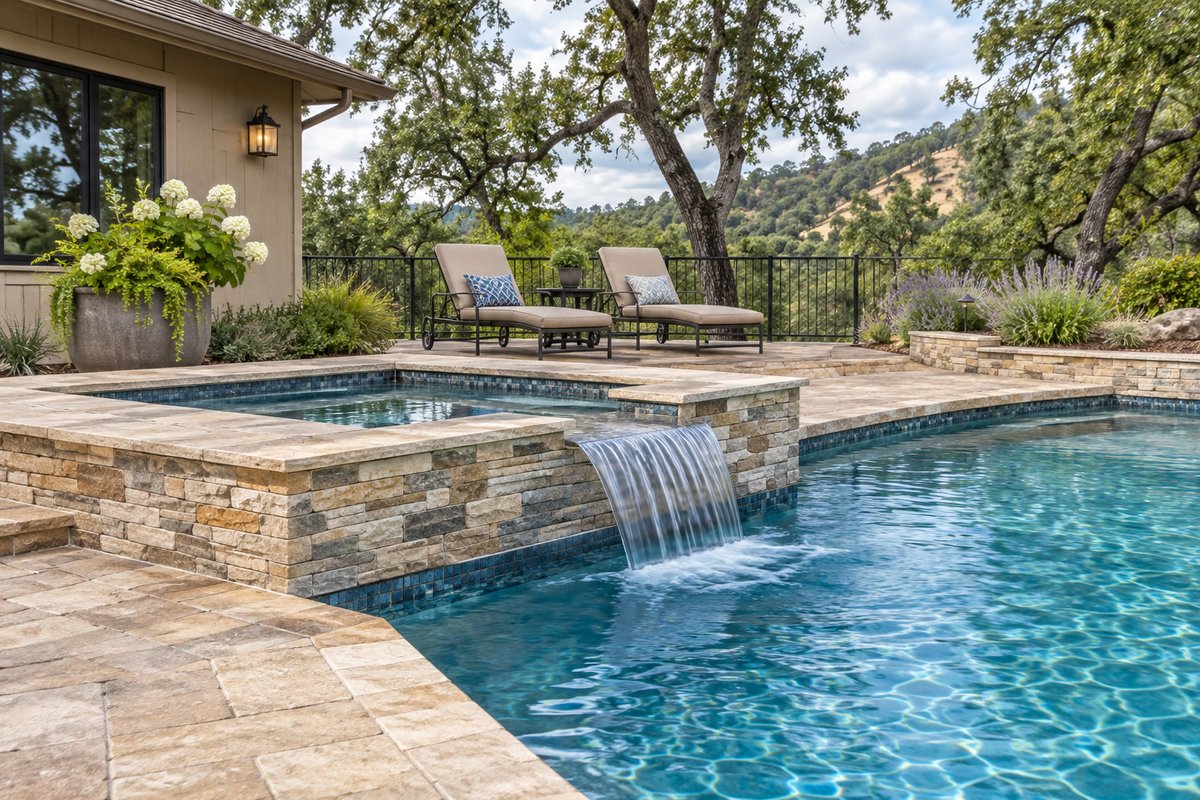
Planning a Custom Pool in Cameron Park: A Homeowner’s Guide
A practical guide for Cameron Park homeowners planning a custom pool—covering permits, HOA, utilities, local climate, soils, project timing, and more.
The Foundation: Permits and HOA Approval in Cameron Park
Before breaking ground on any new pool project in Cameron Park, the first step is understanding local regulations. Most custom pool builds, whether a full-sized custom pool or a compact plunge pool, require a building permit through El Dorado County. The El Dorado County Building Division provides resources to check requirements and start your application—project details like fencing, drainage, and equipment must be included for permit review.
For Cameron Park residents in HOA neighborhoods, it’s essential to review your association’s guidelines and approval processes early. Every HOA has its own requirements for pool style, fencing height, and landscape screening, which may go beyond county code. Engaging your HOA board early helps avoid missteps that could delay your project or require costly changes down the line.
Some projects also trigger additional reviews—such as design approval for visible water features like waterfalls or deck jets, which may affect your neighbor’s view or privacy. It is always a good idea to clarify all conditions with both the county building office and your HOA before design work begins, ensuring the project moves forward smoothly.
Call Before You Dig: Utilities and Site Marking
Once your design is underway and before any excavation, always arrange for utility locating through the 811 call-before-you-dig service. Underground utilities—electric, gas, water, and telecom—crisscross many Cameron Park neighborhoods, especially in established subdivisions. Hitting a buried line can lead to hazardous delays and expensive repairs.
Professional pool builders ensure this step is never skipped, coordinating with utility companies to clearly mark each line. Thorough marking informs not only where equipment pads and pool shells can safely go, but often guides the optimal placement for features like Baja shelves or water features with their own electrical needs.
As a homeowner, being present during marking can reveal useful layout opportunities and help you visualize where pool decking, landscaping, and pathways might go. Take advantage of this phase to discuss options for lighting or future upgrades that may require additional conduit or power.
Soils, Slope, and Drainage: Building Pools That Last
Cameron Park lots often present their own challenges—slopes, variable soils, and the heavy clay or granite typical of the region. Designing a gunite or shotcrete pool to match the site means more than just aesthetics; it also ensures longevity and stability, adjusting plans for the ground beneath your feet.
Soil engineering may be required, especially for hillside lots or those with expansive clay common in some Cameron Park neighborhoods. Soil type affects not only excavation and structural design, but also drainage planning, which is crucial to guarding your investment through wet winters and dry summers alike. Always consult with your contractor and use data from your permit application to address slope and groundwater concerns.
Proper drainage—graded decking, French drains, and careful hardscape planning—protect your pool and surrounding structures. For complex sites, integrating pool and landscape design with the right finish, such as gunite or geometric pools, avoids settling and cracking later. Even smaller builds like plunge pools benefit from careful consideration of site conditions.
Summer Heat, Winter Rain: Adapting Your Pool to Cameron Park’s Climate
Few places see summer temperatures climb as reliably above 100°F as Cameron Park. That intense heat shapes how pools are designed, built, and enjoyed. Features like saltwater pools, high-efficiency pool equipment, and shade elements can help create a comfortable retreat all season.
Choosing materials, interior finishes, and pool type matters more in this climate—modern freeform pools and pool and spa combinations offer both function and flexibility for year-round use. Long, hot seasons mean more months of enjoyment but also more evaporation and maintenance, so incorporate covers and automation if possible.
With winter’s rainy spells, build plans must ensure runoff doesn’t carry debris into the pool or create puddling around the hardscape. Talk to your contractor about stormwater solutions, especially for properties at the bottom of a hill or with clay soils that drain slowly. Thoughtful design goes beyond the pool itself, covering decking, fencing, and landscaping for all-weather durability.
Timing Your Project: When to Break Ground in Cameron Park
In Cameron Park, where wet winters can slow excavation and construction, timing is as important as design. The driest months—typically late spring through early fall—allow the most predictable build schedule and fewer weather delays. Starting the planning and permitting process well ahead of desired swim season makes a difference, since engineering, HOA review, and permit approval all add time up front.
Avoiding rainy months is especially important for complex projects that involve extensive hardscaping or require soil stabilization. While the pace of construction can adjust to weather conditions, some processes—like gunite application or tile work—demand dry, warm conditions for best results. It’s wise to lay out a flexible timeline with your pool contractor to account for inspections and material lead times.
Even pool remodeling and resurfacing benefit from strategic timing. Completing work before the first heat wave ensures your backyard is ready when your family wants it most. Planning ahead also helps coordinate delivery of equipment, finishes, and landscape materials, keeping your build on track and minimizing the unexpected.
Choosing the Right Pool for Your Home and Lifestyle
Every Cameron Park property comes with unique conditions and opportunities. Whether you desire a modern look or a natural oasis, aligning your vision with what the site will support guarantees long-term satisfaction and few maintenance headaches.
Larger lots in Cameron Park might be ideal for dramatic gunite and shotcrete pools with flowing shapes, integrated spas, and stunning features like waterfalls or deck jets. For smaller yards, a well-positioned plunge pool offers cooling relief without overwhelming the space. Features like tanning ledges personalize the pool for lounging, young swimmers, or pet-friendly entries.
Saltwater and automated systems also suit the climate, reducing manual maintenance and improving swim comfort. When working with experienced teams, every detail—from finish to fencing—can be designed to complement both your needs and the natural terrain, while complying with local regulations and HOA rules.
Integrating Decking, Hardscape, and Landscaping
A custom pool is more than a water feature; it’s the centerpiece of an entire backyard transformation. In Cameron Park, shaping the hardscape to fit site grades, existing trees, and views is essential. Whether your style leans toward bold, modern geometric pools or lush, organic-inspired layouts, coordinate decking and stonework for practicality and style.
Non-slip surfaces, shaded lounges, and built-in planters not only add beauty but protect your investment from summer heat and winter storms. Design the area to direct water away from both pool and home, using details like channel drains or permeable pavers as needed. Collaboration between pool and landscape teams ensures finished spaces are seamless and functional.
Many Cameron Park homeowners combine pool construction with landscape upgrades for efficiency and consistent results. When the entire project is managed as one, as with the process at California Hardscapes, the handoffs and coordination are simplified, helping deliver a backyard ready for every season.
FAQ: Custom Pool Building in Cameron Park
Do I need both a county permit and HOA approval?
Most custom pools require a permit from the El Dorado County Building Division. In Cameron Park HOA neighborhoods, separate association approval is also typically needed before construction can start. Check with both offices early to streamline your project.
How do local soils affect pool design?
Soils in Cameron Park, from hard granite to heavy clay, impact excavation, drainage, and structural design. Professional pool contractors evaluate site conditions—sometimes using geotechnical reports—to ensure stability and durability, customizing approaches for each property.
What features are most popular for Cameron Park pools?
Popular choices include energy-efficient saltwater systems, inviting pool and spa combinations, freeform shapes that suit natural landscapes, and unique touches such as tanning ledges for lounging or play. Designs are tailored for both summer comfort and year-round appeal.
Planning a project in Cameron Park, CA?
Call or text 916-741-0633, or email sales@californiahardscapes.com with your address, a short description and a few photos, and we will arrange a consultation.