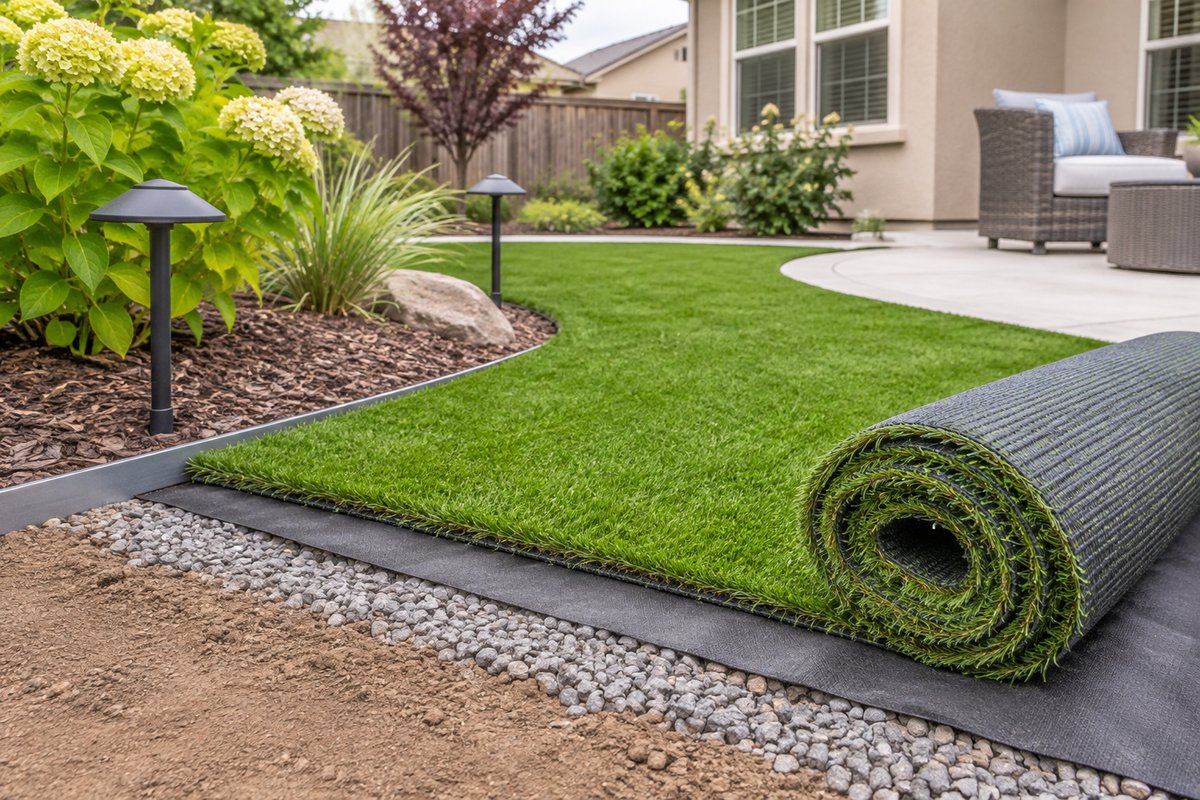
A Homeowner’s Practical Guide to Planning Artificial Turf in Roseville, CA
Planning artificial turf in Roseville? This guide covers key project steps: permits, HOA rules, soil and drainage, utility marking, local weather, and timing for a successful install.
Start With Permits and HOA Approval
Before breaking ground on any artificial turf project in Roseville, it’s critical to verify permit requirements and check with your Homeowners Association (HOA), if you have one. Roseville projects—even those as straightforward as turf installation—may require city permits for grading, drainage improvements, or changes near the property’s right-of-way. Each neighborhood also sets its own HOA review and approval process with specific turf guidelines for appearance, material, and installation. Always check directly with the city or your HOA using their official channels for the most up-to-date requirements; the City of Roseville’s own page is a helpful starting point for connecting with local utilities and regulatory offices (Roseville Electric Utility can direct you to the right municipal contact).
Many artificial turf solutions, such as the options from California Hardscapes, are crafted to meet common HOA and city expectations for water conservation and curb appeal. However, project approval often depends on design details, product selection, and how you plan to tie turf into adjacent landscaping, such as pavers or planters. Submittals for permits and HOAs will require site plans, product samples, and sometimes drainage diagrams. Each case is unique, so coordination early in the planning process avoids costly delays and revisions later.
Account for administrative timelines, as approvals may take weeks. Open communications with both the city and HOA (if needed) help you schedule around review periods, ensuring the installation aligns with your larger home improvement plans.
Call Before You Dig: Utility Marking Keeps Your Project Safe
Every turf installation—including backyard, front yard, and side yard turf—starts with safe site preparation. Roseville’s established neighborhoods have legacy gas, electric, water, and communication lines below many front and back yards. Calling 811 before any underground work is required: utility marking protects your home, contractors, and public infrastructure from accidental cuts or outages. Only after utilities are marked and mapped should excavation or grade work begin—even for DIY or small-scale turf upgrades.
For projects featuring new hardscapes, like patios or pet turf play areas, utility identification may affect design choices and trench routing for drainage or irrigation. Roseville’s service directory (Roseville Electric Utility) connects you with city utility offices for guidance if your property has unusual service drops, neighborhood transformer boxes, or side yard meters.
A proper start with 811 not only secures your project, but also sets the stage for efficient scheduling—especially important as digging delays add up during peak installation seasons.
Understanding Roseville Soils: Clay, Granite, and What That Means for Turf
Roseville sits atop varied soils—most commonly heavy clay and decomposed granite. Each soil type needs distinct strategies for base preparation under artificial turf. Clay, often found in newer subdivisions, can trap water and become slick in winter, making effective turf drainage critical. Granite-based soils, more typical in elevated or established neighborhoods, require expert compaction and infill selection to support turf stability and longevity.
For projects like large-scale backyard artificial turf or a putting green, knowing your soil type influences everything from excavation depth to choice of infill and cooling technologies. It also affects how pet waste drains in specialized pet turf areas, or how play surfacing responds to rain in family yards. A professional site assessment can help prevent compaction issues and reduce the risk of future surface settling.
Wherever your lot lies in Roseville, it’s wise to discuss soil specifics with a local installer or soil testing lab—these insights shape base options for both performance and appearance.
Slope, Drainage, and Site Grading: Engineering Your Turf for Resilience
Turf placed on sloped or uneven lots in Roseville may require engineered sub-bases and tailored drainage solutions. The city’s rolling topography means some yards collect water quickly during storms, while others shed water across long fence lines or down side yards. Effective grading directs water away from structures and toward approved drainage points or collection zones, keeping the turf foundation dry and preventing runoff into neighboring lots.
Products like lawn to turf conversion can include strategies for integrating turf with hardscape—think pavers, walls, or beds—for seamless transitions that also capture and direct excess water. Carefully planned installation prevents standing water, which can degrade synthetic grass or attract pests.
For complex slopes, consult with licensed professionals experienced in drainage engineering. Each Roseville neighborhood and lot may be subject to specific city drainage codes or guidelines, so check with the relevant office linked above.
Weather Readiness: Planning for Summer Heat and Winter Rain
Roseville’s climate shifts from hot, dry summers—often over 100°F—to cool, rainy winters. These extremes impact both turf selection and installation methodology. During peak summer, heat mitigation measures like turf infill with cooling technology or regular watering (at installation and during maintenance) improve comfort and resilience of all turf types, from front yard artificial turf to playground turf. On the other end, winter storms demand proper sub-base drainage to prevent pooling and ensure year-round usability.
Your scheduling window matters as well. Most experts recommend turf installation between spring and late fall for ideal curing, but professional teams are equipped to manage projects throughout the year with weather-adapted tools and materials. Always check the week’s forecast before scheduling major work (National Weather Service Point Forecast: Roseville CA is the official local resource for temperature, rainfall, and wind alerts).
Advanced planning reduces risks of surface shrinkage in summer or base heaving in winter. Discuss materials and maintenance best practices appropriate for Roseville’s weather when weighing product options for your landscape.
Timing Your Project for Best Results
The right timing maximizes project quality and convenience for you and your household. Beyond just the weather, it pays to coordinate turf installation around school calendars, vacation periods, local construction activity, and upcoming Roseville city events. Avoiding major holidays or rainy months can lead to faster completion and less disruption to your daily routine.
For families planning upgrades like child-safe play area turf, or for homeowners investing in backyard retreats or personal putting greens, plan your project after reviewing your neighborhood’s improvement schedules and the city’s public alerts. Factoring in initial lead times for permit and HOA review, plus material ordering, helps prevent unwanted delays.
Taking time to plan each step—preparing your site, checking approvals, and watching the local weather—demonstrates a thoughtful approach that pays off in project satisfaction and long-term turf performance.
Choosing Turf Products Suited for Roseville Lots
No two Roseville yards are alike, and the range of modern turf solutions reflects this. For compact spaces or narrow side yards, specialized turf options offer flexibility, durability, and neat finishes. Larger suburban lots may benefit from blended installations, combining backyard turf with pavers, patios, or raised beds for custom outdoor living spaces. Pet owners and families with children can select pet turf or playground turf, both designed for optimal drainage and safe, easy maintenance.
Water-conscious homeowners often turn to lawn to turf conversion for sustained water savings and a low-maintenance yard. Premium infill options help keep turf cool in Roseville’s summer conditions, while overall construction methods—designed and overseen by licensed, bonded, and insured contractors—offer assurance of proper preparation and finish.
For guidance on which artificial turf product best fits your home, consult a provider that evaluates your lot slope, soil, and usage patterns for a customized recommendation.
Frequently Asked Questions: Artificial Turf Planning in Roseville
What is the process for marking utilities before turf installation?
Before starting any digging or grading, you must call 811 for city-authorized utility marking. This step secures your project and helps prevent accidental disruption of critical lines running under your yard.
How do I know if my HOA or the City of Roseville requires turf approval?
The need for specific permits or HOA approval depends on your neighborhood and the scope of your project. Always contact your HOA and check directly with city offices for the most current regulations and submittal requirements, using the resources listed above.
How should I plan turf installation around Roseville’s weather?
Monitor local forecasts (National Weather Service Point Forecast: Roseville CA). Scheduling install during moderate weather helps with turf curing and ensures base preparation holds up during rain or extreme summer heat.
Putting It All Together: Built with Pride, Finished with Excellence
Whether you’re planning a new pet lawn, side yard accent, family play surface, or converting a full front yard, a top-tier artificial turf project in Roseville requires careful attention to permits, utilities, soils, slope, weather, and timing. Every step, from planning to the final walkthrough, should be managed by experienced, licensed, bonded, and insured contractors—delivering on the promise of quality and integrity in every square foot.
For projects tailored to Roseville’s unique lots and local needs, Request a consultation with California Hardscapes. Built with pride. Finished with excellence.
- Roseville Electric Utility – Find links to city utilities, permitting and key contacts for safe turf installation
- National Weather Service Point Forecast: Roseville CA – Up-to-date official forecasts for timing your outdoor project
Planning a project in Roseville, CA?
Call or text 916-741-0633, or email sales@californiahardscapes.com with your address, a short description and a few photos, and we will arrange a consultation.