Category: Uncategorized

  • How Turf Meets Pavers and Concrete: A Homeowner’s Guide

    How Turf Meets Pavers and Concrete: A Homeowner’s Guide

    Securing artificial turf where it meets pavers or concrete is a detail that makes a big difference in both appearance and durability. Here’s what every homeowner should know.

    Why Proper Turf Edges Matter

    When artificial turf meets pavers or concrete, the edge detail is critical. A secure connection prevents gaps, trip hazards, and visible seams, resulting in a clean finish that lasts. In areas like Rocklin, Roseville, and Granite Bay, temperature swings and seasonal storms put these joins to the test.

    Landscaping for Northern California means planning for intense sun and sporadic rain. Turf that lifts, shifts, or frays at the edge can let in debris, weeds, or even small animals. Professional installation ensures everything stays tight and attractive for years.

    Beyond looks, proper turf edge work protects your investment. Done right, it means less repair, less maintenance, and surfaces that hold up through backyard parties, pets, and active families.

    • Keeps appearances neat and tidy
    • Reduces edge wear and tear
    • Prevents weed growth between materials

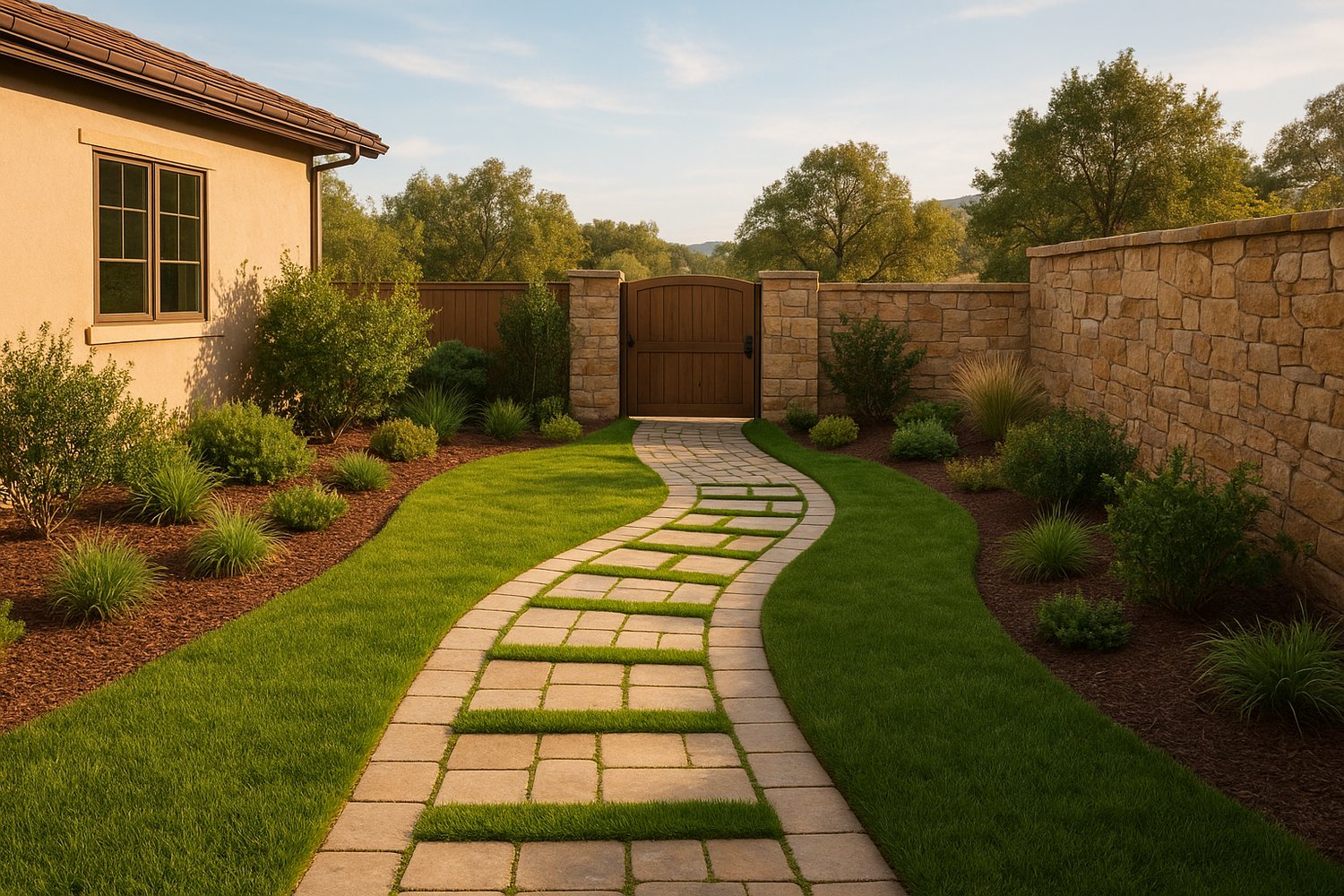
    Want to learn more about the design possibilities? See ourTurf with Pavers and Stepping Stonespage for inspiration and practical info.

    How Installers Prepare the Perimeter

    Before any turf or paver is set, skilled pros grade and compact the area’s base material. This step creates a uniform, stable substrate that eliminates voids and ensures each component lines up perfectly.

    For pavers or stepping stones, installers often use edge restraints—flexible borders or concrete curbing—anchored below the finished grade. These define the turf’s final line, keeping grass fibers up against the hardscape rather than under or away from it.

    Thorough subgrade preparation and smart edge definition are especially important for Slopes, heavy use areas, and homes in the foothills. Proper prep minimizes soil or gravel movement that can loosen turf edges over time.

    • Well-compacted subgrade keeps things level
    • Edge restraints stop horizontal shifting
    • Prevents future sinking or heaving

    Securing Turf Next to Pavers

    Special attention goes into joining turf directly to pavers. Installers typically trim turf close to each paver’s edge, using sharp utility knives for a snug fit that looks seamless when finished.

    Next comes fastening. Galvanized spikes or turf nails are spaced closely, driven through the backing right along the edge, anchoring turf securely to the ground below. This tightens the seam and prevents lifting—critical near stepping stones where feet land most.

    To finish, infill material (often sand or specialty products for pet areas) is carefully brushed up to the edge. The result is a flush transition where artificial turf and pavers combine for a modern, natural aesthetic.

    • Trim and fit turf with surgical precision
    • Nail or spike close to every stepping stone
    • Use infill to stabilize and disguise edges

    Attaching Turf to Concrete Surfaces

    Edges that meet poured concrete, such as patios or walkways, require a slightly different touch. Along these hard borders, adhesives are often used to secure the turf in place without visible fasteners.

    Installers select weatherproof turf glue that flexes with expansion and contraction—an important factor with California’s warm-to-cool cycles. Careful masking and tight trimming are essential for a smooth, uninterrupted line.

    Between pavers and wider concrete slabs, combination techniques may be used: nails in soil-based areas, adhesives along concrete, and even manufacturer-recommended transition strips for tricky shapes and curves.

    • Weatherproof adhesives prevent edge curl
    • Adhesives selected for local climate tolerance
    • Smooth, clean lines achieved with careful trimming

    Dealing with Slopes, Drainage, and Roots

    Northern California yards often have slopes, tree roots, or uneven terrain. Here, installers plan turf and hardscape transitions to follow the grade, allowing for both drainage and roots without lifting or buckling.

    For slopes, added anchoring is vital—installers use longer nails or deeper edge restraints. Adjusting base materials for water flow ensures both turf and pavers stay put, even during heavy winter rains or irrigation cycles.

    In established yards with mature trees, installers may weave turf between pavers to avoid damaging roots, or design around them so water access is preserved. This level of care pays off in longevity and reduced maintenance.

    • Custom anchoring for slopes or tree areas
    • Edge installs consider water runoff patterns
    • Root-aware layout preserves plant health

    Compare turf types and get advice on ourArtificial Turfoverview—helpful for making the right decision for your yard.

    Choosing the Right Products for Local Conditions

    Artificial turf comes in many types, and some perform better in Placer and Sacramento counties than others. Look for heat-resistant fibers, UV protection, and tough, durable backing designed for outdoor living.

    When selecting infill, some options are better for playgrounds or pet spaces, while others are chosen for coolness underfoot or added stability. The right combination depends on your family’s needs and climate demands.

    For best results, talk with your installer about your yard’s specific conditions—shade, pets, seasonal use, and adjacent materials. Small product differences can make a big impact in long-term appearance and performance.

    • UV-resistant turf helps prevent fading
    • Consider pet-friendly and cooling infills
    • Backing material affects strength and drainage
    Edging MethodWhere UsedSecurityBest ForNotes
    Spikes/NailsSoil next to paversHighStepping stones, bordersFast, effective for most flat areas
    AdhesiveConcrete edgesStrong (if applied properly)Patio, slab joinsMust be weather- and UV-resistant
    Edge RestraintCurved/irregular edgesVery highCurves, slopesOften combined with spikes
    Transition StripBetween turf and hardscapeModerateCustom designsAdds a buffer zone for tricky shapes

    Typical Edging Techniques Compared

    Securing turf at hardscape borders involves a few established techniques, each with pros and cons. Below is a quick snapshot of how the main methods stack up in terms of security, appearance, and recommended uses.

    Among the most common: spikes/nails into soil, adhesives over concrete, and flexible edge restraints for curved designs. Local soil conditions and intended use often guide which solution your installer picks.

    Taking the time to select the right approach for your yard ensures turf stays tight, looks sharp, and handles all the foot traffic you throw at it.

    • Variety of methods to match project needs
    • Best technique depends on adjacent material
    • Professional input is a smart investment

    Planning Your Turf and Paver Project

    Great results are all in the details—especially where artificial grass meets custom hardscapes. Start by sharing how you’ll use your space with your installer, from entertaining to pets to relaxing barefoot.

    If you’re considering adding turf with pavers, factor in sun, drainage, traffic patterns, and maintenance. Each of these impacts your turf choice and how it should be anchored to stones or concrete.

    Work with a team that understands the region’s soil, climate, and sun exposure. Local know-how results in installations that hold up beautifully, whether you’re in Folsom, Auburn, or anywhere in between.

    • Review how each space will be used
    • Consider seasonal yard conditions
    • Ask for input on layout and maintenance

    Ready to start your project or have specific questions?Request a consultationwith Marty and the team at California Hardscapes.

    Turf with pavers and stepping stones: see the full guide to turf with pavers and stepping stones, or browse every artificial turf option.
    Your project

    Planning an artificial turf project?

    Call or text 916-741-0633, or email sales@californiahardscapes.com with your address, a short description and a few photos, and we will arrange a consultation.
  • Designing with Turf Strips, Checkerboards, and Paver Stepping Stones

    Designing with Turf Strips, Checkerboards, and Paver Stepping Stones

    Pairing artificial turf with pavers or stepping stones brings fresh, low-maintenance design options for local yards. Explore regional choices that look great year-round.

    Why Turf with Pavers Makes Sense Here

    Pairing artificial turf with concrete, stone, or precast pavers is about more than curb appeal. In areas like Rocklin, Roseville, and Folsom, water conservation laws and long, dry summers often limit real lawn choices. Artificial turf strips between pavers deliver a vibrant look without irrigation troubles or muddy surfaces.

    These designs offer easy drainage and reduced maintenance—no mowing, patching, or mud after storms. The right layout can accent pathways, soften the transition between hardscape and house, and avoid the heat buildup of a solid concrete patio.

    Paver-turf combos also stay greener than natural grass through both hot stretches and chilly winter nights. For families with pets, artificial turf sidesteps yellowed patches or worn paths, while the pavers withstand heavy foot traffic or yard activities.

    • Saves water every month
    • Virtually mud-free all seasons
    • Works on slopes and flat areas

    See layout examples and guidance for pairingturf with pavers and stepping stonesin this focused article.

    Classic Turf Strip Patterns

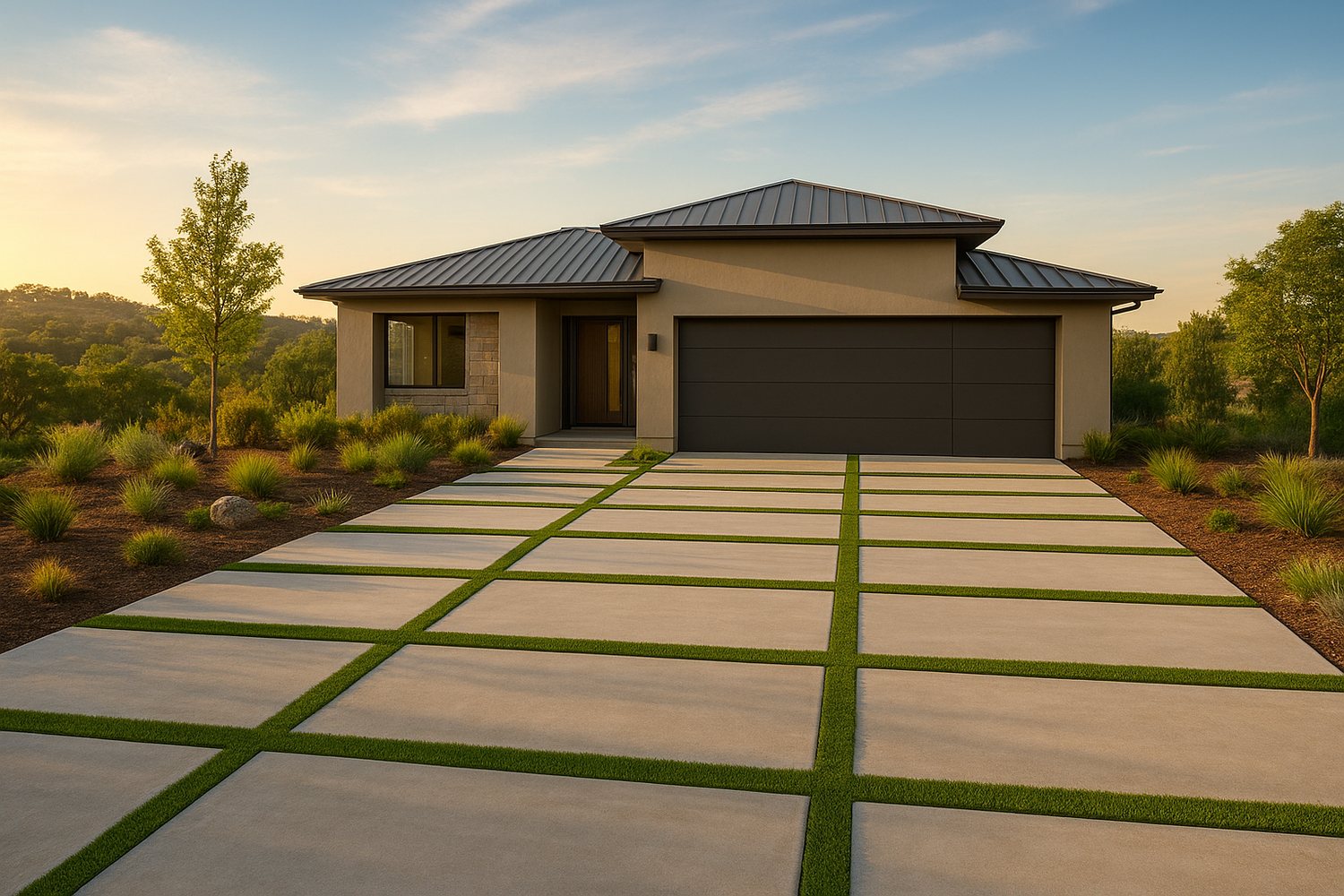
    Turf strips—sometimes called ‘ribbons’—slotted between long pavers are a timeless central California look. They echo upscale courtyard walkways but work just as well up a driveway, along side yards, or as a patio accent. The scale can be tuned: narrow 2-inch strips suit sleek contemporary homes; wider 4–6-inch ribbons match traditional or spacious yards.

    The reliability of concrete or porcelain pavers ensures crisp, weed-free lines over time. Where drainage is a concern, turf strips let rain flow between pavers instead of pooling. In high-use areas like pool decks, these patterns keep surfaces cooler underfoot and visually soften the scene.

    Choosing the right artificial turf here matters—products that hold color in strong Placer, El Dorado, or Sacramento light outlast less robust varieties. Reliable edge restraint keeps strips tidy and prevents turf from shifting after years of use.

    • Ideal for long walkways
    • Warms up cold concrete layouts
    • Prevents slippery surfaces

    Checkerboard Turf: Bold, Playful Geometry

    The checkerboard layout alternates square or rectangular pavers and artificial turf patches in a repeating grid pattern. This design creates a playful, eye-catching canvas, and fits well in smaller Rocklin and Roseville yards where maximizing usable space and visual punch is a priority.

    Even a simple 2×2 pattern energizes a patio or entry. The alternating surfaces break up hot hardscape and add depth. Checkerboards often double as both outdoor seating areas and informal play zones—no muddy shoes or patchy grass.

    For best results, use durable turf with a short, neat pile, and choose heavy pavers or set them on a reinforced base to avoid settling or shifting. Mind the pattern orientation to guide foot traffic toward doors, firepits, or shade.

    • Breaks up monotonous patios
    • Great for modern or playful styles
    • Adapts to small or large footprints
    LayoutBest UsesVisual EffectMaintenanceSpace Needed
    Turf StripsLong walkways, drivewaysClean, linearLowFlexible
    CheckerboardPatios, small yardsBold, playfulLowFlat, level spaces
    Stepping StonesGarden paths, slopesNatural, organicLowCustom-fit

    Stepping Stone Paths Through Turf

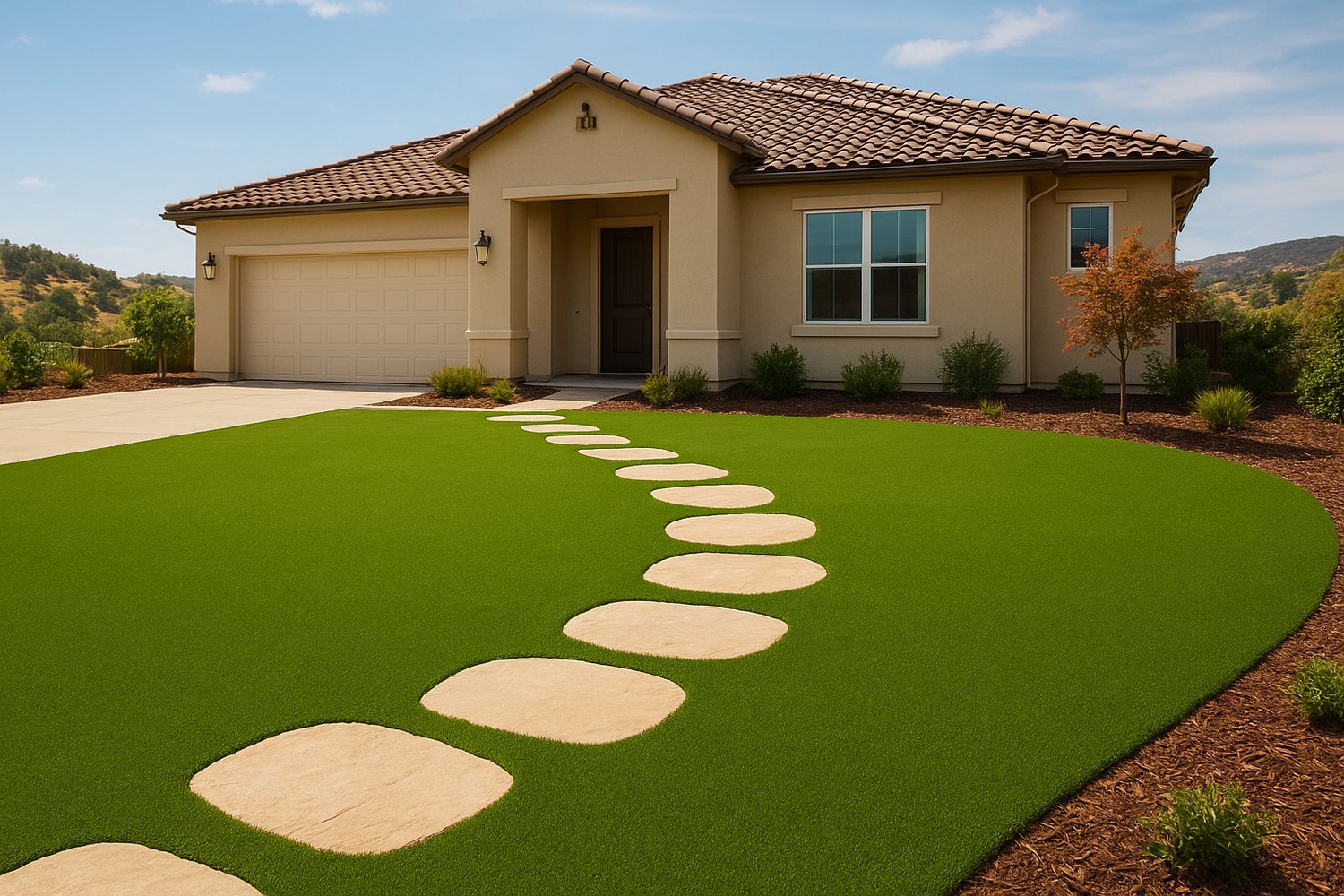
    Stepping stone layouts blend hardscape utility with a natural look, especially on slopes or winding routes. Choose large format pavers for wide “steps” through broader lawn or use irregular flagstone for a relaxed garden path. In regions like Auburn or Granite Bay, this keeps muddy shortcuts off real grass and creates structure where you want movement.

    A key decision is spacing: closer stones guide fast walking or rolling carts, while wider gaps slow people down and make the route playful or meandering. Sand, gravel, or mulch borders can further blend the hardscape edges into the landscape.

    Artificial turf between stepping stones gives a clean, always-green border. The result? Soft underfoot, puddle-resistant, and without edges that need edging or mowing every weekend.

    • Custom-fit for any path shape
    • Keeps shoes dry year-round
    • Easy to update or expand later

    Materials That Work in This Climate

    Local summers get hot—choosing pavers and synthetic turf that don’t overheat is crucial. Light-colored concrete or porcelain pavers stay cooler underfoot and resist fading. Look for artificial turf that holds color and has UV protection rated for intense Sacramento Valley sunlight.

    Talk to your contractor—or materials supplier—about turf infill options. Some infills reduce temperature, resist pet odors, or improve drainage. For pavers, slip-resistant textures are best for pool decks or shaded, often wet spaces.

    All products should be rated for residential foot traffic and, where needed, wheeled access. In frost-prone areas (Auburn, higher hills), insist on base prep that resists shifting during winter freeze-thaw cycles.

    • Use light, non-glare finishes
    • Ask about UV and pet resistance
    • Insist on reputable, proven brands

    For a full overview, review all of ourArtificial Turf optionsavailable in your area.

    Planning Your Layout: Techniques and Tips

    Start with how you use your outdoor space. Need pathways between pool, grill, and firepit? Prioritize functional routes first, then design turf and paver layouts around them. In tight backyards, checkerboard or angled patterns sometimes make the area seem roomier.

    Stepping stone and strip patterns can be laid “on grade” (flush with the soil) or “proud” (slightly raised above ground); flush is easier to mow around, proud can highlight feature areas. Consider how pavers meet concrete or decking—tight joints reduce tripping risks.

    For best results, work with a contractor who knows regional soils and drainage issues. The right base preparation ensures your pavers and turf don’t shift during storms or seasons.

    • Map furniture before finalizing layout
    • Use color accents to match house or patio
    • Design for future features like lighting

    Comparing Turf & Paver Design Options

    What’s the best mix for your space? Here’s a side-by-side summary. Side yards, patios, pool decks, and front entries all benefit from turf and paver patterns, but the right choice balances looks with daily needs.

    Checkerboards maximize visual interest but require level ground and careful grid layout. Turf strips allow for longer runs and subtle style updates. Stepping stones suit casual routes and sloped or irregular yards best.

    No single approach is right for everyone. Matching layout to site conditions gives you an outdoor area that’s stylish, durable, and a pleasure to use year-round.

    What to Ask Your Contractor

    Before installation, ask about base preparation for both turf and pavers. Regional soils vary: decomposed granite works in much of Placer County, but steeper slopes or clay-heavy lots may need extra reinforcement or drainage.

    Confirm how edges will be finished—metal, plastic, or concrete edging keeps lines sharp. Also discuss paver thickness and installation methods to avoid settling, especially near pools, driveways, or play areas.

    Ask which artificial turf product is used and why. Not all synthetic lawns are equal in local sun, traffic, or pet use. Get recommendations specific to your property’s needs and shade/sun exposure.

    • Ask for references on turf brands
    • Check that paver bases extend beyond edges
    • Discuss any planned landscape lighting

    Ready to talk?Request a consultationto discuss your outdoor living design goals.

    Turf with pavers and stepping stones: see the full guide to turf with pavers and stepping stones, or browse every artificial turf option.
    Your project

    Planning an artificial turf project?

    Call or text 916-741-0633, or email sales@californiahardscapes.com with your address, a short description and a few photos, and we will arrange a consultation.
  • Planning Turf with Pavers and Stepping Stones

    Planning Turf with Pavers and Stepping Stones

    For homeowners in Rocklin, Roseville, Granite Bay, Folsom, Auburn, and nearby communities, the right turf and paver design starts with informed decisions. Here’s how to choose joint widths and artificial turf that suit our local environment and your style.

    Why Combine Turf with Pavers or Stepping Stones?

    Pairing artificial turf with pavers or stepping stones is a smart approach for maximizing curb appeal and functionality in outdoor spaces. In Northern California’s climate, this blend creates low-maintenance, visually appealing pathways and patios that withstand both heat and drought. Unlike pure turf or concrete, the combination offers clean lines and soft greens for a modern, inviting look.

    These designs also improve drainage and keep surfaces cooler underfoot—a key comfort in our often hot and sunny region. With less exposed hard surface and more permeable area, any rainfall tends to be handled gracefully, which is especially helpful in clay-heavy local soils.

    Families and pets benefit, too. Turf with pavers means less mud and dust, fewer puddles, and fewer bare spots that come with real grass. This configuration is ideal for active outdoor lifestyles, entertainment spaces, and play areas year-round.

    • Low-maintenance alternative to grass
    • Improved drainage and cooler surfaces
    • Safe, clean space for kids and pets

    Explore patterns and joint width tips on ourTurf with pavers and stepping stonespage.

    Understanding Joint Width Choices

    One of the most important elements in planning a turf-and-paver layout is the width of the joints between each stepping stone or paver. The gap size you select will shape the overall look, dictate how much turf is seen, and impact maintenance. In Placer and Sacramento Counties, joint widths usually range from 1.5 to 5 inches, depending on project goals.

    A tighter joint (about 1.5–2.5 inches) creates a more formal, structured pattern, letting the pavers dominate visually. Wider joints (3–5 inches) have a relaxed, bold look and allow more turf to show between hardscape elements. Wider spaces mean a greater percentage of turf coverage, which can help keep large patios from feeling too stark.

    Every home and yard is unique. Think about how you want your pathway, patio, or feature area to read from the house and yard. Wider joints mean more green, which cools the area and feels softer underfoot. Tighter joints offer a more classic, grand approach for traditional or high-contrast styles.

    • Tight joints = more hardscape, formal lines
    • Wide joints = more turf, softer look
    • Joint size impacts both style and comfort

    Choosing the Right Artificial Turf

    Artificial turf comes in a range of pile heights, colors, and textures, and it’s essential to choose one that works with your specific joint widths and regional conditions. In the Sacramento area, a turf with medium to dense fibers, realistic feel, and UV resistance performs best, particularly for areas exposed to prolonged sunlight and foot traffic.

    The pile height (the length of each blade) should usually range from 1.5 to 2 inches to blend seamlessly with the height of most pavers and hold its form between joints. Shorter turf can look sparse in wide spaces, while taller turf may flop and look unkempt, especially in narrow gaps.

    Durability is crucial for play areas or spots with more activity. Select a turf backed by solid drainage and infill designed for local temperatures. Most premium products contain antimicrobial protection to handle pet traffic and seasonal pollen without staining or odors.

    • Select turf with UV resistance
    • 1.5"–2" pile height balances look and function
    • Dense backing prevents matting in narrow joints
    Joint WidthBest Turf Pile HeightVisual StyleRecommended Uses
    1.5–2 in1.5–2 inFormal, structuredEntryways, modern patios
    2.5–3 in1.75–2 inBalanced, invitingFamily patios, paths
    3–5 in1.5–1.75 inRelaxed, green-heavyCasual gardens, play areas

    Selecting Patterns: Grid, Staggered, & Natural Flow

    The layout pattern you choose influences not just the look but also the practical benefit of your turf and pavers. Classic grid patterns with aligned pavers are crisp and modern—popular for patios and formal garden elements in Granite Bay and Roseville. A staggered layout softens lines, creating a more organic flow suited for side yards and walkways.

    Irregular or naturalized stone placement can look fantastic in large yards or informal gardens, mimicking the feel of river rock paths common throughout Auburn and El Dorado County. The visual impact depends on joint width, with wider joints working well in laid-back settings and tight joints suiting formal applications.

    Keep in mind, certain patterns are easier to install based on your soil and grading. This is relevant in our region, where compacted decomposed granite or class 2 base materials are standard. The right base ensures both the longevity and appearance of your finished pattern.

    • Grid patterns = strong, organized look
    • Staggered: relaxed transitions
    • Natural flow: irregular shapes for rustic spaces

    Joint Widths and Turfs: What Suits Your Style?

    The joint width between pavers—and the style of turf—should fit your personal taste and how you use your yard. For contemporary homes or highly visible entryways, many homeowners select tighter joints for a seamless, easy-to-clean look. In casual zones, or where you want more greenery to pop, wider joints can offer a friendlier, garden-inspired atmosphere.

    Color contrasts play a part, too. Lighter pavers with deep green turf draw the eye immediately, while earth-tone pavers and olive turf blend quietly into the background. If your outdoor lighting design plays up evening scenes, think about how both the turf and paver textures appear at night.

    As you plan, factor in how much space is devoted to turf versus pavers, and the shade throughout the day. North and east-facing yards may support a wider variety of turf types, while south and west exposures require higher UV resistance.

    • Modern homes: tight joints, uniform turf
    • Cottage or rustic: wide joints, textured turf
    • Think about color contrast under various light

    Find more guides and details onArtificial Turf optionsfor any landscape.

    Practical Considerations for Rocklin and Beyond

    Not all soils are created equal. In the Rocklin area and neighboring communities, clay-heavy and decomposed granite soils demand well-prepared bases before laying pavers and turf. Good compaction, grading, and drainage prevent settling, especially important for heavier stones or broad turf sections.

    Water conservation regulations and hot, dry summers mean artificial turf becomes a wise, low-water alternative. Choose infill materials that stay cool and resist compaction in the heat. In sloped yards or near tree roots, opt for more flexible install patterns to reduce upward heaving or shifting.

    Always plan for access—leave gaps for sprinkler boxes, drain covers, and utilities. Temporary removability may be a factor in future repairs or updates, so ask your contractor about integration strategies that work with Rocklin’s utility norms.

    • Prepare local clay or DG base well
    • Confirm drainage addresses rainfall
    • Choose infill for comfort and temperature

    Maintenance and Longevity Details

    Turf with pavers is one of the lowest-maintenance hardscape solutions available to homeowners in the Folsom and nearby regions. Routine care usually consists of blowing or sweeping pavers, rinsing turf as needed, and occasional spot-cleaning for spills or organic matter.

    Artificial turf won’t go muddy after storms or develop bare patches, but weed growth between joints is always a risk if the base isn’t properly prepared. Quality weed barrier and secure edge restraint go a long way. In shaded or tree-dense yards, occasional brushing fluffs up turf fibers and helps remove debris.

    Pay attention to the sand or rubber infill level over time, particularly after heavy weather or heavy use. Top up as needed to preserve both drainage performance and cushion underfoot. Pick turf products with strong UV and stain resistance for true long-term value.

    • Blow/sweep pavers, rinse turf as needed
    • Weed barrier and strong perimeter matter
    • Check/touch up infill after heavy use

    Planning Your Project with a Proven Partner

    Teaming up with an experienced local contractor ensures that your turf-and-paver installation stands the test of time. Marty at California Hardscapes brings decades of material knowledge and outdoor craftsmanship, taking the guesswork out of selecting shapes, widths, and turf suited to our unique soils and weather.

    A full-service approach—from excavation to base prep, materials sourcing, precise laying, and integrated lighting—helps create outdoor spaces that maximize value and fit your family’s daily life. Professional oversight means the right base is installed, drains function, and seams and joints remain crisp for years.

    If you’re planning a new patio, meandering walk, or a rejuvenated entry with artificial turf and pavers, expert advice up front pays off. Ask about custom options, material samples, and design recommendations unique to your neighborhood and landscape needs.

    • Work with pros familiar with local soils
    • Expect creative, integrated design options
    • Full-service means seamless project management

    Ready to start?Request a planning consultationwith California Hardscapes now.

    Turf with pavers and stepping stones: see the full guide to turf with pavers and stepping stones, or browse every artificial turf option.
    Your project

    Planning an artificial turf project?

    Call or text 916-741-0633, or email sales@californiahardscapes.com with your address, a short description and a few photos, and we will arrange a consultation.
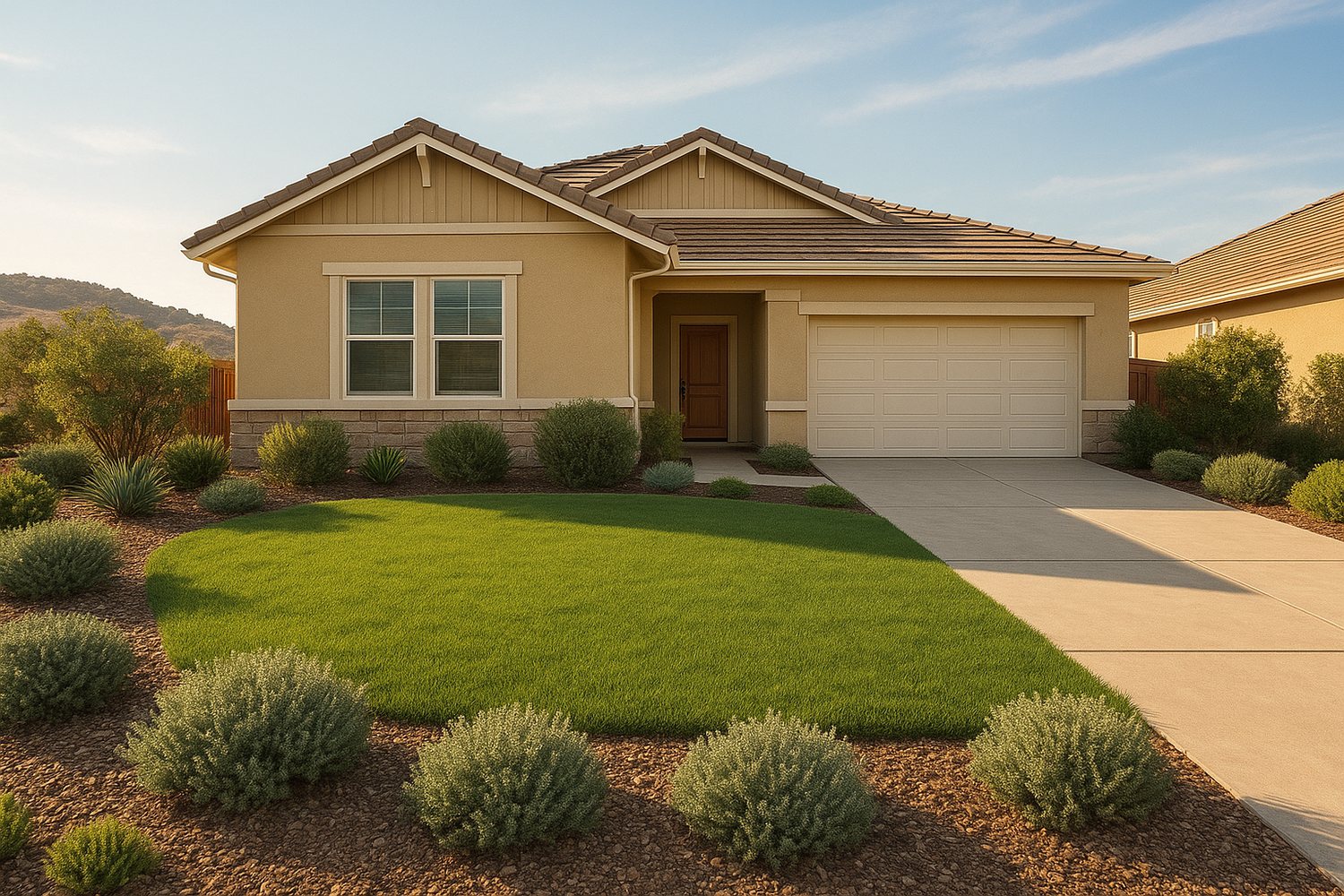
  • Comparing Turf Infill Materials for Heat Control

    Comparing Turf Infill Materials for Heat Control

    Choosing the right turf infill for heat control is key for comfortable yards. Here are real-world details specific to our California climate.

    Why Turf Infill Matters

    Turf infill might seem like a small detail, but it plays a big role in how your artificial lawn feels, looks, and performs. For homeowners near Rocklin and Roseville, efficient heat control during hot summer months is critical. The right infill can help keep artificial turf surfaces cooler – and make all the difference for activities, pets, and barefoot comfort.

    Besides heat regulation, infill provides weight and stability to keep turf blades standing upright. It helps simulate the natural cushioning you’d get with soil and real grass. This is especially important in high-traffic backyards and areas where kids or pets play.

    The region’s hot, dry climate means not all infill performs the same. Understanding these differences is essential for anyone installing or upgrading an artificial lawn. With so many infill products available, making an informed decision matters more than ever.

    • Heat mitigation varies by infill material
    • Stability impacts turf durability and comfort
    • Right choice improves yard value and enjoyment

    Learn more about keeping your lawn cool by visiting ourTurf infill and heat controlresource page.

    Silica Sand Infill: Pros and Cons

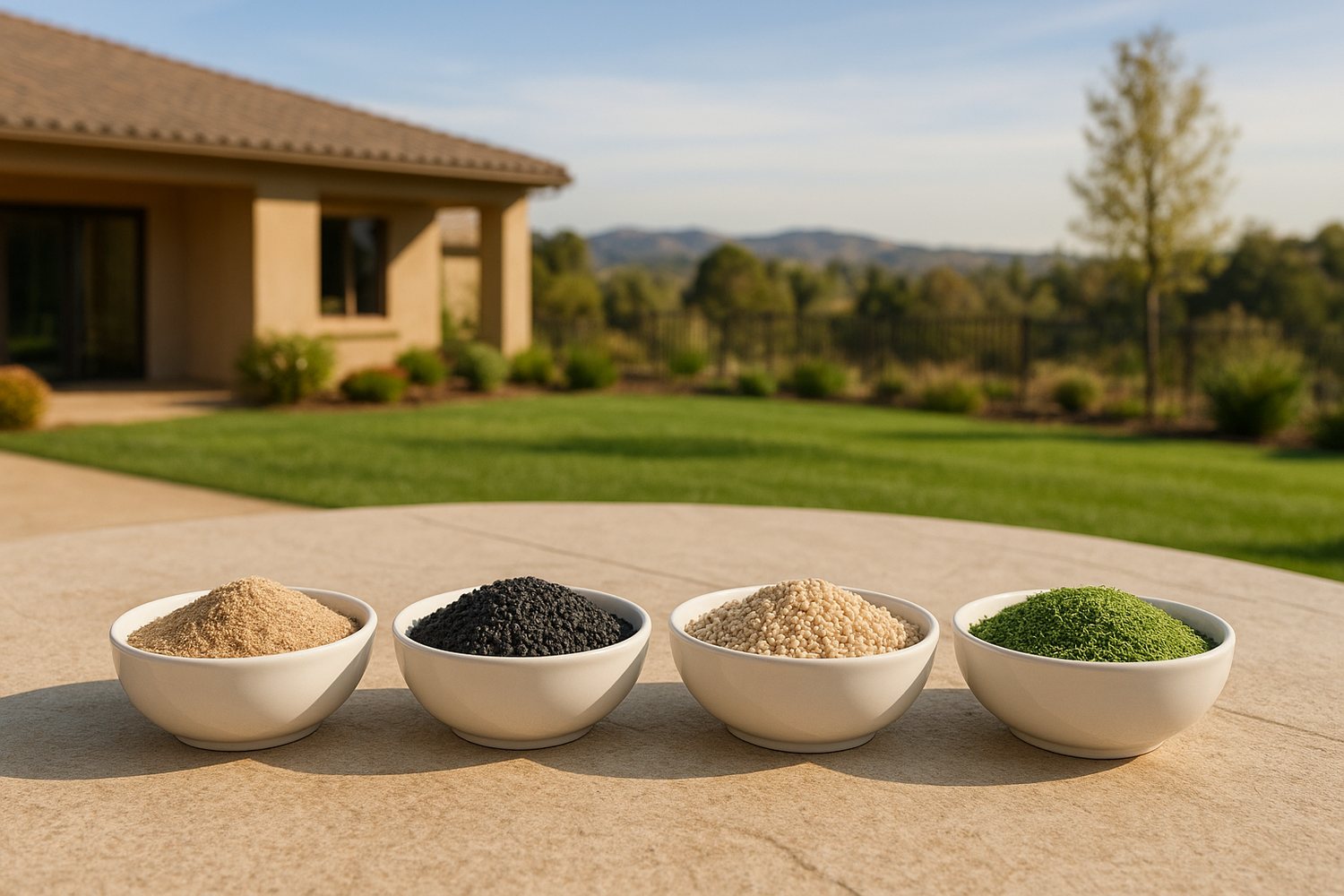
    Silica sand is the most common and affordable infill option for artificial turf. It’s widely available and provides a solid base to help the turf blades stand up, giving your lawn a firm, level feel. Many homeowners in Placer and Sacramento counties start here for cost reasons.

    However, silica sand absorbs and retains heat, which can make the turf surface very warm in peak sun. If your yard is in full sunlight during summer afternoons, you’ll likely notice this heat build-up underfoot, especially compared to cooler alternatives.

    Despite its heat-retentive nature, silica sand remains popular for low-traffic areas or locations with partial shade. Consider it if budget is a concern, but know you may sacrifice some midday comfort, especially for active families and pets.

    • Most economical option
    • Offers good turf blade support
    • Can be very hot in direct summer sun

    Crumb Rubber: Old School, Less Common

    Crumb rubber infill, made from recycled tires, was once the standard for synthetic turf where cushioning was needed. It’s known for its shock absorption, making it a frequent pick for sports fields and high-impact surfaces.

    Residential use in Folsom, Granite Bay, and nearby areas has declined, mostly due to concerns over heat retention. Like silica sand, crumb rubber absorbs a significant amount of sunlight and can get uncomfortably hot. Some homeowners also dislike the potential for rubber odor, especially in our warm, dry climate.

    If extra cushion is necessary, crumb rubber can still work in shaded spots or under play equipment. Most families around our region prefer alternatives that offer better heat control without the mess or smell.

    • Provides cushioning for impact
    • Absorbs and holds heat strongly
    • Becoming less popular for backyards
    Infill TypeHeat RetentionOdor ControlBest ForComfort
    Silica SandHighLowShaded, low-traffic lawnsFirm
    Crumb RubberVery HighLowPlay areas needing cushionSoft, but hot
    Zeolite (Mineral)LowHighPet owners, full sun lawnsCool, soft
    Cork/OrganicLowMediumFamilies, barefoot areasVery comfortable

    Organic and Mineral Infill: Modern Solutions

    Organic infills, such as cork or coconut husk, have gained popularity in Placer and El Dorado counties for their natural origins and improved heat management. These materials don’t absorb heat like sand or rubber, so they stay cooler in our intense sun.

    Mineral infills, especially products made from zeolite (a porous volcanic mineral), also perform well. Zeolite absorbs moisture and can help minimize odors from pets. Both organic and mineral options bring valuable cooling and odor-absorbing benefits for active outdoor households.

    Expect a higher upfront cost for organic or mineral infill, but the improved surface comfort and temperature reduction are worth it for many local families. These options feel more natural underfoot and are often chosen when pets, children, or frequent outdoor use are factors.

    • Stays cooler in direct sunlight
    • Reduces odors from pet use
    • More comfortable for bare feet

    Heat Control: What Actually Works Here

    In the hotter parts of Sacramento and surrounding counties, controlling turf temperature goes beyond picking just any infill. Dense urban areas and backyards without much shade can heat up quickly and stay warm throughout the day.

    Organic and mineral infills make a noticeable difference when it comes to comfort. Zeolite and cork infill hold less heat than sand or rubber, staying up to 30% cooler during extreme sunlight. Keeping turf infill moist can also help, which is easier with these newer materials.

    If you’re designing a play space, pet run, or an area where family and friends will be spending time outside, prioritize infills that cool quickly and resist heat buildup. A cooler turf surface simply makes those outdoor moments more pleasant, June to September.

    • Zeolite and cork outperform sand/rubber in hot climates
    • Shaded turf stays much cooler regardless of infill
    • Rinse occasionally to boost cooling with mineral infills

    For a broader look at available surface options, see ourArtificial Turfoverview.

    Pet-Friendly Considerations

    For pet owners in Granite Bay, Folsom, and Auburn, choosing the right turf infill isn’t just about cooling—it’s about health and cleanliness too. Odors can build up quickly and pets feel surface heat under their paws.

    Zeolite infill is especially recommended for homes with dogs. Its structure naturally absorbs and neutralizes ammonia, keeping pet odor under control—even after multiple uses. Plus, it’s non-toxic and comfortable for daily pet activity.

    Organic infills like coconut and cork are also safe and cooling for pets but may require more frequent topping-up after heavy use. Knowing your pets’ routine, climate exposure, and maintenance tolerance can help pin down the best infill for your yard.

    • Zeolite neutralizes pet odors effectively
    • Organic infills are natural and safe
    • Easy clean-up matters in peak heat months

    Installation and Maintenance Tips

    No matter what infill you choose, proper installation is crucial for comfort, longevity, and temperature control. The infill should be evenly distributed and brushed into the turf for best effect—uneven application can lead to hot or lumpy spots.

    Regular maintenance includes brushing the turf to keep blades upright, replenishing infill if settlement occurs, and rinsing with water during extreme heat. Consider periodic checks, especially after heavy use by pets or kids.

    If odor or heat is an ongoing concern, look for signs such as visible compacted infill, recurring hot patches, or increased pet odor. Early attention keeps your turf looking great and feeling comfortable all season long.

    • Install infill to manufacturer’s recommended depth
    • Brush frequently in summer and after parties
    • Top up infill as needed for pets or heavy use

    Making Your Choice: What Works for Your Family

    Your best infill choice depends on how you’ll use your yard, the amount of direct sun your turf receives, and how much you prioritize heat control versus budget. Homeowners in Rocklin, Roseville, and nearby communities often find value in balancing performance and comfort.

    For low-traffic, shaded sections, basic silica sand may be just fine. For bare feet, pets, and summer fun, it’s often worth moving up to mineral or organic infills, even if it costs a bit more up front. These modern materials provide peace of mind and a noticeably cooler surface.

    Take time to weigh the pros and cons of each infill. Consult your installer for advice that’s specific to your yard’s sunlight, usage, and your family’s needs. With good information in hand, you’ll be set to enjoy your artificial turf for years.

    • Weigh budget against comfort and use
    • Ask about heat and odor concerns before buying
    • Consult local professionals with turf experience

    Ready for expert guidance?Request a consultationwith California Hardscapes today.

    Turf infill and heat control: see the full guide to turf infill and heat control, or browse every artificial turf option.
    Your project

    Planning an artificial turf project?

    Call or text 916-741-0633, or email sales@californiahardscapes.com with your address, a short description and a few photos, and we will arrange a consultation.
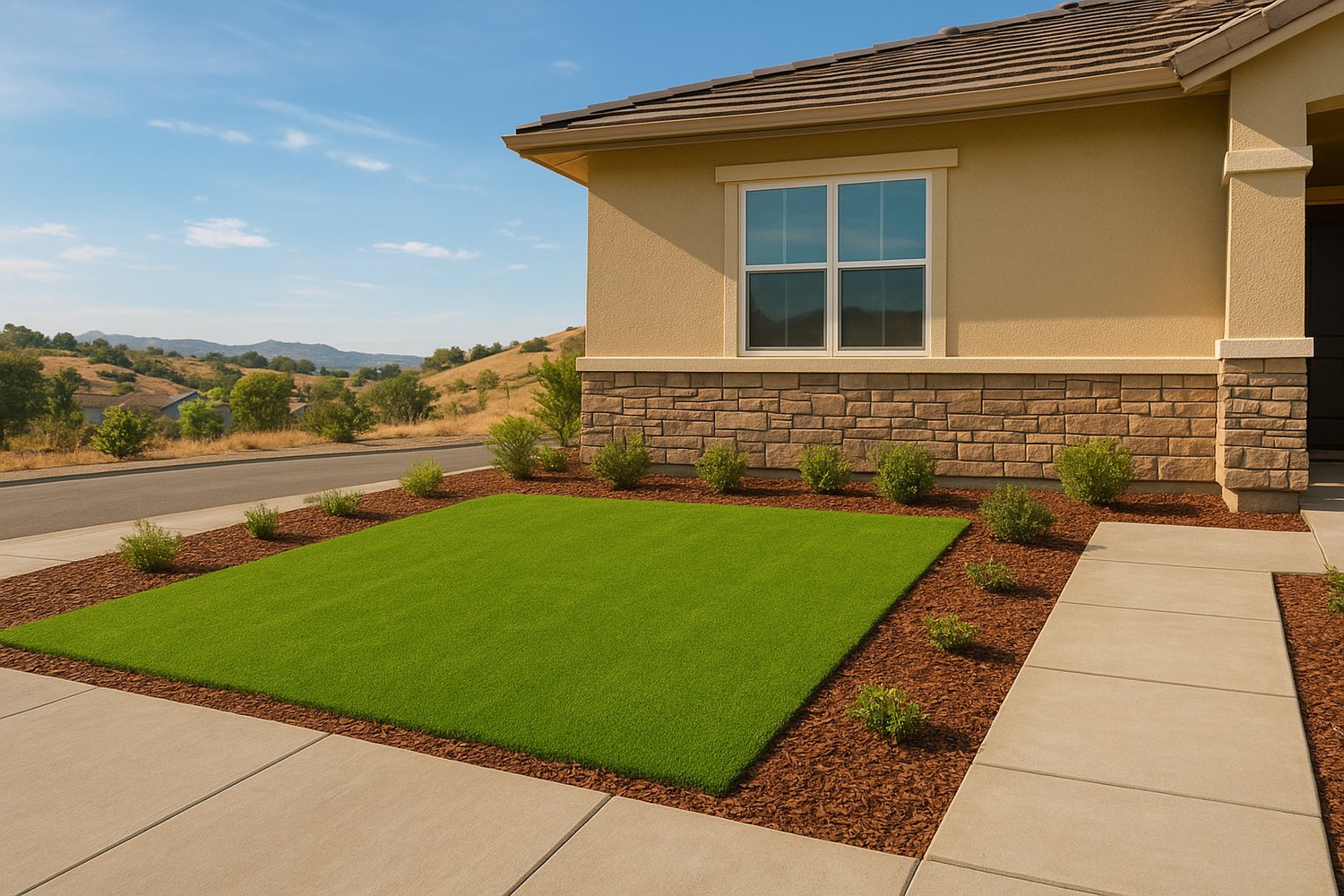
  • Fresh Front Yard Designs: Artificial Turf Meets Lush Plantings

    Fresh Front Yard Designs: Artificial Turf Meets Lush Plantings

    Artificial turf is changing the look and feel of front yards across Rocklin, Roseville, and neighboring areas. When blended with plantings that thrive in this region, it delivers a yard that stands out without the upkeep that traditional lawns demand.

    Why Combine Artificial Turf and Plantings?

    Homeowners are drawn to front yard artificial turf for mess-free, low-maintenance curb appeal, but a patch of uniform green can look stark on its own. Mixing turf with carefully selected plantings is a smart solution, especially for the summer heat and winter rains of our local area.

    The right combination borrows from both resilience and beauty. Artificial turf stays lush and usable year-round, while planting beds—think tough, regional favorites—add color and habitat value. This also lets you reduce watering and weed control, making your landscape easier to manage.

    A balanced design means your front yard feels inviting, not artificial. You can highlight entry paths, accent driveways, or soften the base of trees with swaths of green, framed by perennials or sculptural shrubs for a look that fits your street and climate.

    For more about how turf layouts can work for your property, see ourFront yard artificial turfpage.

    Layout Basics: Shaping Your Spaces

    Start your design by mapping out how you want to use the front yard turf. Do you need a play space, a welcoming entry, or a crisp, low-profile look against your home? Your goals should guide the proportions between turf and planting areas.

    Consider larger shapes for turf ‘lawns’—rectangles or gentle curves—interspersed with planting beds near walkways, around trees, or flanking driveways. Flowing lines break up straight-edged turf and help the yard look more natural, even though it’s part synthetic.

    Don’t forget about functional zones: leave space for stepping stones, utility access, or low walls if they’re part of your vision. Layering turf and planting in intentional patterns lets you achieve a practical layout without feeling patchy or unfinished.

    • Outline key turf spaces (play, entry, accent)
    • Integrate planting beds for shape and interest
    • Leave room for walkways, steps, and lighting

    Regional Plant Palettes: What Grows Well Here

    Success with mixed turf and planting depends on choosing species that handle local Placer, Sacramento, and El Dorado County conditions. Mediterranean and California native plants do best with minimal water and strong summer sun, blending seamlessly with any artificial turf setup.

    Low-water shrubs and groundcovers like manzanita, ceanothus, or rosemary keep a polished profile along turf edges. Ornamental grasses—such as deer grass or blue fescue—offer year-round texture, while tough perennials (lavender, salvia, agapanthus) punch up the seasonal color.

    Plan for mature size and group by water needs. Keep any irrigation efficient, focused on plant beds—not your synthetic turf. This approach means the planting fills in with less fuss, making your front yard consistently presentable.

    • Use drought-tolerant shrubs for structure
    • Pick compact grasses for edging and texture
    • Accent with perennial color, but avoid water-thirsty species
    Design OptionTurf ProportionPlant TypeBorder MaterialTypical Maintenance
    Modern Blend50% TurfNative GrassesSteel EdgingLow
    Mediterranean40% TurfOlives, LavenderBoulder/StoneLow to Moderate
    Classic Entry60% TurfBoxwoods, PerennialsConcrete CurbModerate
    Eco-Mix35% TurfCalifornia NativesMulch, MetalVery Low

    Materials, Borders, and Transitions

    Even the best front yard artificial turf design relies on good separation and clean transitions. This region’s variable soils call for proper edging—think concrete, stone, or metal—to keep turf and plant beds neat and prevent creeping roots from invading.

    Choose border materials that pair well with your home style and match the scale of your plantings. Concrete curbing is sturdy and blends with contemporary or traditional homes. Boulders give a rugged, natural break and work well with native plants, while steel edging provides a sleek line for smaller spaces.

    Transitions matter: Mulched beds beside turf help cool roots, absorb water, and suppress weeds. Add stepping stones to cross wide expanses or move between sections for practical access and layered style.

    Water-Wise and Maintenance Tips

    A successful mixed landscape saves you work, but ongoing maintenance still counts. Artificial turf means no mowing or watering the ‘lawn,’ but plant beds will need seasonal pruning, periodic irrigation, and coverage to hold moisture during hot summers.

    Drip irrigation is a smart call for these local soils: it puts water where you want it and avoids waste on turf. Mulching beds every year or two minimizes weeds and dresses up the space, while letting most perennials thrive with limited input.

    Regularly check edging and seams between turf and planting: keeping everything tidy ensures your design stays sharp. If debris builds up on the turf, a simple sweep or rinse is typically all it takes to get back to fresh curb appeal.

    • Use drip lines for efficient watering
    • Refresh mulch to maintain neat beds
    • Sweep turf regularly to keep it looking new

    Explore different surface styles and full options on ourArtificial Turfoverview.

    Design Themes to Consider

    Integrating artificial turf and plants opens up a range of style choices. Mediterranean-inspired yards feature olive trees or rosemary amid bold green turf patches. A modern theme might pair minimal turf with clumps of native grasses, boulders, and linear concrete borders.

    If you prefer a classic vibe, blend turf with boxwood hedges or formal planting lines. Cottage-style yards are doable too—just choose drought-tolerant versions of traditional favorites, like lavender or penstemon, to frame shapely green spaces.

    Your home’s architecture, nearby neighborhood looks, and maintenance comfort should steer your final plan. Mixing textures, heights, and leaf colors adds dimension and keeps your layout interesting throughout the year.

    • Mediterranean: olives, rosemary, gravel
    • Modern: turf, native grasses, clean edging
    • Classic: formal hedges, annual color spots

    Common Layout Questions for Rocklin-Area Yards

    Many ask: will mixed turf and planting hold up in our heat or after a wet winter? Yes, when you use region-adapted plants and quality turf, your front yard will thrive without extreme care.

    Privacy is another concern—well-placed shrubs or small trees beside turf can add screening, define your property line, and buffer street noise. Consider narrow, upright species for tight side yards or wider shrubs to anchor corners and foundations.

    Still deciding on full turf versus a blend? Partial installations often strike the best balance: you get lush green for appearances and seating, coupled with the sustainable beauty of planted beds and lower water use.

    Ready to Design Your Front Yard?

    A professionally planned front yard using artificial turf and hardy plantings offers unmatched curb appeal and function throughout Placer, Sacramento, and El Dorado counties. The right mix reduces maintenance, stands up to our weather, and reflects your personal style.

    California Hardscapes delivers full-service installation for artificial turf, planting, concrete features, and outdoor lighting—part of any great front yard upgrade. Guided by Marty’s decades in concrete and outdoor construction, you get insight into what works regionally, plus practical ways to execute your vision.

    If you’re considering a turf-plant combo, talk through your goals and layout ideas with a team who knows local soils, water needs, and design trends. Bringing curb appeal to life starts with planning and informed choices.

    Have a layout or plant question?Request a turf design consultation.

    Front yard artificial turf: see the full guide to front yard artificial turf, or browse every artificial turf option.
    Your project

    Planning an artificial turf project?

    Call or text 916-741-0633, or email sales@californiahardscapes.com with your address, a short description and a few photos, and we will arrange a consultation.
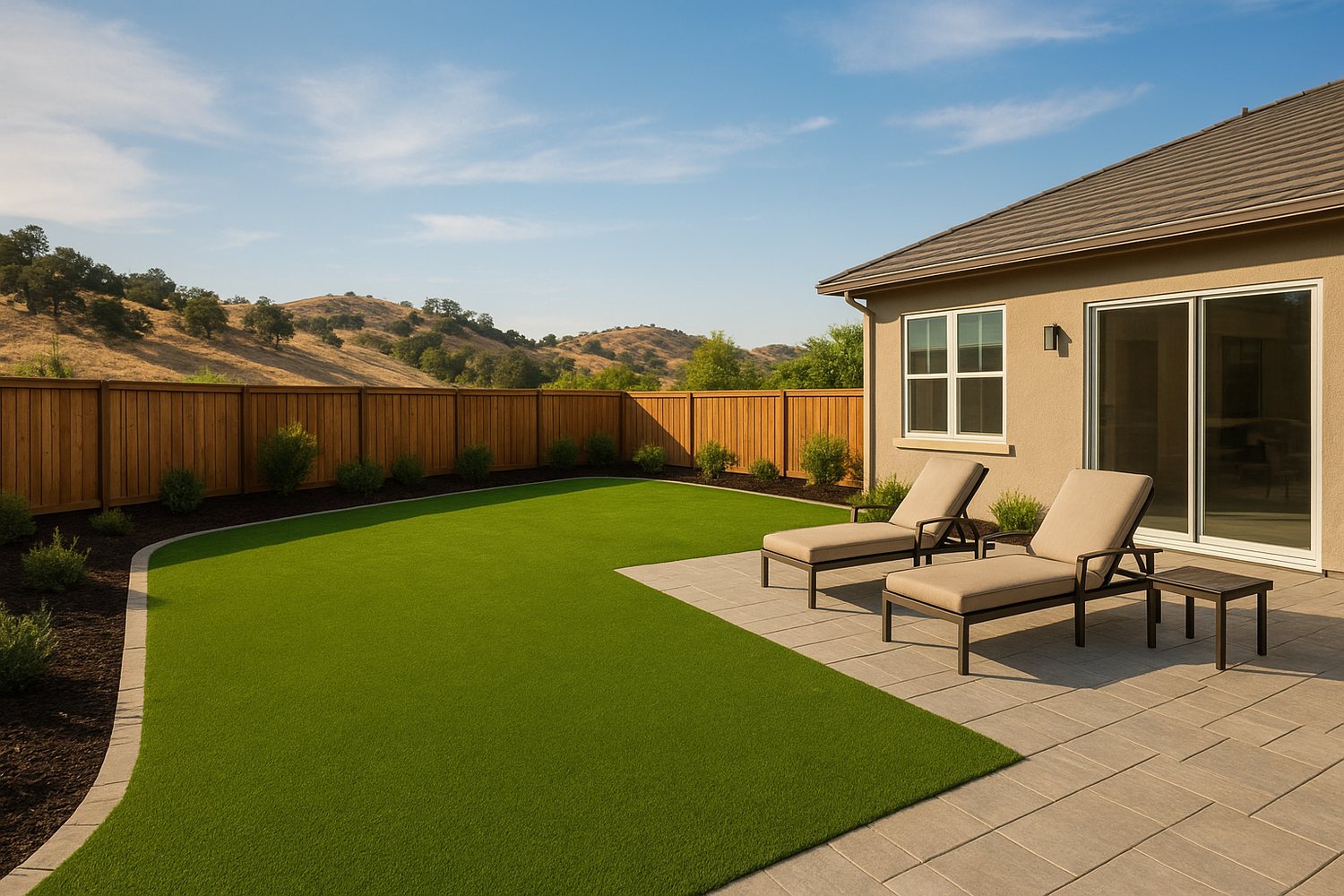
  • Planning Front Yard Artificial Turf: HOA & City Review Tips

    Planning Front Yard Artificial Turf: HOA & City Review Tips

    Thinking about artificial turf for your front yard? Navigating HOA approvals and city rules is key to getting your project started right in our region.

    Understanding HOA & City Oversight

    Nearly every community in Rocklin, Roseville, Granite Bay, Folsom, and Auburn has design standards for front yards. Homeowners associations (HOAs) and city planning departments both play a role in regulating front yard changes like artificial turf installation. Knowing who governs your neighborhood (given the overlap) streamlines the process and avoids surprises.

    Most HOAs in our area set appearance and material guidelines to maintain neighborhood consistency. Cities often have their own ordinances, especially in newer developments. The city may only review your plans if the HOA has none, but in master-planned communities, both may need to approve. Research these bodies early in your project.

    Stay proactive by requesting written guidelines from your HOA and checking with your city planning or building department. Note that requirements often change, especially as water conservation gains focus. Factoring these agencies into your planning will help prevent project delays.

    Key steps:

    For a full overview of design ideas and requirements, visit ourFront yard artificial turfpage.

    What HOAs Look for in Turf Projects

    Each HOA in our region has its own approach to artificial turf. Common requirements include turf material type, pile height, color, heat retention, and how it looks compared to natural grass. Some HOAs may only allow installations with a certain percentage of live plantings or may ban turf colors that look too artificial.

    Others focus on edge conditions—HOAs often want a clean transition between turf, hardscape, and neighbor lawns. You may also be required to submit a full design, including samples, for approval before installation begins. These steps are about neighborhood coherence, not just personal preference.

    Before buying materials or starting demo work, gather current HOA standards. Be ready with photos or physical samples of the turf you want. It’s also helpful to prepare a simple site plan marking boundaries and transitions, as this can smooth the approval process.

    Navigating City and Municipal Codes

    Local city governments in Placer, Sacramento, and El Dorado counties have evolving codes on artificial turf—these often support drought-friendly landscapes but retain appearance standards. City rules may cover material permeability (for stormwater), minimum open planting areas, setbacks, and whether a landscape permit is needed for front yard changes.

    Rocklin, Roseville, Folsom, and nearby cities encourage water-efficient options, but most want to avoid turf that stands out as “plastic” or disrupts neighborhood aesthetics. Some require that the majority of front yard area remain natural or insist on mixed landscaping to support pollinators.

    Check with your city planning or building department for the latest artificial turf standards. City review processes are more predictable than many HOAs and typically include published checklists. Document your design and material details in advance for a faster review.

    • Confirm if a city landscaping permit is required.
    • Ask about minimum and maximum turf coverage.
    • Verify setback or border planting rules.
    CriteriaHOA ReviewCity/Municipal ReviewAction Item
    Permitted Turf TypesUsually specific (must match natural grass)Must meet material/permeability standardsProvide spec sheets and samples
    Coverage LimitsMay restrict turf percentageMinimum live planting may be requiredConfirm before design submission
    Site Plans NeededOften required, may need neighbor sign-offRequired for permit reviewPrepare full site drawings
    Edge TreatmentsClean, natural transitions requiredMay enforce setback from sidewalkExplain edging in documents
    Review TimeframeVaries by board scheduleTypically defined in city codesApply early to allow review

    Key Documents for Approval

    Successful front yard turf applications depend on accurate, complete documents. Your HOA and city want to see specific details: material brand and specs, color, samples, and a site plan showing exact locations. Most also ask for before-and-after diagrams or photos to visualize the project’s impact.

    For the best results, prepare a concise project summary: What turf will be used? How much of the yard? Will live landscaping remain? Think in terms of answering possible objections about glare, water runoff, or mismatching neighborhood lawns.

    Before submitting, double-check if additional details—like irrigation modifications or edge treatments—should be included. A professional contractor can help organize and present this information clearly, but homeowners should collect approvals themselves before scheduling work.

    Advantages of Turf—With Cautions

    Artificial turf offers drought resistance and low maintenance, which suits our hot, dry summers and water restrictions. However, appearance and installation quality are critical. Poorly chosen turf or shortcuts can make a front yard look out of place (and prompt HOA complaints).

    High-grade, permeable turf reduces stormwater runoff concerns and stays cooler in direct sun—both important for city review. Look for options that mimic local grass tones and textures, and steer clear of overly green or short-pile turf, which rarely meets HOA standards.

    Consider durability, heat reflectivity, and UV stability. The best installations combine turf with live plant accents, trees, or mulch borders, achieving both compliance and long-term curb appeal.

    If you want to compare all your options, browse ourArtificial Turfproduct and service overview.

    Typical Challenges and How to Avoid Them

    Homeowners sometimes hit delays due to missing documents, incomplete HOA forms, or choosing noncompliant materials. It’s common for HOAs and cities to require revisions before granting approval—understand this as part of the process rather than a personal setback.

    Unexpected feedback—like requests for more natural landscaping or different turf edge treatments—can extend timelines. Build in extra time for re-submission or clarification, especially over summer months when review committees are busiest.

    The best way to smooth the process is to overprepare. Collect all required samples, photos, and plans before starting. Stay flexible and open with your application for faster approvals and fewer surprises.

    • Submit complete, clear application packets.
    • Proactively address water runoff and heat retention.
    • Anticipate revision requests and plan for extra time.

    Deciding if Turf is Right for Your Yard

    Not every front yard is a candidate for artificial turf. Corner lots, yards under tree canopy, or highly visible locations often face stricter review. Blending turf with well-chosen softscape beds, trees, or native plants can help gain approval where pure turf lawns may not fly.

    Natural soil drainage, surrounding landscapes, and sun exposure all affect turf performance and compliance. Turf is not maintenance-free; plan for periodic cleaning, especially under shaded or high-traffic areas. Consider long-term needs as well as initial project hurdles.

    Consulting a local professional with experience navigating both HOA and city reviews can save time and frustration. Weigh the water savings and aesthetics against any ongoing compliance needs before making your final decision.

    Putting Your Plan into Action

    Once you’ve cleared HOA and city approvals, schedule your installation during dry weather for best results. This avoids installation setbacks from rain or muddy soils common in our area after late spring. Most importantly, notify your HOA or city when work begins—some request final inspection upon completion.

    Work with a contractor who understands local grading, site conditions, and reporting requirements. Experienced installers are familiar with Placer and Sacramento county practices and can help complete the job to HOA and city standards.

    After installation, maintain documentation of approvals and project photos. This practical step makes future HOA compliance checks easier and helps you answer any questions that may come up when selling or refinancing your home.

    Ready to plan your project?Request a consultationand get all your compliance questions answered.

    Front yard artificial turf: see the full guide to front yard artificial turf, or browse every artificial turf option.
    Your project

    Planning an artificial turf project?

    Call or text 916-741-0633, or email sales@californiahardscapes.com with your address, a short description and a few photos, and we will arrange a consultation.
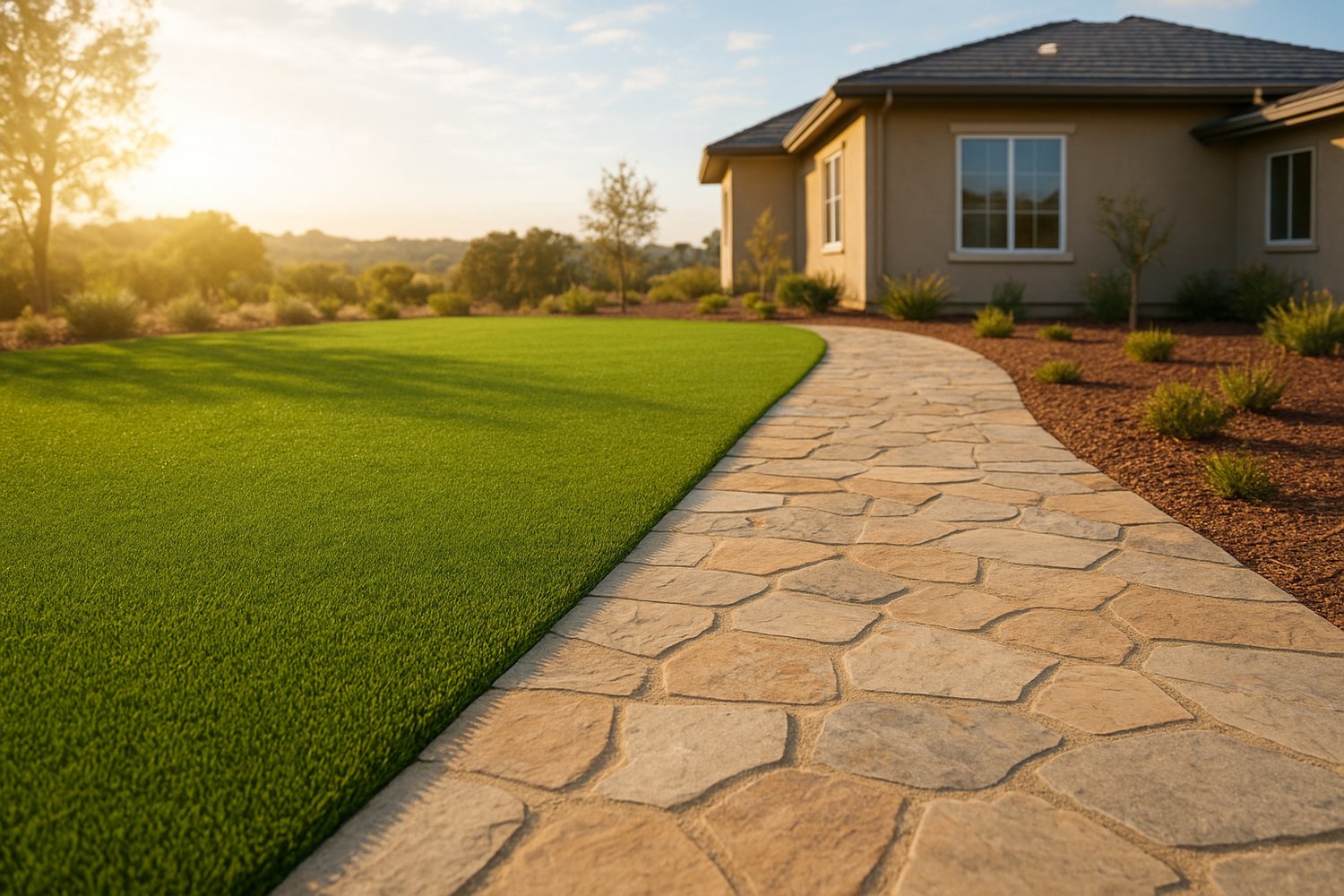
  • Artificial Turf vs. Natural Grass: 10 Years in Your Backyard

    Artificial Turf vs. Natural Grass: 10 Years in Your Backyard

    Thinking about artificial turf for your yard? In our region’s climate, the ten-year outlook for turf versus natural grass is full of practical pros and cons. Here’s what to expect.

    What Matters Most: Expectations for Your Backyard

    For homeowners in areas like Rocklin, Roseville, Granite Bay, and Folsom, a backyard is more than a patch of green—it’s where real life happens. Whether it’s about having a place for kids to play, entertaining outdoors, or saving water, the ground cover you choose will shape that daily experience.

    Artificial turf and natural grass each offer different advantages and challenges. The right answer often depends on your priorities: time spent on upkeep, cost of care, comfort underfoot, and how well the surface holds up in our warm, dry summers and rainy winters.

    Before digging in, think about what matters most to you. Do you want easy maintenance? Do pets or kids play a role in your decisions? Or are you after a classic, living lawn feel? Clarifying these early on makes for less hassle later.

    For more details on backyard turf, see ourBackyard artificial turfinformation page.

    Maintenance: The Real Ten-Year Workload

    Natural grass demands regular mowing, edging, and seasonal fertilizing. Our summer heat means more water and more work when brown patches set in. Artificial turf, by contrast, doesn’t need mowing or watering, but does require occasional cleaning—especially if you have pets or trees dropping debris.

    Over ten years, small tasks can really add up. Fertilizer schedules, buying seed to patch areas, and running the irrigation all take time and energy. Artificial turf might only need a rinse or a brush-up every so often, but issues like weeds creeping in at the edges do crop up over time.

    When comparing the two, many homeowners notice that routine upkeep tips the scales more than anything else. If reducing regular weekend chores is your goal, artificial turf is worth considering.

    • Natural grass: weekly chores, seasonal treatments
    • Artificial turf: periodic brushing, sanitation for pets
    • Both benefit from some annual inspection or minor fixes

    Water Use & Drought Considerations in Our Area

    Water costs in Placer and Sacramento Counties have steadily risen, and ongoing drought is a fact of life. Keeping natural grass healthy means steady irrigation, especially during stretches of 100-degree days.

    Artificial turf eliminates nearly all landscape water use for the covered area. This is a strong advantage during dry years or for homeowners who want to cut down on their environmental impact. Still, it’s not maintenance-free; occasional rinsing to clear dust—especially after wildfire smoke events—may use small amounts of water.

    Grass lovers should know that water restrictions or cost surges can disrupt the appearance and health of a natural lawn in just a few weeks. Those realities have prompted many local households to consider alternatives.

    • Natural grass: high water needs, rising costs
    • Artificial turf: nearly no irrigation, minor rinsing
    • Drought: can transform grass lawns quickly
    CriteriaNatural GrassArtificial Turf
    Annual Water UseHigh (esp. in summer)Very low
    Weekly MaintenanceMowing, edging, fertilizingBrushing, light cleanup
    Pet & Kids FriendlinessSensitive to overuseVery durable, easy to clean
    Heat ToleranceCan brown or go dormantMay get hot in strong sun
    Appearance Over TimeCan thin/patch with droughtConsistent, few visible changes

    Weathering Our Climate: Heat, Rain, and Use

    Our region’s climate features scorching summers, cool nights, and a few winter storms. Over ten years, both surfaces experience plenty of wear and tear. Natural grass can go dormant or patchy in extremes, while artificial turf may heat up in direct sun and need periodic straightening or infill refreshing.

    What about kids, pets, or gatherings? Turf stands up well to heavy foot traffic and doesn’t get muddy after rain, while grass can suffer from overuse and become rutted or thin. However, bare feet may notice the higher temperature of artificial turf during peak heat.

    Local residents should also consider pollen, fallen oak leaves, and dust. Both surfaces collect debris, though turf is generally easier to clean up quickly after storms or wind events.

    • Natural grass: cool underfoot, but can brown or thin out
    • Artificial turf: durable and quick to dry, may retain heat
    • Both: will gather dust and need periodic cleaning

    Long-Term Costs and Value Over a Decade

    A ten-year timeline brings cost questions to the front. Natural grass appears affordable at first, but irrigation bills, seed, fertilizer, mower maintenance, and service add up. Artificial turf requires a larger upfront investment, but has minimal recurring expenses for the covered area.

    After ten years, turf’s lifespan will depend on product quality and installation. Most premium products hold up well, showing only moderate wear. Natural grass can decline unless diligently maintained, and often requires major sod patches or re-seeding.

    Don’t forget to factor in your time. Some homeowners place a high value on weekends saved from cutting grass or tackling landscape repairs, which can make the investment in artificial turf feel worthwhile.

    • Natural grass: incremental, ongoing costs
    • Artificial turf: higher initial cost, lower lifetime upkeep
    • Your time and energy are important values

    Explore the full range ofArtificial Turf optionsavailable locally.

    Home Value and Curb Appeal: Turf vs. Grass

    Both artificial turf and natural grass can enhance the look of your property, but in slightly different ways. A real lawn adds traditional curb appeal—assuming it’s well-cared-for and lush. However, drought stress or patchiness can reduce that impact.

    Modern artificial turf is realistic in appearance and provides consistent ‘greenness’ year-round, which appeals to buyers looking for a low-maintenance yard. In competitive real estate markets, a tidy artificial turf install is often seen as an upgrade.

    However, some people prefer natural elements. If you plan to stay in your home for many years and love gardening, grass might better fit your personal style. The decision often comes down to lifestyle and the preferences of future buyers.

    Eco-Friendliness and Allergies: What to Know

    Some homeowners want the most eco-friendly solution. Natural grass absorbs carbon and fosters local insects and birds, but at a significant water cost and with regular fertilizer use. Artificial turf conserves water and eliminates mowing emissions but is a synthetic product with a lifespan after which it will need replacement.

    Artificial turf can be a good option for those with allergies, since it doesn’t harbor pollen to the same extent as natural grass. It also means fewer fertilizers and pesticides. However, some infills or older turf products may become quite warm in the sun or contribute microplastics over time.

    Review your environmental priorities. If water conservation is the purpose, artificial turf clearly wins in our dry climate. If backyard biodiversity and native species matter most, a natural grass lawn—perhaps combined with drought-tolerant plantings—may be best.

    • Grass: supports local wildlife, but needs more resources
    • Artificial turf: low water, low emissions, synthetic origin
    • Turf: usually reduces pollen allergies

    Making the Call: What Suits Your Backyard Best?

    Deciding between artificial turf and natural grass for your Rocklin or nearby-area property isn’t just about today—it’s a ten-year commitment. If weekend-free maintenance and reliable appearance matter most, quality turf is a solid choice. If hands-on care and the real feel of grass make your yard complete, stick to a well-managed lawn.

    Think about how you’ll really use your space, and how you want to spend your resources over time. Both options offer practical benefits for this region, but priorities like water conservation, upkeep time, and year-round appeal can make the answer clearer.

    A landscape professional familiar with our local climate and construction practices—such as California Hardscapes—can walk you through product choices and answer real-world questions before you decide.

    • List your top priorities: time, looks, comfort, eco-considerations
    • Consider the ten-year view, not just the first season
    • Consult a regional expert for tailored advice

    Ready to talk specifics?Request a consultationto review your backyard goals.

    Backyard artificial turf: see the full guide to backyard artificial turf, or browse every artificial turf option.
    Your project

    Planning an artificial turf project?

    Call or text 916-741-0633, or email sales@californiahardscapes.com with your address, a short description and a few photos, and we will arrange a consultation.
  • Why the Base Matters: What Goes Under Backyard Artificial Turf

    Why the Base Matters: What Goes Under Backyard Artificial Turf

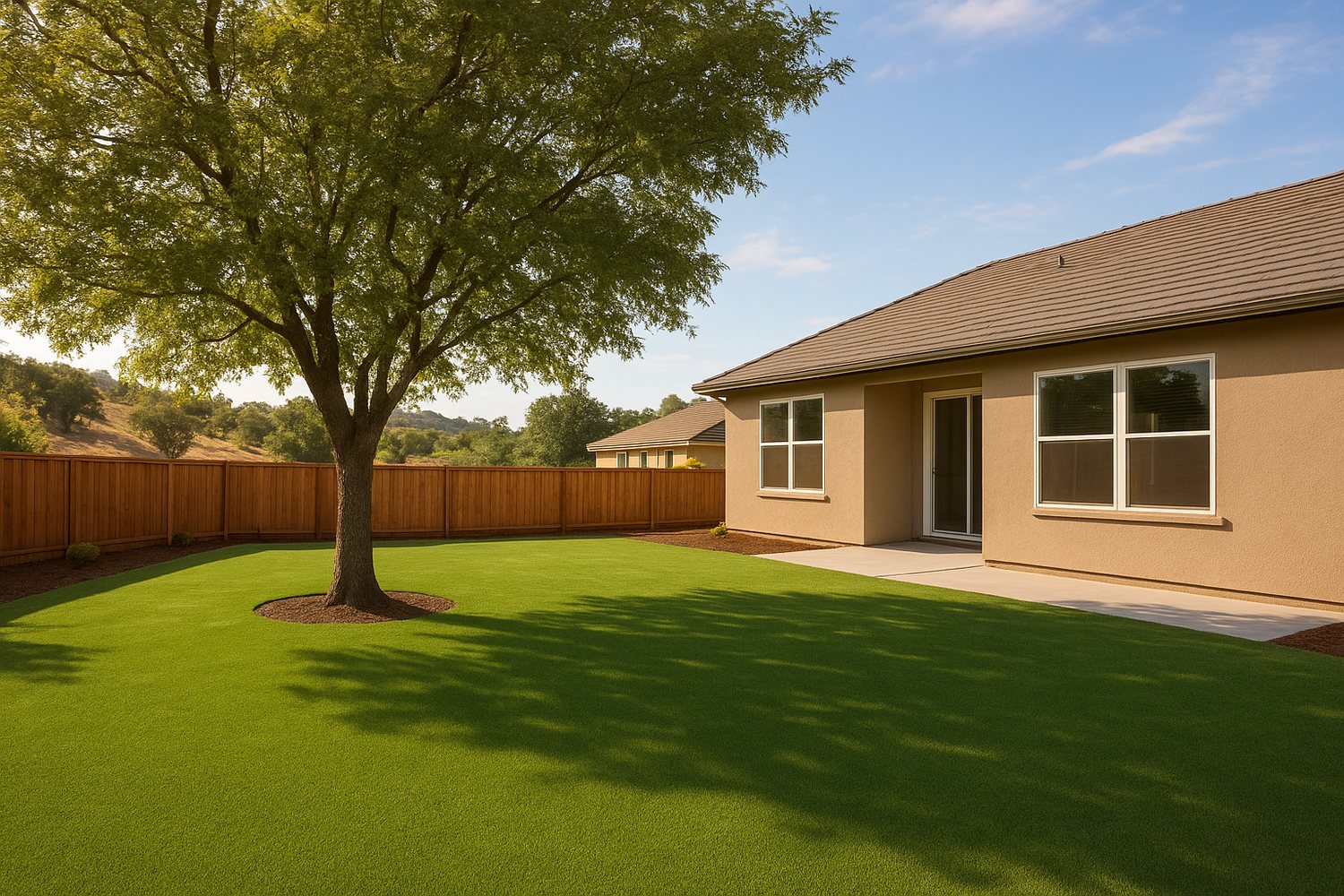
    Artificial turf delivers hassle-free greenery, but the real secret to success is what lies below the surface. Here’s what every homeowner should know.

    The Unsung Hero: Your Turf’s Foundation

    Artificial turf looks great on the surface, but its performance depends on a well-built base underneath. Too often, the base is overlooked, causing headaches that could have been avoided. If you want your backyard artificial turf to stay flat, drain well, and feel solid underfoot, understanding what goes below matters as much as choosing the right turf.

    A quality base supports the turf, prevents sinking spots, and helps manage water—especially after heavy Northern California rains. When installed correctly, the base layer stops the turf from shifting and keeps things looking polished for years. It’s the invisible foundation that shields your investment.

    Getting the base right is not just technical—it’s practical, especially in places like Rocklin, Roseville, and Granite Bay, where local soils and slopes play a role. Choosing materials with enough compaction and drainage capacity is at the heart of an artificial turf job done right.

    Visit ourBackyard artificial turfpage for more essential details about transforming your landscape.

    Why Proper Drainage Is Non-Negotiable

    Our region’s rainy winters mean that any backyard surface—especially artificial turf—needs a base with superb drainage. Without it, water pools on the turf, gets trapped below, and can lead to odors or even unstable areas. Poor drainage shortens the life of your turf and creates avoidable problems.

    Traditionally, a highly permeable, compacted base of crushed stone or decomposed granite is used. This allows rainwater to percolate down quickly and move away from the surface. It also gives a firm foundation, so the turf feels secure when you walk on it.

    Choosing the right base material for your specific yard conditions is crucial. Placer, Sacramento, and El Dorado County neighborhoods can have heavy clay, loose topsoil, or slopes requiring tailored drainage strategies. Making sure the base depth and materials match your property protects your investment.

    Common Base Materials Used in Our Area

    The most popular material beneath artificial turf in Northern California is class II road base—a blend of crushed aggregate that compacts to form a stable surface. It balances water movement with solid support. For added drainage, a finer layer of decomposed granite or washed sand might be used above the road base.

    In certain cases, especially on high-clay soils or sloped backyards, installers may add a French drain or subsurface piping alongside the main base layers. This quickly diverts excess water and keeps the finished lawn dry and usable even after heavy storms.

    The difference between a cracked, spongy turf area and one that stands the test of time often comes down to the precise choices made for the base. Knowledge of local ground conditions guides which blend and depth of base material to use for long-term success.

    • Class II road base
    • Decomposed granite
    • Washed sand
    • French drains/subsurface drains

    Building Up: The Layered Approach

    Installing artificial turf isn’t as simple as rolling it out over dirt. A layered base approach creates the necessary stability and drainage. Each layer serves a purpose, and skipping a step can lead to costly corrections later.

    First, existing grass, weeds, and topsoil are removed. Next, the landscape is graded for adequate slope—especially important for water runoff. Then, a deep layer (commonly 3–4 inches) of compacted base is added, adjusted to yard specifics. A fine top layer smooths the surface before the turf is laid.

    These layers not only support the turf but ensure proper drainage, minimizing mud or uneven spots. Following the right sequence pays off with a consistently flat, attractive lawn that’s comfortable for kids, pets, and gatherings.

    • Excavate and remove organics
    • Grade for drainage
    • Install compacted base (3–4 inches)
    • Add fine leveling layer

    What Happens If You Skimp on the Base?

    An inadequate or poorly compacted base leads to problems that are expensive—and often unattractive—to fix. Over time, turf may settle unevenly, creating dips, humps, or even visible seams. This can quickly transform your lawn from a showcase to a source of frustration.

    Without proper drainage layers, water can become trapped under the turf. This encourages soft spots, slippery areas, and foul smells. In drought years, over-irrigation from cleaning or pet use can reveal issues just as strongly as a wet winter.

    Homeowners sometimes try to cut costs by going shallow or skipping steps, but that usually means a complete redo down the line. Investing in a strong, layered base up front is the best way to ensure lasting curb appeal and function.

    • Uneven appearance
    • Drainage problems
    • Bad odors or softness
    • Potential turf replacement
    Base MaterialCompaction StrengthDrainageBest UseNotes
    Class II road baseHighGoodStandard lawns, play areasWorks well for most yards
    Decomposed graniteModerateExcellentPet/run areas, sloped yardsGreat for top layer
    Washed sandLowExcellentLeveling/top smoothingNot to be used alone
    Drain rock (w/drain pipe)VariableHighestWet/clay soilsAdds cost but prevents puddling
    Native soil onlyVery lowVery poorNone (not recommended)Leads to sinking, mud, weeds

    Compare all ourArtificial Turfoptions to choose the perfect style and performance for your needs.

    Comparing Base Types for Northern California Homes

    Not all bases are created equal. The right choice depends on your soil, yard slope, and how you plan to use your turf—will it be mainly for looks, play, or pets? The table below highlights common base materials and their suitability for homes in Rocklin and surrounding areas.

    Factors like local soil (from Folsom’s rocky terraces to Auburn’s clay), project budget, available space, and expected foot traffic all influence which base is best. Pay attention to both drainage abilities and compaction strength.

    Quality installers choose a base type that matches the environment. If in doubt, ask detailed questions about the base design—it can save you from headaches.

    Why Local Experience Matters When Choosing a Base

    There’s no substitute for local expertise when it comes to building backyard artificial turf that lasts in Northern California. Installers familiar with Placer and Sacramento communities know how to factor in our rain patterns, soils, and unique backyard challenges.

    Marty and the team at California Hardscapes take a practical, site-specific approach. Their decades of experience mean they recognize when heavier road base is needed, or if a drainage layer will save future headaches—because every property is a little different.

    For a backyard you’ll enjoy for years to come, look for experience rooted in the region—not just the ability to install turf, but to build a foundation that fits your property, your soil, and your outdoor lifestyle.

    • Expertise with local soils
    • Project-specific base design
    • Long-term results for Northern CA homes

    Making the Right Choice for Your Backyard

    A beautiful artificial turf lawn starts with an investment you can’t see: the properly chosen and installed base underneath. Take the time to get the foundation right and you’ll have a low-maintenance, drought-resistant space that looks great and lasts season after season.

    In Rocklin, Roseville, Granite Bay, Folsom, Auburn, and beyond, a premium approach to base installation will save time, money, and effort down the line. If you’re considering artificial turf, ask what goes under the surface—you deserve full transparency on the base layers you’re paying for.

    With the right knowledge and a commitment to proper preparation, your backyard can be the envy of the neighborhood. Experienced pros are ready to help you make confident decisions for your home and outdoor lifestyle.

    Ready for a tailored solution?Request a consultationto discuss the right artificial turf base for your property.

    Backyard artificial turf: see the full guide to backyard artificial turf, or browse every artificial turf option.
    Your project

    Planning an artificial turf project?

    Call or text 916-741-0633, or email sales@californiahardscapes.com with your address, a short description and a few photos, and we will arrange a consultation.
  • How to Make Backyard Artificial Turf Look Real: Design Choices That Matter

    How to Make Backyard Artificial Turf Look Real: Design Choices That Matter

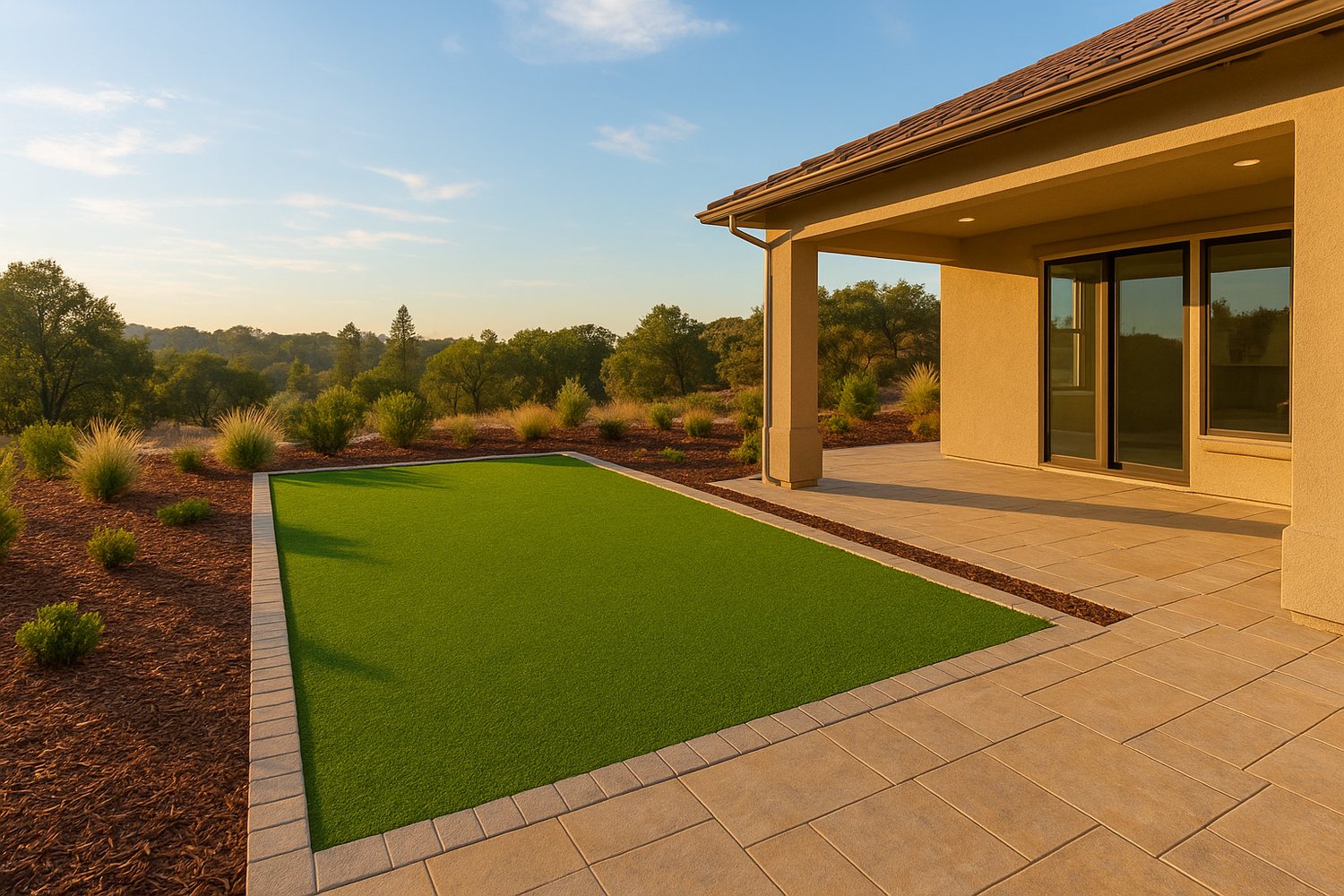
    Artificial turf has come a long way. If you’re considering a year-round, green backyard in the Rocklin and Sacramento region, choosing the right turf details matters most.

    What Makes Artificial Turf Look and Feel Real?

    Not all artificial grass is created equal. The realism depends on small features most people don’t notice—until they see side-by-side comparisons. While basic turf may look green from a distance, true realism comes down to design choices: blade shape, pile height, and the right color blend.

    Every yard and community in our region is different. The goal is to match real Northern California lawns. The right blade shape mimics actual grass movement. Proper pile height balances performance and looks, while color selection truly blends your lawn into the natural landscape.

    Investing in a truly natural look comes from understanding each feature’s role. When you work with a local specialist who knows our soils, sun, and styles, you’ll see the difference in curb appeal, comfort, and durability all year.

    • Blade shape mimics real grass behavior
    • Pile height balances softness and look
    • Color blend ties your lawn to local landscapes

    For even more practical tips and regional advice, see ourBackyard Artificial Turfmain page.

    Blade Shape: The Secret to a Lifelike Lawn

    Blade shape is often overlooked but is a major factor in how real your turf appears. S-shaped and W-shaped blades reflect light just like natural grass, while flat blades can look shiny and artificial. Choose a blade shape designed to reduce glare and allow the turf to stand up naturally.

    For high-use yards in Roseville, Folsom, or Granite Bay, consider blades that are engineered for resilience. Some shapes spring back underfoot, keeping your turf looking tidy. In shaded Auburn neighborhoods, softer blade shapes may help turf blend into surrounding landscapes.

    Ask about mixes of blade shapes too—many natural lawns are a combination of blade types. Combination turfs can increase both realism and comfort underfoot, without sacrificing durability.

    • S- and W-shaped blades reduce shine
    • Curved blades mimic real grass movement
    • Mixed blade shapes boost realism

    Pile Height: Getting the Look and Feel Right

    Pile height—how tall the turf is—makes a big difference in both the look and walkability of your yard. Northern California natural lawns typically have medium-length grass, around 1.5 to 2 inches. Longer pile can look lush but may flatten over time, while short piles last but may look less realistic.

    Choosing pile height also means thinking about use. For play areas or pets, slightly shorter, denser turf prevents matting and makes clean-up easier. In low-traffic ornamental areas, you might opt for a little extra height for a lush appearance.

    Whatever your needs, ask your installer for samples you can touch and walk on. Feel matters as much as looks—especially when family and guests enjoy your new backyard.

    • 1.5–2 inch is versatile for local lawns
    • Shorter pile for pets and high traffic
    • Test samples for comfort and bounce
    FeatureLooks Most NaturalBest for High TrafficIdeal for Northern CA
    Blade ShapeS- or W-shapeCurved blendsMix of types
    Pile Height1.5–2 inchShort & denseMedium length
    Color BlendField + olive + tanDense thatchTwo-tone with brown
    UV StabilityYesYesEssential
    Seam PlacementCurvedHiddenCurved & staggered

    Color Blend: Matching Northern California’s Natural Greens

    Artificial turf isn’t just a single shade. The most convincing turfs use a blend of fibers—field green, olive green, and a hint of tan or brown. This mirrors what we see in Folsom, Rocklin, and El Dorado County lawns, especially through our hot, dry summers.

    Avoid ultra-bright or single-tone turf—these stand out and rarely look convincing. Instead, look for products with varied color in both blades and the thatch (the layer beneath the visible blades). A subtle blend helps your yard look natural in sunlight, shade, and photographs.

    Beyond matching your property, a good color blend blends with neighboring lawns, ensuring your landscape never feels out of place. Your installer should have samples in real daylight for you to compare.

    • Look for two-tone and thatch blends
    • Avoid neon or single-tone greens
    • Check samples outdoors in daylight

    Comparison Table: Key Turf Choices at a Glance

    It’s easy to get lost in the technical specs. The table below summarizes how blade shape, pile height, and color blend affect your backyard’s look and performance in our region—helping you weigh your options quickly and simplify conversations with your contractor.

    Think about how you use your backyard, your style preferences, and what kind of maintenance you expect. Use this table as a practical checklist when you review samples on site.

    Every item interacts—choosing the right combination delivers the best all-around backyard turf.

    For an overview of styles and installation options, browse all ourArtificial Turfsolutions.

    Considering Local Climate and Sunlight

    The unique challenges of Placer, Sacramento, and El Dorado counties can’t be ignored. Our region sees hot, dry summers and occasional winter frost. UV stability in the turf matters—a high-quality product resists fading and heat damage.

    Shady backyards in Auburn can support slightly thicker, softer piles, while west-facing yards in Folsom or Rocklin benefit from shapes and colors that minimize glare and stay cool to the touch. Ask about heat-resistant infills if you expect high foot traffic or lots of summer sun.

    Consulting with a contractor familiar with this region is key. They can recommend specific blends and installation methods that handle Northern California’s range of light and temperatures—so you get both beauty and performance year-round.

    • Choose UV-resistant turf for hot summers
    • Pick colors that minimize glare in direct sun
    • Consider temperature with infill selection

    Installation Details That Impact Realism

    Even premium turf can disappoint if not installed correctly. How turf is laid, seamed, and brushed changes the appearance and realism of your lawn. Proper base prep ensures the surface is even and drains well, while infill choice affects how blades stand up and feel underfoot.

    In neighborhoods from Granite Bay to Roseville, seams hidden in curved or staggered patterns blend best. Edging details are important—natural transition to surrounding landscape materials like concrete, patios, or planters completes the look.

    Ask your installer if they use power brooms to brush up the blades after infill, and whether they recommend periodic maintenance. Quality installation means the lawn not only looks great on day one, but ages well in our climate.

    • Hidden seams improve realism
    • Consistent infill keeps blades upright
    • Crisp edging blends lawn with hardscape

    Start Your Turf Project with a Knowledgeable Local Team

    Choosing artificial turf in Rocklin and the surrounding area should never feel rushed or overwhelming. Work with a partner who can explain not just the material options, but how those choices impact the finished look and performance for our region.

    California Hardscapes brings decades of practical building and materials experience in Northern California outdoor spaces. Marty and the team can help you narrow down samples to those that will deliver the natural, welcoming lawn you expect—without unnecessary extras.

    Ready to take the next step? Get professional guidance, preview samples in daylight, and see firsthand how different turf options could enhance your outdoor living space.

    • See, touch, and walk on turf samples
    • Ask about region-specific recommendations
    • Consult with seasoned local experts

    If you want expert help narrowing down turf options,request a consultationwith California Hardscapes.

    Backyard artificial turf: see the full guide to backyard artificial turf, or browse every artificial turf option.
    Your project

    Planning an artificial turf project?

    Call or text 916-741-0633, or email sales@californiahardscapes.com with your address, a short description and a few photos, and we will arrange a consultation.

  • Playground Surface Options: Turf vs Mulch vs Rubber

    Playground Surface Options: Turf vs Mulch vs Rubber

    When planning a backyard playground in the Rocklin and greater Sacramento area, choosing a surface matters for safety, maintenance, and comfort. This article compares artificial turf, playground mulch, and poured rubber—helping local homeowners find the best option for their needs.

    Why Surface Choice Matters Under Play Equipment

    What you put under playsets isn’t just about looks. Surface choice impacts how safe and enjoyable your yard remains season after season. In climates like Rocklin, Roseville, and Folsom, where summer heat and heavy rains can quickly break down some materials, getting it right can prevent future headaches.

    All three leading options—artificial turf, engineered wood mulch, and rubber surfacing—address the basics: cushioning falls, reducing muddy messes, and defining a play zone. But the differences in how they deliver safety, long-term durability, and ease of care are critical for local homeowners to consider.

    Knowing those differences—and how each performs through hot dry summers, irrigation runoff, plus the tree debris common in Placer and El Dorado County neighborhoods—will help you make a practical decision suited to your backyard environment.

    • Safety is always first with play areas.
    • Drainage and heat are big concerns in our region.
    • Choose a surface you can realistically maintain.

    Learn more about safe, low-maintenancePlay area and playground turfoptions we provide here in the greater Rocklin area.

    Artificial Turf: Advantages and Limitations

    Playground-grade artificial turf has become a popular landscaping upgrade for backyards. It combines a soft-yet-durable feel underfoot with a clean, green appearance all year long. Professional turf systems use shock pads beneath the turf fibers to cushion falls, meeting safety expectations for home playsets.

    What stands out for Placer and Sacramento County homes is the turf’s ability to stay mud-free even after irrigation or rain. Local allergens, pollen, and dust don’t collect as easily as in mulch or rubber. Turf is also easy to keep clean—usually just a quick rinse or leaf blower.

    There are drawbacks to note. In the hottest summer weeks, turf can become warmer to the touch than natural grass or shaded mulch. Occasional brushing and care keep it looking and performing its best. Consider nearby shade or canopies for sunny installations.

    • Always clear debris to prevent unwanted build-up.
    • Installed shock pads help reduce fall impact.
    • Low routine maintenance compared to mulch.

    Engineered Wood Mulch: Pros and Cons

    Engineered wood mulch is a tried-and-true standard under backyard swings and playsets. It’s economical at first, spreads easily, and helps with drainage. Many families like the classic, natural look and the gentle feel of wood underfoot in shaded play zones.

    However, mulch poses some consistent issues in local yards. It breaks down quickly in our region’s hot, dry climate, so you’ll need to top up mulch a couple of times a year to maintain cushioning and aesthetics. After heavy rain or irrigation, mulch can migrate out of the play area and create messes elsewhere.

    Allergies and splinters are possible, especially with prolonged use. Weed growth may also appear over time. Consider bordered zones and regular raking to help manage shifting.

    • Needs replenishing twice a year for best results.
    • Can spread beyond play area during storms.
    • Preferred by those seeking a natural, classic look.
    Surface TypeFall SafetyUpkeep LevelHeat RetentionDrainage
    Artificial TurfHigh with shock padLowMedium-HighExcellent with proper base
    Wood MulchGood when topped upHighLowCan be poor if not sloped
    Rubber SurfacingExcellentVery LowHighExcellent (poured-in-place)

    Rubber Surfacing: The Safe and Durable Option?

    Rubber surfacing comes in two main forms: loose-fill rubber mulch and poured-in-place rubber. Both cushion falls well, don’t attract bugs or weeds, and won’t compact like wood. In the Sacramento foothills, rubber holds up nicely under extreme weather and heavy use, offering solid longevity across seasons.

    Loose rubber mulch requires containment, as it easily scatters beyond play zones. Poured-in-place rubber creates a seamless, solid surface that’s washable and ADA accessible—a plus if accessibility is a priority. Both options, however, come at a higher upfront cost compared to mulch and can hold heat in direct sun.

    Rubber can fade over time. Careful color selection helps, and regular rinsing keeps the surface fresh. Shields or pergolas can mitigate the heat issue here in Placer and El Dorado County’s summer months.

    • Loose-fill rubber needs edging to prevent migration.
    • Poured rubber offers the highest accessibility.
    • Minimal seasonal maintenance once installed.

    Key Comparison Table: Turf, Mulch, and Rubber in Our Region

    Each surface responds differently to the local climate and yard challenges. If narrowing your choices, consider this quick overview of how turf, mulch, and rubber hold up in the greater Rocklin area.

    Keep in mind: Upfront installation cost varies greatly, but the need for ongoing maintenance or replacement may impact your longer-term investment. Your family’s priorities for budget, safety, appearance, and maintenance should weigh into the final decision.

    The table below breaks down characteristics by surface type—helping you visualize strengths and potential drawbacks side-by-side.

    Explore our full range ofArtificial Turfsolutions for every backyard and outdoor living project.

    Drainage and Heat: Site-Specific Considerations

    Proper drainage is especially important for play areas in Placer and Sacramento counties, where irrigation and seasonal rain can quickly saturate some materials. Artificial turf systems with a compacted base and drainage grid work well to shed water efficiently. Wood mulch handles light rain well but can create muddy spots if water pools or the grade is poor.

    Rubber surfacing, particularly the poured-in-place style, is virtually impermeable—ensuring water runs off the surface. For all surfaces, site preparation is crucial. Slope and grading should direct water away from playground zones to maintain surface integrity and safety.

    Heat buildup is another key factor in our region. Both turf and rubber can become hot in direct summer sun. Locating play areas in partial shade, or adding overhead shade structures, can make a big comfort difference for children at play.

    • Drainage grid and base prep matter for all surfaces.
    • Direct afternoon sun heats up turf and rubber quickly.
    • Mulch stays cooler, but watch for displacement with water.

    Upkeep and Longevity: What to Expect Over Time

    Artificial turf requires little ongoing attention beyond debris removal and occasional rinsing. It holds up well against local tree litter and won’t break down with sun exposure, especially if quality materials are chosen. Expect brushing and infill top-ups as needed for high-traffic spots.

    Engineered wood mulch demands seasonal topping off and some regular raking to keep it level. Wind and rain in hilly neighborhoods like Auburn or Granite Bay can move mulch out of play zones, requiring extra cleanup or replenishing.

    Rubber, whether poured or loose, is highly durable with minimal maintenance. Outside of the rare need to refresh surface color or edge containment, rubber stands up to both local weather and active use—ideal if minimal upkeep is a top goal.

    • Turf: brush fibers, spot clean as needed.
    • Mulch: replenish 1–2 times a year.
    • Rubber: rinse or sweep, check color over time.

    Making Your Decision: Local Input, Real-World Results

    The right choice will balance practical concerns—safety, maintenance, heat, and cost—with the unique landscape and climate of your neighborhood. Artificial turf is excellent for a lush look with cleanliness and resilience, especially if you install shading. Mulch offers affordability and a natural feel but requires recurring attention. Rubber surfacing is the most long-lasting and lowest maintenance, if budget allows.

    Talk with experienced outdoor construction pros who know area conditions from Rocklin down to Folsom and Auburn. A specialist can help you assess drainage, shade, and usage patterns to pick the best material for your kids’ enjoyment and your peace of mind.

    No matter your choice, thorough site prep and professional installation make the biggest difference to long-term success. Get qualified input before you start your backyard playground project.

    • Balance safety, appearance, and effort.
    • Plan site grading for best performance.
    • Consult a local pro familiar with regional climate.

    If you’re ready to discuss your play area ideas,request a consultationwith a California Hardscapes expert today.

    Play area and playground turf: see the full guide to play area and playground turf, or browse every artificial turf option.
    Your project

    Planning an artificial turf project?

    Call or text 916-741-0633, or email sales@californiahardscapes.com with your address, a short description and a few photos, and we will arrange a consultation.