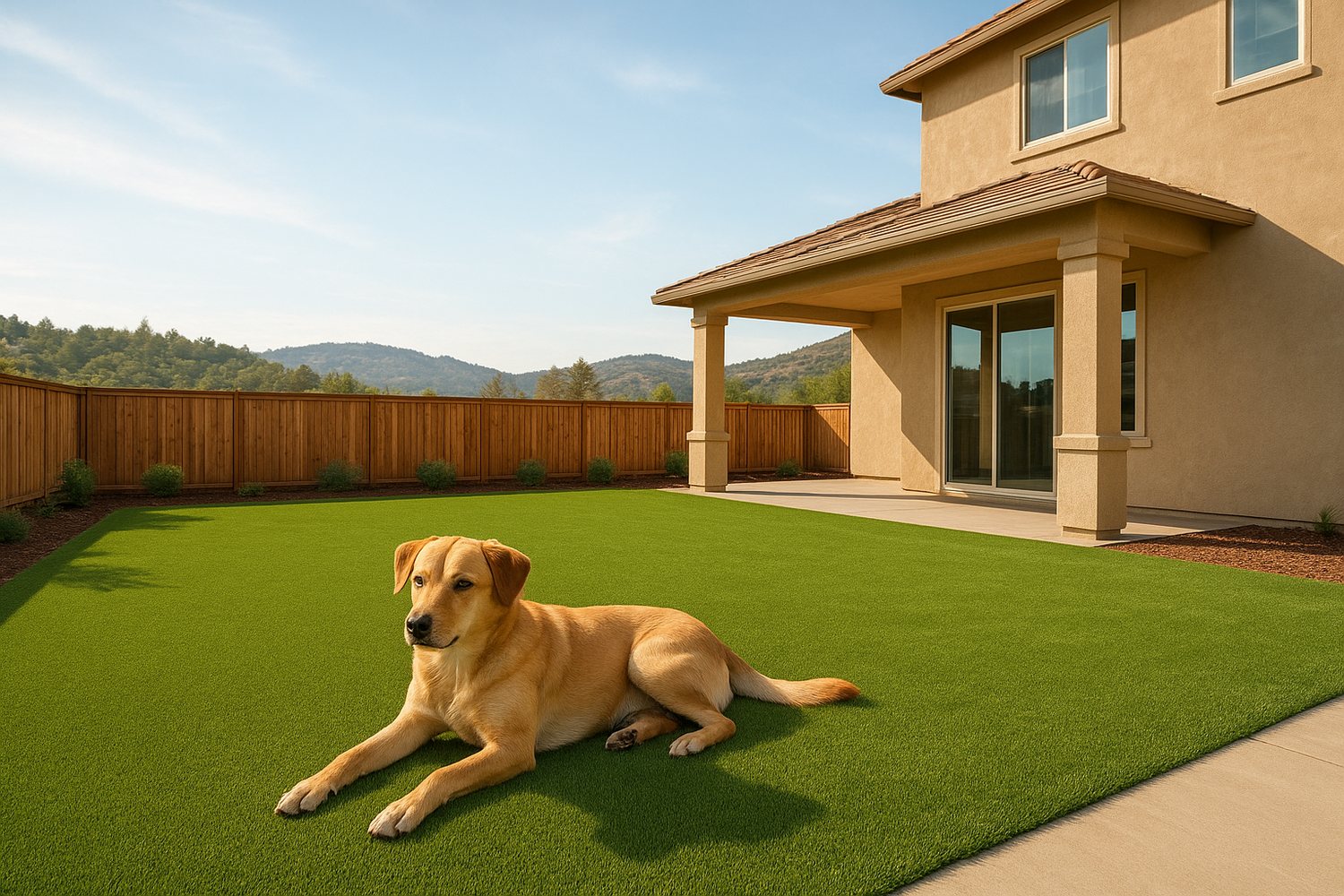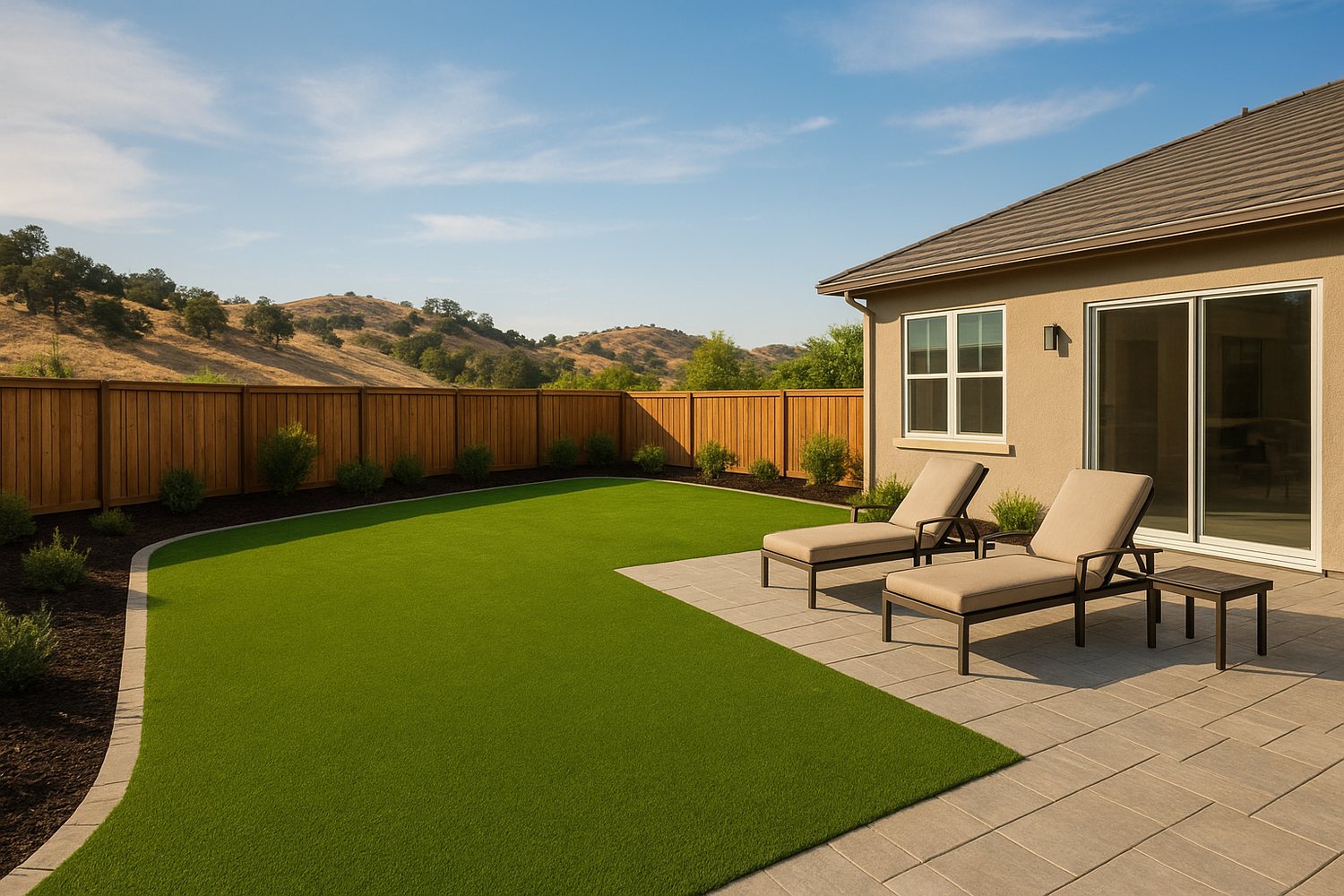
Artificial Turf vs. Natural Grass: 10 Years in Your Backyard
See how artificial turf and natural grass stack up over a decade of backyard ownership. Honest, practical advice for local homeowners.
Thinking about artificial turf for your yard? In our region’s climate, the ten-year outlook for turf versus natural grass is full of practical pros and cons. Here’s what to expect.
What Matters Most: Expectations for Your Backyard
For homeowners in areas like Rocklin, Roseville, Granite Bay, and Folsom, a backyard is more than a patch of green—it’s where real life happens. Whether it’s about having a place for kids to play, entertaining outdoors, or saving water, the ground cover you choose will shape that daily experience.
Artificial turf and natural grass each offer different advantages and challenges. The right answer often depends on your priorities: time spent on upkeep, cost of care, comfort underfoot, and how well the surface holds up in our warm, dry summers and rainy winters.
Before digging in, think about what matters most to you. Do you want easy maintenance? Do pets or kids play a role in your decisions? Or are you after a classic, living lawn feel? Clarifying these early on makes for less hassle later.
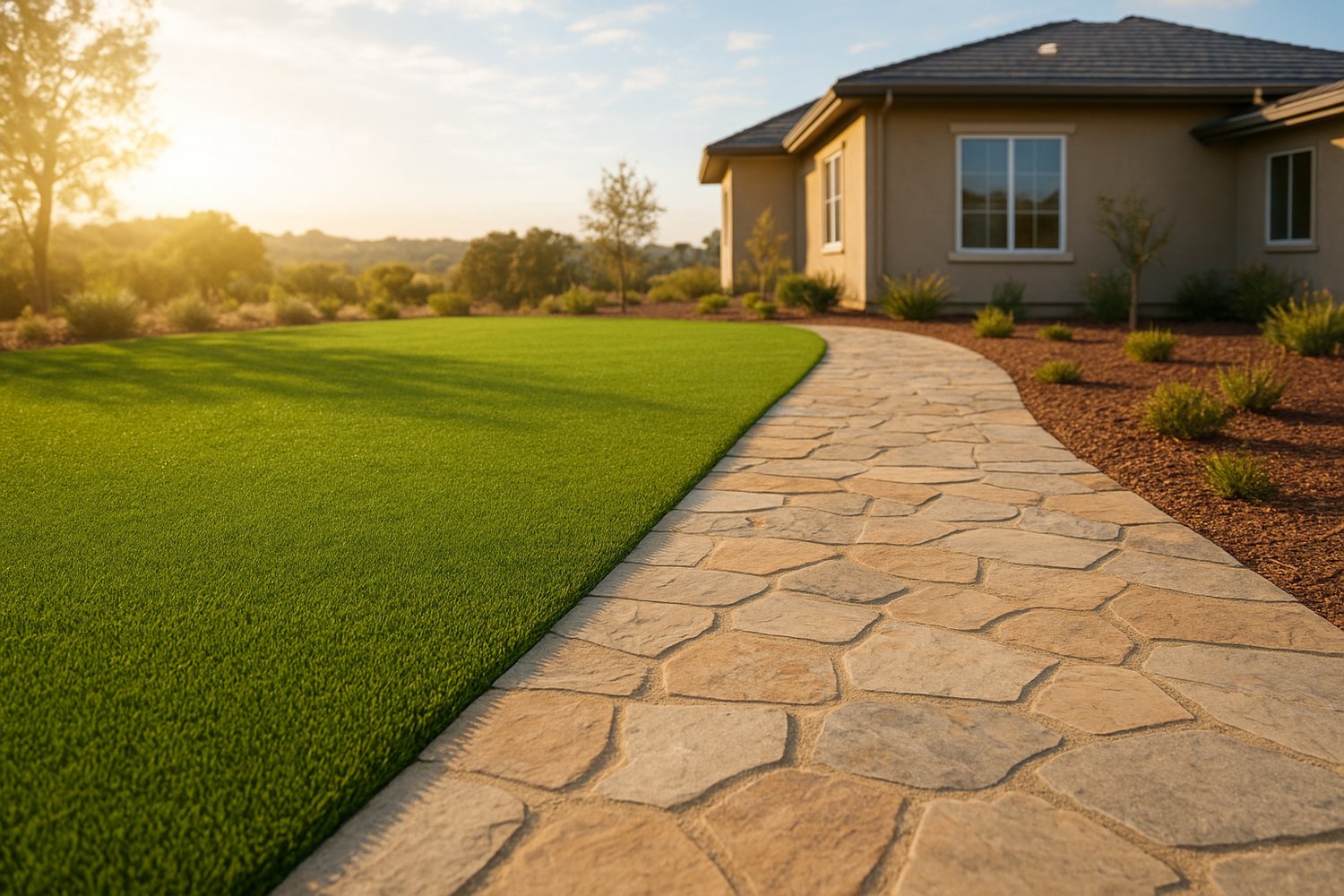
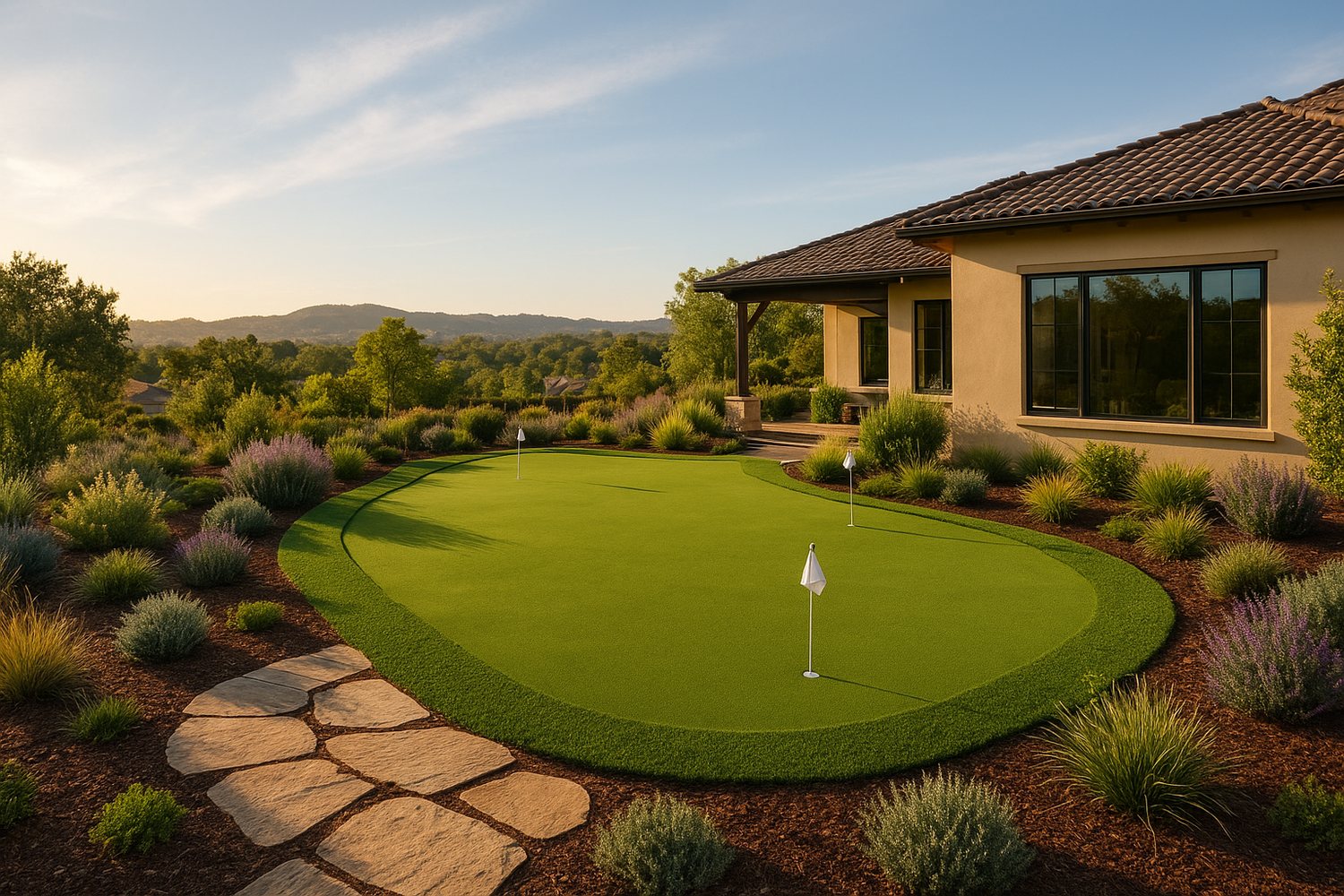
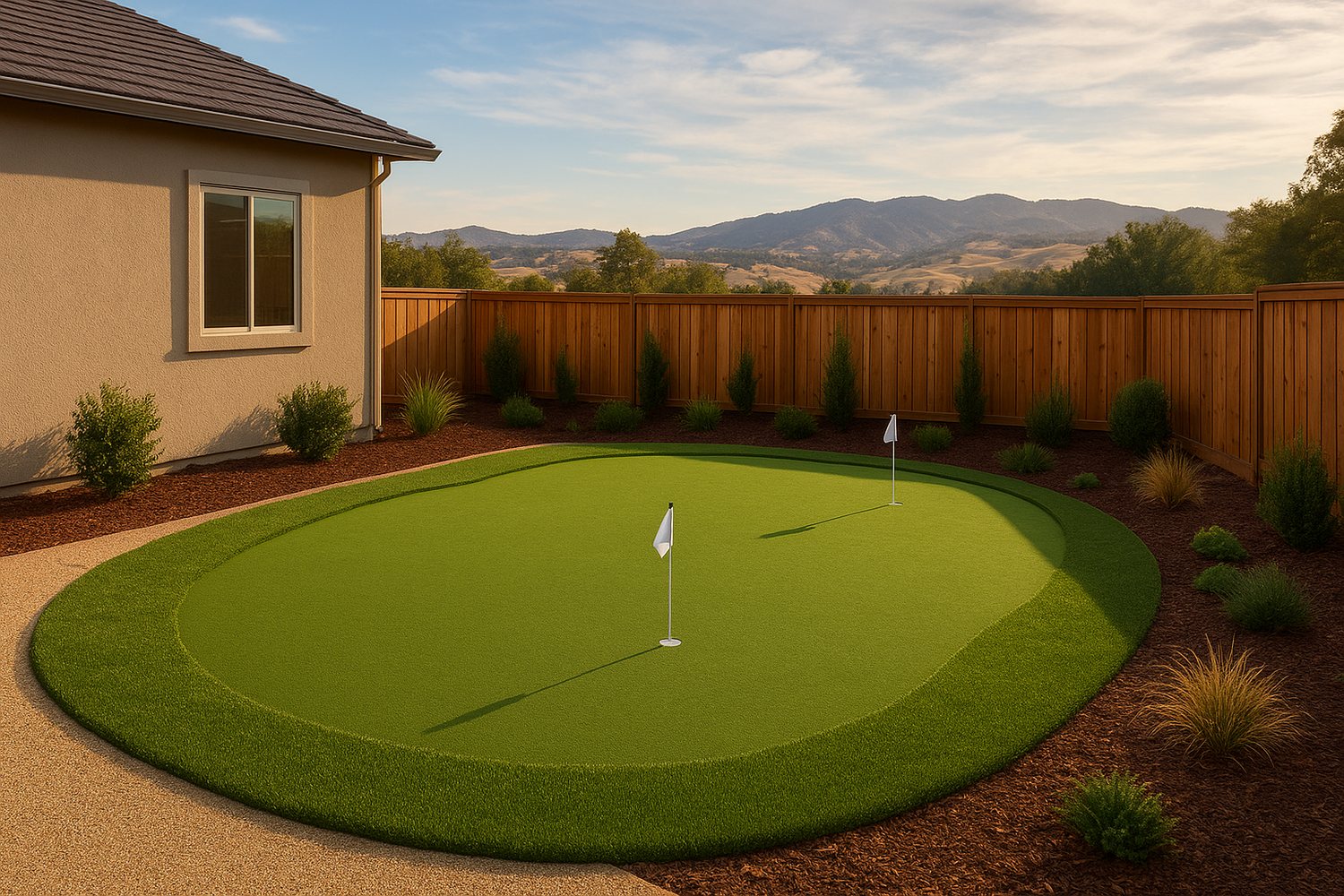
For more details on backyard turf, see ourBackyard artificial turfinformation page.
Maintenance: The Real Ten-Year Workload
Natural grass demands regular mowing, edging, and seasonal fertilizing. Our summer heat means more water and more work when brown patches set in. Artificial turf, by contrast, doesn’t need mowing or watering, but does require occasional cleaning—especially if you have pets or trees dropping debris.
Over ten years, small tasks can really add up. Fertilizer schedules, buying seed to patch areas, and running the irrigation all take time and energy. Artificial turf might only need a rinse or a brush-up every so often, but issues like weeds creeping in at the edges do crop up over time.
When comparing the two, many homeowners notice that routine upkeep tips the scales more than anything else. If reducing regular weekend chores is your goal, artificial turf is worth considering.
- Natural grass: weekly chores, seasonal treatments
- Artificial turf: periodic brushing, sanitation for pets
- Both benefit from some annual inspection or minor fixes
Water Use & Drought Considerations in Our Area
Water costs in Placer and Sacramento Counties have steadily risen, and ongoing drought is a fact of life. Keeping natural grass healthy means steady irrigation, especially during stretches of 100-degree days.
Artificial turf eliminates nearly all landscape water use for the covered area. This is a strong advantage during dry years or for homeowners who want to cut down on their environmental impact. Still, it’s not maintenance-free; occasional rinsing to clear dust—especially after wildfire smoke events—may use small amounts of water.
Grass lovers should know that water restrictions or cost surges can disrupt the appearance and health of a natural lawn in just a few weeks. Those realities have prompted many local households to consider alternatives.
- Natural grass: high water needs, rising costs
- Artificial turf: nearly no irrigation, minor rinsing
- Drought: can transform grass lawns quickly
| Criteria | Natural Grass | Artificial Turf |
|---|---|---|
| Annual Water Use | High (esp. in summer) | Very low |
| Weekly Maintenance | Mowing, edging, fertilizing | Brushing, light cleanup |
| Pet & Kids Friendliness | Sensitive to overuse | Very durable, easy to clean |
| Heat Tolerance | Can brown or go dormant | May get hot in strong sun |
| Appearance Over Time | Can thin/patch with drought | Consistent, few visible changes |
Weathering Our Climate: Heat, Rain, and Use
Our region’s climate features scorching summers, cool nights, and a few winter storms. Over ten years, both surfaces experience plenty of wear and tear. Natural grass can go dormant or patchy in extremes, while artificial turf may heat up in direct sun and need periodic straightening or infill refreshing.
What about kids, pets, or gatherings? Turf stands up well to heavy foot traffic and doesn’t get muddy after rain, while grass can suffer from overuse and become rutted or thin. However, bare feet may notice the higher temperature of artificial turf during peak heat.
Local residents should also consider pollen, fallen oak leaves, and dust. Both surfaces collect debris, though turf is generally easier to clean up quickly after storms or wind events.
- Natural grass: cool underfoot, but can brown or thin out
- Artificial turf: durable and quick to dry, may retain heat
- Both: will gather dust and need periodic cleaning
Long-Term Costs and Value Over a Decade
A ten-year timeline brings cost questions to the front. Natural grass appears affordable at first, but irrigation bills, seed, fertilizer, mower maintenance, and service add up. Artificial turf requires a larger upfront investment, but has minimal recurring expenses for the covered area.
After ten years, turf’s lifespan will depend on product quality and installation. Most premium products hold up well, showing only moderate wear. Natural grass can decline unless diligently maintained, and often requires major sod patches or re-seeding.
Don’t forget to factor in your time. Some homeowners place a high value on weekends saved from cutting grass or tackling landscape repairs, which can make the investment in artificial turf feel worthwhile.
- Natural grass: incremental, ongoing costs
- Artificial turf: higher initial cost, lower lifetime upkeep
- Your time and energy are important values
Explore the full range ofArtificial Turf optionsavailable locally.
Home Value and Curb Appeal: Turf vs. Grass
Both artificial turf and natural grass can enhance the look of your property, but in slightly different ways. A real lawn adds traditional curb appeal—assuming it’s well-cared-for and lush. However, drought stress or patchiness can reduce that impact.
Modern artificial turf is realistic in appearance and provides consistent ‘greenness’ year-round, which appeals to buyers looking for a low-maintenance yard. In competitive real estate markets, a tidy artificial turf install is often seen as an upgrade.
However, some people prefer natural elements. If you plan to stay in your home for many years and love gardening, grass might better fit your personal style. The decision often comes down to lifestyle and the preferences of future buyers.
Eco-Friendliness and Allergies: What to Know
Some homeowners want the most eco-friendly solution. Natural grass absorbs carbon and fosters local insects and birds, but at a significant water cost and with regular fertilizer use. Artificial turf conserves water and eliminates mowing emissions but is a synthetic product with a lifespan after which it will need replacement.
Artificial turf can be a good option for those with allergies, since it doesn’t harbor pollen to the same extent as natural grass. It also means fewer fertilizers and pesticides. However, some infills or older turf products may become quite warm in the sun or contribute microplastics over time.
Review your environmental priorities. If water conservation is the purpose, artificial turf clearly wins in our dry climate. If backyard biodiversity and native species matter most, a natural grass lawn—perhaps combined with drought-tolerant plantings—may be best.
- Grass: supports local wildlife, but needs more resources
- Artificial turf: low water, low emissions, synthetic origin
- Turf: usually reduces pollen allergies
Making the Call: What Suits Your Backyard Best?
Deciding between artificial turf and natural grass for your Rocklin or nearby-area property isn’t just about today—it’s a ten-year commitment. If weekend-free maintenance and reliable appearance matter most, quality turf is a solid choice. If hands-on care and the real feel of grass make your yard complete, stick to a well-managed lawn.
Think about how you’ll really use your space, and how you want to spend your resources over time. Both options offer practical benefits for this region, but priorities like water conservation, upkeep time, and year-round appeal can make the answer clearer.
A landscape professional familiar with our local climate and construction practices—such as California Hardscapes—can walk you through product choices and answer real-world questions before you decide.
- List your top priorities: time, looks, comfort, eco-considerations
- Consider the ten-year view, not just the first season
- Consult a regional expert for tailored advice
Ready to talk specifics?Request a consultationto review your backyard goals.
Planning an artificial turf project?
Call or text 916-741-0633, or email sales@californiahardscapes.com with your address, a short description and a few photos, and we will arrange a consultation.