Category: Uncategorized

  • A Simple Cleaning Routine for Pet-Friendly Turf

    A Simple Cleaning Routine for Pet-Friendly Turf

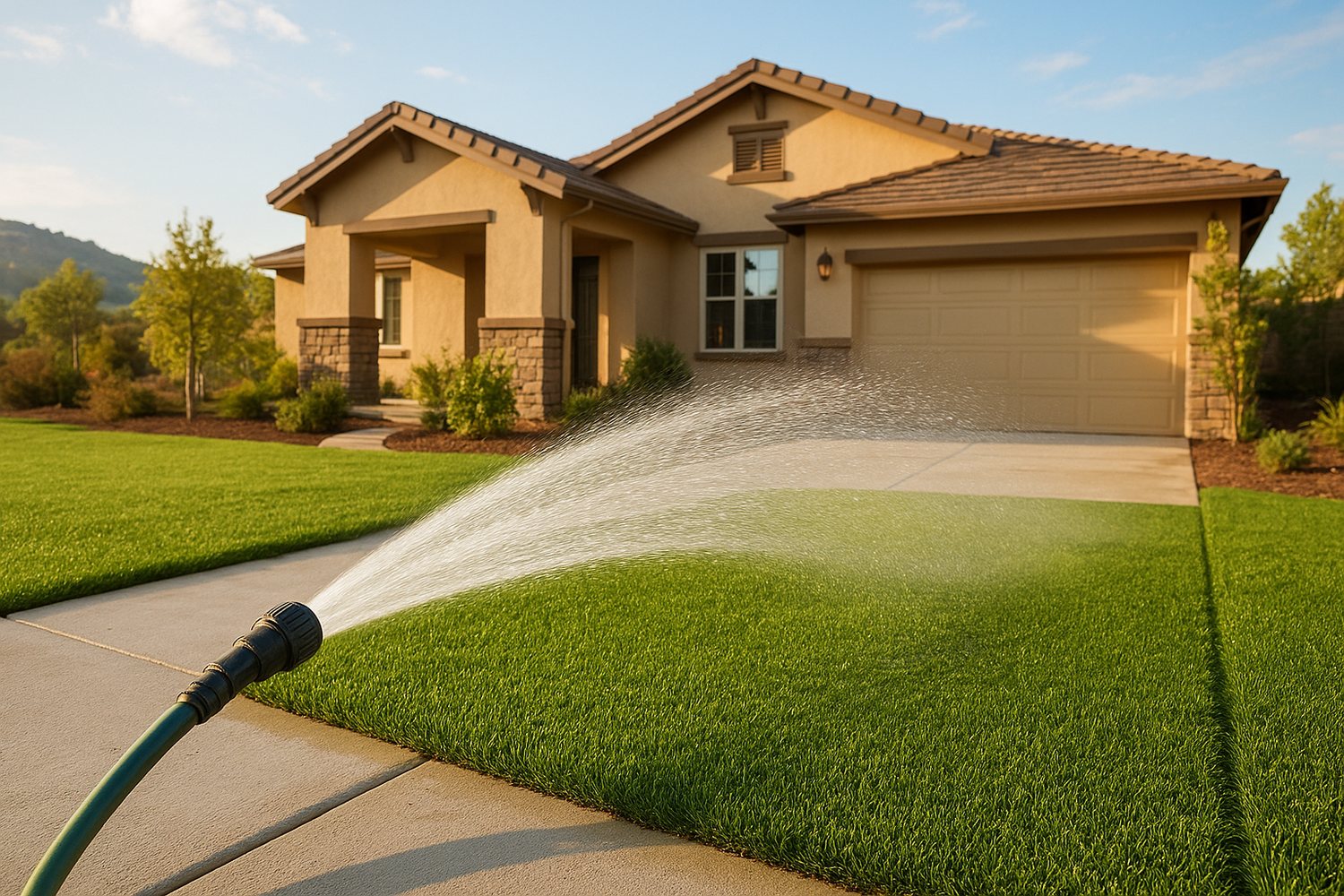
    Artificial turf is a smart choice for dog owners across Rocklin, Roseville, and nearby communities. With the right care routine, your pet-friendly grass can stay green, odor-free, and beautiful for years.

    Why Pet-Friendly Turf Needs Special Care

    Synthetic lawns are engineered to take heavy use from dogs, but without a little maintenance, odors and discoloration can creep in. Our dry, sunny region means turf spaces can see even higher usage from pets in summer and fall.

    Dogs love to dig and mark their territory, which can leave behind residue and odors on standard artificial grass. Specialized pet turf and infill are designed to resist bacteria and break down messes, but you’ll still want a regular cleaning routine.

    Paying a bit of attention to your artificial turf will keep it looking and smelling its best. A simple maintenance habit is key to long-term satisfaction, whether your dogs are occasional loungers or full-time backyard athletes.

    For a closer look at our pet solutions, visit thePet-friendly artificial turfpage.

    Gearing Up: The Right Tools for the Job

    To keep your turf fresh and hygienic, you don’t need specialty products—just a handful of practical, local-friendly tools: a stiff-bristled broom, a hose with a spray nozzle, and a scoop or baggie for solid waste.

    Certain areas benefit from enzyme cleaners made for artificial grass, especially where urine odors linger. These are widely available at pet or hardware stores and are safe for most turf fibers when used as directed.

    A leaf blower can help remove dry leaves, pollen, and pet hair that settles into turf blades. Choose low to moderate speed to avoid disturbing infill. Focus on tools that fit your yard’s layout and the size of your dog.

    • Stiff push broom for brushing fibers
    • Garden hose with strong spray nozzle
    • Enzyme cleaner (optional, for odor control)
    • Pet waste scoop or bags
    • Leaf blower (optional, for debris)

    Daily and Weekly Care, Made Simple

    Just as you’d clean a natural lawn, spend a few minutes each day removing solid pet waste—this stops odors before they start. Bag solid waste right away with a scoop or dog bag. Hose down any high-use potty spots weekly to keep them fresh.

    If you notice odors after rinsing, use a turf-safe enzyme or vinegar-water solution. Spray generously, let it work for 5–10 minutes, and rinse again. Avoid bleach or harsh chemicals, as they may break down turf fibers in the summer heat.

    Weekly, give your turf a brisk brush with a stiff broom. This lifts up flattened grass blades and keeps infill evenly spread. Periodic brushing is especially important in areas where pets run or lay down most often.

    Turf Cleaning TaskHow OftenTools NeededIdeal Time of Day
    Pick up solid wasteDailyScoop or bagMorning/Evening
    Hose down potty spotsWeeklyGarden hoseEvening
    Brush turf bladesWeeklyStiff broomMorning
    Apply enzyme cleanerMonthly or as neededSpray bottle, brushCool part of day
    Blow/rake debrisMonthlyLeaf blower/rakeAny

    Monthly Deep Clean Techniques

    Set aside time every month for a more thorough clean. Start by clearing away leaves, hair, or other yard debris. A light pass with a leaf blower makes this easy, but a broom works well too.

    Next, rinse your whole turf area with a hose, working from one end to the other. Use more focus on pet ‘hot spots’ where accidents commonly happen. If stubborn odors or staining remain, apply enzyme cleaner generously and scrub lightly.

    Deep cleaning also helps prevent bacteria buildup—a real challenge in the warm Central Valley climate. Consistent monthly care keeps both pets and people comfortable, discouraging digging and keeping your yard ready for entertaining.

    • Remove all debris and lint monthly
    • Rinse entire area thoroughly
    • Treat odor spots with enzyme cleaner
    • Brush to raise flattened areas

    Weather Factors: What Local Homeowners Should Know

    Our hot, sunny days mean turf dries quickly after rain or cleaning, but UV and extended heat can sometimes stress turf fibers. Early morning or evening is usually best for routine brushing and rinsing in Rocklin, Folsom, and surrounding towns.

    In winter, rainfall can help flush your turf but don’t rely solely on precipitation—rain may not be enough to keep up with pet activity. During dry spells, plan on hosing down at least weekly and after gatherings.

    Pollen, oak leaves, and dust are seasonal realities across the Sacramento foothills. A monthly blower session or more frequent brushing keeps turf clear and reduces stuff that can trap unwanted smells.

    Read our complete list ofArtificial Turf optionsfor every type of yard.

    Tackling Stubborn Odors and Wear

    Persistent odors can build up in areas where pets favor a particular spot. First, thoroughly clean the area and apply an enzyme cleaner or a turf-safe deodorizing spray, repeating as needed until odors fade.

    For tough stains or repeat offenders, let the cleaner soak longer—up to 20 minutes—then scrub gently with a nylon brush and rinse thoroughly. If smells or stains return, replacing the infill material underneath may be necessary.

    Heavy-use areas can also begin to mat down. A power broom service (available from landscape suppliers) or more frequent brushing helps restore the upright look and feel of your pet turf.

    • Treat odors with enzyme cleaner
    • Soak and scrub tough spots
    • Consider infill replacement if needed
    • Use power brooming for matted turf

    Protecting Your Investment: What to Avoid

    Avoid harsh chemicals—bleach, ammonia, or undiluted vinegar can decolor turf or break down infill, especially in Placer County’s high-UV environment. Always use lawn-safe cleaners specifically designed for artificial turf.

    Don’t allow standing water; poor drainage can mean odors, slick spots, and even ruined turf base over time. Regularly check for compacted soil, low spots, or obstructions in your turf’s drainage system.

    Prevent pets from digging at the turf edges by installing secure borders and supervising play. Reinforce perimeters with landscape rock or edging to discourage inquisitive paws and reduce the risk of turf separation.

    When to Bring in the Pros

    If repeated odor and drainage issues persist, it could indicate underlying installation challenges. Professional maintenance may be needed to refresh infill, adjust base layers, or recommend upgrades for heavy-pet households.

    Some cleaning tasks are best left to the experts, including power brooming and infill replacement. These are available through reputable landscape and hardscape contractors in our area who know local turf systems inside and out.

    It’s smart to check in with your original installer or a specialist for advice before attempting deep repairs. An expert can tailor recommendations to your lawn, soil, number of pets, and your outdoor space’s layout.

    • Pro help for persistent issues
    • Power broom and infill upgrades
    • Consult for installation fixes

    If you have questions or want personalized advice, feel free torequest a consultation.

    Pet-friendly artificial turf: see the full guide to pet-friendly artificial turf, or browse every artificial turf option.
    Your project

    Planning an artificial turf project?

    Call or text 916-741-0633, or email sales@californiahardscapes.com with your address, a short description and a few photos, and we will arrange a consultation.
  • Front Yard Turf vs Drought-Tolerant Landscaping: A Practical Comparison

    Front Yard Turf vs Drought-Tolerant Landscaping: A Practical Comparison

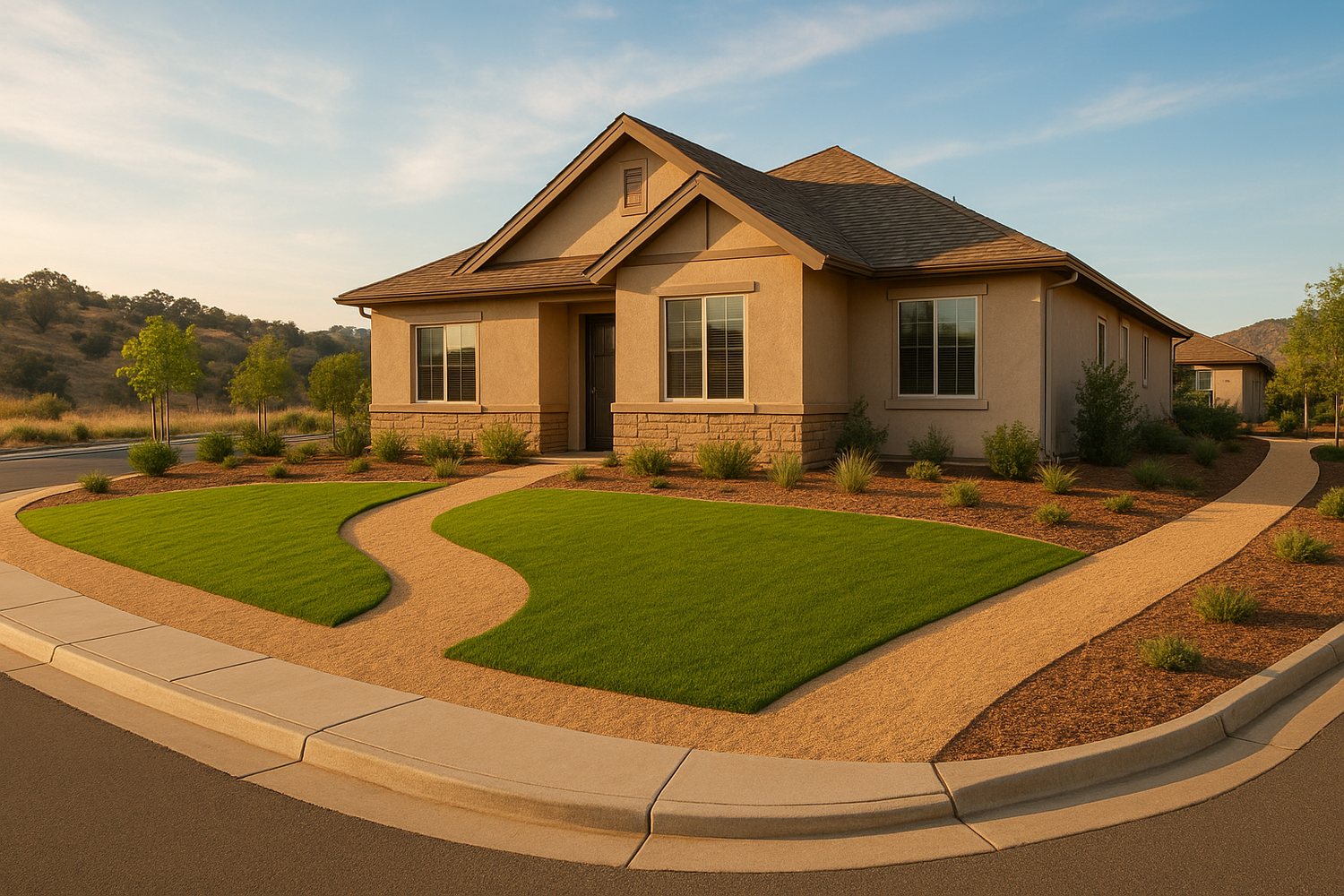
    Homeowners in Rocklin, Roseville, Granite Bay, and surrounding areas face unique choices for water-wise front yard design. Here’s a straightforward comparison between artificial turf and drought-tolerant landscaping, specific to this region’s climate and conditions.

    Why Consider Front Yard Artificial Turf?

    Artificial turf is growing more popular in Placer, Sacramento, and El Dorado counties, particularly as water costs and drought concerns climb. For homeowners seeking a consistently green and tidy front yard, turf is a straightforward option. Its even appearance can instantly upgrade curb appeal.

    The main appeal of artificial turf is low maintenance—no mowing, fertilizing, or irrigation required. Turf stands up to foot traffic and local weather, providing a lush look year-round. This is especially important in neighborhoods with strong HOA appearance standards.

    However, artificial turf is not for everyone. Some homeowners prefer a more natural look or want to support pollinators and local wildlife. Assessing your individual needs, lifestyle, and neighborhood expectations is essential.

    • Always green and tidy

    Learn more aboutFront yard artificial turfbenefits, installation, and design ideas for Rocklin and beyond.

    What Does Drought-Tolerant Landscaping Offer?

    Drought-tolerant landscaping—sometimes called xeriscaping—uses region-appropriate plants and materials to conserve water. This style is increasingly popular in Rocklin, Folsom, and across the foothills, where water restrictions and dry summers are common. It can express personality through plant selection and creative design.

    Often featuring rock, mulch, and low-water shrubs, drought-tolerant yards offer more ecological benefit than artificial turf. Native plants attract pollinators, reduce runoff, and can be adapted to changing climate. Maintenance centers around occasional trimming, weed control, and seasonal clean-up.

    While drought-tolerant landscapes can be beautiful and functional, they do require more initial planning and ongoing adaptation than turf. There’s rarely a perfectly uniform look, so personal style and upkeep preference come into play.

    • Lower irrigation need

    Installation: What to Expect for Each Option

    Installing artificial turf starts with removing any existing lawn, grading and compacting the soil, adding a base layer (often decomposed granite or crushed stone), and then rolling out and anchoring the turf. Edging is installed for a clean finish. Professional installation ensures long-lasting results.

    Drought-tolerant landscaping might involve removing existing grass, reshaping the space, adding hardscape or mulch beds, and then planting a selection of appropriate shrubs, grasses, or succulents. Irrigation systems often get updated or reduced. Material delivery and layout logistics can be more complex if boulders or dry riverbeds are included.

    Both approaches may require permits for significant grading or hardscape changes, especially in some neighborhoods. Timing is another factor—turf installs tend to be fast, while plant-based installations may evolve over several weeks as plants settle in.

    • Professional prep is critical

    FeatureArtificial TurfDrought-Tolerant LandscapingTraditional Grass
    Water UseVery LowLowHigh
    MaintenanceVery LowModerateHigh
    Ecological BenefitLowHighLow
    Curb AppealUniform green, always tidyCreative, variedGreen when watered
    Lifespan10–20 yearsPlants can be replaced as neededUnpredictable

    Maintenance and Long-Term Care Comparison

    Artificial turf requires minimal maintenance. You’ll want to occasionally rinse or brush it to remove debris, especially under trees. Infrequent weed growth at the seams or edges may need spot attention, but there’s no mowing or routine watering once the turf is installed correctly.

    Drought-tolerant landscaping needs a bit more ongoing attention: checking drip irrigation, managing mulch, and occasional trimming or replacing of plants. Some homeowners enjoy seasonal changes in appearance and the routine of tending to the garden beds.

    When considering long-term costs and effort, turf stays highly predictable—almost set-and-forget—while drought-tolerant yards deliver ongoing interaction and flexibility. It’s about deciding what kind of maintenance experience you prefer.

    • Turf: occasional rinsing, light weed control

    Water Use and Environmental Impact

    Artificial turf virtually eliminates front yard irrigation. This can save thousands of gallons a year in Roseville, Rocklin, and surrounding water districts. However, it doesn’t support soil health, insects, or birds, and it absorbs heat in direct sun. Turf infill can sometimes affect local runoff if not managed well.

    Drought-tolerant landscaping can reduce water consumption significantly—often by 50-70% over a traditional lawn—but not all the way to zero. Thoughtful plant choices improve biodiversity, stabilize the soil, and can help cool the microclimate around your home.

    Choosing between these two options means weighing practical water savings against ecological benefit. For many families in this area, either choice marks a major environmental improvement over the classic thirsty lawn.

    • Turf: eliminates irrigation

    See all yourArtificial Turfoptions for front and back yards, pet areas and play spaces.

    Curb Appeal and Neighborhood Fit

    Front yard artificial turf delivers a consistently manicured, lush green look, regardless of season. This can fit well in neighborhoods where uniformity, tidy appearance, and green spaces are highly valued by HOAs or neighbors.

    Drought-tolerant yards offer a more varied aesthetic, from formal Mediterranean courtyards to wildflower meadows, using rock and native plants. This variation can make your home stand out, provided local expectations are met. Drought-tolerant design is gaining acceptance in established communities across Auburn, Folsom, and El Dorado Hills.

    It’s wise to check HOA guidelines and observe what’s common on your block. Both styles can be adapted to flow naturally with patios, walkways, or driveway upgrades for a holistic hardscape look.

    • Turf: always green and even

    Cost Considerations: Upfront and Ongoing

    Both turf and drought-tolerant landscaping require an upfront investment for removal of old grass, grading, material delivery, and professional installation. Artificial turf often costs more initially, but the maintenance and water bill savings kick in immediately.

    Drought-tolerant yards tend to have lower installation costs if plant selection and rockwork are kept simple, but the need to replace plants, mulch, and adjust irrigation means ongoing (although usually small) outlays. Take the long view: reduced water costs and minimal summer upkeep add up over the years.

    Calculating the true cost means considering not just your immediate budget, but also your time and long-term maintenance comfort. Consulting with an experienced outdoor construction partner is the best way to develop a realistic plan.

    • Turf: higher upfront, very low ongoing costs

    Making the Right Choice for Your Front Yard

    Think about the feel you want for your front yard, your maintenance style, and the look that suits your home and neighborhood. Artificial turf and drought-tolerant landscaping each offer unique advantages—and both represent smart, water-wise solutions for our climate.

    Assess how you plan to use your outdoor space. For some, consistent play space for kids or pets tips the scale toward turf; for others, a habitat garden or a creative blend of rocks and native plants is more rewarding. Don’t forget to walk your neighborhood and check in with local regulations before proceeding.

    Partnering with a contractor experienced in both turf and sustainable landscape solutions can help bring your vision to life. Marty and the team at California Hardscapes are ready to answer questions and help you weigh your options with confidence.

    Ready to talk through your front yard project?Request a consultationwith Marty at California Hardscapes.

    Front yard artificial turf: see the full guide to front yard artificial turf, or browse every artificial turf option.
    Your project

    Planning an artificial turf project?

    Call or text 916-741-0633, or email sales@californiahardscapes.com with your address, a short description and a few photos, and we will arrange a consultation.
  • Planning Your Custom Pool: From Walkthrough to First Swim

    Planning Your Custom Pool: From Walkthrough to First Swim

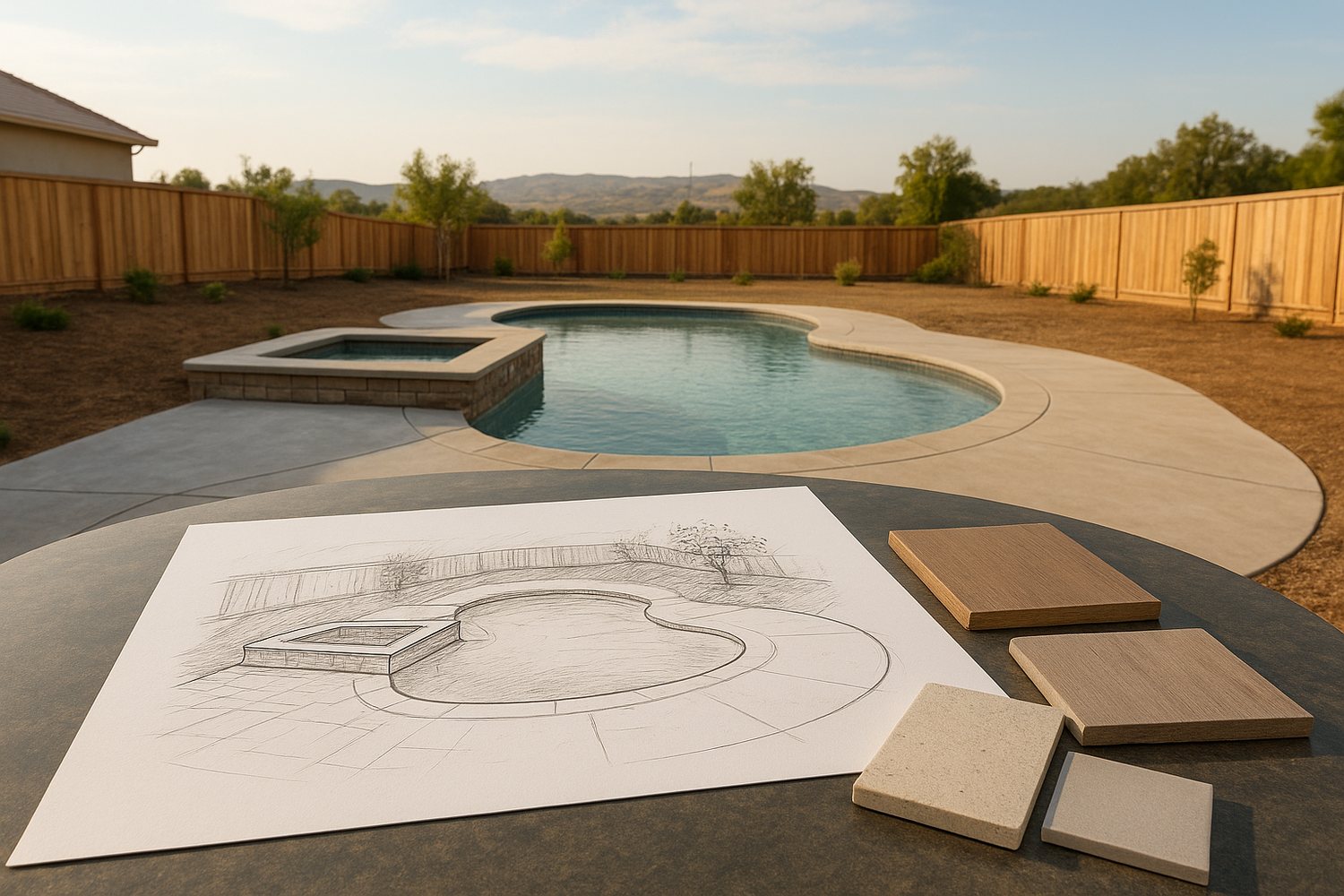
    A custom pool transforms your backyard into a personal oasis—but the process calls for thoughtful planning. Here’s what to expect from first walkthrough to your first swim.

    The Initial Walkthrough and Site Assessment

    Before any sketches or plans, the process starts with an on-site walkthrough. This visit is all about understanding your property’s unique layout, soil conditions, and access points. For homes in Rocklin, Roseville, Granite Bay, and nearby, sloped lots or rocky terrain can impact both pool design and construction choices.

    During the walkthrough, practical information is gathered, including property lines, utility locations, existing features, and even sunlight patterns. This detailed approach prevents surprises down the road and helps shape realistic expectations for your project timeline.

    Homeowners should share ideas, needs, and vision openly at this stage. The more specific you are about how you want to use your pool—from lap swimming to kids’ play—the better your pool builder can align the design with your lifestyle.

    • Review utility locations and access.
    • Evaluate slopes and drainage for runoff.
    • Note privacy concerns and sun angles.

    Explore more details about custom builds on ourCustom Poolspage.

    Design and Materials Consultation

    Next comes the design conversation and material selection. Here, experience and local insight matter. In California’s foothills, choosing materials that tolerate both summer heat and cooler, damp winters can help your pool and patio age gracefully.

    Material options range from luxury finishes to low-maintenance classics. Choices for pool tile, interior finishes, and coping will shape both the look and upkeep needs of your pool. Thoughtful decisions here can simplify future care.

    A collaborative approach ensures your design complements both your home’s architecture and outdoor living goals. Ask for input on how selected materials might interact with existing landscaping or proposed hardscape features.

    • Compare natural stone vs. poured concrete coping.
    • Discuss non-slip and heat-resistant surface options.
    • Ask about long-term maintenance needs.

    Permits, Engineering, and Timeline Planning

    Local codes in Placer, Sacramento, and El Dorado Counties influence every pool project’s permitting and engineering requirements. Experienced builders coordinate this paperwork but it’s helpful for homeowners to understand what’s involved.

    Engineering plans are drafted to ensure structural integrity. Soil type—such as granite-bearing ground in Granite Bay—may affect foundation design or reinforcement needs. These details are addressed before breaking ground.

    A clear, realistic timeline is set, accounting for permitting, possible weather delays, and ordered materials. Good planning keeps your project moving and sets expectations for each stage from the start.

    • County-specific engineering needs
    • Safety and drainage considerations
    • Factors that can extend a timeline
    Pool ShellFinish OptionsDeck MaterialMaintenance Needs
    GunitePlaster, Pebble, QuartzStamped ConcreteModerate
    ShotcreteTile, PebbleNatural StoneLow to Moderate
    Fiberglass (rare in region)GelcoatPaversLow
    Not commonly used: VinylN/ATextured ConcreteModerate

    Excavation Day and Setting the Framework

    Once everything is greenlit, excavation begins. This step transforms your backyard and sets the footprint for your pool. Soil type, access, and weather will all have an effect in our region, from Rocklin’s clay to Folsom’s rocky patches.

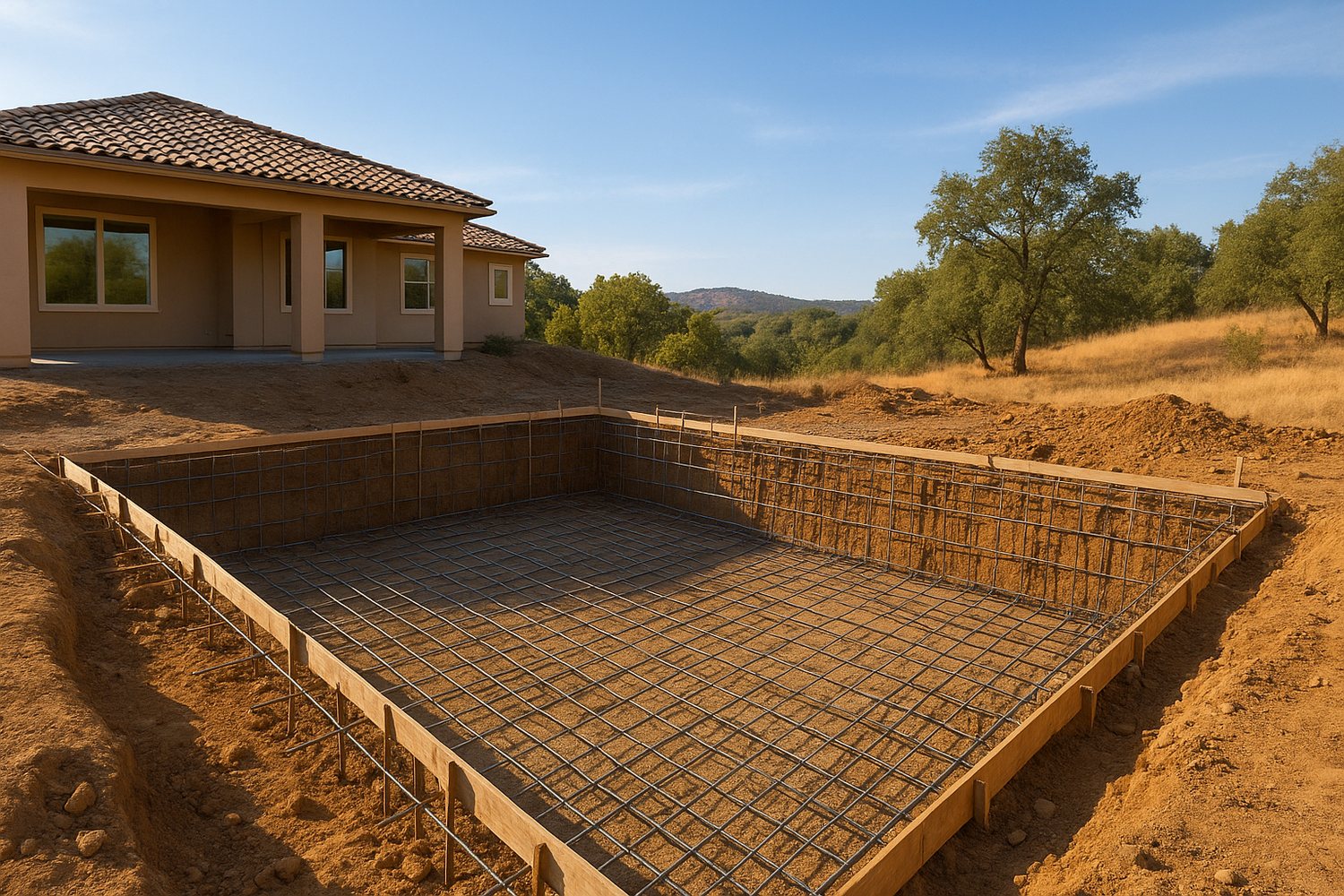
    After excavation, form boards and rebar are installed to outline and reinforce the pool structure. Reinforcement and shape specifics may change depending on site needs uncovered during digging.

    Owners should expect machinery, noisy days, and some mess—it’s temporary. Careful crews minimize disruption to lawns and landscaping, but you might set aside pets and fragile garden areas during this phase.

    • Access limitations might change equipment size.
    • Expect a few days of visible disruption.
    • Discuss where excess soil will be moved or removed.

    Plumbing, Electrical, and Essential Infrastructure

    After framework is complete, plumbing and electrical lines are installed. Reliable, well-laid infrastructure is crucial for both safety and trouble-free pool ownership, especially when considering required features like automatic cleaners or spa jets.

    Local code compliance is monitored at every step. Equipment pads are sized for future upgrades—like additional lighting or heating—if you might add features later.

    Water-efficient pumps and smart controls are a good fit for Northern California, where efficiency matters for both upkeep and utility costs. Discuss energy-efficient options early if reducing bills is a priority.

    • Install plumbing, returns, and drains per code.
    • Wire lighting, pumps, and automation systems.
    • Choose locations for heaters or water features.

    See an overview of all theCustom Pools optionsavailable for California homeowners.

    Concrete, Tile, and Interior Finish

    The structural shell—often concrete (gunite or shotcrete in this region)—is poured and cured. Precision matters at this stage; experienced crews ensure both durability and true lines, crucial for the pool’s long-term performance.

    Tile work, coping, and the internal finish follow. Choices like pebble, glass tile, or plaster vary in feel, lifespan, and color—so pick based on maintenance time and your family’s comfort.

    After finishes are applied, there’s a brief curing period. Your builder will check for leaks and prepare the pool for its first fill, ensuring the water chemistry is balanced and safe.

    • Gunite and shotcrete both build strong shells.
    • Plaster, pebble, or quartz finishes common.
    • Request hands-on samples to compare textures.

    Decking, Landscaping, and Outdoor Living Touches

    Surrounding your new pool, the hardscape is built out—whether pavers, stamped concrete, or natural stone. Choices here affect safety, heat, and slip resistance. Consider how much shade, seating, and open dining space you want to incorporate.

    Landscaping and lighting are the finishing touches. Select plants suited to the Sacramento Valley’s sun and climate, especially those that won’t dump leaves or needles into the pool.

    A holistic plan connects your new pool to patios, garden beds, outdoor kitchens, or fire features. Working with a full-service builder can streamline these choices and ensure everything flows together.

    • Select surfaces for barefoot comfort in summer.
    • Consider LED landscape and pool lighting.
    • Choose non-shedding, drought-tolerant plants.

    Final Inspection, Start-Up, and First Swim

    The project wraps up with a final inspection, confirming code compliance and completion of all design details. Your builder will walk through the system’s operation, safety features, and maintenance basics.

    The pool is filled, initial chemicals are balanced, and equipment is programmed for regular operation. Learning your pool’s systems early simplifies long-term care and lets you spot any needed adjustments before heavy use.

    Once all systems are go, it’s time for your first swim—a milestone marking the culmination of careful planning and partnership. With everything set, your outdoor space is ready for relaxation, play, and gathering for years to come.

    • Verify gates, alarms, and safety covers.
    • Learn essential care and cleaning steps.
    • Schedule your follow-up questions early.

    Ready to start? Request your planning consultation with California Hardscapeshere.

    Custom Pools: see the full guide to custom pools, or browse every custom pools option.
    Your project

    Planning a custom pools project?

    Call or text 916-741-0633, or email sales@californiahardscapes.com with your address, a short description and a few photos, and we will arrange a consultation.
  • Comparing Sheer Descents, Scuppers & Rock Waterfalls for Custom Pools

    Comparing Sheer Descents, Scuppers & Rock Waterfalls for Custom Pools

    Choosing a pool water feature can make or break your backyard retreat. Let’s break down the options—sheer descents, scuppers, and rock waterfalls—for homeowners in our region.

    What Are Sheer Descents, Scuppers and Rock Waterfalls?

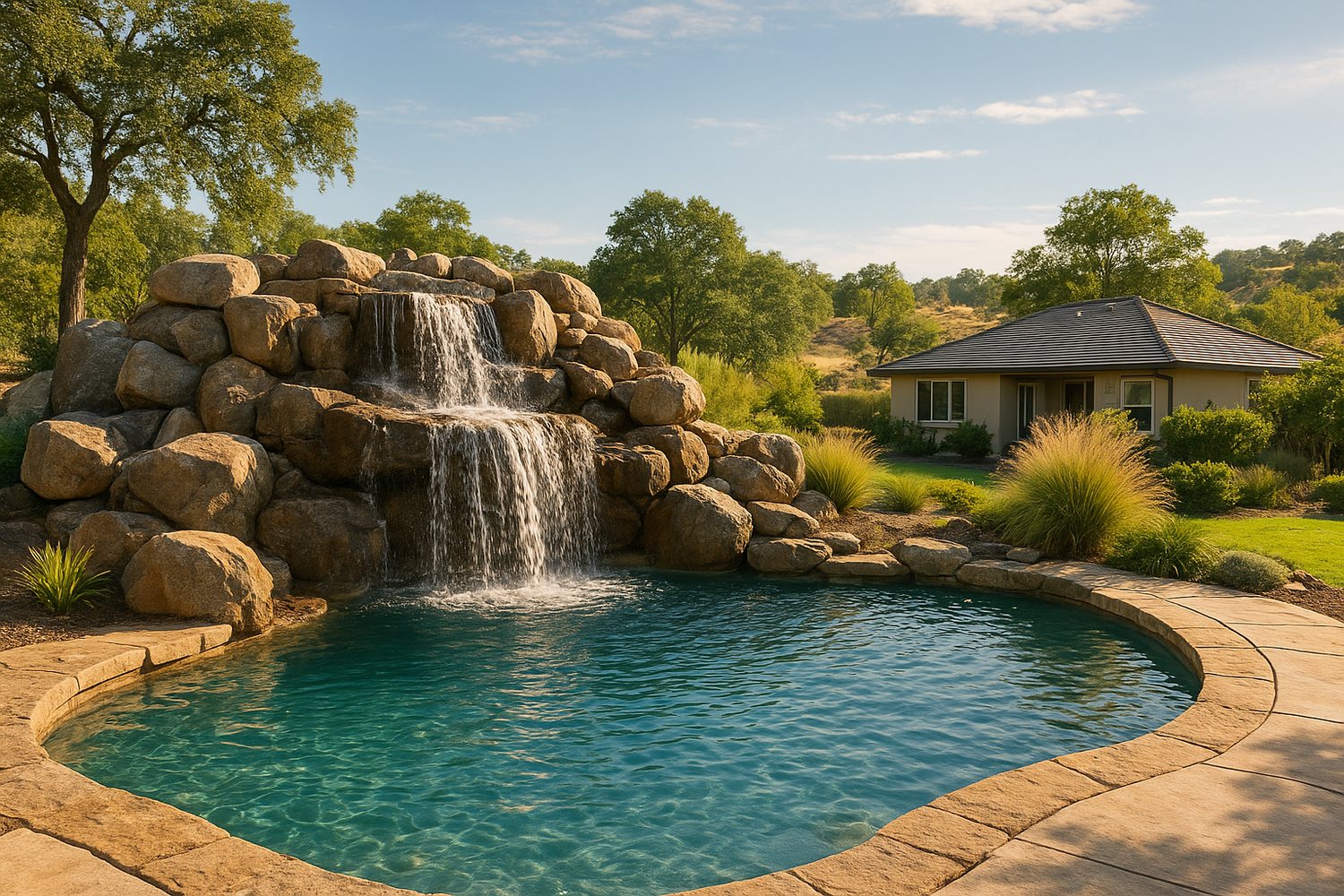
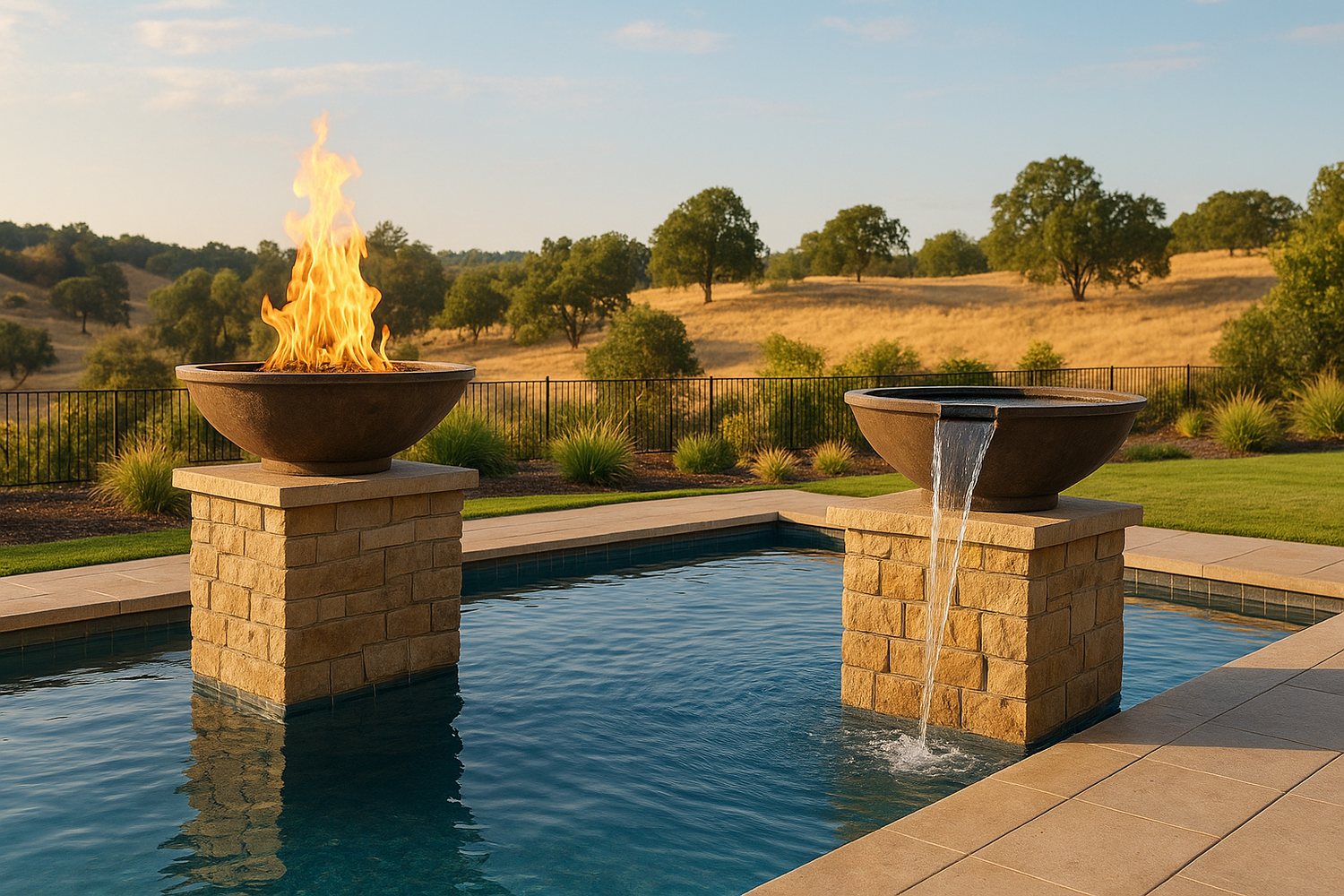
    Sheer descents, scuppers, and rock waterfalls each create distinct sights and sounds around a custom pool. Sheer descents form a smooth, glass-like water sheet that falls straight out from a slim opening. Scuppers are decorative spouts, often built into raised walls or planters, that project water in an arc or small stream. Rock waterfalls feature natural stone or boulder arrangements, letting water cascade and trickle in more organic patterns.

    Understanding these features starts with how they look and feel. Sheer descents deliver a modern, crisp look—often matching California’s contemporary outdoor trends. Scuppers offer visual interest and a range of classic or custom shapes, bringing accent details to pool walls. Rock waterfalls give a substantial, naturalistic presence that suits both rustic landscapes and upscale backyards.

    Each element reflects personal style but also impacts long-term satisfaction. Think ahead about how you’ll use your space: Are you after an eye-catching showpiece, or a soothing background trickle? The mechanics and material choices behind each feature matter as much as how they look on day one.

    Learn more about options on ourPool waterfalls, sheer descents and deck jetspage.

    Visual Appeal and Aesthetic Fit in Placer County Backyards

    Sheer descents excel in clean, linear designs—ideal if you prefer sleek patios and well-defined spaces. The water’s straight fall adds drama at night, especially with LED lighting or light-toned pool surfaces. If your landscaping follows current or minimalist styles, a sheer descent probably belongs on your shortlist.

    Scuppers bring architectural detail, with finishes ranging from bronze to stainless and even custom stone. They can echo the angles of your home or highlight retaining walls, tying hardscape and landscape together. Their design versatility allows them to suit both new homes in Folsom or Granite Bay, and classic settings in Auburn or Roseville.

    Rock waterfalls add a mature, natural touch—almost like bringing a piece of the Sierra foothills into your yard. They offer a variety of sizes, from subtle stone outcrops to full-scale cascades. If your lot backs up to open space or you’re installing other boulder features, a rock waterfall often creates seamless harmony.

    • Sheer descents suit modern layouts and geometric pools.
    • Scuppers offer customization in size and finish.
    • Rock waterfalls work well in natural, large, or tiered landscapes.

    The Sound: From Waterfall Roar to Gentle Trickle

    Sound transforms a pool area—both positively and negatively. Sheer descents produce a crisp, clean sheet of falling water, resulting in a gentle, steady background sound. They muffle nearby traffic or neighborhood noise without making conversation difficult.

    Scuppers can be tuned for a more pronounced or subtle water drop, depending on the height above the pool and width of the spout. Their sound is generally softer than larger waterfalls but louder than thin sheer descents. Placement and number matter; multiple scuppers multiply the effect.

    Rock waterfalls create the richest sound profile—think of them as white noise machines for your whole yard. The size of the drop and number of tiers control how lively the noise is. In open backyards near Granite Bay or country parcels in Auburn, a large waterfall can define the mood of the whole space.

    • Sheer descents offer subtle, soothing acoustics.
    • Scuppers can be made more or less prominent in sound.
    • Rock waterfalls deliver strong sound masking and visual movement.
    FeatureVisual StyleSound LevelMaintenanceEstimated Lifespan
    Sheer DescentModern, clean linesSoft, steadyLow to moderate10+ years
    ScupperClassic or customSubtle to moderateLow10+ years
    Rock WaterfallNaturalisticModerate to loudModerate to highHighly durable

    Installation, Maintenance and Durability Considerations

    Sheer descents require precise installation, both for water flow and to keep the sheet effect clean. Minerals in well or city water can cause buildup, so plan for easy access to wipe the faceplate or adjust water chemistry. Most quality installations use corrosion-resistant materials, but care is key.

    Scuppers demand watertight connections, especially when set into masonry. Metal or stone scuppers are generally tough, but can develop scale or tarnish if water chemistry isn’t balanced. The simple design means minimal moving parts, contributing to longevity if maintained regularly.

    Rock waterfalls are structurally complex, often involving hidden plumbing and significant foundation work to keep rocks in place through years of weather. They can attract algae growth and need occasional debris clearing—especially in tree-heavy Auburn or Folsom neighborhoods. When built correctly, they stand the test of time, but annual checks are recommended.

    Installation & Maintenance Comparison

    To help you weigh these choices for your Rocklin or surrounding area property, here’s a practical side-by-side comparison. No solution is "one size fits all"—consider ongoing care and installation complexity. What’s right for a clean-lined patio may differ from a woodland setting or family yard.

    Factor in your comfort with hands-on pool care, or your willingness to schedule professional cleanings. While all features add value, the reality of upkeep and wear affects how much enjoyment you’ll actually get over the years.

    Let’s look at major points—installation challenge, cleaning effort, typical lifespan, and visual impact—so you can decide what fits best.

    For an overview of styles and choices, see ourCustom Poolshub.

    Heating, Energy Use and Water Conservation

    In the hot, dry summers of Placer and El Dorado counties, water conservation is top of mind. Sheer descents have the lowest splash loss and are easy to run intermittently—just enough to get the visual effect without constant flow. This makes them a smart option for those concerned about water bills or drought restrictions.

    Scuppers also allow for controlled use but can create a bit more splash, especially if positioned above shallow ledges. They’re still fairly efficient and can be run on timers. Stainless or bronze options are sun-resistant and need little extra attention when pools are heated in spring or fall.

    Rock waterfalls tend to evaporate the most water and may lose heat faster, especially with larger or multi-level designs. If you plan to extend swim season or want a feature that runs daily, consider the tradeoff in water and energy use, and size it appropriately for your needs.

    • Sheer descents minimize splash and water loss.
    • Scuppers use moderate water; placement matters.
    • Rock waterfalls have higher evaporation rates.

    Design Integration: Deck Jets and Lighting

    Deck jets are often added alongside sheer descents or as standalone accents, sending graceful arcs of water from the pool deck into the water. For geometry-focused backyards—from Folsom’s new builds to classic Roseville splits—jets and descents can combine for dramatic nighttime effects.

    Lighting turns any water feature into a centerpiece after dark. Sheer descents allow for integrated LED illumination, turning the water into a glowing ribbon. Scuppers and rock waterfalls benefit from hidden uplighting; stone or metal textures come alive under warm or colored light.

    When planning your poolscape, think about how each feature fits with deck, coping, and landscaping choices. Layering elements creates a high-end look that’s practical for everyday use—and fully customizable for Placer and Sacramento area homes.

    • Deck jets add interactive, playful water arcs.
    • Integrated lighting can highlight any feature.
    • Mix and match for a personalized pool retreat.

    How to Choose the Best Water Feature for Your Space

    Take into account your home’s style, neighborhood, and maintenance preferences. For crisp, modern patios, sheer descents or deck jets are often a natural fit. Scuppers add distinctive character and can spotlight hardscape details. Rock waterfalls suit relaxed, naturalistic properties or homes tucked against open space.

    Budget for both installation and long-term maintenance. Talk with your pool contractor about water chemistry, cleaning steps, and the impact of trees, sun, and wind in your particular yard. What looks best on paper should feel natural and easy to live with, not a burden down the road.

    Homeowners across Rocklin, Roseville, Granite Bay, Folsom, and Auburn have a wide range of options. The right water feature makes your whole backyard more enjoyable—if you select based on real needs, not just trends or showroom sizzle.

    • Match features to your outdoor living goals.
    • Consider region-specific climate and plantings.
    • Consult professionals for site-specific advice.

    Ready for a tailored recommendation?Request a consultationwith Marty at California Hardscapes.

    Pool waterfalls, sheer descents and deck jets: see the full guide to pool waterfalls, sheer descents and deck jets, or browse every custom pools option.
    Your project

    Planning a custom pools project?

    Call or text 916-741-0633, or email sales@californiahardscapes.com with your address, a short description and a few photos, and we will arrange a consultation.
  • Planning for Pool Waterfalls, Sheer Descents and Deck Jets

    Planning for Pool Waterfalls, Sheer Descents and Deck Jets

    Special pool features are stunning, but making smart choices matters. Here’s what local homeowners need to know about adding waterfalls, sheer descents or deck jets.

    Understanding Pool Waterfalls, Sheer Descents and Deck Jets

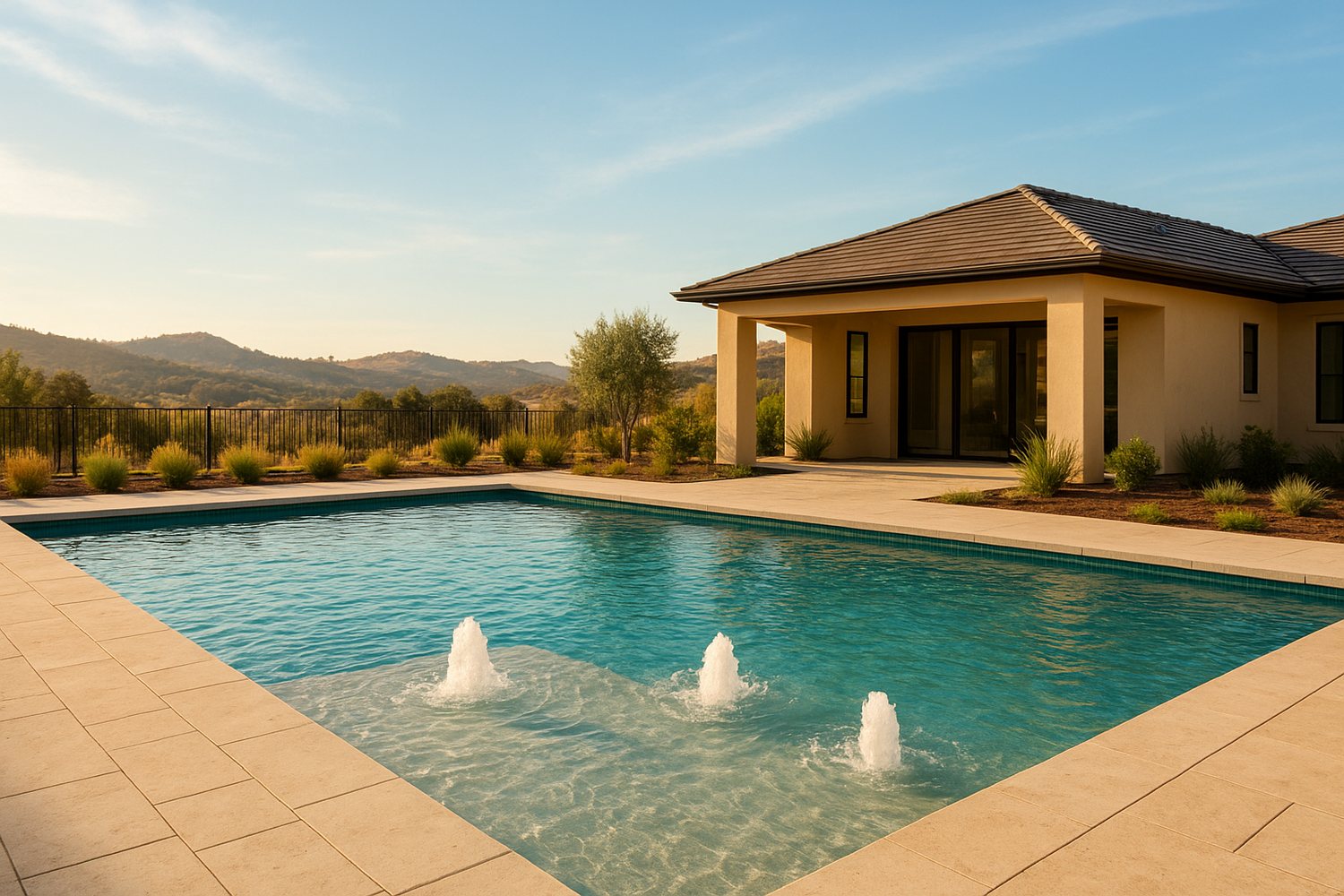
    Pool waterfalls create a dynamic visual and sound experience, often acting as focal points in an outdoor setting. Sheer descents—a thin, smooth sheet of water—add modern elegance, while deck jets shoot arcs of water across the pool for an interactive element. All three bring different personalities and can be tailored for your unique backyard.

    Each feature interacts differently with pool equipment and the way your pool functions day-to-day. For example, the volume of water needed for a waterfall is much different from what a set of deck jets requires. Aesthetics aside, it pays to understand how these choices will affect your maintenance and enjoyment.

    Consider these features as artistic elements, but also as mechanical systems with precise requirements. Before committing to a design, think about how often you’ll use each feature and the atmosphere you want—lively, tranquil, or a bit of both.

    • Waterfalls: dramatic, natural effect
    • Sheer descents: sleek, modern lines
    • Deck jets: playful, customizable

    Explore more options and inspiration on thePool waterfalls, sheer descents and deck jetspage.

    The Role of Pumps: Sizing and Efficiency

    Selecting the right pump size is a crucial technical decision when planning pool features. Waterfalls and sheer descents often need more flow than regular pool circulation, so undersized pumps can lead to disappointing results. Consider both water volume and head pressure: the higher and wider the feature, the greater the pump demand.

    Variable-speed pumps are popular in our region for their energy efficiency, quietly adapting to the needs of different features. This lets you fine-tune flow for your waterfall, deck jets, or sheer descent without wasted energy. Efficient circulation means less long-term expense and a more reliable setup.

    Have an honest discussion with your builder about your intended usage patterns. If you plan to run multiple features together, your pump and plumbing must support the combined demand. It’s a balance between performance, quiet operation, and efficiency suitable for the local electric grid.

    • Single-speed vs. variable-speed pumps
    • Flow rate impacts sound and splash
    • Higher features = higher pump requirement

    Noise Matters: Creating a Peaceful Backyard

    The allure of a waterfall or deck jet includes the soothing sound of water, but every feature will create a different sound profile. Waterfalls provide a deeper, constant flow sound, ideal for masking neighborhood noise. Deck jets create a lighter, higher-pitched splash, while sheer descents tend to sound clean and even.

    Pump noise also deserves attention. Larger or older single-speed pumps can add unwanted mechanical noise, especially in quieter backyards in Rocklin or Granite Bay. Well-designed systems can keep pump noise out of the conversation area and ensure your tranquil retreat isn’t interrupted.

    Ask your builder to situate equipment as far as practical from high-use spaces like patios or bedrooms. Water feature height, distance from seating, and flow can be adjusted during planning to harmonize with your desired soundscape.

    • Water movement sound: calming or invigorating
    • Pump placement impacts overall noise
    • Test sound profiles before settling on a design
    Feature TypePump RequirementTypical SoundWater Loss RiskBest For
    WaterfallHighDeep/ConstantModerate-HighNatural look, sound masking
    Sheer DescentMediumClean/EvenModerateModern style, minimal sound
    Deck JetsLow-MediumLight/SplashyHigh (wind)Interactive, flexible layout

    Water Loss: Evaporation, Splash and Planning for Conservation

    Specialty water features inherently lead to higher evaporation and splash-out. In the dry, warm climates of Placer, Sacramento and El Dorado Counties, this water loss can be noticeable, especially in summer. Waterfalls and sheer descents with higher placements or wide, exposed areas will lose water faster.

    Deck jets, especially in windy areas like Auburn and Folsom, can send fine sprays outside the pool—leading to wasted water and potential wet spots on nearby hardscape. It’s essential to factor local microclimates into your design. You may want features with adjustable flow or the option to run only some jets at a time.

    Be realistic with expectations: dramatic features will increase water use and require more vigilant pool monitoring. Good planning—including timers, wind sensors, or choosing compact cascade styles—helps minimize loss while delivering the dramatic effect you want.

    • Evaporative loss increases with temperature and wind
    • Adjustable flow jets help conserve water
    • Automatic fill systems can maintain proper water level

    Managing Maintenance: What to Expect

    Water features introduce more moving parts, so expect slightly higher maintenance requirements than a basic pool. Debris can clog deck jets or sheer descents; waterfall rocks may need occasional algae removal. Choose accessible, open-face designs if ongoing cleaning is a concern.

    Proper water chemistry is even more important with cascades and jets. The thin films and spray patterns tend to accentuate scale and staining. Local water in Folsom and Roseville has mineral content that can create visible buildup, especially with less frequent use of the features.

    Consult with your pool builder about integrated solutions like self-cleaning heads or easy-to-remove covers. A routine check-up can prevent most issues and extend the life of pumps and plumbing, especially if your features see regular use.

    • Expect to clean intakes and nozzles periodically
    • Regularly check for calcium buildup
    • Address leaks quickly to prevent equipment strain

    See how these features fit with the full collection on theCustom Poolsoptions overview.

    Balancing Beauty and Utility in Design

    Striking water features should feel like a natural extension of your environment, not an afterthought. Thoughtful placement preserves open areas for lounging, plays well with sunshine, and ensures you’ll enjoy both the look and the function of each pool addition.

    Utility and beauty often pull in different directions. For instance, a tall waterfall looks thrilling but may splash too far on breezy days. Deck jets are fun, but too many can quickly dominate a compact pool or overwhelm the rest of your landscaping.

    Work closely with a pool designer familiar with Rocklin, Roseville, Granite Bay and surrounding communities. They understand local weather, wind, trees, and light—crucial for deciding how your feature should look, sound, and perform through the seasons.

    • Balance drama with pool size and use
    • Sunlight and wind affect feature choice
    • Integrate water features with outdoor lighting for added effect

    Plumbing and Automation Considerations

    Quality water features rely on solid plumbing and smart automation. Oversized plumbing for features reduces strain on pumps and promotes consistent, efficient performance. Properly designed plumbing also makes future maintenance smoother and less costly.

    Modern automation lets you control features via smartphone, wall panel or remote— ideal for spontaneous gatherings or just turning down noise in the evening. Placing valves and controllers in easy-to-reach, weather-protected locations adds convenience and longevity.

    Ask your builder about options for programmable timers or integrating features with your pool’s lighting and heating systems. This foresight supports both aesthetics and utility, especially when you want to show off your pool for entertaining or relaxation. Local experience helps plan for easy maintenance down the road.

    • Larger pipes reduce pump noise and wear
    • Automation adds safety and convenience
    • Smart system planning saves headaches later

    Regional Factors: What Matters in Placer, Sacramento and El Dorado

    Our area’s sun, wind and mineral-rich water all impact water feature planning more than many realize. Positioning your features with local sunlight and breezes in mind reduces unwanted splash-out and evaporation. Windy afternoons in Auburn or open exposures in Granite Bay can affect your choices.

    Mineral content in water is another area concern—hardness can lead to scale buildup and may need more attention, especially on sheer descents or fine jets. Factoring in local water chemistry from day one helps avoid unsightly white stains down the road.

    Lastly, wildfire smoke and airborne debris are occasional issues in late summer and fall. Consider easily accessible features for cleaning or filter access during these events. Local experience can’t be overstated when it comes to keeping a high-end pool looking fresh in our California climate.

    • High sun and wind call for splash management
    • Use finish materials suited to mineral-rich water
    • Local knowledge helps avoid common mistakes

    Ready to plan your own backyard retreat?Request a consultationwith California Hardscapes.

    Pool waterfalls, sheer descents and deck jets: see the full guide to pool waterfalls, sheer descents and deck jets, or browse every custom pools option.
    Your project

    Planning a custom pools project?

    Call or text 916-741-0633, or email sales@californiahardscapes.com with your address, a short description and a few photos, and we will arrange a consultation.
  • Showcase Water Features: See Your Pool’s Waterfalls from Indoors

    Showcase Water Features: See Your Pool’s Waterfalls from Indoors

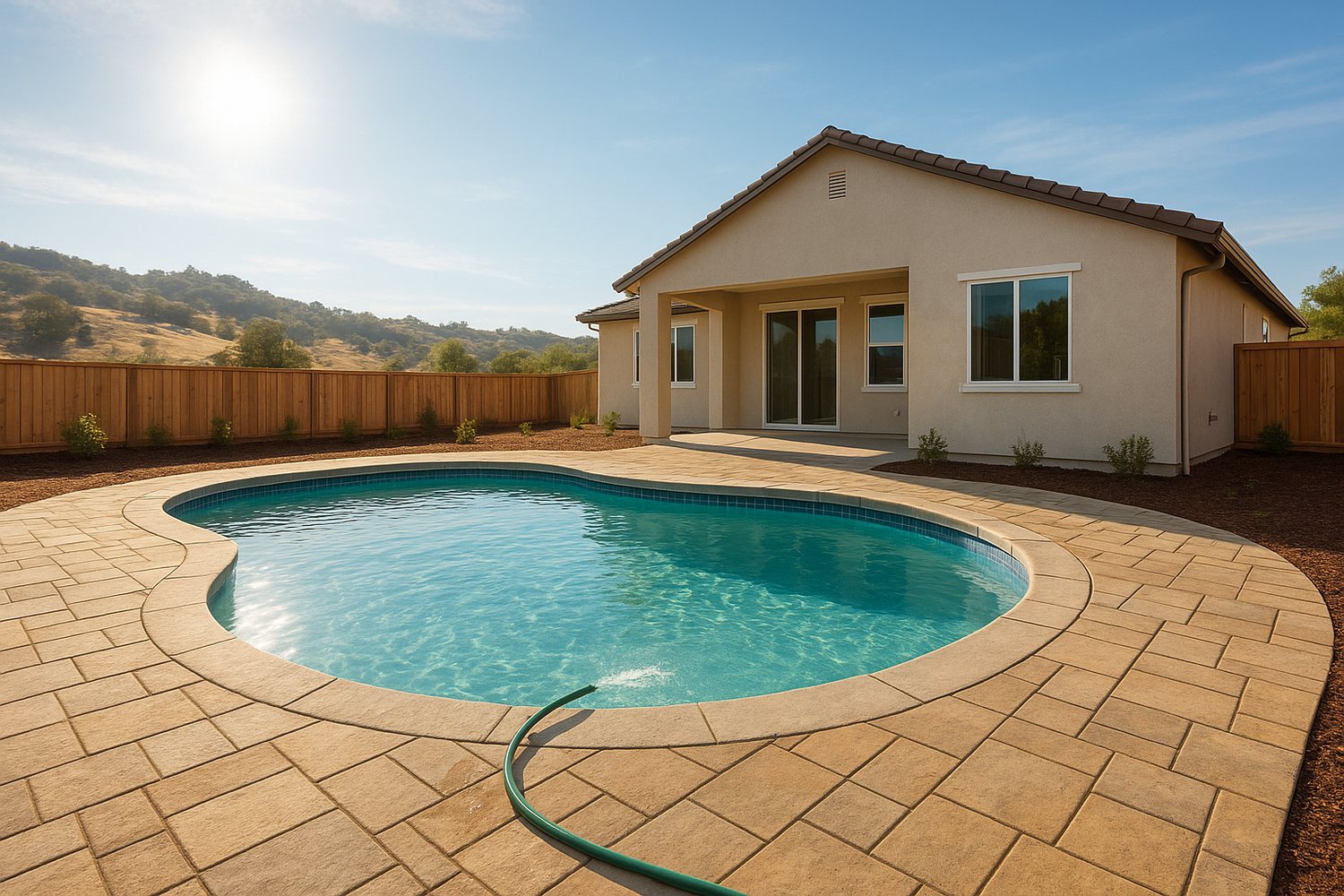
    Water features bring life to any custom pool, but smart design makes all the difference. Placing waterfalls, sheer descents, and deck jets so they’re enjoyed from both the pool and the house ensures your investment is front and center, every day.

    Why Water Feature Visibility Matters

    Water features like waterfalls and deck jets add movement and soothing sound, but their location defines how much you’ll enjoy them. For many homeowners around Rocklin and Granite Bay, views from inside the house are just as important as those from the yard or patio. If you can see your pool’s water features from the kitchen, living room, or main entertaining spaces, their beauty becomes part of your everyday experience.

    When planned at the right angle, a waterfall can act as a focal point, visible through windows and glass doors year-round. This strategic visibility turns a custom pool into a living piece of art and makes the backyard inviting, even on days the pool isn’t in use. The visual and audio ambiance extends the value of your outdoor space.

    Good sightlines demand a design that connects indoors and out. At California Hardscapes, we guide clients through evaluating set-backs, house orientation, and room use, ensuring water features catch the eye exactly where you want them. It’s a practical way to maximize both your view and your investment.

    For specific details and more visuals, visit ourpool waterfalls, sheer descents and deck jetspage.

    Reading Your Home’s Lines: Orientation and Windows

    Every home on a hill, cul-de-sac, or suburban block has a unique relationship between house and yard. The position of main windows, sliding glass doors, and gathering spaces inside dictates which areas outdoors command attention. Taking stock of these vantage points is the foundation for any water feature placement.

    If your kitchen faces the pool, that view might become the priority—especially if you spend time cooking or hosting. Large bay or picture windows can frame a waterfall perfectly, while a line of sight from the family room could lend itself to dramatic deck jets or a sheer descent. Don’t forget to test these sightlines at different times of day for changing sunlight and shadow.

    Professionals like us often walk the property with homeowners, noting the geometry and sightlines room by room. This exercise reveals ideal locations and helps avoid ‘hidden’ features—those that look impressive outdoors but fade away from the house. A thoughtful approach brings water features into full view from key spaces.

    Matching Water Features to Your Space

    It’s not just about the wow factor; different water features suit different pools and properties. For homes in Placer and El Dorado Counties, a tall waterfall might dominate in a spacious backyard but overwhelm a compact space. Sheer descents, which pour water in a sheet over a wall or ledge, offer a sleek look that suits both modern and traditional yards.

    Deck jets—arched streams of water spraying into the pool—provide a playful, dynamic accent, especially when lined up along edges visible from major windows. Consider how each style interacts with your hardscaping, fence lines, and landscaping for a cohesive appearance. Their scale and location impact everything from privacy to noise.

    A conversation about preferences, maintenance, and expected use goes a long way. For example, homeowners who want a tranquil effect might favor sheer descents, while families with kids often opt for interactive deck jets. Matching features to your lifestyle and architecture makes them a lasting highlight.

    • Tall waterfalls create drama, best for large yards
    • Sheer descents look clean and modern
    • Deck jets add motion and playfulness
    • Match scale to outdoor room size
    Feature TypeBest ViewpointTypical HeightSound LevelIdeal Yard Style
    Tall WaterfallLiving room, patio2–5 feetModerate to highLarge/open & sloped
    Sheer DescentDining area, deck1–3 feetLow to moderateModern or classic
    Deck JetsEntry hall, windowsFlush to deckLowFamily/interactive
    Integrated WallMultiple roomsVariesLow to highSloped/terraced
    Raised Planter FeatureKitchen, nook1–4 feetLowCompact/urban

    Height, Sound, and Placement Tricks That Work

    Elevating a waterfall or sheer descent can make it visible above landscaping and pool furniture, turning it into a true showpiece. But more isn’t always better—too high, and the feature may block views or overwhelm the area. For this region, integrating features into retaining walls or raised planters is a popular way to balance height and function.

    Sound is another consideration: cascading waterfalls can mask street noise but may be too loud if placed too close to indoor areas. Sheer descents tend to be quieter and more refined, perfect for homes where peaceful ambience is key. Deck jets, meanwhile, can create a gentle, intermittent background sound.

    Placement tricks we use in the Rocklin and Folsom area include offsetting features so they align with main windows, staggering jets for symmetry, and avoiding locations where wind might carry splashes toward the house. Small tweaks can make a big difference in both the visual impact and day-to-day enjoyment.

    • Raise water features to keep them visible above plants
    • Align with major indoor vantage points
    • Use landscaping to frame, not block, water features
    • Consider wind and splash zones

    Landscaping, Lighting, and Finishing Touches

    Your pool’s water features don’t stand alone—landscaping sets the stage. In Placer and Sacramento counties, Mediterranean and drought-tolerant plantings frame waterfalls beautifully without overwhelming the structure. Plant low and to the sides, not directly in front, to avoid blocking your view from indoors.

    Well-placed outdoor lighting amplifies impact when the sun goes down. Uplights behind a waterfall or spotlights shining through deck jets can create an enchanting effect, viewable from inside. Think about how lighting design complements both your pool area and your indoor sightlines.

    Finishes like stone, tile, or poured-in-place concrete should match your home’s palette and the era’s climate-smart standards. Finishing touches are best chosen with a keen eye for continuity from house to yard, especially when your features double as works of art for indoor appreciation.

    • Use native and drought-tolerant landscaping
    • Accent lighting extends enjoyability after dark
    • Choose finishes that echo your home’s colors

    Explore the full range ofcustom poolsand see which options might work best for your home.

    Practical Factors: Wind, Sun, and Shade

    Placer and El Dorado County yards face strong summer sun and variable winds, factors that affect pool design more here than in milder regions. Strong wind can send water from deck jets onto hard surfaces or even windows—something you want to plan to avoid in early design stages.

    Sun orientation not only shapes the look of water in motion, but also determines glare and how much you’ll see from indoors during peak hours. Features that shimmer in late afternoon sun are best sited where they won’t blind you or fade into shadow. Look for consistent, not just dramatic, visibility throughout the day.

    For ultimate usability, balance exposed and sheltered spaces. A waterfall nestled into part shade can provide cool relief, while exposed sheer descents catch evening light and stay in view. Considering these practical aspects ensures water features remain enjoyable, useful, and easy to maintain year-round.

    Addressing Slopes, Retaining Walls, and Setbacks

    Homes in Rocklin, Auburn, and hilly parts of Folsom often come with slopes. These elevations can be an asset in waterfall placement—allowing features to cascade naturally along a grade, visible from indoors without extra elevation or expense. Retaining walls and multi-level patios also lend themselves to built-in sheer descents.

    Each municipality enforces its own setback rules, and navigating these early in the planning process is crucial for both compliance and aesthetics. Sometimes setbacks dictate feature placement, but with careful design, you still control what’s visible from the house. We factor in these codes from the start to avoid any surprises later.

    By integrating water features into existing walls, risers, or terraced beds, we can maximize both sightlines and usable yard space. Addressing these realities up front leads to a finished pool that works with—not against—the land you have.

    • Use slopes for dramatic natural effects
    • Build features into retaining structures
    • Plan for setbacks early in design

    Making the Most of Your Custom Pool Investment

    Great pool design is about more than any one feature; it’s about maximizing your investment by making every upgrade visible and useful. Waterfalls, sheer descents, and deck jets are premium touches—placing them within view of your main living spaces multiplies their impact.

    Partnering with a professional team that understands local microclimates, design codes, and practical details ensures your features are built to last and to enjoy. California Hardscapes draws on decades of hands-on experience to guide you through every decision, from placement to finishing details.

    Take time early on to mark out sightlines, test placements, and discuss how you’ll use your backyard day-to-day. A little planning yields a pool area that’s appealing from all the right angles, tying together indoors and out for years of enjoyment.

    • View features from indoors and outdoors
    • Work with experienced local professionals
    • Plan details before building starts

    Ready to see your outdoor vision come to life?Request a consultationwith our team today.

    Pool waterfalls, sheer descents and deck jets: see the full guide to pool waterfalls, sheer descents and deck jets, or browse every custom pools option.
    Your project

    Planning a custom pools project?

    Call or text 916-741-0633, or email sales@californiahardscapes.com with your address, a short description and a few photos, and we will arrange a consultation.
  • Deciding on a Custom Pool: What Every Homeowner Should Know Early

    Deciding on a Custom Pool: What Every Homeowner Should Know Early

    Your dream pool is built on smart early decisions—size, depth, spa, and equipment. Each shapes your backyard experience and is hard to change later.

    Why Early Decisions Matter for Custom Pools

    When designing a custom pool, certain choices have a big impact on usability, budget, and long-term satisfaction. Size, shape, and features like spas and ledges all tie into the structural concrete and internal plumbing. Once concrete is poured and systems are installed, changes are difficult and costly—sometimes impossible.

    Rocklin, Roseville, Granite Bay, Folsom, Auburn, and surrounding areas have specific site considerations, from sloped lots to local climate and soil. Addressing these early means your pool will not only function well but fit in with your property’s needs and your lifestyle.

    Careful planning with an experienced contractor can help you clarify your priorities. Whether you’re after a lap pool, a family hub, or something for entertaining, mapping out details at the outset keeps your project on track and future regrets to a minimum.

    Learn more about what’s possible with a custom pool on ourCustom Poolspage.

    Selecting the Right Pool Size

    Pool size shapes nearly every backyard experience. Consider how many swimmers you’ll host, how you’ll use the space, and your yard’s proportions. Larger pools work for families or frequent gatherings, while smaller designs fit compact yards or a focus on relaxation.

    Local regulations in our region may affect how close your pool can be to property lines, easements, or retaining walls. These factors often set a maximum footprint before you select shape or features.

    Remember, increasing a pool’s size after construction isn’t practical. Take measurements, consider how patios, pool decks, and landscaping will integrate, and talk through scenarios with your builder. Early sizing discussions are key to a functional, attractive result.

    • Measure yard and sketch all structures
    • Factor in required setbacks
    • Consider patios, seating, and future hardscapes

    Determining Pool Depth: More Than Just Preference

    Depth is a major design commitment. At this stage, think about who will use the pool and what activities it should support—lap swimming, games, or lounging. Younger kids and casual swimmers often need shallower, safer depths, while deeper pools allow for diving and competitive swimming.

    Changing depth later typically requires total demolition and reconstruction. Standard depths range from around 3.5 feet for lounging to 6–8 feet for diving, with many families choosing a gradual slope or a dedicated deep end.

    Regional preferences in Placer and Sacramento Counties also influence choices, as sun exposure and water heating needs can affect comfortable use. Discuss practical needs and legal diving depth minimums with your contractor to find the best configuration.

    • 3.5–4.5 ft: Fun & relaxation
    • 5–6 ft: Swim & play
    • 6–8 ft: Diving & tricks
    FeatureChangeable Later?Cost to ChangeImpact on Use
    SizeRarelyHighMajor
    DepthAlmost NeverVery HighMajor
    Spa IntegrationDifficultVery HighMajor
    EquipmentSometimesModerateModerate
    LightingSometimesModerateNoticeable

    Do You Want a Spa? Decide Early

    A spa is a popular custom pool upgrade, providing year-round relaxation and hydrotherapy. Integrating a spa into the pool design affects plumbing, electrical systems, and equipment pad sizing. Adding a spa later can mean major demolition and expense, so it’s best decided from the start.

    In cooler seasons, a heated spa can extend outdoor enjoyment in Rocklin, Granite Bay, and Folsom. A built-in spa can also improve resale value and flexibility for entertaining guests or unwinding after a long day.

    Talk through your routines. Do you envision evening soaks or hosting gatherings? For many, the combination of pool and spa brings the best of both worlds, but advanced planning is key to achieving seamless integration.

    • Spa jets and seating
    • Heating options for year-round use
    • Integrated or standalone location

    Choosing the Right Equipment

    Pool equipment selection is more than just checking a box. Pumps, filters, and heaters all contribute to water quality and energy efficiency—especially with our region’s hot summers and cooler nights. Oversized or undersized equipment can impact maintenance and utility bills.

    Equipment is usually placed discreetly but needs access and airflow, so assess the best locations relative to fences and landscaping. Once plumbing is installed, it’s exceedingly disruptive to upgrade components such as heaters, automation controls, or specialty filtration.

    Homeowners in this region often prioritize variable-speed pumps for efficiency and reliable filtration for water clarity. Early equipment discussions safeguard long-term performance and comfort, even as your use habits evolve.

    • Variable-speed vs. single-speed pumps
    • Saltwater vs. traditional chlorination
    • Automation options for controls

    For design ideas and feature comparisons, visit our overview ofall Custom Pools options.

    Planning for Lighting and Automation

    Pool lighting transforms both appearance and safety, especially in backyards that host evening gatherings. LEDs, fiber optic, and specialty accent lights have become standard upgrades, but these choices must be made before concrete and coping are finalized.

    Automation allows homeowners to manage pools and spas from their smartphones—adjusting temperature, lights, and water features with ease. Planning ahead saves on labor and materials and avoids retrofit headaches.

    In the Rocklin and Granite Bay area, pool owners increasingly blend lighting design with outdoor living features, such as patios and seating walls. Consider your outdoor spaces holistically and discuss automation options at the design stage for best results.

    • LED, halogen, or fiber optics
    • Wireless smartphone controls
    • Integrated timers for efficiency

    Landscaping, Hardscapes, and Retaining Walls: Early Impact

    The pool’s surroundings are as critical as the pool itself. Features like patios, paths, planters, and retaining walls all influence how you enjoy your outdoor space. In sloped or uneven yards common in this region, retaining walls can be essential to keep patios flat and control drainage.

    Landscaping impacts both pool maintenance and the overall look. Early planning helps you prevent future headaches, such as overhanging trees shedding debris or walkways directing runoff into the pool.

    By addressing these elements from the outset, you’ll ensure safe, convenient access to your pool, a tailored look, and easy care—while staying compliant with local codes.

    • Retaining walls for slopes
    • Patio extensions for entertaining
    • Plant selections for low debris

    Work With a Practical, Experienced Builder

    Custom pools are not DIY territory. Working with a local contractor who understands the soil, climate, and building codes in Rocklin, Roseville, and neighboring communities is invaluable. Experienced builders guide you through what’s possible—and what must be decided up front.

    Marty of California Hardscapes brings over three decades in concrete and construction to every project. From concrete flatwork to full outdoor living spaces, his expertise helps you make informed, practical choices that stand the test of time.

    Bringing your vision to life takes smart early decisions, informed by real experience and local knowledge. The right builder makes sure your pool, patio, and landscaping work together for years of enjoyment.

    If you’re ready to start planning,request a consultationwith California Hardscapes.

    Custom Pools: see the full guide to custom pools, or browse every custom pools option.
    Your project

    Planning a custom pools project?

    Call or text 916-741-0633, or email sales@californiahardscapes.com with your address, a short description and a few photos, and we will arrange a consultation.
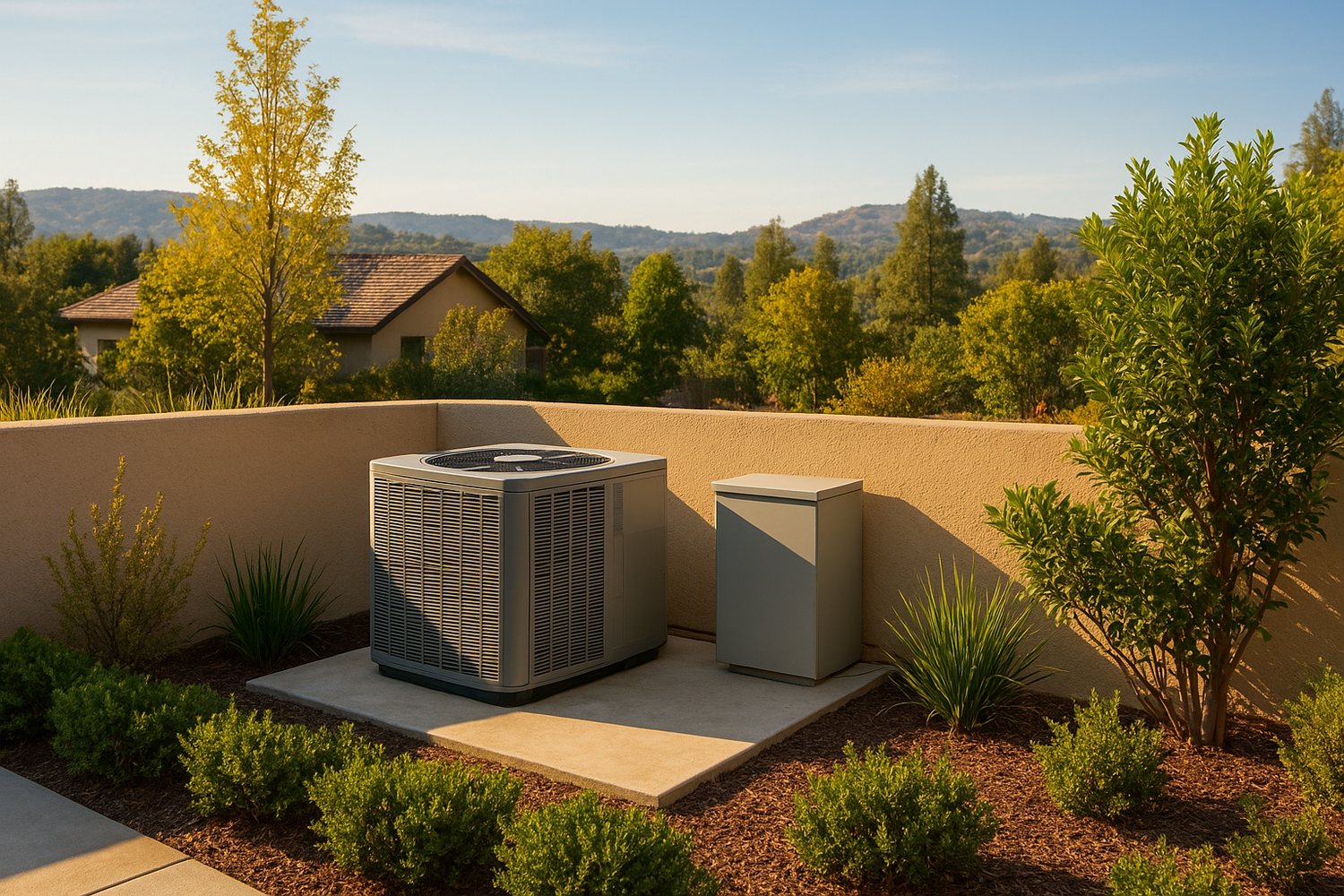
  • Comparing Custom Pool Styles and Features for Your California Backyard

    Comparing Custom Pool Styles and Features for Your California Backyard

    Every yard and family is different—so is every custom pool. We break down top pool styles, design elements, and major choices for Placer County homeowners.

    Understanding Pool Types: The Big Choices

    Deciding to install a custom pool starts with one of the most important questions: in-ground or above-ground? In-ground pools dominate in Rocklin, Roseville, Granite Bay, and Folsom because they blend naturally into yards, offer nearly endless shape options, and have strong resale appeal. Above-ground pools are less common in these areas but can suit tighter budgets or temporary needs.

    Among in-ground options, gunite (concrete), fiberglass, and vinyl liner are top contenders. Gunite pools offer complete customization in size and shape, making them perfect for sloped lots or unique visions. Fiberglass pools arrive as shells, installed quickly and with minimal long-term maintenance, but come in pre-set shapes. Vinyl liner pools suit budget-conscious homeowners but may not last as long in our hot, sunny climate.

    Each type offers pros and cons based on cost, durability, maintenance, and design flexibility. Most clients in the region prefer gunite for its ruggedness and creative options, but fiberglass is gaining popularity for families seeking something quick, clean, and efficient.

    Learn more about what sets ourCustom Poolsapproach apart.

    Classic, Modern, or Naturalistic: Picking Your Pool Aesthetic

    Pool style impacts your whole outdoor environment. Classic rectangle or Roman pools evoke timeless resort luxury. They work well for swimming laps and make backyard spaces appear organized and formal—fitting many of the traditional lots in Roseville and Granite Bay.

    Modern geometric pools—sharper angles and minimalist lines—fit perfectly with contemporary homes and current outdoor trends popular in Folsom and newer developments. Their clean look is simple to maintain and versatile for landscapes both large and small.

    Naturalistic or lagoon-style pools fit seamlessly into landscapes with boulders, waterfalls, and organic curves. They’re great for families wanting a backyard retreat that feels like an escape, blending beautifully with the mature oaks and elevation changes common in Auburn or rural edge neighborhoods.

    Features That Fit: Picking Upgrades With Real Value

    Pool features can make your build both functional and memorable, but it’s crucial to focus on what adds real value in your climate and lifestyle. In our area, energy-efficient pumps, variable speed filtration, and durable surface coatings work well with the long, warm swimming seasons.

    Consider adding benches, tanning ledges, or beach entries for family comfort. Safety is always a priority: integrated safety covers, alarms, or auto-locking gates are especially important for households with children or pets. LED lighting is another must-have—modern setups conserve energy and offer striking nighttime effect.

    Think about landscape integration. Incorporating fire features, integrated spas, or outdoor kitchens can transform your pool into a true backyard living centerpiece—fit for both everyday use and memorable gatherings year-round.

    • Energy-saving variable speed pumps
    • Slip-resistant decking
    • LED pool lighting and automation
    • Tanning ledges or splash pads
    • Automatic safety covers
    Pool TypeCustomizationMaintenanceLifespanBest For
    Gunite (Concrete)Unlimited shape/sizeModerate (regular cleaning, eventual resurfacing)25+ yearsFully custom, durability
    FiberglassPre-made shapesLow (smooth, algae resistant)20–30 yearsQuick install, easy upkeep
    Vinyl LinerCustom shapes possibleModerate (liner replacement)7–15 yearsBudget, softer finish

    How Your Yard Shape and Sun Exposure Matter

    Yard shape, sun patterns, and nearby landscaping all affect pool design. Narrow or sloped yards in Rocklin and Auburn often demand creative pool outlines, raised walls, or retaining features. Wide, flat backyards in places like Granite Bay can smoothly accommodate larger, more geometric designs.

    Sun exposure plays a big role in pool comfort and long-term upkeep. Pools situated to capture morning and midday sun tend to warm up naturally, reducing heating costs. However, pools in full sun may need extra consideration for shade (think pergolas or umbrellas) and debris control from surrounding landscaping.

    The existing soil and roots also matter: clay-heavy or rocky soil can dictate how a pool is installed. Working with a local team familiar with regional conditions ensures your pool is built right from the ground up.

    • Consider waking and evening sun angles
    • Match pool alignment to lot layout
    • Plan for mature tree roots and shade patterns

    Understanding Long-Term Maintenance and Upkeep

    The ongoing work to keep a pool clean, efficient, and visually sharp deserves careful thought before choosing a style. Gunite pools require regular cleaning and occasional resurfacing, especially with our region’s hard water and seasonal pollen.

    Fiberglass pools tend to resist algae and staining better than plaster finishes, needing less chemical intervention and saving owners time. Vinyl liner pools are gentle underfoot but can be prone to tears, especially in landscapes with pets or lots of tree debris.

    Pay attention to filtration and automation options—upgrading to smart control systems can help manage maintenance, keep chemical balance steady, and alert you to issues before they become costly repairs.

    Browse the full overview ofCustom Pools optionsand features we offer.

    Budgeting Choices: Where to Splurge, Where to Save

    Every pool project begins with a framework of what you can and want to spend. In the Rocklin area, the bulk of the investment typically goes into excavation, engineering, and building the pool shell. Opting for a unique shape, spa add-ons, or upgraded finishes can raise costs—but often pays off in daily enjoyment and long-term value.

    There are smart savings, too: stick with simpler shapes, focus on a few high-impact features, or phase enhancements over several seasons. Energy-efficient equipment can add up in upfront cost but will save significantly on monthly bills—worth considering given our extended swim season.

    Ask your builder about material durability and what’s typical for local weather and usage patterns. Thoughtful decisions made now will reduce headaches, unexpected repairs, and future expenses.

    Why Local Expertise Makes a Difference

    Building a pool in Placer, Sacramento, or El Dorado County isn’t one-size-fits-all. Local terrain, soil, and climate all impact your pool’s longevity and function. Working with a team that knows regional challenges—such as the summer heat, seasonal storms, and native soils—means fewer surprises and a smoother process.

    A builder experienced in local codes can help you avoid headaches with permitting and inspections. Familiarity with neighborhood trends helps ensure your finished pool stands out for the right reasons, complementing your home and staying in step with regional real estate value.

    California Hardscapes brings a full-service approach from concept to final landscaping and lighting. Practical know-how with concrete, outdoor features, and custom pools shapes every project—led by Marty and his decades of hands-on experience.

    Making the Right Call for Your Custom Pool Project

    The best pool for your home comes down to a balance—of style, function, yard shape, and budget. Take the time to visit with a local expert to discuss your goals and walk through real design options that fit your specific space and needs.

    Remember, there’s no one-size-fits-all answer. Whether you picture a sleek modern rectangle, a relaxing lagoon, or a classic resort look, the right pool is the one that brings lasting value, comfort, and enjoyment to your life year-round.

    If you’re navigating your choices, reach out to California Hardscapes. A short conversation with a seasoned local team is often the simplest way to cut through confusion and get practical recommendations on what’s possible in your yard.

    Ready to explore your own possibilities?Request a consultationwith our local team today.

    Custom Pools: see the full guide to custom pools, or browse every custom pools option.
    Your project

    Planning a custom pools project?

    Call or text 916-741-0633, or email sales@californiahardscapes.com with your address, a short description and a few photos, and we will arrange a consultation.
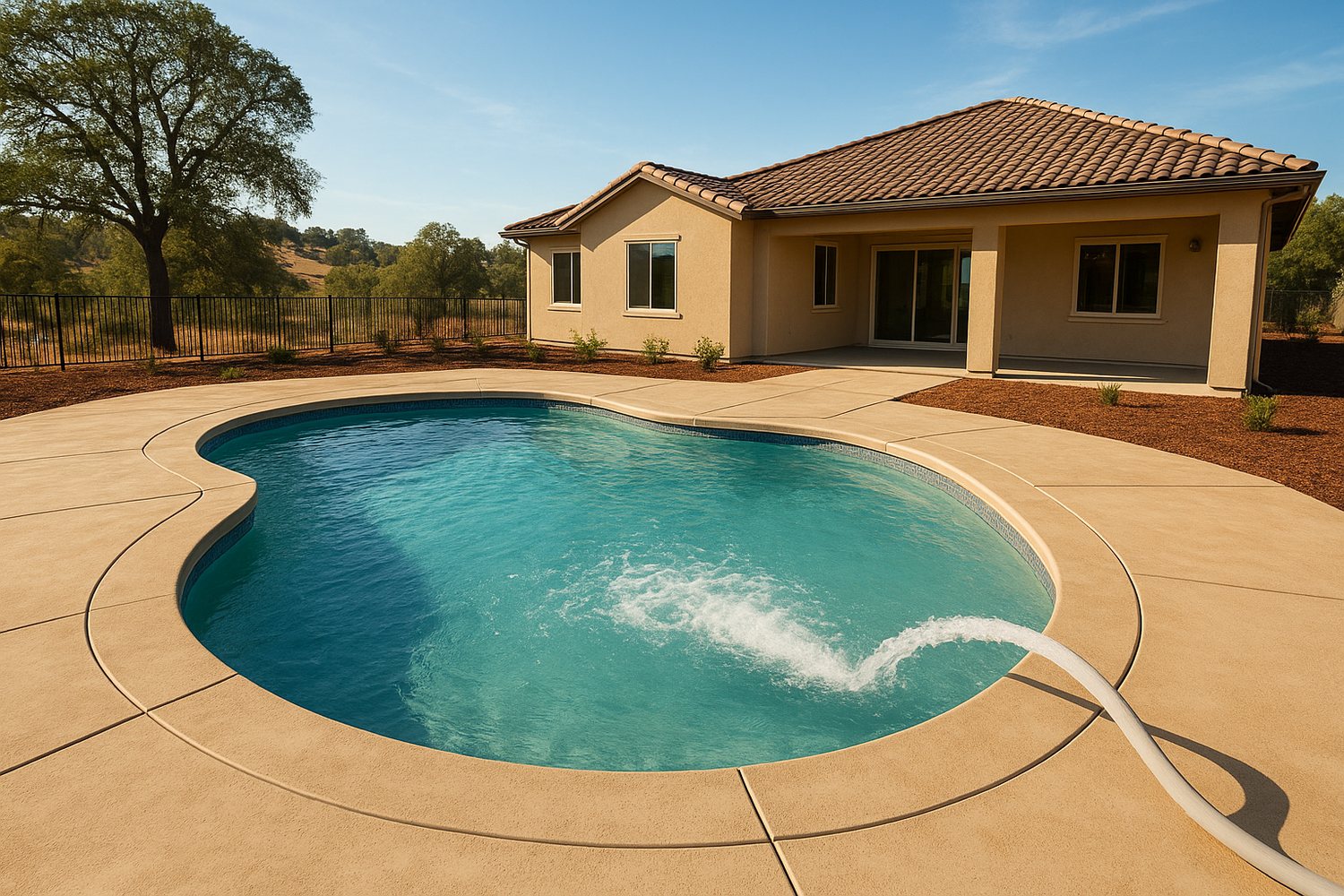
  • Smart Pool Equipment Choices for Lower Operating Costs

    Smart Pool Equipment Choices for Lower Operating Costs

    Investing in a custom pool means making long-term choices, especially around equipment. The right pumps, filters, and automation can save significant energy and money year after year.

    Understanding Efficient Pool Pumps

    The pump is the heart of your pool’s circulation system, keeping water clean by moving it through filters and heaters. For pool owners in the Rocklin and Placer County area, variable-speed pumps are the top pick for efficiency. Unlike traditional single-speed models, variable-speed pumps use less energy by running only as fast as needed for different tasks.

    These pumps are also much quieter than older designs, and their energy savings become more noticeable over time. Many models qualify for rebates from local utilities, which can speed up your return on investment. It’s a smart upgrade for both new custom pools and when replacing aging equipment.

    Another advantage is improved equipment longevity. Running at lower speeds reduces wear, extending the life of your pump and related components. Homeowners here appreciate equipment that runs efficiently without constant attention—making variable-speed pumps a practical foundation for an efficient pool.

    • Adjustable speeds for different needs
    • Longer lifespan for equipment
    • Potential for utility rebates

    For even more detail on the latest automation and energy-wise pool gear, see ourPool equipment, heating and automationpage.

    Selecting the Right Pool Filter

    Pool filters keep water crystal clear by removing debris and fine particles. Cartridge, sand, and diatomaceous earth (DE) are the main filter types. For custom pools in the Sacramento Valley’s dusty summer climate, cartridge filters typically balance clean water with low running costs.

    Cartridge filters require less water for cleaning compared to sand or DE, using simple rinsing rather than frequent backwashing. This means less wasted water and a lower utility bill—a real concern in drought-prone California. For most residential pools, cartridges offer straightforward maintenance homeowners can handle themselves.

    Sand and DE filters still have a place, especially for larger or commercial pools with higher debris loads. However, if your goal is to minimize ongoing expense and labor, cartridge filters suit most backyard settings in our region.

    • Cartridge filters: least water waste, easy maintenance
    • Sand filters: rugged, but use more water to clean
    • DE filters: finest filtration, more effort to maintain

    Heating Strategies that Make Sense Locally

    A pool heater extends your swim season, but it’s important to choose equipment and settings that balance comfort with running costs. In our Mediterranean climate, solar heaters or high-efficiency heat pumps are popular. Both options pair well with automation, allowing you to set temperatures just as you need.

    Solar heating uses the region’s plentiful sunshine and works best with an unshaded yard. It’s a cost-effective upgrade, though output drops on cloudy days. Heat pumps cost more upfront but can steadily warm your pool in spring and fall, especially if paired with a cover to hold in heat overnight.

    Natural gas heaters provide fast heating but cost more to run, making them best for occasional, rapid heating needs. Most local homeowners find the combination of solar or a heat pump plus a quality cover delivers the most value and the longest swim season for the lowest energy spend.

    • Solar: Low operation cost, seasonal performance
    • Heat pumps: Steady, efficient heating
    • Covers: Essential for heat retention
    Pump or Filter TypeEnergy UseWater UseMaintenanceBest For
    Variable-Speed PumpLowNormalLowHomeowners focused on energy savings
    Single-Speed PumpHighNormalLowBudget installs, less concern for energy bills
    Cartridge FilterN/ALowEasyMost residential backyards
    Sand FilterN/AHighModerateLarge or very dirty pools
    DE FilterN/AModerateMore involvedFine filtration, more hands-on upkeep

    Pool Automation: Smarter, Easier, More Efficient

    Modern automation systems let you set and forget many pool tasks, saving time and energy. Pool controllers can schedule pump runtimes, adjust light settings, control water features, and manage heaters—all from your smartphone or a wall panel.

    Automation helps by running equipment only when it’s most effective. For example, pumps can be programmed to circulate water during off-peak electricity hours. Heaters can be set to maintain temperature just before your usual swim time, rather than running all day.

    For homeowners in Rocklin, Roseville, and nearby areas, pool automation also makes it easier to maintain water quality and spot issues early. Choosing the right control system means more time enjoying your pool and less time tinkering with timers and dials.

    • Schedule equipment for off-peak utility hours
    • Remote control from phone or panel
    • Reduce manual oversight and guesswork

    Comparing Pump and Filter Options for Our Climate

    Not all pools—or their equipment—are created equal. Choosing between variable-speed and single-speed pumps, or among different filter types, can greatly impact annual running costs here in Placer, Sacramento, and El Dorado counties.

    Climate plays a key role. Pools here run longer in spring and fall, and air quality means more dust and pollen ends up in the water. Efficient equipment makes maintaining a clean, comfortable pool much less effort. Installation cost matters up front, but ongoing utility and maintenance expenses add up over time.

    Our table below highlights practical differences—the kind that matter to local homeowners. Use it as a guide when making decisions or discussing options with a pool contractor.

    To explore the full spectrum of design and material possibilities, visit ourCustom Poolsoverview.

    How Sizing and Installation Choices Affect Efficiency

    Selecting the right size for pumps, heaters, and filters is as important as choosing efficient models. Undersized equipment struggles to keep up; oversized systems waste energy and money. A professional takes into account your pool’s volume, features, and expected use when recommending specs.

    In our area, factors like summertime debris, windy afternoons, and long sunny days all affect which equipment suits your backyard best. Accurate sizing helps ensure your pool stays clear and inviting without excessive cycling or energy use.

    Installation details, such as properly placed inlets, outlets, and plumbing runs, also influence how effectively your system operates. Trusting seasoned professionals means your investment pays off in both performance and savings over time.

    • Right-sized equipment works efficiently
    • Local environment impacts choice
    • Installation quality matters

    Maintenance Practices to Extend Equipment Lifespan

    Even high-end equipment needs routine care. Regularly cleaning filters, inspecting pump baskets, and watching water levels can all prevent bigger problems and keep your system working at peak efficiency.

    For most custom pools in the greater Sacramento area, homeowners can do much of this upkeep themselves—no specialty tools required. Skimming leaves, checking chemical levels, and maintaining covers also lighten the load on pumps and heaters.

    If you’re unsure how to maintain your specific components, ask your builder or installer for a maintenance walk-through. The more you know about your pool’s unique needs, the better you can protect your investment and maximize savings.

    • Regular filter cleaning prevents clogs
    • Skimming and vacuuming reduce strain on equipment
    • Monitor water chemistry to avoid corrosion

    Deciding What’s Right for Your Custom Pool

    Every backyard and family is different, and so are their pool priorities. Some homeowners want the lowest possible running costs; others seek the least maintenance, fastest heating, or the latest smart features. Your choices in equipment should reflect how you use your pool and what matters most to you.

    Think about not just initial installation, but ownership experience over the years. Upfront costs are important, but smart pump, filter, and automation choices add up to real savings and less hassle down the road—especially in California’s climate.

    If you’re planning a new custom pool or an equipment upgrade, talk through your options with a professional who knows local conditions and equipment. The right advice can help you create a pool that’s comfortable, efficient, and enjoyable for seasons to come.

    • Prioritize efficiency or convenience based on your lifestyle
    • Seek equipment tailored for local climate
    • Consult with a professional for customized recommendations

    Ready to discuss your options and get expert guidance?Request a consultationwith our team today.

    Pool equipment, heating and automation: see the full guide to pool equipment, heating and automation, or browse every custom pools option.
    Your project

    Planning a custom pools project?

    Call or text 916-741-0633, or email sales@californiahardscapes.com with your address, a short description and a few photos, and we will arrange a consultation.

  • Planning the Perfect Pool Remodel: A Step-by-Step Order of Work

    Planning the Perfect Pool Remodel: A Step-by-Step Order of Work

    A complete pool remodel is more than a facelift—it’s a coordinated process that unfolds in a particular order. Knowing what comes next saves time, reduces headaches, and helps you make confident decisions.

    Start with the Vision: Assessing Needs and Ideas

    Before work begins, spend time evaluating what you want from your pool remodel. Consider how your family uses the pool area: relaxation, exercise, entertaining, or a bit of everything. Note any changes in your needs since the pool was built.

    Explore materials, finishes, and features that’ll stand up to our region’s climate—from cool decking for hot summers to elegant lighting for year-round appeal. Gather photos or lists of elements you love: maybe a Baja shelf, new waterline tile, or an energy-efficient pump.

    A clear vision helps guide every step in the process, making conversations with your contractor far more productive. It also helps prioritize your investment—which comes in handy should the wish-list meet the budget.

    • List your top three reasons for remodeling.
    • Identify any must-have features.
    • Think about long-term maintenance preferences.

    For a full outline of what’s possible, explore ourPool remodeling and resurfacingpage.

    Inspection and Budget: Laying the Groundwork

    An experienced contractor will thoroughly inspect your pool, decking, coping, and equipment. In older pools, structural or plumbing issues sometimes come to light. This step defines the project’s real scope—and any necessary repairs that must come first.

    Budget planning starts with inspection results and your vision. Be honest about your priorities and overall investment comfort zone. Ask about options for phasing work if everything can’t be tackled at once. Clarity here means no surprises later.

    Local considerations matter; for example, expansive soils in Placer and Sacramento counties may affect your subgrade or drainage planning. Don’t hesitate to ask how regional issues impact both costs and construction methods.

    • Confirm structural soundness.
    • Get an itemized, prioritized estimate.
    • Discuss how local site conditions affect your plan.

    Demo, Prep, and Site Protection

    The active remodel starts with demolition—removing old plaster, tile, coping, and sometimes pool decking. Site protection is vital to prevent damage to landscaping, patios, or surrounding structures.

    After demo, experienced crews focus on prepping the shell and surrounding surfaces. This may include cleaning, patching, and addressing any revealed issues, such as minor cracks or outdated plumbing.

    Efficient debris removal and careful staging make the next steps go smoother. In the Rocklin and Roseville area, crews respect access limitations, neighborhood rules, and seasonal rain impacts while working.

    • Ask how dust and debris will be managed.
    • Clarify access routes for equipment and materials.
    • Confirm timelines for noisy demo work.
    StepWhy It MattersWhen It HappensLocal Notes
    Vision & AssessmentGuides design and budgetBefore constructionPersonalize for family/lifestyle
    Inspection & BudgetFind issues earlyPre-constructionWatch for local soil conditions
    Demolition & PrepCreates a clean slateStart of constructionProtect nearby landscaping
    Plumbing/ElectricalUpgrades system safetyAfter demolitionCheck energy-saving options
    Structure/SurfaceShapes appearanceMid-constructionSelect sun-resistant finishes
    Deck/HardscapeAdds function & beautyAfter interior finishUse cool, durable materials

    Plumbing, Electrical, and Equipment Upgrades

    With the shell exposed, now is the time to update plumbing lines, add new drains, or improve returns. For aging pools, swapping out old copper for modern PVC and installing new valves often improves efficiency and reliability.

    Upgrading pool lighting—LED fixtures for energy savings—or integrating water features means electrical work comes next. Safety codes and GFCI requirements are always followed for new installations in California.

    New or replacement equipment (filters, pumps, automation, or heaters) is installed after plumbing and electrical are roughed in. This is also the point to discuss eco-friendly and energy-efficient options tailored to local energy costs and rebates.

    • Consider upgrading to variable speed pumps.
    • Ask about automation systems.
    • Review warranties on new equipment.

    Structural and Surface Enhancements

    If your remodel includes structural changes—like a new sun shelf, steps, or spa addition—those are formed and poured next. Retaining or reshaping the pool shell requires expert concrete work, tuned to the soil and site conditions common in this region.

    Once any structure is complete, resurfacing moves to center stage. Options range from smooth plaster to pebble finishes; each has its own maintenance, texture, and color characteristics. Discuss which makes sense for durability under local sun exposure and use.

    Tile and coping are installed after surfacing prep. Proper sequencing here protects each finish and ensures lasting adhesion, especially important for high-use family pools.

    • Choose finish textures based on comfort and safety.
    • Compare tile types for freeze-thaw resistance.
    • Confirm cleanups between each construction phase.

    Ready for even more ideas? Check the overview of allCustom Poolsoptions on our website.

    Decking, Hardscape, and Landscape Improvements

    Pool projects often expand to include new decking, seat walls, fire pits, or outdoor kitchens. Installing these after pool surfacing prevents damage to your new finish. Concrete, stone, or paver choices should stand up to regional temperature swings and stay cool for bare feet.

    Hardscape elements such as retaining walls or raised planters are often constructed next. Matching materials across the pool deck and surrounding spaces creates a seamless, finished look.

    Landscaping and low-voltage lighting bring the space together and improve safety. Drought-tolerant planting and drip irrigation are practical and sustainable options for Placer and Sacramento counties.

    • Coordinate materials for visual harmony.
    • Ensure proper drainage is integrated.
    • Use slip-resistant decking surfaces.

    Surface Filling, Start-Up, and Water Balancing

    After all finishes cure, your pool is filled and the equipment is started up for the first time. The right water balancing is key to protecting new plaster or pebble—especially in the first month.

    A gradual chemical start-up process prevents staining, etching, and surface issues. In our area’s relatively hard water, extra attention to calcium and pH is needed for longevity.

    Your contractor should walk through pool systems, features, and routines, ensuring you understand how to keep the investment protected and sparkling.

    • Follow post-start instructions closely.
    • Test water regularly in the first month.
    • Ask for a maintenance demonstration.

    Final Walk-Through and Living With Your Remodel

    The project wraps up with a final walkthrough, punch-list corrections, and care tips. Take time to inspect surfaces, test features, and check for completion against your contract.

    You’ll want to know how to operate equipment, set timers, and maintain finishes. Your contractor should provide a care guide or resource for future upkeep—don’t hesitate to ask questions.

    A well-planned pool remodel adds value, beauty, and enjoyment to your home for years to come. Remember, the right order of work—and attention to regional best practices—is what creates a premium finished result.

    • Keep a record of care guides and contacts.
    • Plan seasonal maintenance tasks.
    • Schedule future upgrades as desired.

    Talk with an expert about your specific project—request a consultationwith California Hardscapes today.

    Pool remodeling and resurfacing: see the full guide to pool remodeling and resurfacing, or browse every custom pools option.
    Your project

    Planning a custom pools project?

    Call or text 916-741-0633, or email sales@californiahardscapes.com with your address, a short description and a few photos, and we will arrange a consultation.