Category: Uncategorized

  • Deciding on a Custom Pool: What Every Homeowner Should Know Early

    Deciding on a Custom Pool: What Every Homeowner Should Know Early

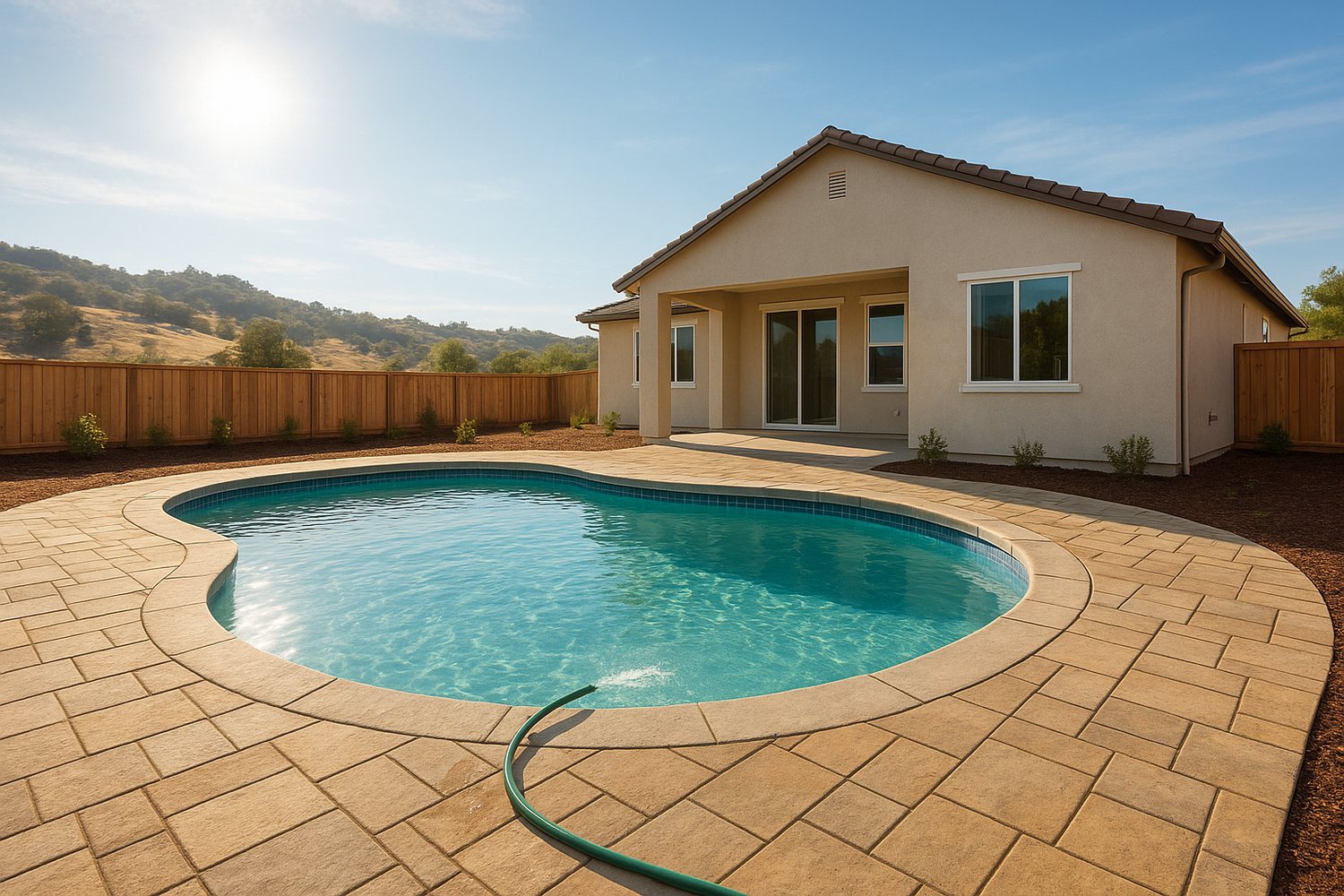
    Your dream pool is built on smart early decisions—size, depth, spa, and equipment. Each shapes your backyard experience and is hard to change later.

    Why Early Decisions Matter for Custom Pools

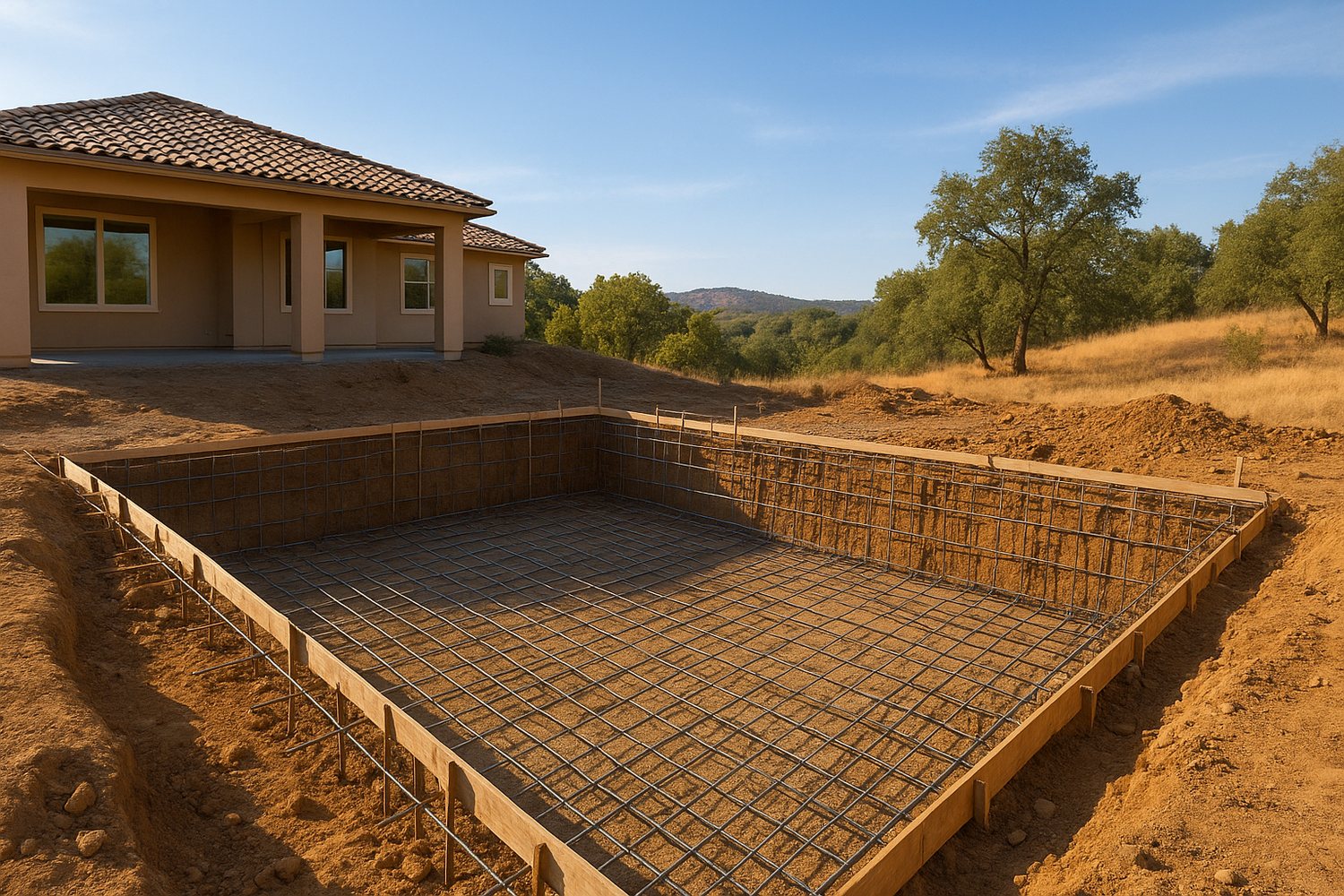
    When designing a custom pool, certain choices have a big impact on usability, budget, and long-term satisfaction. Size, shape, and features like spas and ledges all tie into the structural concrete and internal plumbing. Once concrete is poured and systems are installed, changes are difficult and costly—sometimes impossible.

    Rocklin, Roseville, Granite Bay, Folsom, Auburn, and surrounding areas have specific site considerations, from sloped lots to local climate and soil. Addressing these early means your pool will not only function well but fit in with your property’s needs and your lifestyle.

    Careful planning with an experienced contractor can help you clarify your priorities. Whether you’re after a lap pool, a family hub, or something for entertaining, mapping out details at the outset keeps your project on track and future regrets to a minimum.

    Learn more about what’s possible with a custom pool on ourCustom Poolspage.

    Selecting the Right Pool Size

    Pool size shapes nearly every backyard experience. Consider how many swimmers you’ll host, how you’ll use the space, and your yard’s proportions. Larger pools work for families or frequent gatherings, while smaller designs fit compact yards or a focus on relaxation.

    Local regulations in our region may affect how close your pool can be to property lines, easements, or retaining walls. These factors often set a maximum footprint before you select shape or features.

    Remember, increasing a pool’s size after construction isn’t practical. Take measurements, consider how patios, pool decks, and landscaping will integrate, and talk through scenarios with your builder. Early sizing discussions are key to a functional, attractive result.

    • Measure yard and sketch all structures
    • Factor in required setbacks
    • Consider patios, seating, and future hardscapes

    Determining Pool Depth: More Than Just Preference

    Depth is a major design commitment. At this stage, think about who will use the pool and what activities it should support—lap swimming, games, or lounging. Younger kids and casual swimmers often need shallower, safer depths, while deeper pools allow for diving and competitive swimming.

    Changing depth later typically requires total demolition and reconstruction. Standard depths range from around 3.5 feet for lounging to 6–8 feet for diving, with many families choosing a gradual slope or a dedicated deep end.

    Regional preferences in Placer and Sacramento Counties also influence choices, as sun exposure and water heating needs can affect comfortable use. Discuss practical needs and legal diving depth minimums with your contractor to find the best configuration.

    • 3.5–4.5 ft: Fun & relaxation
    • 5–6 ft: Swim & play
    • 6–8 ft: Diving & tricks
    FeatureChangeable Later?Cost to ChangeImpact on Use
    SizeRarelyHighMajor
    DepthAlmost NeverVery HighMajor
    Spa IntegrationDifficultVery HighMajor
    EquipmentSometimesModerateModerate
    LightingSometimesModerateNoticeable

    Do You Want a Spa? Decide Early

    A spa is a popular custom pool upgrade, providing year-round relaxation and hydrotherapy. Integrating a spa into the pool design affects plumbing, electrical systems, and equipment pad sizing. Adding a spa later can mean major demolition and expense, so it’s best decided from the start.

    In cooler seasons, a heated spa can extend outdoor enjoyment in Rocklin, Granite Bay, and Folsom. A built-in spa can also improve resale value and flexibility for entertaining guests or unwinding after a long day.

    Talk through your routines. Do you envision evening soaks or hosting gatherings? For many, the combination of pool and spa brings the best of both worlds, but advanced planning is key to achieving seamless integration.

    • Spa jets and seating
    • Heating options for year-round use
    • Integrated or standalone location

    Choosing the Right Equipment

    Pool equipment selection is more than just checking a box. Pumps, filters, and heaters all contribute to water quality and energy efficiency—especially with our region’s hot summers and cooler nights. Oversized or undersized equipment can impact maintenance and utility bills.

    Equipment is usually placed discreetly but needs access and airflow, so assess the best locations relative to fences and landscaping. Once plumbing is installed, it’s exceedingly disruptive to upgrade components such as heaters, automation controls, or specialty filtration.

    Homeowners in this region often prioritize variable-speed pumps for efficiency and reliable filtration for water clarity. Early equipment discussions safeguard long-term performance and comfort, even as your use habits evolve.

    • Variable-speed vs. single-speed pumps
    • Saltwater vs. traditional chlorination
    • Automation options for controls

    For design ideas and feature comparisons, visit our overview ofall Custom Pools options.

    Planning for Lighting and Automation

    Pool lighting transforms both appearance and safety, especially in backyards that host evening gatherings. LEDs, fiber optic, and specialty accent lights have become standard upgrades, but these choices must be made before concrete and coping are finalized.

    Automation allows homeowners to manage pools and spas from their smartphones—adjusting temperature, lights, and water features with ease. Planning ahead saves on labor and materials and avoids retrofit headaches.

    In the Rocklin and Granite Bay area, pool owners increasingly blend lighting design with outdoor living features, such as patios and seating walls. Consider your outdoor spaces holistically and discuss automation options at the design stage for best results.

    • LED, halogen, or fiber optics
    • Wireless smartphone controls
    • Integrated timers for efficiency

    Landscaping, Hardscapes, and Retaining Walls: Early Impact

    The pool’s surroundings are as critical as the pool itself. Features like patios, paths, planters, and retaining walls all influence how you enjoy your outdoor space. In sloped or uneven yards common in this region, retaining walls can be essential to keep patios flat and control drainage.

    Landscaping impacts both pool maintenance and the overall look. Early planning helps you prevent future headaches, such as overhanging trees shedding debris or walkways directing runoff into the pool.

    By addressing these elements from the outset, you’ll ensure safe, convenient access to your pool, a tailored look, and easy care—while staying compliant with local codes.

    • Retaining walls for slopes
    • Patio extensions for entertaining
    • Plant selections for low debris

    Work With a Practical, Experienced Builder

    Custom pools are not DIY territory. Working with a local contractor who understands the soil, climate, and building codes in Rocklin, Roseville, and neighboring communities is invaluable. Experienced builders guide you through what’s possible—and what must be decided up front.

    Marty of California Hardscapes brings over three decades in concrete and construction to every project. From concrete flatwork to full outdoor living spaces, his expertise helps you make informed, practical choices that stand the test of time.

    Bringing your vision to life takes smart early decisions, informed by real experience and local knowledge. The right builder makes sure your pool, patio, and landscaping work together for years of enjoyment.

    If you’re ready to start planning,request a consultationwith California Hardscapes.

    Custom Pools: see the full guide to custom pools, or browse every custom pools option.
    Your project

    Planning a custom pools project?

    Call or text 916-741-0633, or email sales@californiahardscapes.com with your address, a short description and a few photos, and we will arrange a consultation.
  • Comparing Custom Pool Styles and Features for Your California Backyard

    Comparing Custom Pool Styles and Features for Your California Backyard

    Every yard and family is different—so is every custom pool. We break down top pool styles, design elements, and major choices for Placer County homeowners.

    Understanding Pool Types: The Big Choices

    Deciding to install a custom pool starts with one of the most important questions: in-ground or above-ground? In-ground pools dominate in Rocklin, Roseville, Granite Bay, and Folsom because they blend naturally into yards, offer nearly endless shape options, and have strong resale appeal. Above-ground pools are less common in these areas but can suit tighter budgets or temporary needs.

    Among in-ground options, gunite (concrete), fiberglass, and vinyl liner are top contenders. Gunite pools offer complete customization in size and shape, making them perfect for sloped lots or unique visions. Fiberglass pools arrive as shells, installed quickly and with minimal long-term maintenance, but come in pre-set shapes. Vinyl liner pools suit budget-conscious homeowners but may not last as long in our hot, sunny climate.

    Each type offers pros and cons based on cost, durability, maintenance, and design flexibility. Most clients in the region prefer gunite for its ruggedness and creative options, but fiberglass is gaining popularity for families seeking something quick, clean, and efficient.

    Learn more about what sets ourCustom Poolsapproach apart.

    Classic, Modern, or Naturalistic: Picking Your Pool Aesthetic

    Pool style impacts your whole outdoor environment. Classic rectangle or Roman pools evoke timeless resort luxury. They work well for swimming laps and make backyard spaces appear organized and formal—fitting many of the traditional lots in Roseville and Granite Bay.

    Modern geometric pools—sharper angles and minimalist lines—fit perfectly with contemporary homes and current outdoor trends popular in Folsom and newer developments. Their clean look is simple to maintain and versatile for landscapes both large and small.

    Naturalistic or lagoon-style pools fit seamlessly into landscapes with boulders, waterfalls, and organic curves. They’re great for families wanting a backyard retreat that feels like an escape, blending beautifully with the mature oaks and elevation changes common in Auburn or rural edge neighborhoods.

    Features That Fit: Picking Upgrades With Real Value

    Pool features can make your build both functional and memorable, but it’s crucial to focus on what adds real value in your climate and lifestyle. In our area, energy-efficient pumps, variable speed filtration, and durable surface coatings work well with the long, warm swimming seasons.

    Consider adding benches, tanning ledges, or beach entries for family comfort. Safety is always a priority: integrated safety covers, alarms, or auto-locking gates are especially important for households with children or pets. LED lighting is another must-have—modern setups conserve energy and offer striking nighttime effect.

    Think about landscape integration. Incorporating fire features, integrated spas, or outdoor kitchens can transform your pool into a true backyard living centerpiece—fit for both everyday use and memorable gatherings year-round.

    • Energy-saving variable speed pumps
    • Slip-resistant decking
    • LED pool lighting and automation
    • Tanning ledges or splash pads
    • Automatic safety covers
    Pool TypeCustomizationMaintenanceLifespanBest For
    Gunite (Concrete)Unlimited shape/sizeModerate (regular cleaning, eventual resurfacing)25+ yearsFully custom, durability
    FiberglassPre-made shapesLow (smooth, algae resistant)20–30 yearsQuick install, easy upkeep
    Vinyl LinerCustom shapes possibleModerate (liner replacement)7–15 yearsBudget, softer finish

    How Your Yard Shape and Sun Exposure Matter

    Yard shape, sun patterns, and nearby landscaping all affect pool design. Narrow or sloped yards in Rocklin and Auburn often demand creative pool outlines, raised walls, or retaining features. Wide, flat backyards in places like Granite Bay can smoothly accommodate larger, more geometric designs.

    Sun exposure plays a big role in pool comfort and long-term upkeep. Pools situated to capture morning and midday sun tend to warm up naturally, reducing heating costs. However, pools in full sun may need extra consideration for shade (think pergolas or umbrellas) and debris control from surrounding landscaping.

    The existing soil and roots also matter: clay-heavy or rocky soil can dictate how a pool is installed. Working with a local team familiar with regional conditions ensures your pool is built right from the ground up.

    • Consider waking and evening sun angles
    • Match pool alignment to lot layout
    • Plan for mature tree roots and shade patterns

    Understanding Long-Term Maintenance and Upkeep

    The ongoing work to keep a pool clean, efficient, and visually sharp deserves careful thought before choosing a style. Gunite pools require regular cleaning and occasional resurfacing, especially with our region’s hard water and seasonal pollen.

    Fiberglass pools tend to resist algae and staining better than plaster finishes, needing less chemical intervention and saving owners time. Vinyl liner pools are gentle underfoot but can be prone to tears, especially in landscapes with pets or lots of tree debris.

    Pay attention to filtration and automation options—upgrading to smart control systems can help manage maintenance, keep chemical balance steady, and alert you to issues before they become costly repairs.

    Browse the full overview ofCustom Pools optionsand features we offer.

    Budgeting Choices: Where to Splurge, Where to Save

    Every pool project begins with a framework of what you can and want to spend. In the Rocklin area, the bulk of the investment typically goes into excavation, engineering, and building the pool shell. Opting for a unique shape, spa add-ons, or upgraded finishes can raise costs—but often pays off in daily enjoyment and long-term value.

    There are smart savings, too: stick with simpler shapes, focus on a few high-impact features, or phase enhancements over several seasons. Energy-efficient equipment can add up in upfront cost but will save significantly on monthly bills—worth considering given our extended swim season.

    Ask your builder about material durability and what’s typical for local weather and usage patterns. Thoughtful decisions made now will reduce headaches, unexpected repairs, and future expenses.

    Why Local Expertise Makes a Difference

    Building a pool in Placer, Sacramento, or El Dorado County isn’t one-size-fits-all. Local terrain, soil, and climate all impact your pool’s longevity and function. Working with a team that knows regional challenges—such as the summer heat, seasonal storms, and native soils—means fewer surprises and a smoother process.

    A builder experienced in local codes can help you avoid headaches with permitting and inspections. Familiarity with neighborhood trends helps ensure your finished pool stands out for the right reasons, complementing your home and staying in step with regional real estate value.

    California Hardscapes brings a full-service approach from concept to final landscaping and lighting. Practical know-how with concrete, outdoor features, and custom pools shapes every project—led by Marty and his decades of hands-on experience.

    Making the Right Call for Your Custom Pool Project

    The best pool for your home comes down to a balance—of style, function, yard shape, and budget. Take the time to visit with a local expert to discuss your goals and walk through real design options that fit your specific space and needs.

    Remember, there’s no one-size-fits-all answer. Whether you picture a sleek modern rectangle, a relaxing lagoon, or a classic resort look, the right pool is the one that brings lasting value, comfort, and enjoyment to your life year-round.

    If you’re navigating your choices, reach out to California Hardscapes. A short conversation with a seasoned local team is often the simplest way to cut through confusion and get practical recommendations on what’s possible in your yard.

    Ready to explore your own possibilities?Request a consultationwith our local team today.

    Custom Pools: see the full guide to custom pools, or browse every custom pools option.
    Your project

    Planning a custom pools project?

    Call or text 916-741-0633, or email sales@californiahardscapes.com with your address, a short description and a few photos, and we will arrange a consultation.
  • Pool Safety Features and Fencing: California’s Drowning-Prevention Rules

    Pool Safety Features and Fencing: California’s Drowning-Prevention Rules

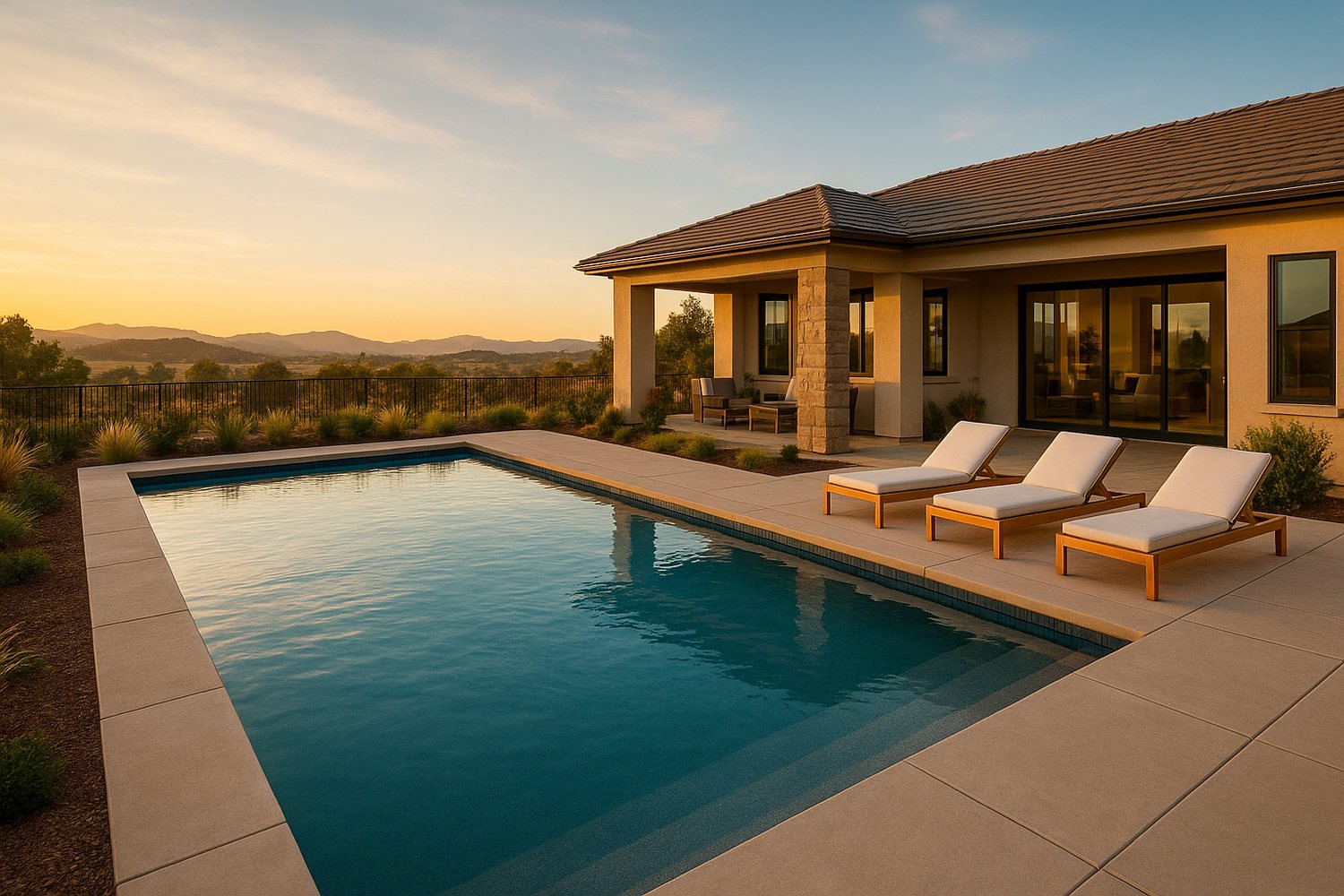
    Pool safety isn’t an optional extra—it’s the law in California. If you’re planning a new custom pool, here are the key drowning-prevention features every local homeowner should know.

    California Pool Safety Laws: What Has to Be in Place

    California’s Swimming Pool Safety Act requires specific features for any new or remodeled residential pool and spa. The law centers on drowning prevention, which remains a leading risk for children in backyard pools. For every pool permit, your chosen safety measures must meet state standards and pass city or county inspection before the pool can be used.

    At least two approved drowning-prevention features are mandatory for compliance. These are not just suggestions—they’re required for all new construction. The law applies throughout Placer, Sacramento, and El Dorado counties, though your city may have some added requirements. Always check with local building authorities before making final decisions.

    Local enforcement is serious because safety matters. Violations can delay your project or prevent final sign-off. Working with established professionals who understand the rules helps avoid costly surprises and ensures your outdoor space is ready for family enjoyment.

    For a complete breakdown, visit ourPool safety features and fencingguide.

    Fencing: Height, Gates, and Approved Designs

    Fencing is the most popular and predictable safety feature for pools. In California, fences around pools must be at least 60 inches tall, with gaps no larger than four inches to prevent small children from squeezing through. Chain link, wrought iron, and wood are common materials, but whatever you choose must meet city and state code.

    Self-closing, self-latching gates are a must. Gate latches need to be positioned at least 54 inches above the ground or on the pool side of the fence, out of reach of young children. Regular inspections and maintenance ensure these gates work as intended year after year.

    It’s not enough just to have a fence—the fence must completely isolate the pool from the house and yard access points (unless other code-approved barriers are also in place). City inspectors check for any climbable items or gaps that could defeat the perimeter’s purpose.

    • Minimum 5-foot fence height
    • Maximum 4-inch gap spacing
    • Self-closing, self-latching gates
    • Latch at least 54 inches off the ground

    Secondary Barriers: Alarms, Covers, and Door Closures

    Besides fencing, California recognizes other layers of protection as qualifying drowning-prevention features. These secondary barriers include pool alarms, safety covers, and exit alarms for doors leading directly to the pool area—not just exterior gates.

    Surface wave alarms detect disturbance on the water if someone or something enters the pool unexpectedly. Exit door alarms automatically sound when the door is opened, alerting adults if a child wanders toward the water. Pool covers must bear weight and meet ASTM standards to count as a compliant safety device.

    For maximum security, many families combine fencing and at least one secondary barrier. This layered approach gives added protection—especially when guests or young children are present around your pool.

    • Pool surface alarms
    • ASTM-compliant safety covers
    • Exit door alarms with audible alerts
    • Automatic pool cover lock mechanisms
    Safety FeatureMeets CA CodeEffectivenessMaintenanceCommon in This Region
    Perimeter FenceYesHighLow (inspect/maintain latch)Yes
    Self-Closing GateYes (with fence)HighLow (verify closure)Yes
    Exit Door AlarmYesMedium–HighLow (replace batteries)Often
    ASTM Safety CoverYesHighMedium (remove/replace as needed)Sometimes
    Pool Surface AlarmYesMediumMedium (test regularly)Sometimes

    Comparing Safety Options for Local Families

    Choosing the right mix of safety features is about blending convenience, cost, and effectiveness. While fences and alarms are standard, safety covers add another valuable layer that can also keep your pool cleaner.

    Here’s a comparison of the most common drowning-prevention features allowed under California law for new pools in this region. Consider how each option fits your family’s lifestyle and your property’s design.

    Work with an experienced pool professional who understands both the legal requirements and the practical realities of living in neighborhoods from Rocklin to El Dorado Hills.

    Local Considerations: Neighborhoods, Weather, and Wildlife

    Placer, Sacramento, and El Dorado County homes often have unique factors: sloped lots, large backyards, and close proximity to open space. All of these can affect the type of pool barrier required and how it’s installed.

    Wildlife and pets are another practical concern. Fencing keeps both children and animals safe, and some codes specify additional requirements if your property adjoins a greenbelt or open land. Gates need to latch securely, especially if deer, coyotes, or neighborhood dogs are a concern.

    Consider how local wind, dust, and weather will affect your barriers’ durability. High-quality materials and regular maintenance keep gates, alarms, and covers working reliably for years.

    • Address sloped terrain challenges
    • Plan for animal and pet access
    • Check local ordinances for added requirements

    Explore all the possibilities with our fullCustom Poolsoverview.

    Setting Up for Inspection: Avoid Common Issues

    Pool safety isn’t complete until your project passes city or county inspection. Inspectors check for all required features, measuring fences, testing gates, and verifying alarms or covers meet California code. Missed details can hold up your final approval.

    Some common issues in this region include insufficient fence height, faulty gate latches, or forgotten secondary barriers—especially on homes with direct backyard access. Prepare early, and double-check that every feature is installed as required before scheduling inspection.

    A reputable pool builder is invaluable here. They’re familiar with local inspectors’ expectations and can help ensure your paperwork, site plan, and finished work pass on the first try.

    • Measure fences and verify gate latch height
    • Test alarms and cover functions before inspection
    • Work with builders who know regional codes

    Custom Pools and the Right Safety Choices

    Every family’s needs are unique, and so are the designs of custom pools in our area. California’s safety rules set a minimum, but many owners opt for more than what’s required for extra peace of mind.

    At California Hardscapes, our team has decades of experience managing outdoor construction and understands how to bring safety, aesthetics, and local code compliance together, however complex your pool or landscape design.

    The best safety solutions are practical—integrated from the start, not tacked on later. Ask questions early in the design process to make sure your finished pool will be as secure as it is beautiful.

    Making the Right Decision: Steps for Homeowners

    Ready to plan your pool project? Start by reviewing California’s safety requirements and considering how your family, pets, and property will use the space. From there, work with contractors who understand both the big picture and the finer details unique to your community.

    Inspect existing fences and barriers, and plan upgrades as needed before construction begins. Document everything for your permit inspection. Open, simple communication with your builder will help ensure there are no surprises along the way.

    For support with outdoor living projects of any size—from pool safety to patios, landscaping, and more—reach out to Marty and the California Hardscapes team in Rocklin. Your peace of mind and your family’s safety are always worth prioritizing.

    Want expert advice?Request a consultationwith California Hardscapes.

    Pool safety features and fencing: see the full guide to pool safety features and fencing, or browse every custom pools option.
    Your project

    Planning a custom pools project?

    Call or text 916-741-0633, or email sales@californiahardscapes.com with your address, a short description and a few photos, and we will arrange a consultation.

  • Tanning Ledges vs. Traditional Steps & Benches: What Fits Your Pool?

    Tanning Ledges vs. Traditional Steps & Benches: What Fits Your Pool?

    When planning a pool, every detail counts—especially the entry and lounging options. Two leading styles—tanning ledges and traditional steps or benches—offer very different experiences.

    What Is a Tanning Ledge or Baja Shelf?

    A tanning ledge, sometimes called a Baja shelf, is a shallow, flat area at the edge of a pool. It lets you partially submerge while lounging or relaxing in just a few inches of water. These ledges are sometimes large enough for an umbrella, sun shelf chairs, or even to let children play under a watchful eye.

    In our Placer and Sacramento County communities, tanning ledges have gained popularity for their resort-like feel. Many homeowners want a flexible space for sunbathing, socializing, or cooling off. If you are considering teenagers, small kids, or even pets, a Baja shelf creates a comfortable, multipurpose zone.

    Unlike conventional steps or benches, tanning ledges provide a larger, shallow area. This shift in pool design transforms how you use your space—from a quick entry to a destination for lounging, conversation, and more.

    Benefits include: – Multi-use lounging space – Child- and pet-friendly design – Modern, upscale appearance

    Read more about the possibilities on our mainTanning ledges and Baja shelvespage.

    Traditional Steps and Benches: Tried and True

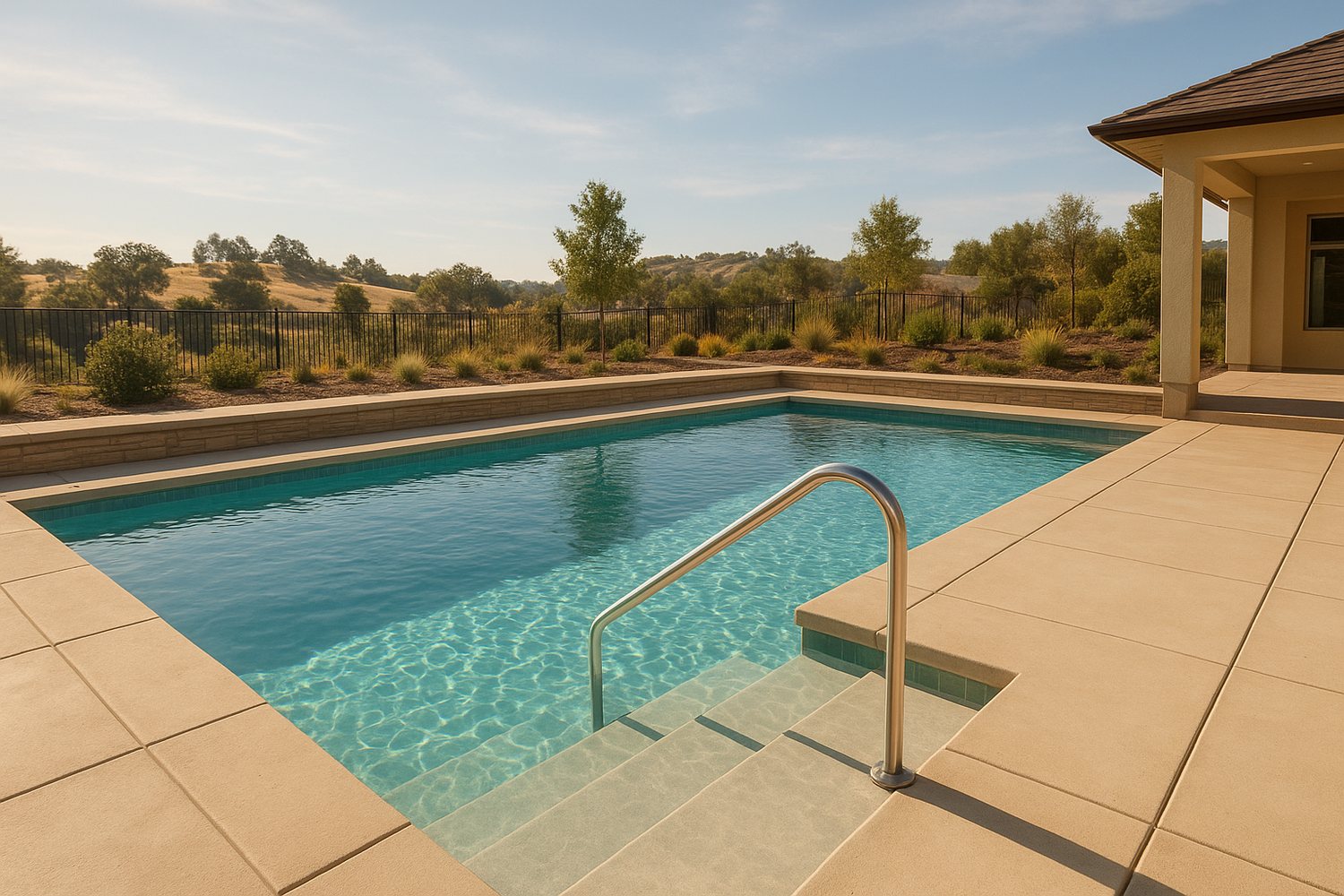
    Traditional pool steps and built-in benches have long been standard. Steps offer a straightforward way to enter and exit the pool safely. Typically positioned in a corner or along one side, benches act as submerged seating: perfect for short visits in the water or resting between swims.

    For homeowners focused on functionality and classic looks, steps and benches are often familiar and cost-effective. Their shapes are usually standardized, making them easy to include in most pool designs. Many prefer their low profile and simplicity.

    However, traditional steps and benches don’t offer the same dedicated lounging area as a Baja shelf. Their size limits how many people can comfortably gather or relax at once—something to consider if you enjoy hosting larger gatherings.

    Key features: – Safe, reliable entry/exit – Discrete, functional seating – Classic style matches many homes

    How Tanning Ledges Change Poolside Living

    A tanning ledge isn’t just a design flair—it’s a lifestyle addition. Instead of using your pool just for swimming, a Baja shelf invites you to spend more time relaxing at the water’s edge. Imagine reading, chatting, or simply unwinding with your feet in shallow, cool water.

    In our local climate—especially during hot summers in Rocklin, Granite Bay, or Folsom—the shallow area of a tanning ledge stays comfortable even in peak heat. It’s a smart feature for families, too: it creates a splash-safe area for kids or a calm water spot for pets.

    If you value flexibility, a tanning ledge creates a new hub for gatherings. Add loungers, low tables, or even umbrella sleeves for shaded comfort. The ledge’s versatility boosts your pool’s overall enjoyment, day or night.

    Why homeowners choose tanning ledges: – Resort-inspired relaxation – Flexible entertaining space – Year-round usability in this region

    FeatureTanning LedgeTraditional StepsBuilt-in Bench
    Primary UseLounging, sunbathingEntry/exitSeating/resting
    Typical SizeWide, shallow areaNarrow, tieredSingle wide or narrow seat
    SafetyGentle entry, child-friendlyFamiliar, safeSecure seating
    MaintenanceMore surface to skimSimple upkeepMinimal upkeep
    Design FlexibilityHighly customizableStandard formsSome customization

    Comparing Maintenance and Safety Factors

    When it comes to maintenance, both tanning ledges and traditional features are simple to care for, but there are a few distinctions. A tanning ledge—with its broader flat area—can collect more debris, so regular skimming and occasional brushing are recommended.

    On safety, tanning ledges can provide a gentle entry and exit, helping children, older adults, or anyone who prefers a gradual incline. The ledge’s shallow depth acts as a buffer before the drop into deeper water, which many families appreciate.

    Traditional steps are safely familiar and generally easier for all ages to use. Benches add secure, stationary seating. Whichever you choose, surface textures and clear markings matter. Locally, features like slip-resistant finishes are popular upgrades for both ledges and steps.

    Maintenance and safety considerations: – Tanning ledges require skimming and brushing – Gradual entry adds peace of mind – Slip-resistant surfaces enhance both choices

    Design Flexibility: Customizing Your Pool

    Both tanning ledges and traditional steps or benches offer design flexibility, but tanning ledges provide far more room for creativity. They can be curved, rectangular, wraparound, or built to accommodate water features and in-pool furniture.

    Traditional steps and benches are usually limited to standard forms, but they integrate smoothly into almost any pool shape. For a truly personalized pool, many local homeowners blend features, such as adding a bench along the deep end with a tanning ledge at the entrance.

    Your home’s style, backyard size, and how you plan to use your pool will all guide a custom approach. In Rocklin, Roseville, and surrounding areas, California Hardscapes works closely with homeowners to turn these practical choices into beautiful, functional spaces.

    Custom design talking points: – Baja shelves fit a range of pool shapes and themes – Combine ledges with steps or benches – Space for planters, fountains, or umbrellas

    For broader inspiration, browse our overview ofCustom Poolsoptions.

    Climate and Lifestyle: Regional Considerations

    The Mediterranean climate in Placer, Sacramento, and El Dorado counties means long swim seasons and plenty of sunny days. Tanning ledges become appealing, offering a cool retreat amid intense summer heat and space for not just lounging, but also supervised children’s play.

    Traditional steps and benches remain practical, especially if your main goal is quick, frequent dips. Pools designed mainly for lap swimming, or those where every inch of deep water is vital, may benefit from smaller entry features to preserve swim area.

    Local families and entertainers appreciate Baja shelves for their versatility. If you envision hosting neighbors or enjoying slow weekends, a tanning ledge gives your pool an upscale, vacation-like feel without leaving home.

    Lifestyle pointers: – Tanning ledges maximize use during hot months – Benches/steps suit exercise-focused pools – Both can be tailored for local needs

    Resale Value and Curb Appeal

    A thoughtful pool design can increase your home’s appeal to future buyers. In many local neighborhoods, a well-built tanning ledge is seen as a modern enhancement, while traditional steps and benches are sought for their comfortable familiarity.

    Ledges tend to catch the eye, often helping listings stand out with resort-like visuals. For families with young kids or multi-generational households, a Baja shelf’s safe and accessible zone can tip the scales in your favor.

    Of course, timeless, clean lines and user-friendly features—regardless of type—are always a plus. Whether ledge or steps, high-quality materials and craftsmanship matter most for long-term appeal.

    Key value notes: – Tanning ledges add contemporary flair – Steps/benches enhance broad market appeal – Pool craftsmanship and care are most important

    Making the Right Choice for Your Outdoor Vision

    There is no one-size-fits-all answer when it comes to upgrading your pool’s entry or lounge area. Consider how you plan to use your pool, your preferred look, and who will be enjoying it. Both tanning ledges and steps deliver comfort—just in different ways.

    Start by talking through your options with an expert who knows this region’s unique needs and design preferences. A good plan can combine the best aspects of both ledges and traditional features, matching your lifestyle and backyard space.

    With a thoughtful approach, your pool can become the centerpiece of outdoor living. Whether you lean modern or classic, your choice should reflect real-world comfort, practicality, and enjoyment for years ahead.

    Ready to discuss your ideas?Request a consultationwith our team today.

    Tanning ledges and Baja shelves: see the full guide to tanning ledges and baja shelves, or browse every custom pools option.
    Your project

    Planning a custom pools project?

    Call or text 916-741-0633, or email sales@californiahardscapes.com with your address, a short description and a few photos, and we will arrange a consultation.
  • Designing Baja Shelves: Bubblers, Steps, and Shade for Custom Pools

    Designing Baja Shelves: Bubblers, Steps, and Shade for Custom Pools

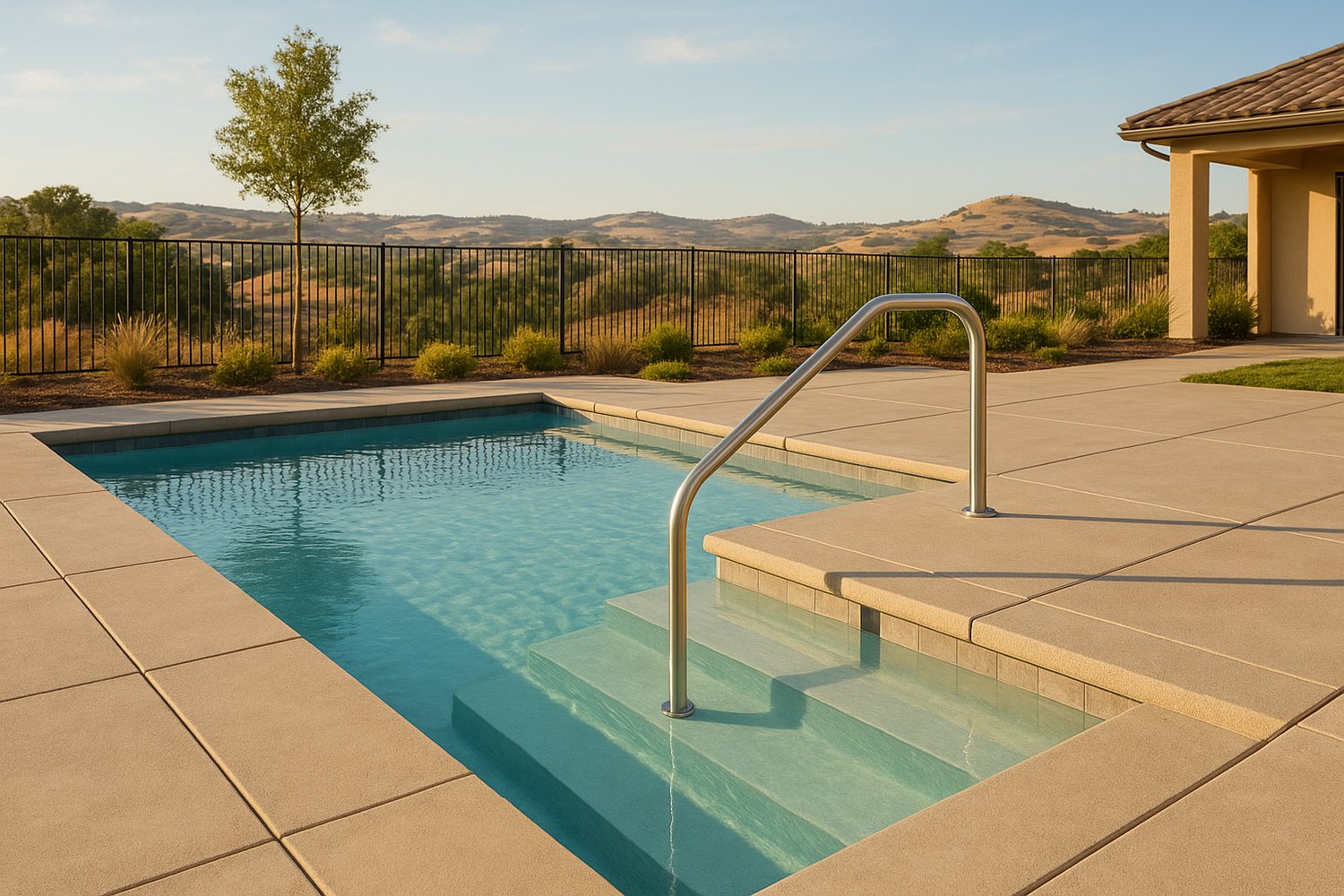
    Baja shelves and tanning ledges are changing the way homeowners around Rocklin experience their custom pools. Thoughtful design choices—like bubblers, practical entry steps, and smart shade solutions—make these shallow lounging spots even more functional and inviting.

    What Is a Baja Shelf or Tanning Ledge?

    A Baja shelf, sometimes called a tanning ledge, is a shallow platform—usually 6 to 18 inches deep—built into the shallow end of a pool. It’s perfect for lounging with your feet in the water, supervising kids, or just taking in the sunshine. In Northern California, where hot summers are the norm, having a place to cool off without full immersion is especially practical.

    Baja shelves blend seamlessly with almost any pool shape or style, whether you prefer a freeform retreat or a modern geometric design. The key is integrating the shelf’s size, shape, and elevation so it complements the main pool and the surrounding outdoor living spaces.

    For families, a tanning ledge also provides a convenient play area for younger children under supervision. Add movable loungers or shallow water toys, and you’ve got a versatile area that feels luxurious and welcoming.

    • Shallow depths for lounging or play • Customizable shapes and finishes • Works with most pool styles

    For more Baja shelf design inspiration and practical how-tos, visit ourTanning ledges and Baja shelvespage.

    Designing with Bubblers: Fun and Cooling Effects

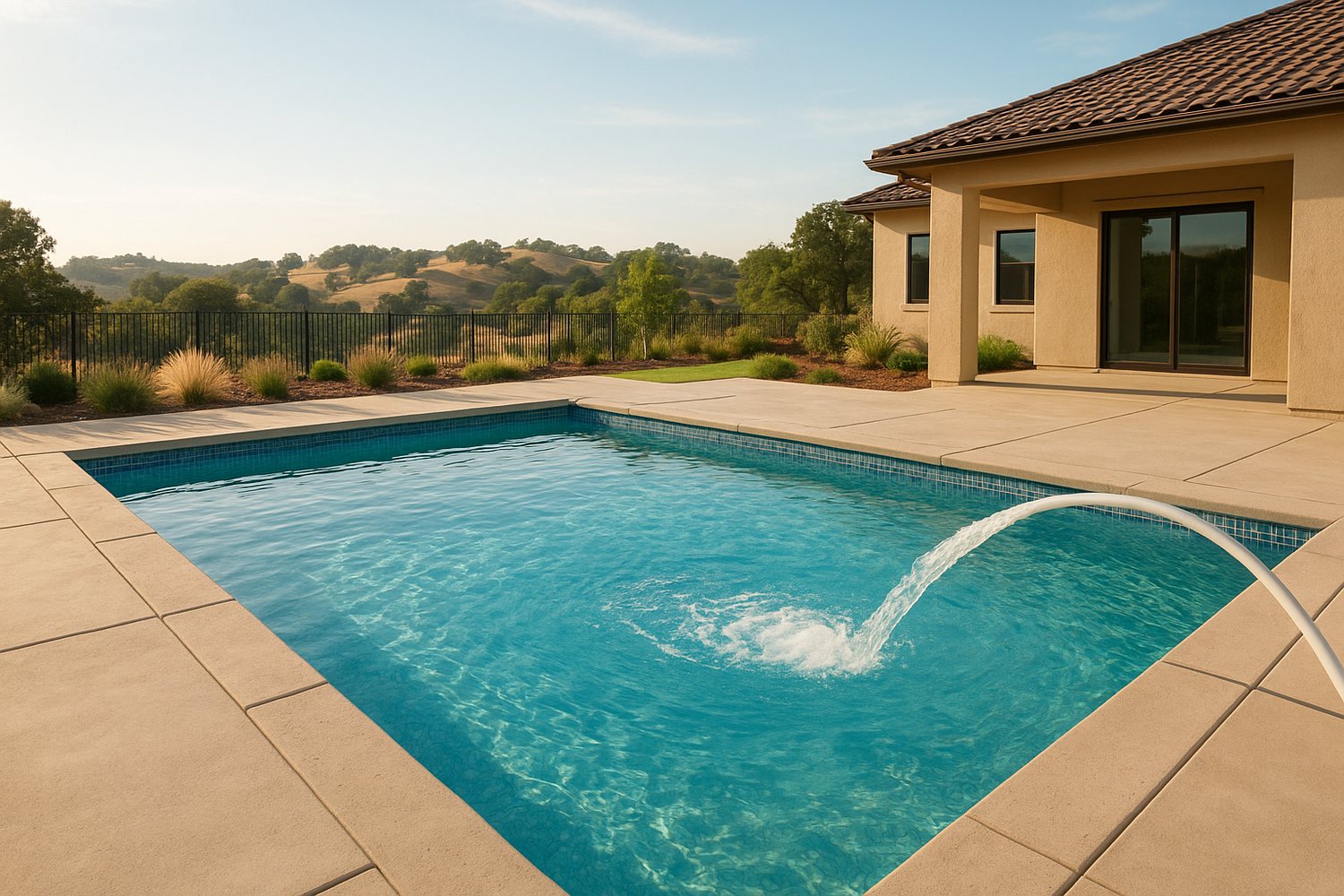
    Water features like bubblers create visual movement and soothing sounds, transforming a Baja shelf into a dynamic focal point. Bubblers send jets of water gently upward, perfect for kids to play in or adults to enjoy a cooling spray without strong currents.

    Placement matters—bubblers should be positioned away from steps or seating to avoid slippery surfaces and maximize usable shelf area. In our dry, hot local climate, bubblers also help keep the immediate air and water surface a touch cooler during peak heat.

    Simple, low-profile bubblers can be paired with LED lighting for a subtle effect at night. For those who want an understated look, designs can be chosen to blend closely with the shelf surface, minimizing distraction from the shelf’s primary purpose.

    • Cools water and nearby air • Soft sound masks street noise • Kid-friendly splash zone

    Steps and Entry: Making Your Shelf Accessible

    Entry design is more than aesthetics—steps integrated with your Baja shelf should be wide, slip-resistant, and intuitively located. Gentle, broad steps make the transition from tanning ledge into the main pool comfortable for all ages and abilities.

    Consider rounded step edges and non-slip surface treatments, especially with our local love for barefoot living outdoors. If accommodating toddlers or anyone with mobility limitations matters, handholds or well-marked steps may also be wise design choices.

    Proper placement of steps minimizes traffic bottlenecks and ensures easier movement between the shelf, pool, and patio. The best solutions balance smooth flow with safety, blending seamlessly into the surround of the pool and outdoor living area.

    • Slip-resistant textures • Wide treads for stable footing • Handholds if needed

    FeaturePermanent ShadeUmbrellaShade SailNo Shade
    Sun ProtectionExcellentGood (portable)Good (adjustable)None
    FlexibilityFixedRemovableAdjustableN/A
    Wind ResistanceHighModerateVariesN/A
    IntegrationSeamlessNeeds mountAnchoredN/A
    CostHigherModerateModerateLowest

    Shade Strategies: Staying Comfortable All Summer

    A prime Baja shelf is inviting—but in July or August direct sun can make it too hot to enjoy for long. Incorporating shade into your custom pool design transforms the shelf into a true all-day retreat.

    Permanent options include cantilevered patio roofs or pergolas extending partially over the ledge. For flexible shade, consider in-deck umbrella mounts or anchored shade sails, allowing you to tailor sun exposure throughout the day.

    Take local wind patterns and sun angles into account. We recommend discussing both permanent and temporary shade solutions during design, so they’re seamlessly integrated without cluttering the pool deck or impeding views.

    • Umbrella sleeves in the ledge • Partial pergolas or patio covers • Shade sails for flexible coverage

    Materials: Matching to the California Landscape

    Textures and materials should balance safety, durability, and style. In this region, the pool’s surrounds must stand up to intense summer heat and the occasional winter chill. Choices for Baja shelf surfaces include exposed aggregate, smooth troweled concrete, or imported pavers—each with different slip resistance and appearance.

    Color selection can reflect surrounding landscaping, echo your patio paving, or add a little contrast for a custom statement. Light tones stay cooler underfoot, especially important for bare feet on sunny afternoons in Placer, Sacramento, and El Dorado counties.

    Mixing materials is common: a slip-resistant finish on the shelf and steps, with accent tiles or mosaics for a resort feel. Thoughtful details increase comfort and visual appeal without overcomplicating maintenance.

    • Exposed aggregate for grip • Troweled or broom-finished concrete • Accent tiles or mosaics

    Explore other pool design features by starting from ourCustom Poolsoverview.

    Choosing Accessories: Loungers, Tables, and More

    The right accessories make a tanning ledge truly functional. In our market, furniture made to withstand year-round sun and pool water is essential. Look for in-water chaise lounges, small end tables, or removable drink holders that won’t tip or fade quickly.

    Built-in umbrella mounts allow flexibility throughout the year—add a sunshade for all-day lounging, or remove it during cooler weather. For maximum versatility, movable accessories should be lightweight enough to reposition but stable when in use.

    Choose pieces in neutral or natural tones to complement your backyard style, whether you lean rustic or modern. Accessories should enhance, not overwhelm, the shelf’s clean lines and relaxing ambiance.

    • In-water loungers • Removable tables or cup holders • In-shelf umbrella mounts

    Planning for Local Conditions: Practical Considerations

    Northern California brings hot, dry summers and chilly, sometimes wet winters. When planning a Baja shelf, consider how seasonal weather affects material choices, water circulation, and ongoing maintenance.

    Water features like bubblers require proper plumbing for reliability and ease of service. Durable, slip-resistant surfaces are critical, both for the safety of your household and to ensure a long-lasting finish in our rolling summer heat.

    Ask your designer or builder about how seasonal leaf drop or wind will affect shade fabrics, furniture, and maintenance. Practical decisions in the design phase mean less hassle and more enjoyment once your new pool area is complete.

    • Consider local microclimates • Plan water features for easy care • Choose low-maintenance, durable finishes

    Working with Experts: The California Hardscapes Difference

    Drawing on decades in concrete, landscaping, and outdoor construction, Marty and the team at California Hardscapes approach each Baja shelf project with hands-on expertise and regional know-how.

    Whether it’s selecting a slip-resistant finish, designing seamless steps, or specifying a bubbler system that stands up to local water conditions, their practical advice is grounded in real-world experience and the demands of our unique Northern California climate.

    Discussing your needs with knowledgeable professionals ensures every decision—layout, materials, features—adds value and comfort to your pool area for years to come, with an eye on durability and everyday enjoyment.

    • Experience with pool and landscape design • Custom outdoor living solutions • Understanding of local climate needs

    Ready to discuss your ideas?Request a design consultationwith the California Hardscapes team.

    Tanning ledges and Baja shelves: see the full guide to tanning ledges and baja shelves, or browse every custom pools option.
    Your project

    Planning a custom pools project?

    Call or text 916-741-0633, or email sales@californiahardscapes.com with your address, a short description and a few photos, and we will arrange a consultation.
  • How to Size Tanning Ledges for Chairs, Umbrellas, and Kids

    How to Size Tanning Ledges for Chairs, Umbrellas, and Kids

    A well-designed tanning ledge or Baja shelf becomes a favorite feature in any luxury pool. But getting the size right isn’t just a matter of aesthetics—it’s about how your family and guests will use it.

    Understanding Tanning Ledges and Baja Shelves

    Tanning ledges, also known as Baja shelves, are shallow, flat areas in your pool’s shallow end. These spaces invite lounging, sunbathing, and safe water play. In our region’s hot summers, having a cool spot just deep enough to stay comfortable makes a big difference.

    Typically, tanning ledges are 6–18 inches deep. The depth you choose depends on what feels best underfoot, as well as how you envision using the space. These ledges aren’t just for looks—they offer usable, practical value for families, entertainers, and anyone who enjoys relaxed poolside living.

    Here in Rocklin, Roseville, Granite Bay, Folsom, Auburn, and nearby areas, tanning ledges are one of the most-requested features for new or renovated pools. Thinking about how you will use the ledge helps ensure your pool supports your lifestyle.

    Looking for more info on local options? Read ourTanning ledges and Baja shelvespage.

    Measuring for Loungers and Chairs

    To comfortably fit pool loungers or upright chairs, size is critical. Standard in-pool loungers need about 27–30 inches in width each, plus space between and around for easy access. Consider the spacing for side tables if you want a spot for drinks or books.

    A ledge width of at least 7 to 9 feet accommodates two loungers with elbow room. Remember to factor in where stairs, entry points, or jets might take up some of that space. Adequate ledge size lets adults relax without crowding one another or the pool steps.

    Material selection matters too. Smooth, slip-resistant surfaces improve comfort while ensuring durability through hot, sunny days. Don’t overlook color—lighter surfaces stay cooler under the Sacramento Valley sun.

    • Standard in-pool lounger width: 27–30 inches each
    • Provide 6–12 inches between chairs for movement
    • Allow 12–18 inches extra for umbrellas or tables

    Incorporating Umbrellas for Shade

    If you plan to add built-in umbrella sleeves, plan placement along the ledge carefully. Umbrellas typically need 1.5–2 feet for safe insertion and stability. Think about both sun exposure and walkways—umbrellas should be easy to reach but never block pool entry.

    You may want one umbrella centered or two at either end for wider ledges. This creates options for solo relaxation or group lounging. Deeper sleeves are safer and more stable for local windy conditions, especially in the open backyards common in Folsom and Auburn.

    Consider umbrella diameter too. A 7–9 foot canopy provides a generous shade footprint but also needs room to open and close. Measure for both the umbrella and its operating space within your ledge plan.

    • Install umbrella sleeves 18–24 inches from ledge edge
    • Choose corrosion-resistant hardware for longevity
    • Review HOA or neighborhood guidelines before adding large umbrellas
    FeatureRecommended MinimumFor Two LoungersKids’ Play AreaUmbrella Placement
    Depth6–12 inches12–18 inches6–12 inchesN/A
    Width4–5 feet7–9 feet6–8 feetAllow 18–24 in. from edge
    Space Between Features6 inches6–12 inches between chairsExtra open area1.5–2 feet for umbrella
    FinishSlip-resistantLight color recommendedTextured for safetyDurable, color stable
    AccessoriesN/ASide table, umbrella sleeveBubble jets optionalCorrosion-resistant sleeve

    Kids and Shallow Water Play

    Tanning ledges are a safe, fun place for small children to splash and play. For infants and toddlers, a depth of 6–12 inches is typical—deep enough for play, but shallow enough for safety and easy supervision. Older kids may enjoy 12–16 inches for a bit more immersion.

    Width is equally important when planning for families. To host multiple children or playdates, consider a ledge at least 6–8 feet wide, so everyone has room. If you expect to add small play features, such as a bubbler or fountain, designate space for these upfront.

    Traction is a must in play-friendly tanning ledges. Ask your pool builder about textured finishes that stand up to splashing while protecting tender feet on hot days.

    • Safe depth for toddlers: 6–12 inches
    • Good width for kids’ play: minimum 6–8 feet
    • Consider integrated water features for interactive fun

    Choosing the Right Shape

    Shape isn’t just about style—it impacts safety, traffic flow, and how much usable space you’ll have for furniture or play. Rectangular tanning ledges make arranging chairs and umbrellas simpler. Curved or freeform designs offer a softer look but may create tight spots or wasted corners.

    For homes with limited yard space or an irregular pool area, custom shapes can maximize every inch. Talk with your builder about fitting the ledge to your yard’s unique contours while keeping practical dimensions for comfort and safety.

    Don’t forget to leave space for pool steps or access rails. A well-thought-out shape means everyone can reach the water easily without tripping over furniture or bumping into umbrellas.

    For inspiration across all backyard pool upgrades, see ourCustom Poolsoverview.

    Integrating with the Rest of Your Pool

    A tanning ledge shouldn’t feel like an afterthought. Blending materials, finishes, and colors helps create a seamless transition from water to patio. Choose surfaces that complement your pool coping and surrounding deck for a premium, unified look.

    Think about how you move between zones—plan direct routes from the shallow ledge to the main pool, spa, or lounging area. Multi-level designs can add a touch of luxury and keep spaces distinct, particularly in larger backyards in Granite Bay or El Dorado Hills.

    If you have a retaining wall or elevation changes, discuss ways to integrate steps or benches with your pool builder. These custom touches enhance accessibility and visual appeal, tying your entire outdoor living area together.

    Working with Regional Conditions

    Our Northern California climate brings long, hot summers and the occasional windy afternoon. Choose materials that are heat-resistant, color stable, and won’t become slippery when the ledge is wet. Lighter colors help keep surfaces cooler underfoot.

    Consider sun angles throughout the day when planning umbrella placement and ledge orientation. Afternoon shade can be crucial in Folsom, Rocklin, or Roseville, so walk your yard and note high-heat spots.

    Local soils, water chemistry, and even HOA preferences can affect your decisions. Partner with a local contractor who understands how these factors impact long-term durability and use in Placer, Sacramento, and El Dorado communities.

    • Heat-resistant surfaces are best for comfort
    • Plan for wind and sun when adding umbrellas
    • Check for local material restrictions if any

    Practical Planning: Tips for Your Project

    Sketch your intended ledge and place cutouts representing loungers, umbrellas, and steps. This exercise reveals practical spacing issues early, especially if you’re working with a smaller yard or unusual pool shape.

    Early conversations with your builder help you factor in all dimensions and features from the start. Don’t overlook utilities or access for cleaning equipment during planning. Ask specific questions about drainage, as well-managed water protects finishes and landscaping.

    Bring your priorities to the table—shade, seating, play areas—so your ledge is truly functional for your needs. Adjust dimensions as your design evolves, and take your time reviewing plans before construction begins.

    Ready to discuss your dream pool?Request a consultationwith California Hardscapes.

    Tanning ledges and Baja shelves: see the full guide to tanning ledges and baja shelves, or browse every custom pools option.
    Your project

    Planning a custom pools project?

    Call or text 916-741-0633, or email sales@californiahardscapes.com with your address, a short description and a few photos, and we will arrange a consultation.
  • How Pool Finish and Tile Colors Transform Water Design

    How Pool Finish and Tile Colors Transform Water Design

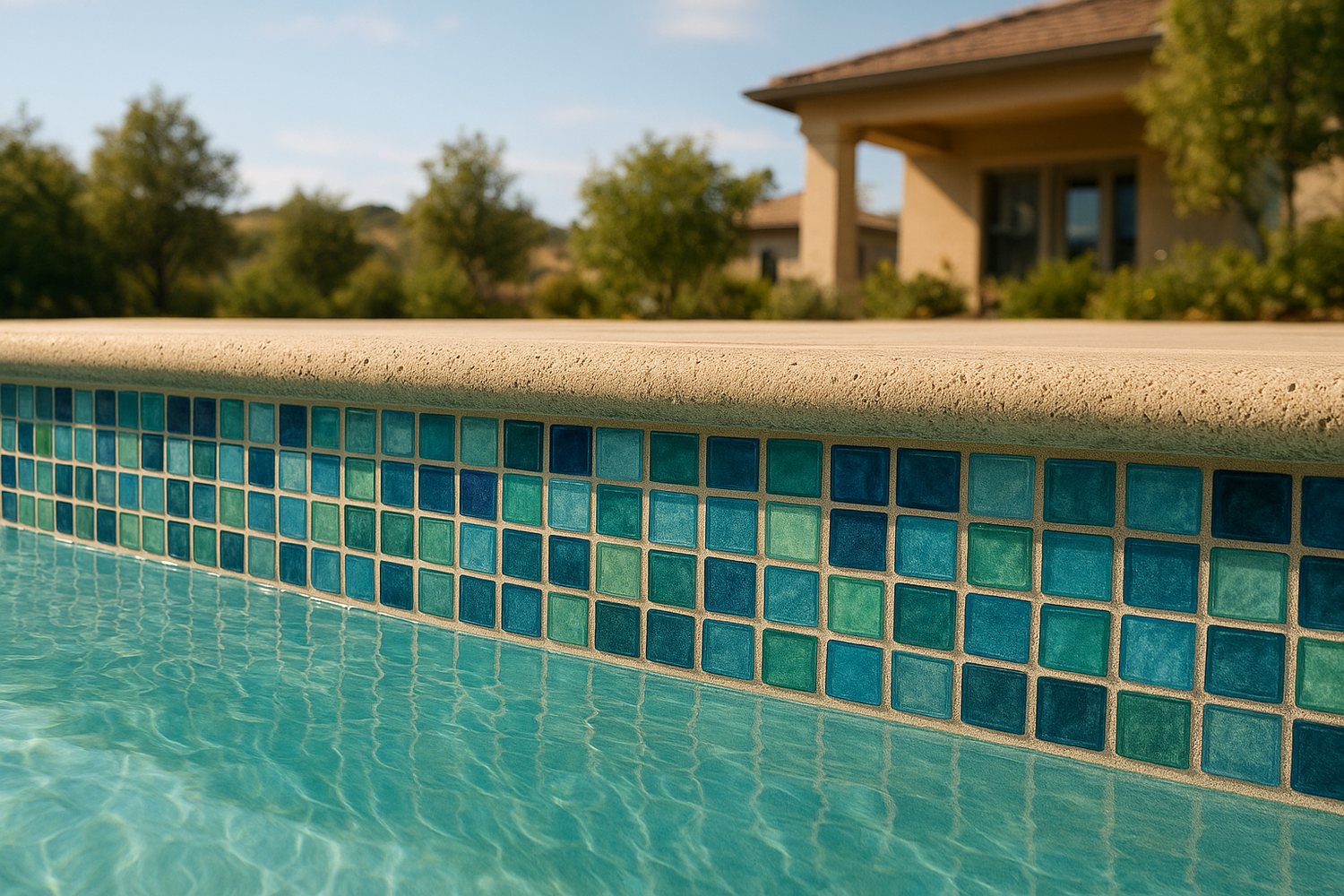
    The finish and tile you choose for your custom pool do more than protect surfaces – they define the water’s appearance. Knowing how color, depth, and material interact helps you achieve the perfect look for your California backyard.

    Why Pool Finish and Tile Matter for Water Color

    The surface color beneath pool water determines much of your pool’s overall vibe. Pool interior finishes—plaster, aggregate, or tile—set the background, while accent tiles at the waterline and steps add style. Homeowners in Rocklin, Roseville, and nearby communities often notice that even subtle color changes can shift the entire look and mood of the pool.

    Pool water itself is naturally clear; what you actually see is the color reflected off the interior surface, altered by the sunlight and shadows cast across it. A white or light gray finish creates that classic light-blue, Caribbean effect. Deeper blues or darker greys make the water look like a mountain lake or a cool, modern retreat.

    Tile brings another design layer: it frames the water surface, introduces patterns, and highlights steps or benches for both safety and visual impact. The right combination plays with the subtle changes in daylight and works with surrounding hardscape and landscaping for a cohesive outdoor space.

    Explore more finish and tile advice on ourPool interior finishes and tilepage.

    When to Go Light (or Bright): Classic Blue Water

    For a traditional, sparkling pool, many local homeowners still gravitate toward light finish colors. White plaster or pale quartz blends with sunlight to produce that familiar bright blue water—especially in the full daylight you get in Placer and Sacramento County summers. This option pairs well with lighter decking and creates a timeless backyard centerpiece.

    If you prefer a more modern but still bright look, try pale grey or soft blue aggregates. Even a subtle shift in undertone can make your pool water appear more sky blue or even turquoise. Accent tiles in ocean blue or cobalt highlight the waterline without competing for attention.

    Light finishes also help keep pool surfaces cooler underfoot, an important comfort consideration during hot spells. Just be aware that lighter shades tend to highlight debris and minor staining more than darker finishes.

    • Light colors equal lighter, brighter water
    • Works well with sun-drenched yards
    • Makes smaller pools feel larger

    Deep, Dramatic Waters: The Impact of Darker Finishes

    Dark blues, charcoals, and even black are popular for creating a deeper, more tranquil water color—think Northern California lakes or contemporary resorts. In shaded or tree-lined areas of Rocklin, Granite Bay, and Folsom, these tones can give the pool a bold, mirror-like presence.

    Darker finishes absorb more sunlight, which can help slightly raise water temperature during cool evenings. They also tend to conceal leaves and debris, giving you a more forgiving surface between cleanings.

    Tile selection with dark interiors offers a chance to make metallic, glass, or mosaic tiles pop against the richness of the water. Contrasting tile edges on steps and benches not only add artistry but also improve visibility and safety for swimmers.

    • Darker interiors = deep blue or emerald water
    • Disguises debris; less frequent touch-ups
    • Adds a modern, luxurious feel
    Finish TypeWater Color EffectDurabilityMaintenanceNotes
    Standard PlasterBright blue, light waterModerateFrequentBudget-friendly, smooth, can stain
    Quartz/Color AggregateRicher blues, sparklesHighAverageHides stains, customizable, slight texture
    Pebble AggregateNatural, vibrant, deep waterVery highLowPopular in region, slip-resistant
    All-TileCustom, intense blue or greenHighestLowestLuxury look, easy to clean, highest cost
    Dark Plaster/AggregateDeep blue or emerald waterHighAverageWarms water, hides debris

    Waterline and Accent Tile: Design Beyond Function

    While interior finish controls the background color, waterline and accent tile define the pool’s style. Local choices often reflect the region’s natural stone and subtle earth tones, or crisp modern glass and mixed mosaics for dramatic contrast. These tiles create a break between pool and coping, drawing the eye without overwhelming the surrounding space.

    Waterline tiles can cool a bright finish with subtle grays, play off golden sunlight with tan travertines, or add a shock of blue to echo the Sierra foothills skyline. Step and bench tiles offer both style and practical visibility, especially in pools with variable depth or kids playing.

    When choosing tile, consider slip-resistance and texture—these matter for safety with bare or wet feet. And remember, smaller mosaic formats create a more intricate look but may require more grout maintenance in our summer climate.

    • Tile color frames the water’s tone
    • Textured tiles improve traction
    • Earthy tones feel natural in California landscapes

    Common Finish Materials: Pros and Cons

    Choosing among the three main pool interior finishes—basic plaster, pebble/aggregate, or all-tile—depends on both design goals and practical needs. Standard plaster is most cost-effective, delivering a smooth feel and that classic blue water effect. Upgraded aggregate blends, using colored quartz or pebbles, create richer color and texture.

    Aggregate finishes are popular in Sacramento and El Dorado Counties for their durability, range of shades, and slip-resistance. All-tile interiors represent the pinnacle of custom pools: visually stunning and long-lasting, but require a bigger investment and specialized craftsmanship.

    Consulting with a local pool builder helps match your expectations and maintenance preferences to the right surface. Your finish choice will shape the look, warmth, and upkeep of your pool for years to come.

    • Plaster: classic look, smooth feel
    • Aggregate: customizable colors, textured, hides flaws
    • Tile: highest luxury, endless design options

    Looking for design inspiration? See all possibilities on theCustom Poolsoverview hub.

    Regional Factors: What Works Best in Our Area

    Placer and Sacramento County homes experience a unique set of climate challenges—long, hot summers, cool nights, and occasional winter freezes. Material selection for finish and tile needs to account for local water chemistry, sun exposure, and day-night temperature swings.

    Darker finishes fit well in shaded foothill yards and extend swimming comfort into early evening. Light finishes are better in all-day-sun yards, reflecting heat and helping keep both surface and water temp in check. Mosaic and porcelain tiles resist fading and efflorescence when selected for specific local pool chemistry and freeze-thaw conditions.

    Work with a builder who understands the subtleties of water hardness, well water, and local maintenance demands. Selection isn’t just about the look—it’s about having your pool material hold up and look its best season after season.

    • Ask about how finishes handle our hot, sunny summers
    • Check tile frost resistance for landscaped or unheated pools
    • Consider maintenance based on local water chemistry

    Pairing Decking, Coping, and Pool Surface for Cohesion

    A beautiful pool should never feel disconnected from your outdoor living space. In Rocklin, Roseville, and neighboring communities, matching—or thoughtfully contrasting—pool surface, tile, and hardscape creates harmony and flow. Gray and blue tones tie pools to modern concrete patios; sandy or stone finishes blend with flagstone, pavers, or decomposed granite.

    Coping (the border or edge) also plays a major visual role. A pale or natural-tone coping can help soften a bold pool interior, while dark coping sharpens the modern edges of dramatic water features. Mosaic and glass tiles complement both classic and contemporary deck materials.

    Plan to coordinate your pool’s finish and tile with plants, retaining walls, fire features, and lighting. The right mix turns your backyard into a true outdoor living environment, not just a place to swim.

    • Create flow between pool finish, tile, and patio
    • Use coping to highlight or balance finish colors
    • Consider nearby landscaping elements for a seamless look

    Get Hands-On with Samples and Expert Advice

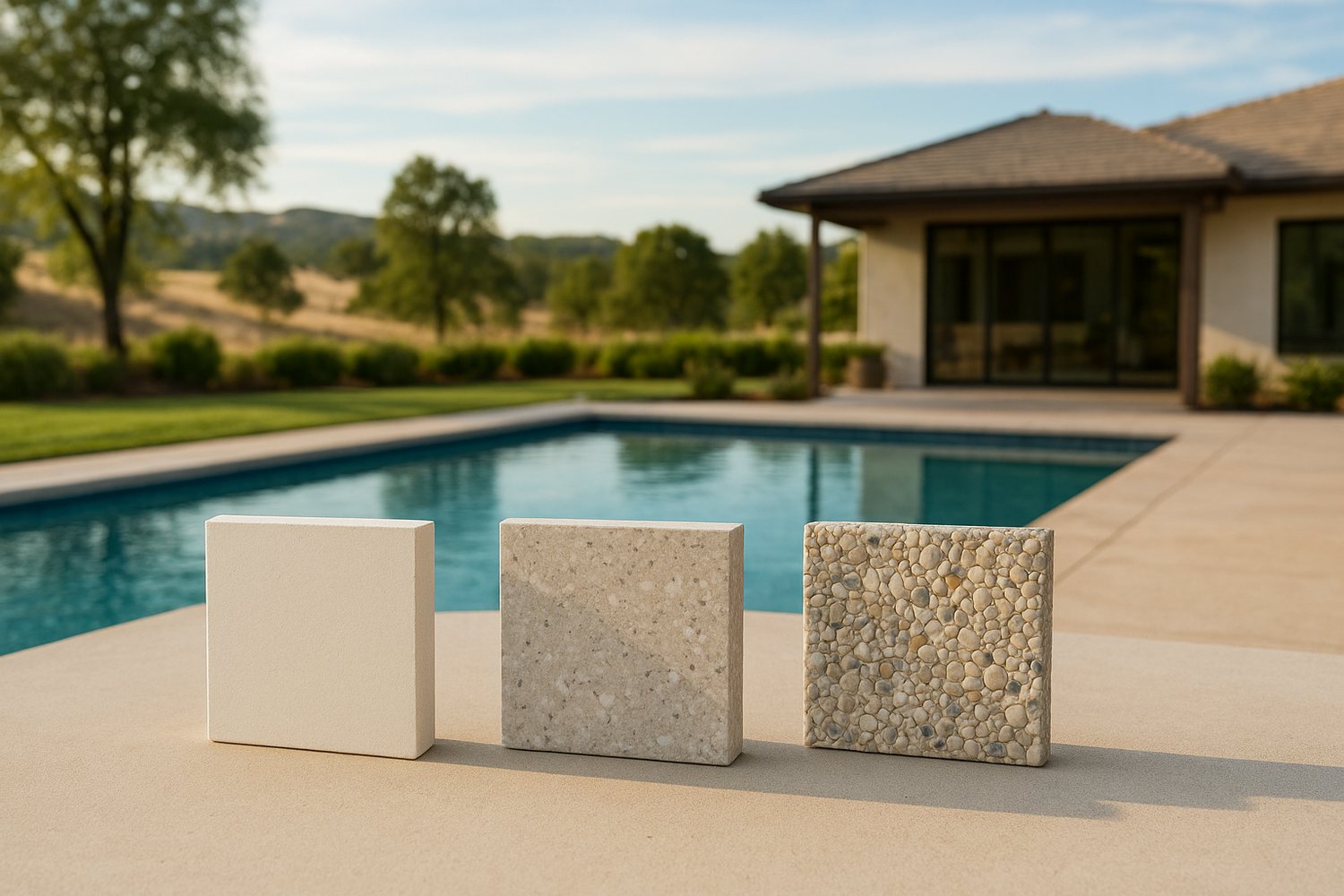
    Because finish and tile color are so affected by lighting and depth, it’s always wise to review samples outside at your home. Sunlight, shade, and reflected colors from your landscaping all influence how a color appears in your setting versus in a showroom.

    Gathering a few sample tiles, interior finish swatches, and seeing them next to your planned hardscape materials helps make the final choice far easier. A custom pool builder familiar with Placer, Sacramento, and El Dorado County neighborhoods can explain which finishes hold up best and how they look season-to-season.

    Don’t hesitate to ask about previous choices in your microclimate or get feedback from nearby homeowners. The right advice—and time spent viewing real-color samples under your yard’s sun and shadows—saves regrets and ensures a pool you’ll love for years.

    • View samples outdoors at your site
    • Ask for real-world finish comparisons
    • Rely on local expertise for durability and beauty

    Not sure where to start?Request a consultationand talk through options with Marty.

    Pool interior finishes and tile: see the full guide to pool interior finishes and tile, or browse every custom pools option.
    Your project

    Planning a custom pools project?

    Call or text 916-741-0633, or email sales@californiahardscapes.com with your address, a short description and a few photos, and we will arrange a consultation.
  • Pool Waterline Tile Choices and Hard Water: What Local Homeowners Should Know

    Pool Waterline Tile Choices and Hard Water: What Local Homeowners Should Know

    Waterline tile sets the tone for your custom pool’s style and longevity. With hard water common across Placer and Sacramento counties, making the right material choice is key.

    Why Pool Waterline Tile Matters

    The waterline tile on your custom pool creates a defining visual border, but its role goes beyond looks. It’s the front line against mineral deposits, scum, and sun exposure. Because this tile sits where water meets air, it faces the harshest conditions in your pool environment.

    When you live in Rocklin, Roseville, or Granite Bay, hard water is a recurring concern. Minerals from the water will leave deposits most visible right at the waterline. The right tile choice here can mean less time scrubbing and a cleaner appearance over time.

    For homeowners aiming for long-term value, selecting a durable, easy-clean tile is key. This is a practical area of investment that truly pays off. Understanding your options lets you build a pool that stays sharp and inviting, season after season.

    Key points to consider:

    To explore more about finishes, visit ourPool interior finishes and tilepage.

    Regional Hard Water: What It Means For Your Pool

    Hard water is a fact of life from Folsom to Auburn. This means elevated calcium and magnesium levels in municipal and well water, depositing white, chalky lines on pool interiors. These mineral deposits most often cling to the waterline tile—potentially dulling bright colors and requiring regular attention.

    The issue is not limited to water spots. Hard water can also increase upkeep needs for grout and adhesives, gradually affecting tile longevity. Over years, these deposits may degrade surfaces if not properly managed.

    Knowing this before you build allows you to choose finishes and maintenance practices tailored to our region’s unique water chemistry. The right waterline tile and cleaning strategy will make living with hard water much more manageable for your pool’s entire lifespan.

    Types of Waterline Tile: Pros and Cons

    Pool waterline tiles come in three main types: porcelain, glass, and natural stone. Each offers distinct strengths and appearance options. Picking the right one depends on your priorities for style, ease of care, and durability in the face of local hard water.

    Porcelain is a practical favorite, highly resistant to staining and buildup, and simple to clean, even with persistent mineral deposits. Glass tile offers unmatched color and shine, though extra care is needed to prevent etching from scale buildup. Natural stone looks beautiful but is porous and requires sealing—a greater commitment in hard water areas.

    It’s worth weighing the maintenance factor alongside appearance and cost. Some tiles look stunning for the first few years, but can require frequent scrubbing or professional cleaning to retain that appeal under Rocklin-area conditions.

    • Porcelain: affordable, tough, low-maintenance
    • Glass: vivid colors, needs careful cleaning
    • Natural stone: classic beauty, regular sealing required
    Tile TypeHard Water ResistanceMaintenance LevelVisual AppealLongevity
    PorcelainExcellentLowVersatile, classicHigh
    GlassGood (needs care)MediumVivid, modernHigh with care
    Natural StoneFairHighTimeless, texturedMedium

    How Hard Water Impacts Different Tiles

    Hard water deposits are most obvious on deep blue or dark tiles, though any tile color can be affected over time. Porcelain stands up best overall, needing only gentle brushing or the occasional cleaning agent to stay bright.

    Glass tile resists most chemical staining but can lose its shine if calcium scale is allowed to build up for long. Natural stone’s porous surface makes it the least forgiving—mineral deposits can seep in, requiring extra steps to remove and routinely reseal.

    Whichever direction you lean, understanding this upfront saves labor and money over your pool’s lifetime. Picking a tile based on regional water realities helps ensure your investment keeps its good looks longer.

    • Light-colored tiles hide scale better
    • Porcelain = easiest for DIY cleaning
    • Stone = highest maintenance

    Selecting Grout and Setting Materials

    While tile gets the spotlight, grout and adhesives play an equal role in the waterline zone. Standard cementitious grout can stain or degrade quickly in hard water, so consider upgraded materials built for resistance.

    Epoxy grouts offer more protection from water intrusion and hold up exceptionally well against minerals and chemicals. They’re an upfront investment but are common in top-tier custom pools for a reason.

    Don’t overlook application—professional installation with the right setting materials is the best insurance for long-term appearance. Talk with experienced pool builders who know our area’s water challenges.

    • Epoxy grout: most resistant option
    • Polymer-modified grouts: good balance of price and performance
    • Correct installation technique is essential

    For a big-picture look at all pool upgrades, check out ourCustom Poolsoverview.

    Managing Scale and Buildup: Local Techniques

    Despite the best materials, even the toughest tile can show white lines over time in Placer County. Routine brushing with a nylon pool brush prevents most buildup; for tough spots, a gentle calcium scale remover is effective and safe for most tiles.

    Stay away from harsh acids or abrasive scrubbers, especially with glass or natural stone. Many homeowners find that keeping pH and calcium balanced reduces scale before it even starts. Ask your pool professional for the best schedule and products for your tile type.

    Consider an annual deep clean—including tile bead blasting or professional surface renewal—if you want to keep a pristine look without the elbow grease. This helps extend the life of both tile and grout, saving costs in the long term.

    • Brush weekly to prevent buildup
    • Balance pool water chemistry
    • Opt for gentle, tile-safe cleaning agents

    Design Choices and Trends for Custom Pools

    While maintenance is crucial, the best part of building a custom pool is making it truly yours. Waterline tiles now come in a staggering variety of colors, sizes, and mosaics—offering options that complement every style from contemporary to Mediterranean.

    Glass mosaics and large-format porcelain tiles are popular for their modern, high-end look. Mixed patterns and subtle metallic finishes are also gaining traction, providing a visual interest that stands out without overwhelming the pool’s design.

    In our region, a practical approach combines aesthetics with ease of upkeep. Light-to-medium colors, often with subtle texture or iridescence, tend to hide mineral deposits best while still delivering on style.

    • Mosaic glass: high visual impact
    • Porcelain: broad color offering
    • Choose blends that suit both taste and maintenance plans

    Making the Best Choice for Your Pool

    For homeowners in Roseville, Folsom, or El Dorado County, choosing waterline tile is more than picking a color you love. It’s about weighing long-term upkeep and costs in a hard water environment. A professional builder who knows the local water chemistry can help match the right material to your needs.

    Porcelain remains a practical, durable pick, while modern glass tiles deliver show-stopping style—just plan on diligent maintenance in both cases. Grout and adhesive choice are just as important for lasting results, especially with frequent water contact.

    If you’re ready to upgrade an existing pool or design a new one, start by reviewing what’s available and how it relates to our area’s unique water conditions. Your choice now will impact maintenance routines for years to come.

    • Prioritize durability in hard water areas
    • Consult pros with regional experience
    • Think about care as much as color

    If you’d like tailored advice,request a consultationwith California Hardscapes.

    Pool interior finishes and tile: see the full guide to pool interior finishes and tile, or browse every custom pools option.
    Your project

    Planning a custom pools project?

    Call or text 916-741-0633, or email sales@californiahardscapes.com with your address, a short description and a few photos, and we will arrange a consultation.
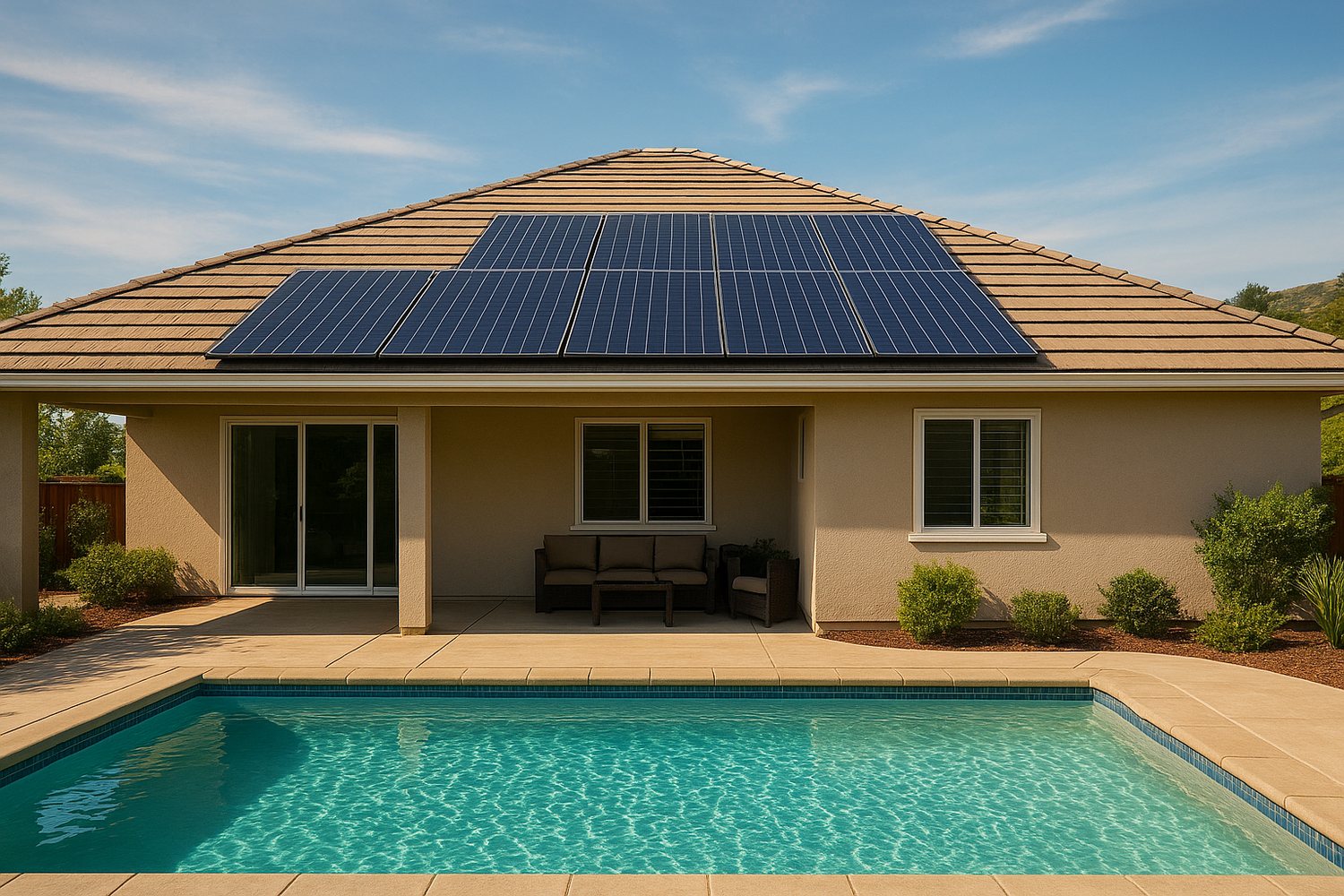
  • Plaster, Quartz, or Pebble? Comparing Pool Interior Finishes

    Plaster, Quartz, or Pebble? Comparing Pool Interior Finishes

    Every pool finish offers a blend of beauty and function. Here’s a region-specific, clear-eyed look at plaster, quartz, and pebble finishes for your custom pool.

    Understanding the Importance of Pool Interior Finishes

    The finish inside your pool isn’t just about looks—it’s what you see and touch every time you swim. In the Sacramento, Placer, and El Dorado County climate, your interior finish faces long, hot summers, cool winters, and plenty of use through the outdoor living season. It’s important to choose a finish that will feel great underfoot, stand up to our region’s sun and water chemistry, and let the rest of your backyard features shine.

    Your pool’s finish also sets the tone for your yard. Whether you’re drawn to a classic, bright look or something more textured and contemporary, the material you choose—plaster, quartz, or pebble—can influence your pool’s ambiance and the water’s color. If you’re working with other hardscape surfaces, your pool’s interior finish is a big part of your overall design.

    Beyond visuals, think about longevity and care. Regional pool owners deal with hard water and temperature swings, which can impact surfaces over time. Choosing the right finish upfront can help minimize repairs, manage water chemistry, and simplify long-term maintenance for years of enjoyment.

    • Finish impacts both style and comfort

    For more details on specific products and surface options, visit ourPool interior finishes and tilepage.

    Classic Option: Standard Plaster Pool Finishes

    Basic white or colored pool plaster is the traditional choice for custom pools throughout Rocklin, Roseville, and nearby areas. Plaster is smooth to the touch and creates a clean, timeless look—perfect if you want a classic blue pool or want the most cost-effective finish at installation. It’s a blend of white cement, sand, and water, troweled to a smooth finish.

    Plaster’s strength lies in its simplicity and affordability. Maintenance is straightforward, and light brushing usually keeps plaster looking fresh. However, its porous nature means it is more prone to staining, discoloration, or etching from unbalanced water chemistry or mineral-heavy local water. Owners should expect to refinish every 7–10 years depending on care.

    If you lean classic and don’t mind a future refinish, plaster is still a viable choice for Sacramento-area pools. Just keep in mind that it’s less forgiving of chronic hard water or chemical fluctuations compared to newer finish technologies.

    • Smooth, comfortable texture

    Upgrade Choice: Quartz Pool Finishes

    Quartz pool finishes combine crushed quartz with strong cement and pigments, resulting in a surface that’s harder and denser than plain plaster. This option offers increased resistance to chemical imbalances and local mineral content, which can be especially helpful in our region’s water conditions. Quartz finishes often include colored aggregate for extra sparkle and color options.

    Many homeowners in Granite Bay and Folsom choose quartz for its blend of durability and vibrant appearance. The quartz crystals help the finish resist stains, fading, and etching, offering a longer functional life than plaster. Texture-wise, it’s nearly as smooth as plaster but with a subtle, pleasant texture underfoot.

    Quartz can be a logical step up if you want a finish lasting a decade or more with proper care. You’ll get a touch of shimmer, more color depth, and practical benefits without a dramatic jump in price or maintenance needs.

    • Resistant to stains and fading

    FinishTextureLifespanMaintenanceVisual Options
    PlasterSmooth7–10 yearsHighClassic, subtle color
    QuartzSmooth with sparkle10–15 yearsModerateBright color, light shimmer
    PebbleTextured15+ yearsLow-mediumNatural, dynamic color

    Premium Experience: Pebble Pool Finishes

    Pebble finishes are made by blending smooth river pebbles or glass beads with a strong cement base, then exposing those pebbles for a textured effect. This finish tops the list for durability and natural beauty. It’s popular in Auburn, Granite Bay, and upscale Roseville homes for its luxurious look and ability to harmonize with stone patios or natural landscapes.

    The big advantages of pebble are its exceptional longevity and resistance to stains, discoloration, and hard water effects. The pebbles shield the cement, so the pool surface stands up better to heat, heavy use, and chemical swings. Texturally, pebble is slightly rougher underfoot than plaster or quartz, though smaller pebble sizes and glass bead finishes can feel quite smooth.

    While pebble finishes cost more upfront, their robust performance and stunning visual potential make them a favorite for luxury custom pools in our area. They can easily last 15+ years with proper care and maintenance.

    • Natural, high-end look

    Visual Appeal: Color, Sparkle, and Water Tone

    One of the biggest deciding factors between plaster, quartz, and pebble finishes is how they look in your yard’s light. Standard plaster produces a bright, uniform water color—typically sky blue for white plaster or deeper hues for colored options. If you want a truly classic pool look, plaster is still the benchmark.

    Quartz finishes expand your options with more vivid colors and a touch of shimmer. They reflect sunlight differently, lending your pool a slight sparkle. This can highlight your pool in Rocklin’s sunny summers and complement modern or transitional homes.

    Pebble finishes are the most visually dynamic, with their depth, natural tones, and ability to set a lagoon-inspired or upscale resort mood. The size, color, and blend of pebbles will directly influence the water’s appearance and interact beautifully with stone, tile, and landscape materials.

    See our complete overview ofCustom Poolsoptions for even more ways to make your backyard vision a reality.

    Maintenance Needs: What Homeowners Should Expect

    Maintenance is a reality with any pool interior finish, but each type has its quirks. Plaster needs relatively frequent brushing to avoid algae and staining, especially in our region’s mineral-rich water. It’s also more prone to cosmetic flaws from fluctuating pool chemistry.

    Quartz finishes maintain their brilliance with less effort than plaster. They’re still easy to brush clean and resist some of the staining and fading ordinary in older finishes. That means you’ll spend less time scrubbing and more time enjoying the pool.

    Pebble surfaces require regular brushing and occasional deep cleans but can hide minor discoloration thanks to their texture and mottled color. Their excellent resistance to chemical damage gives you extra peace of mind during busy summer swim seasons.

    • All finishes benefit from balanced water chemistry

    Cost, Longevity, and Value: What to Consider

    Standard plaster is usually the most budget-friendly to install, but you may need to refinish it sooner depending on your water’s chemistry and how you care for it. Expect a typical refinish every 7–10 years, or sooner if water conditions are rough.

    Quartz finishes offer a nice step up in lifespan—often 10–15 years—without major up-front cost increases. Their color retention and low-maintenance nature can offset the difference over time, especially in homes where pools see daily summer use.

    Pebble, while commanding the highest initial price, delivers the greatest longevity and lowest risk for visible flaws from hard water or chemical upsets. Many local homeowners weigh up front cost against the finish looking newer, longer, and requiring fewer repairs or resurfacings.

    Tile Options for Pool Interiors and Accents

    While most pool interiors use plaster, quartz, or pebble, tile can be a premium option for waterlines and accent features. Glass, porcelain, and stone tiles add a custom touch and are common choices for homeowners wanting crisp lines or artistic mosaics around steps, benches, or spas.

    Tiles are the most durable choice where sun, water, and abrasion meet. They resist fading, staining, and pool chemical effects better than almost any other surface. However, the grout does need periodic maintenance to remain watertight and looking sharp.

    Incorporating tiles as a trim or accent works especially well with pebble or quartz, helping define your pool’s shape and style. With the breadth of colors and finishes available, you can match your pool to other hardscape features for a coordinated outdoor living space.

    • Waterline tile protects against sun and scum lines

    Ready to talk about your project?Request a consultationwith our team today.

    Pool interior finishes and tile: see the full guide to pool interior finishes and tile, or browse every custom pools option.
    Your project

    Planning a custom pools project?

    Call or text 916-741-0633, or email sales@californiahardscapes.com with your address, a short description and a few photos, and we will arrange a consultation.

  • Gas vs Heat Pump vs Solar: Choosing Your Pool Heater

    Gas vs Heat Pump vs Solar: Choosing Your Pool Heater

    Choosing the right pool heater matters for comfort and efficiency. Here’s a plain-spoken guide to gas, heat pump, and solar options for Northern California homeowners.

    Why Pool Heating Matters in Our Region

    Northern California’s pool season can stretch from early spring through late fall, but water temperature is rarely ideal without heating. Homeowners in Rocklin, Roseville, Granite Bay, Folsom, and Auburn know that chilly mornings and shoulder-season cool-offs can put a damper on swimming. That’s why choosing the right heater matters.

    In our area, several factors influence the best choice: the number of months you want to keep your pool swim-ready, your expectations for water temperature, your home’s energy infrastructure, and your neighborhood’s exposure to sun or wind. A solid understanding of each option can help avoid surprises later.

    With fuel prices, electrical rates, and property conditions varying across Placer, Sacramento, and El Dorado counties, it’s smart to compare systems by local performance, not just general claims. Let’s break down the real-life differences between gas heaters, heat pumps, and solar heating for your backyard oasis.

    • Climate impacts pool heating needs
    • Consider sun exposure and local wind
    • Energy costs can change by county

    Learn more about new pumps, heaters, and smart automation by visiting ourpool equipment, heating and automationpage.

    Gas Pool Heaters: The Quickest Heat

    Gas pool heaters have long been a popular choice, especially for those who want their pool heated on-demand. They work by burning natural gas or propane, rapidly heating water as it circulates through the unit. This can bring your pool to the perfect temperature in just a few hours, a big plus before parties or quick changes in weather.

    For busy families or homeowners who entertain often, a gas heater means flexible scheduling—no waiting days for water to warm. Gas units work well even when outside temperatures drop, so they’re reliable in early spring and late fall. However, operating costs depend on fuel prices, which can fluctuate seasonally or by area.

    Local utility availability is key; some communities are limited to propane, others have access to natural gas. Installation may require additional permits and planning. For many, the convenience of a gas pool heater outweighs ongoing fuel costs, especially when comfort is a top priority.

    • Fastest way to heat pool water
    • Works in any air temperature
    • Best for irregular swim schedules

    Heat Pumps: Efficient, Steady Performance

    Electric heat pumps are gaining ground for their energy efficiency and controlled, steady heating. They draw warmth from the ambient air and transfer it to the pool water—using much less electricity than traditional electric resistance heaters. While they can take a bit longer to warm up water, they’re efficient for maintaining temperatures over days or weeks.

    Our region’s generally mild climate favors heat pumps, particularly from late spring into early fall, when nighttime lows don’t drop drastically. If your property has good electrical service and moderate to strong sunlight during the day, a heat pump can be a practical and eco-friendly choice. They don’t emit on-site greenhouse gases, and operating costs are tied to electricity rates.

    However, heat pumps do lose some efficiency during cold snaps, and may struggle in chilly shoulder months. Homeowners should consider their pool use and if a slow, steady rise to temperature fits their lifestyle.

    • Lower cost to operate than gas
    • Steady heating for regular use
    • Runs on electricity—no fuel lines needed
    FeatureGas HeaterHeat PumpSolar Heating
    Heating SpeedFastest (hours)Moderate (hours-days)Slow (depends on sun)
    Works in Cold WeatherYesLimitedNo
    Estimated Lifespan8–12 years10–15 years15–20+ years
    Operating CostHighest (fuel)Moderate (electricity)Lowest (solar)
    Eco-FriendlyLowestModerateHighest
    Best ForOn-demand heat, any seasonRegular use, mild climateLow-cost/eco use, sunny sites

    Solar Pool Heating: Maximum Efficiency, Weather Permitting

    Solar pool heating harnesses the sun’s energy, circulating water through panels—often mounted on the roof or nearby structures—where water is warmed and then returned to the pool. This is the most environmentally-friendly option and, after initial installation, comes with minimal running costs.

    Our sunny region offers good potential for solar systems, especially in yards with open southern exposure. The key consideration is roof or ground space for panels and realistic expectations: solar heating shines during sunny stretches, but may not keep up during extended cloudy, cool, or rainy periods.

    A solar system will usually maintain comfortable pool temperatures from mid to late spring through early fall, but may need supplemental heat from gas or a heat pump for year-round comfort. Homeowners prioritizing long-term savings and sustainability will find solar heating attractive, especially paired with pool covers.

    • Lowest ongoing cost if conditions are right
    • Greenest choice—solar-powered
    • Limited by weather, time of year, and panel space

    Comparing the Pool Heating Options

    The right pool heater depends on your swim habits, budget, and property features. Gas heaters excel at quick heating on demand, making them ideal for occasional swimmers and frequent entertaining—but fuel costs add up. Heat pumps offer energy savings and are well-suited for steady use throughout the swim season.

    Solar heating stands out for low running costs if you have suitable sun exposure, but won’t offer quick heat-ups during rain or cold snaps. Many homeowners in this region pair solar with other systems for flexibility. Consider installation footprint, local utility hookups, and ongoing maintenance when weighing the options.

    Below is a side-by-side comparison of these heating choices—the key traits that most affect usability and value for local homeowners:

    • Choose based on your swimming habits
    • Consider available utilities and sun exposure
    • Long-term comfort versus initial expense

    To see a full overview of our custom pool features, start at ourCustom Poolsoptions hub.

    Integration with Automation and Pool Management

    Modern pools often feature automation systems for heating, pumps, lights, and even cleaning. The good news: gas, heat pump, and solar heating options all can be integrated with automated controls, tailoring operation for convenience, efficiency, and energy savings.

    When your pool heater is part of a unified automation setup, you can schedule heat cycles around your family’s lifestyle—warming water before work or practice, or keeping it just right for weekends. Integrated sensors and remote apps can optimize operation, maximizing comfort and minimizing waste.

    Your choice of heater may affect automation features and compatibility, so it’s wise to discuss your equipment vision early in the pool design process. Automation brings the best out of whichever heating method you choose by delivering hands-off control and precision.

    • All heater types support automation
    • Smarter scheduling = less wasted energy
    • Ask about compatibility during planning

    Practical Steps to Your Best Choice

    Start by evaluating how you use your pool seasonally: do you want to extend swimming into chilly months, or just keep things pleasant in summer? Review your energy bills, utility options, and available space for equipment or solar panels.

    Next, consult with a knowledgeable pool professional who understands local codes, energy prices, and installation realities. Proper sizing and expert installation are vital for performance, efficiency, and safety—especially if connecting to gas or electricity.

    Don’t forget to consider long-term maintenance, as filters and heat exchange surfaces need regular attention, regardless of heating method. Investing upfront in the right system pays off in comfort, lower energy use, and poolside enjoyment for years to come.

    • Map your seasonal swimming goals
    • Check energy options and sun exposure
    • Discuss heater size and maintenance needs

    Expert Help from California Hardscapes

    California Hardscapes has deep experience in designing and managing complete outdoor living spaces, including custom pool heating and automation. Led by Marty, who brings more than 30 years in concrete and outdoor construction, our team advises homeowners with honest, clear guidance tailored to each property’s needs.

    We serve Rocklin, Roseville, Granite Bay, Folsom, Auburn, and all nearby communities with a full range of services, from pools to patios, landscaping, outdoor lighting, and beyond. Our approach is always practical: provide the technical facts, answer questions directly, and help you make confident, informed decisions.

    A conversation is the best way to start. We welcome your questions about pool heating, automation, or any aspect of your outdoor project—get in touch to talk specifics and practical next steps.

    • Local expertise, real-world answers
    • Full-service outdoor construction and pools
    • Transparent, straightforward guidance

    Ready for a one-on-one consultation? Don’t hesitate torequest a pool equipment and heating review.

    Pool equipment, heating and automation: see the full guide to pool equipment, heating and automation, or browse every custom pools option.
    Your project

    Planning a custom pools project?

    Call or text 916-741-0633, or email sales@californiahardscapes.com with your address, a short description and a few photos, and we will arrange a consultation.