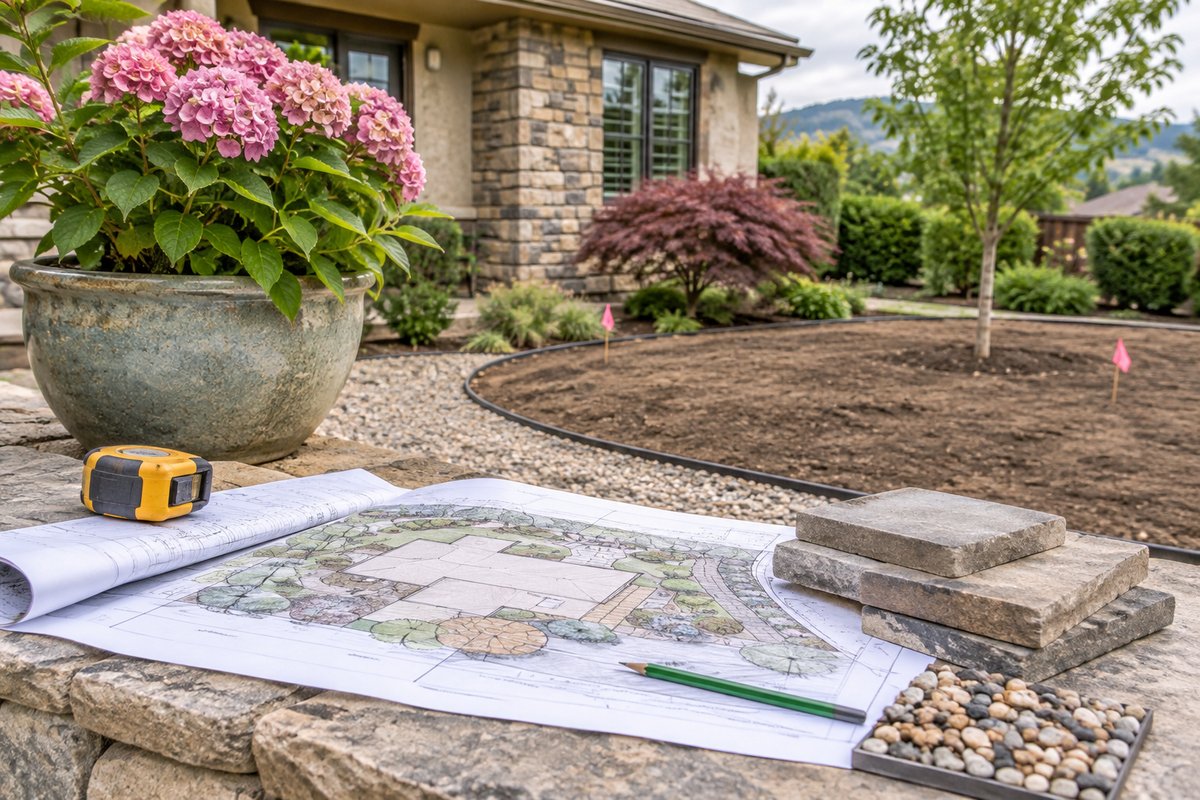
Practical Planning for Landscaping in Roseville: A Homeowner’s Guide
Thinking about landscaping in Roseville? From permits and soil to weather and project timing, here’s how to plan smarter and get durable, beautiful results.
Understanding Local Rules: Permits and HOA Approval
Before you start transforming your outdoor space, it’s essential to recognize the city and neighborhood regulations that shape landscaping in Roseville, CA. Depending on the scope of your project, you may need to review city permit requirements or check with your Homeowners’ Association (HOA) on what’s allowed. These entities regulate elements such as fences, retaining walls, water features, and tree placements, especially in front yard landscaping or when drainage rerouting is involved. While rules vary, ignoring them can mean expensive corrections down the line.
Every HOA and city office has its own submittal process and requirements. Some need detailed site plans, especially for hardscapes such as patios or walls. The best approach is to prepare a plan for what you want to achieve, then contact the appropriate office for guidance. As every set of regulations is project-dependent, start early—even before design work starts—so your project runs smoothly from concept to completion. If you need contact details or the latest process information, these are available through city and HOA official websites.
This extra step helps you make choices that not only look great but also meet community standards. For more inspiration and planning considerations for both front yard landscaping and backyard landscaping, California Hardscapes’ planning approach builds both beauty and compliance into your project from day one.
Marking Utilities: Call Before You Dig
Roseville has a mix of above- and below-ground utilities, including water, electric, gas, and communication lines. Before breaking ground—whether planting a tree or setting large boulders for a rock garden—always call 811, the national “Call Before You Dig” hotline. Utility marking keeps your home safe and prevents service disruption, injuries, or expensive repairs. This step is not just a technical recommendation; it’s the law in California for any activity that disturbs soil, even shallow digging and trenching associated with irrigation systems.
Powering landscape lighting or new water features? Review Roseville Electric’s service information and rate details to get a clear sense of capacity and any upgrades required. Homeowners can find current information and guidelines at Roseville Electric Utility Rates. This is essential for both safety and practical planning, ensuring your plans cover all aspects of infrastructure.
For projects like irrigation systems, patios, or electrical upgrades, include these checks at the start for a safer, faster, and hassle-free build.
Soil, Slope, and Drainage: Building on Solid Ground
Landscape design in Roseville is shaped by the local soils—primarily clay and decomposed granite—and the natural slope of each property. Drainage is often the biggest opportunity (and risk) for landscape contractors in this area. Heavy winter rains can cause pooling or erosion, especially where slopes direct water toward structures or neighboring yards.
Addressing these challenges begins with understanding your soil type and grading. Soil testing is a wise early step, particularly if you’re planning deep planting, lawn replacement, or heavy hardscape elements. Well-designed landscaping incorporates solutions such as dry creek beds, swales, and subsurface drainage to guide water safely away from your home. Proper compaction and drainage layers improve hardscape longevity and help plants thrive.
If your project involves cut-and-fill or major slope work, check with the city office linked above for permit and engineering requirements. Addressing these site-specific factors up front sets the stage for lasting quality—an approach reflected in California Hardscapes’ belief in “built with pride, finished with excellence.”
Designing for Summer Heat and Winter Rain
Roseville’s climate is marked by dry, hot summers with temperatures frequently topping 100°F, and cool, wet winters that bring bursty rainfall. These extremes shape every landscaping decision, from plant choices to material selection. High heat can stress irrigation systems, lawns, and traditional gardens, while poorly managed runoff in winter may threaten both hardscapes and foundations.
Planning with weather in mind means building resilience into your landscape. Proven solutions include drought-tolerant landscaping for low-water needs, fire-wise plant groupings, and heat-reflective ground covers. Drainage features like dry creek beds and properly channeled runoffs can keep water where it belongs. Checking the National Weather Service Forecast for Roseville when planning and scheduling construction keeps each project aligned with local conditions.
Shade is another crucial factor. Properly placed trees and structures not only improve outdoor comfort but also reduce cooling demands on your home, which may impact electric usage and utility planning. For formal design and practical placement suggestions, see the dedicated pages on landscaping and fire-wise landscaping.
Choosing Materials and Features for Local Conditions
When selecting materials for patios, walls, or ground cover, prioritize those that stand up to Roseville’s freeze-thaw cycles and intense summer sun. Concrete, stone, decomposed granite, and boulders not only blend with local landscapes but also resist weathering. Distinctive features like boulder and rock gardens add structure, interest, and durability to both front and backyard spaces.
Native and drought-tolerant plants are a wise choice for water conservation and long-term performance. Mulches, permeable pavers, and carefully graded beds support drainage and help control weeds and soil temperature. Your material choices also affect maintenance demands and the lifespan of the installation.
Integrate efficiency from the ground up by selecting proven irrigation systems that adapt to both planted zones and hardscape areas, making the water you use count in every season. California Hardscapes builds every element with licensed, bonded, and insured contractors committed to getting these details right.
Timing Your Project for Best Results
Ideal timing for landscape construction in Roseville depends on both weather and neighborhood regulations. Summer’s long dry spells allow for uninterrupted sitework, concrete pouring, and plant installation, while fall and early winter are better for establishing trees and shrubs before heat arrives. Both planning and material availability can drive lead times, so advanced scheduling is essential.
Smart scheduling also means monitoring local forecasts. Use the National Weather Service Forecast for Roseville to avoid rain delays for concrete work or planting. Many homeowners find late winter into early spring the sweet spot for starting major projects, maximizing establishment before summer stress sets in and before HOA or city offices fill up with requests.
Factor in lead times required for utility marking and approval processes. Proactive planning means you’ll hit your target completion window without costly surprises along the way.
Practical Options for Front and Backyard Landscaping
Whether you’re updating an established garden or building from scratch, Roseville’s climate and regulations offer a range of creative options. Front yard landscaping often focuses on curb appeal, lower-water planting, and HOA-friendly designs. Drought-tolerant gardens, boulder installations, or ornamental dry creek beds deliver color and structure without raising maintenance or water bills.
Backyard landscaping invites more personalized features: patios for entertaining, edible gardens, or fire-safe planting near structures. Many homeowners keen on conserving water blend both native plant beds and organized rock gardens for visual interest. Drought-tolerant landscaping and fire-wise landscaping principles let you plan responsibly for resiliency as well as beauty.
Whether you’re planning a renovation or a complete landscape design, see California Hardscapes’ overview of landscaping and the specialty services listed above for ideas to match your goals and property features.
FAQ: Common Questions on Roseville Landscaping Projects
What’s the best way to start a landscape project in Roseville?
Begin with a list of your goals, then check property lines, HOA regulations, and city permit requirements. Arrange for utility marking by calling 811 before digging, and consider soil and slope analysis before choosing materials or plants. Early planning and engagement with professionals saves time and hassle later.
Which landscaping features handle Roseville’s heat and rain?
Native and drought-tolerant plants, well-drained soils, and robust hardscape elements—such as boulder gardens and dry creek beds—stand up best to temperature swings. Efficient irrigation systems and mulched beds further reduce water needs and help plants thrive in every season.
How do I estimate future electricity needs for outdoor projects?
Check the latest guidance and rates from Roseville Electric Utility when adding lighting, pumps, or new outdoor outlets. This keeps your plans compatible with meter and service capacities and can support budgeting for upgrades if needed.
Plan With Confidence—Quality Built for Roseville
Every successful landscaping project in Roseville starts with thoughtful planning, matched to your property’s slope, soils, neighborhood guidelines, and climate realities. California Hardscapes, led by Marty—a veteran in concrete and construction since age 17—brings designs to life with licensed, bonded, and insured contractors. Prioritize quality, integrity, and results that exceed expectations, and look forward to a landscape built with pride and finished with excellence.
Planning a project in Roseville, CA?
Call or text 916-741-0633, or email sales@californiahardscapes.com with your address, a short description and a few photos, and we will arrange a consultation.