Landscape Drainage Solutions: Grading & Downspouts That Protect Your Home
A sound drainage plan starts with how your property sheds water. Get expert guidance on grading and downspouts tailored to Placer and Sacramento County homes.
Effective landscape drainage doesn’t happen by accident. In our region, smart grading and functional downspouts are essential starting points for any homeowner.
Why Drainage Matters in Our Area
The climate across Placer, Sacramento, and El Dorado counties brings winter rains and the occasional downpour, turning poor drainage into a real risk for homeowners. Water flowing toward your foundation, or pooling in low spots, can cause erosion, cracks, or costly mold issues. Understanding drainage keeps your investment protected all year.
Our local soils—ranging from dense clay to decomposed granite—each interact with water differently. Clay traps water longer, expanding and slowing drainage, while sandy soils drain rapidly but may increase erosion if not properly managed. Knowing your soil type helps customize the plan.
Beyond foundation risks, standing water attracts mosquitos and can impact the health of your landscaping. Proper drainage contributes to the beauty of your outdoor spaces, keeps patios and hardscape usable, and improves long-term home value.
- Winter storms stress weak drainage systems
- Local soils demand site-specific planning
- Good drainage protects home value and landscaping
For more details about our methods and materials, see theLandscape drainage solutionspage.
Understanding Grading Basics
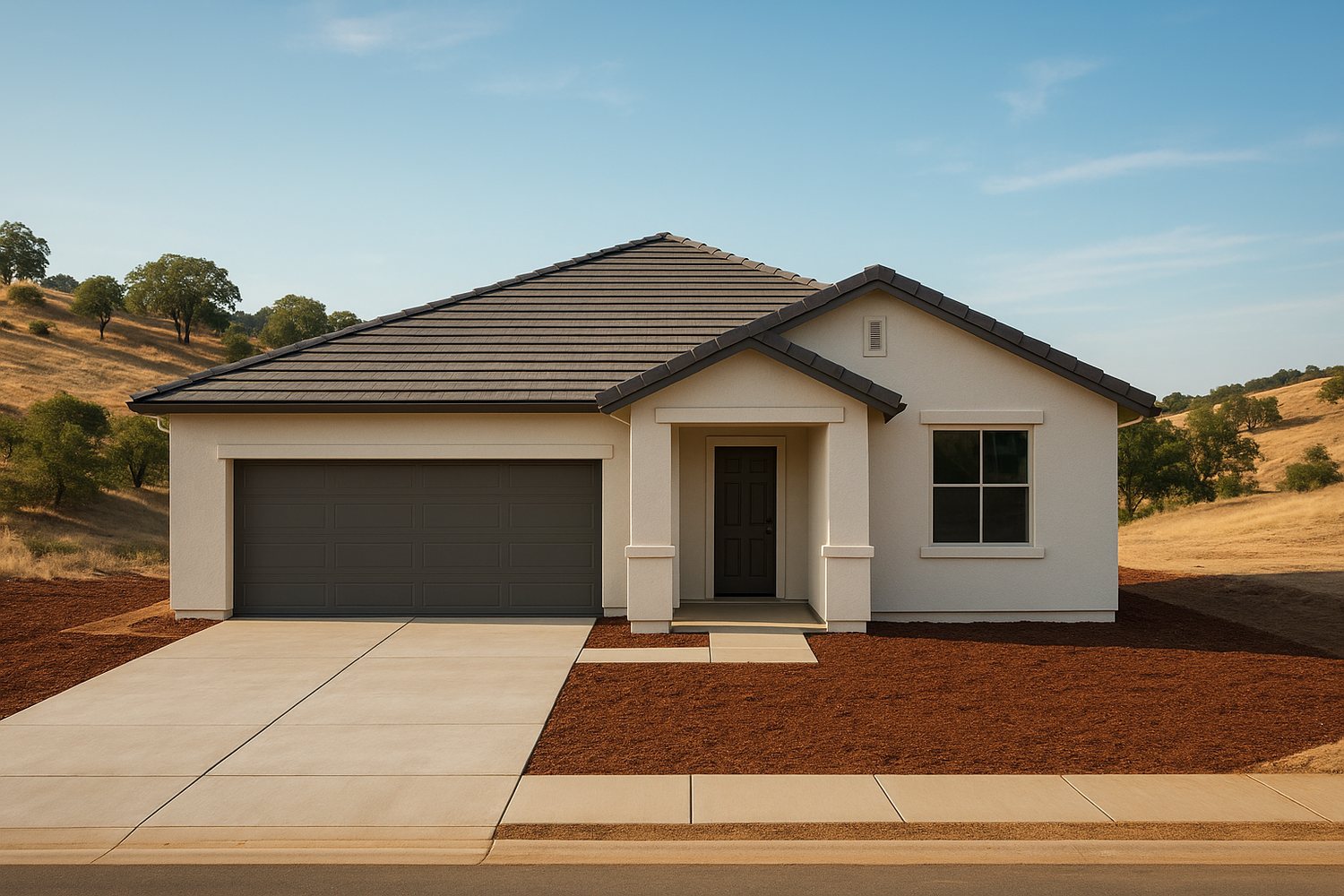
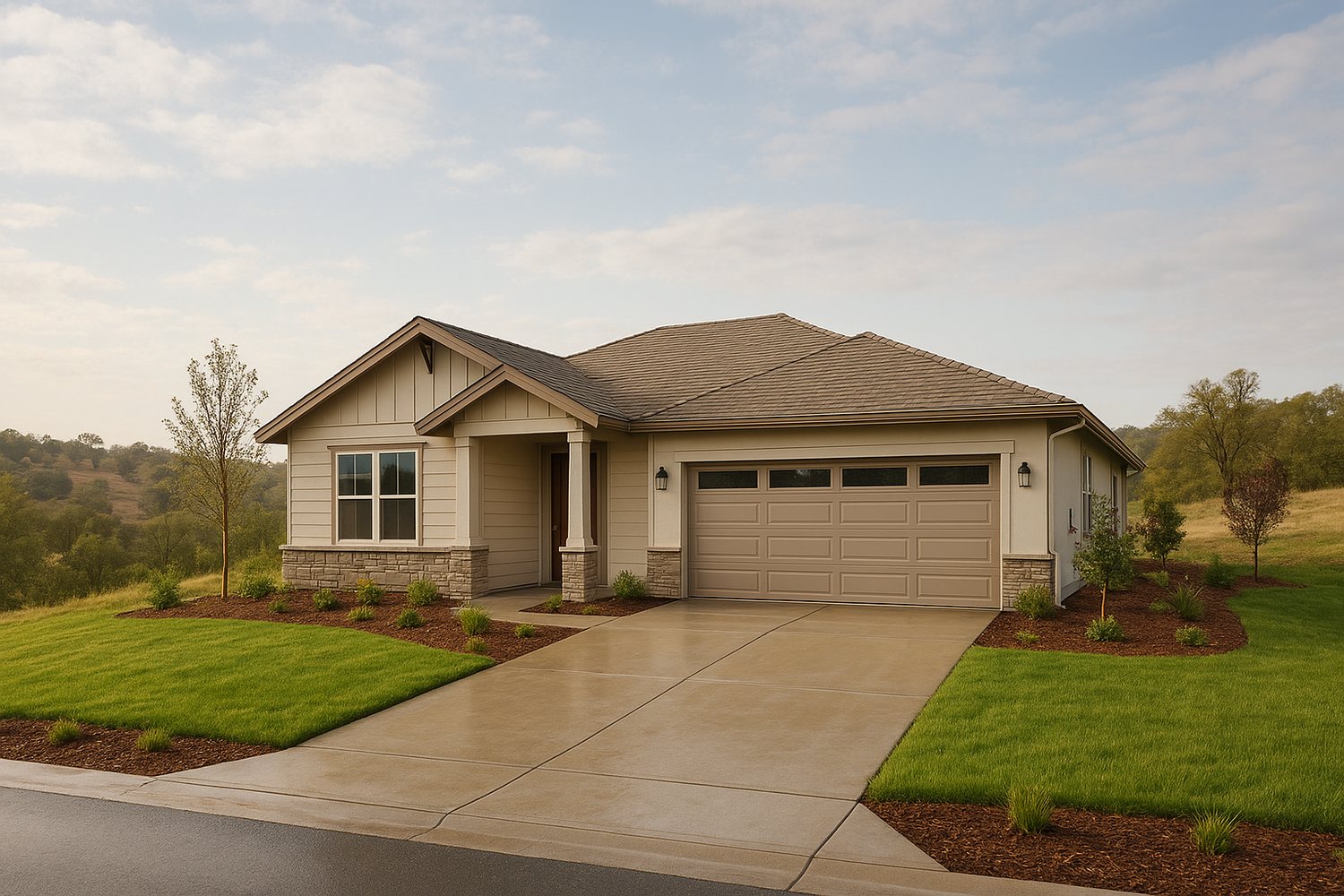
Grading is the intentional shaping of soil and landscape features so water moves safely away from the home. At its core, the ground around your house should slope gently outward—a minimum of one inch vertical drop per foot for the first several feet is a classic starting point.
In practice, a landscaping professional inspects your lot for high and low points, hardscapes, plants, and property lines. They’ll look for barriers or depressions that might trap water, and identify how neighboring properties may impact drainage solutions.
Poor grading isn’t always obvious. Sometimes settlement, older landscaping, or new construction has altered the original flow, creating subtle issues over time. A comprehensive grading assessment often reveals small corrections with big results.
- Maintain at least 6 inches vertical drop within 10 feet of the house
- Smooth transitions prevent ponding
- Foundation beds should never slope toward the home
Downspout Placement: The First Defense
Your gutters and downspouts collect and direct roof runoff. If water simply dumps next to your foundation, you risk damage. Instead, every downspout should carry water 5 to 10 feet away from the home—usually via a solid extension, pop-up emitter, or a drainage pipe.
Strategic downspout placement matters, especially with multiple rooflines or upper-story gutters. Water from higher areas should always be routed swiftly away, even when space is tight. A professional will consider walkways, planting beds, pavement, and property lines.
In our area, avoid routing downspouts over existing hardscape or through areas prone to erosion. Consider integrating drainage upgrades during hardscape or landscaping projects for a more reliable, attractive solution.
- Never let downspouts discharge at the base of walls
- Extensions and emitters protect foundations
- Coordinate gutter upgrades with landscape planning
Planning Drainage Around Existing Features
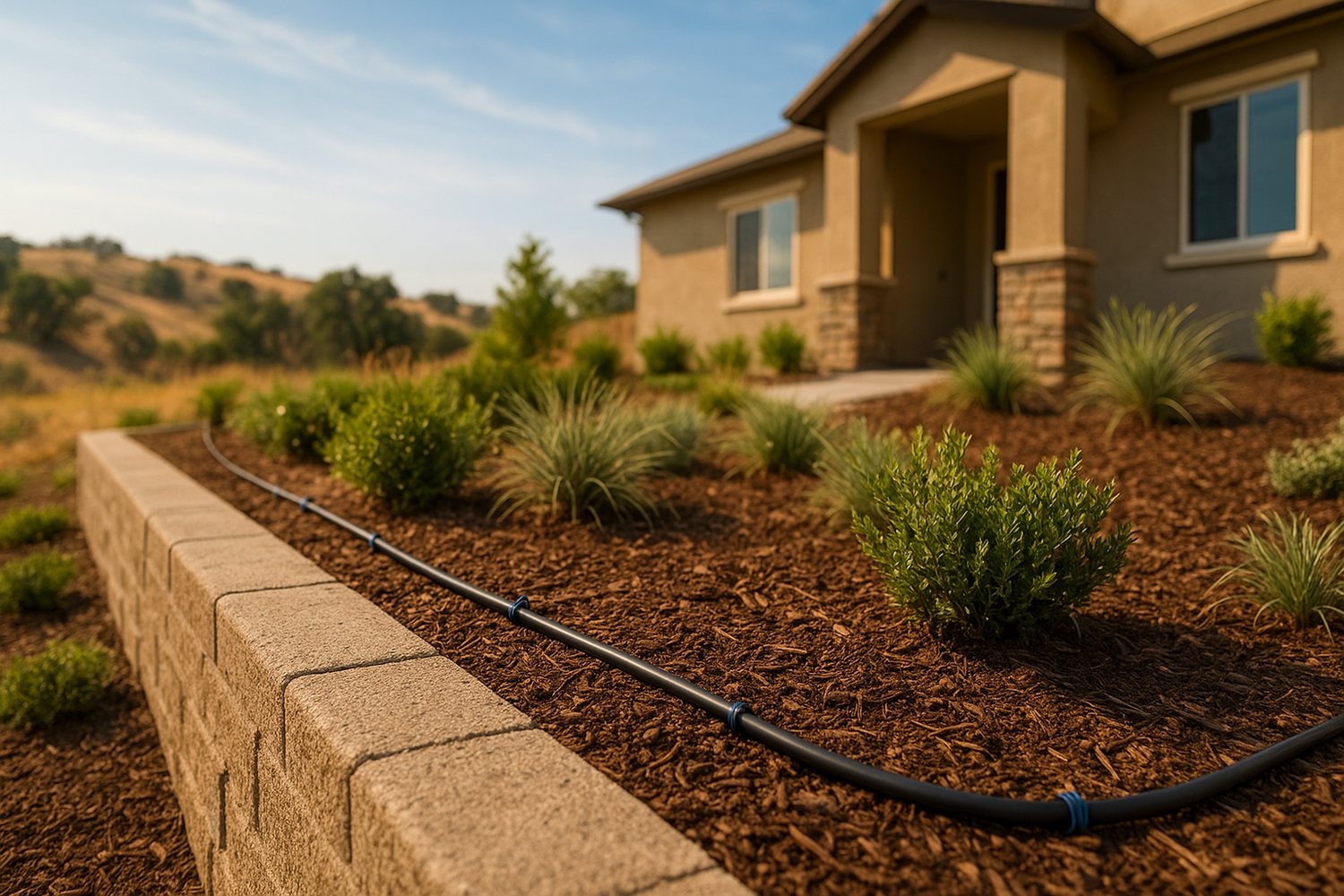
Retaining walls, patios, pools, and mature landscaping all alter how water moves through your property. A thoughtful drainage approach respects these features, preventing problems like undermining hardscapes or over-irrigating plant roots.
Retaining walls may require weep holes and gravel backfill to let trapped water escape. Patios often need subtle slopes toward drains or landscape swales to keep feet—and interiors—dry.
Careful planning can also reroute surface water into dry creek beds or rain gardens, boosting curb appeal and providing a functional solution for seasonal runoff. Choices here reflect both engineering and aesthetics.
- Assess how each hardscape affects water flow
- Use strategic slopes and drains for patios
- Blending utility with aesthetics adds value
| Solution | Best Use | Pros | Cons |
|---|---|---|---|
| Swale | Large yards, gentle slopes | Natural appearance, handles high flow | Needs space, regular upkeep |
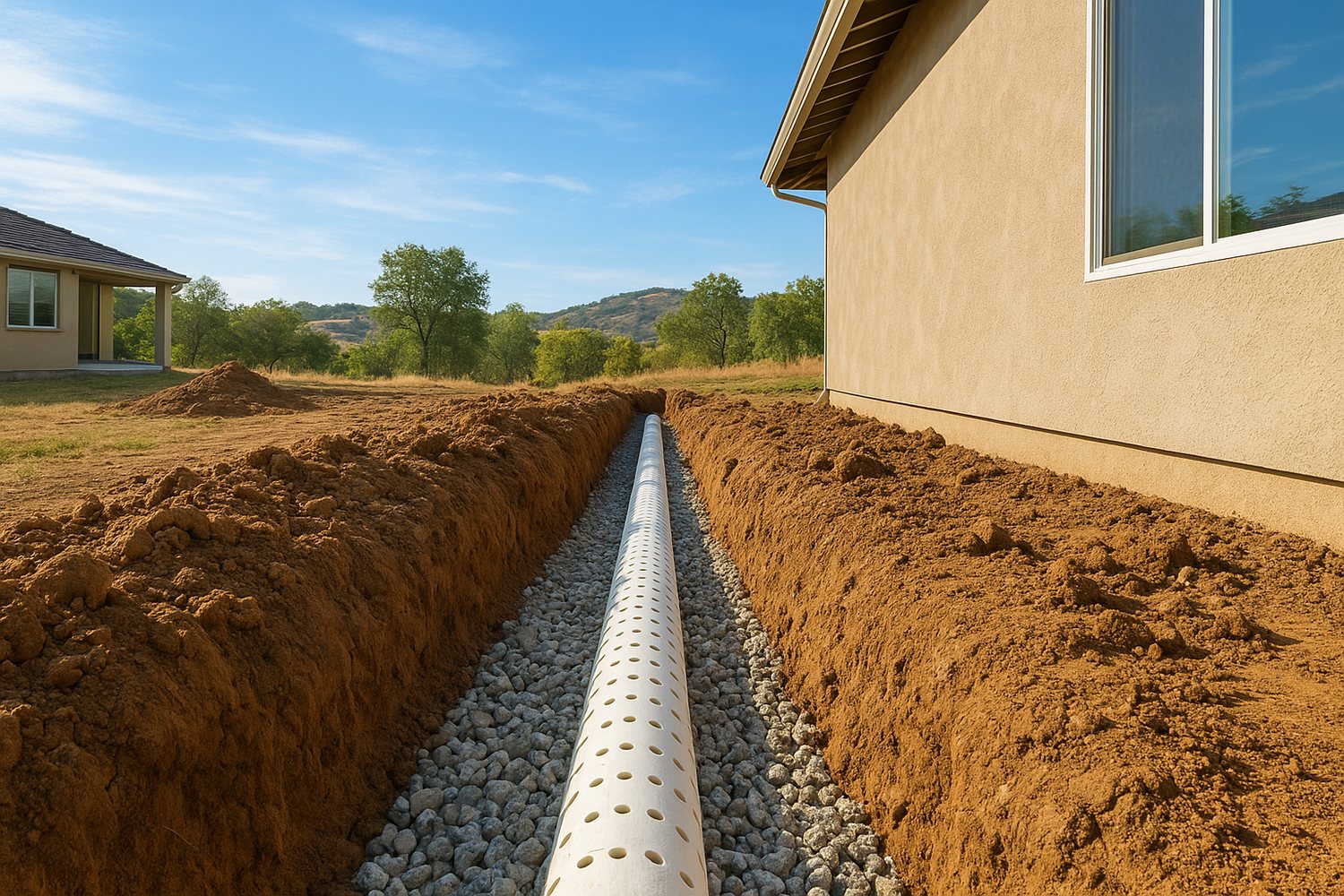
| French Drain | Beneath lawns, standing water | Hidden, effective for subsurface water | Can clog if not built right |
| Surface Drain | Patios, driveways | Instant water removal, discrete grates | Requires regular cleaning |
| Channel Drain | At patio/driveway edges | Strong, inconspicuous | Installation disrupts hardscape |
| Dry Well | Where downspouts concentrate water | Underground, reduces surface runoff | Can overflow in heavy rain |
Comparing Drainage Solutions: What Works Best
Choosing the right method depends on your site’s elevation, soil, and how much water you need to move. Here’s a breakdown of common options, their strengths, and possible drawbacks in local conditions.
Swales work best on larger lots with gradual slopes, while French drains excel beneath turf or where subsurface water is an issue. Surface drains and channel drains suit patios or walkways that collect runoff.
Don’t overlook solutions like dry wells for downspouts, especially where property lines are close. Combining techniques often delivers the best results for tricky, established yards.
Curious where drainage fits in your bigger plans? Explore allLandscaping optionsavailable.
Integrating Drainage and Landscaping
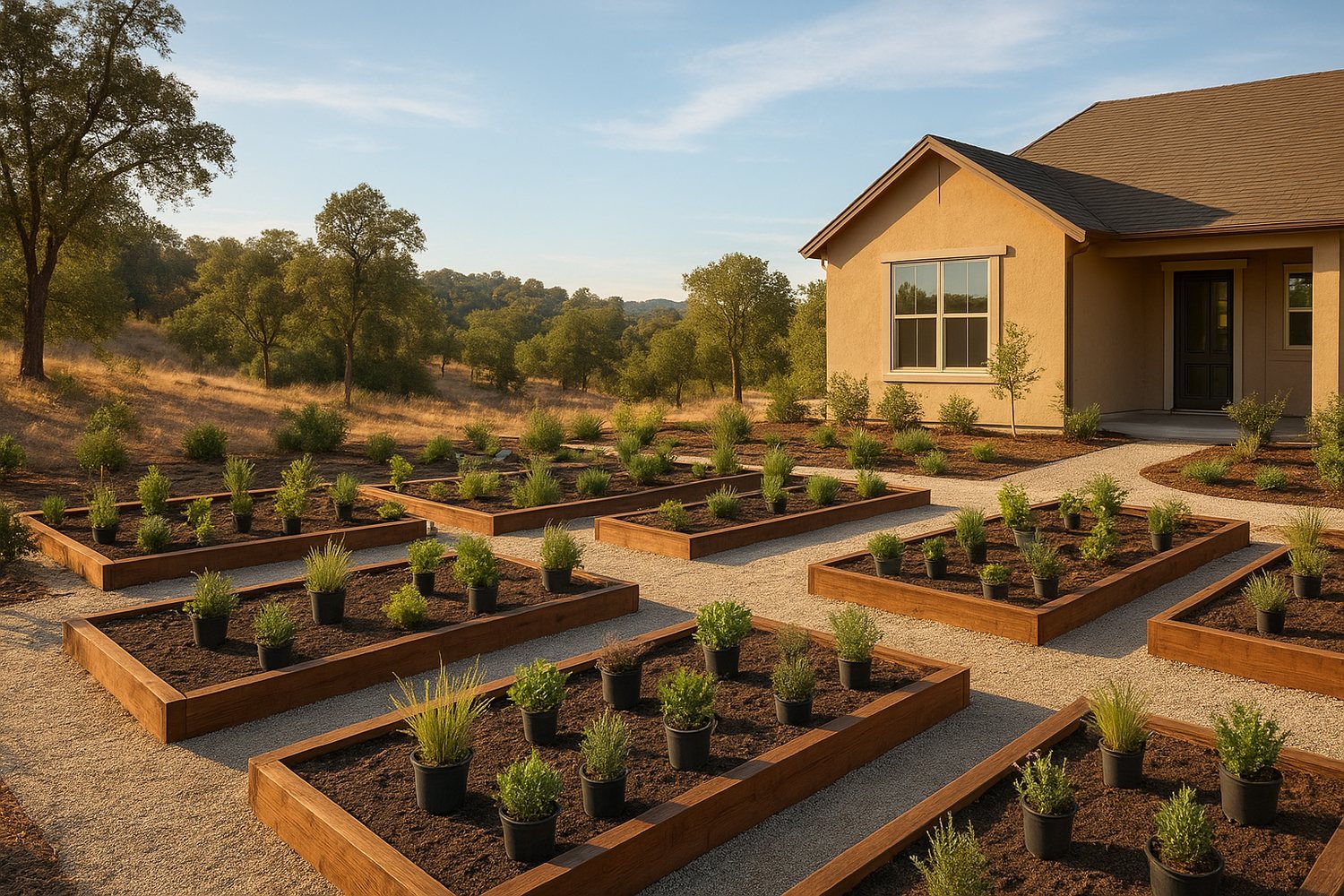
It’s smart to plan drainage alongside new landscaping, hardscape, or even pool installations. That way, pipes or grading can be built-in before plants or stone are placed, minimizing disruption and cost.
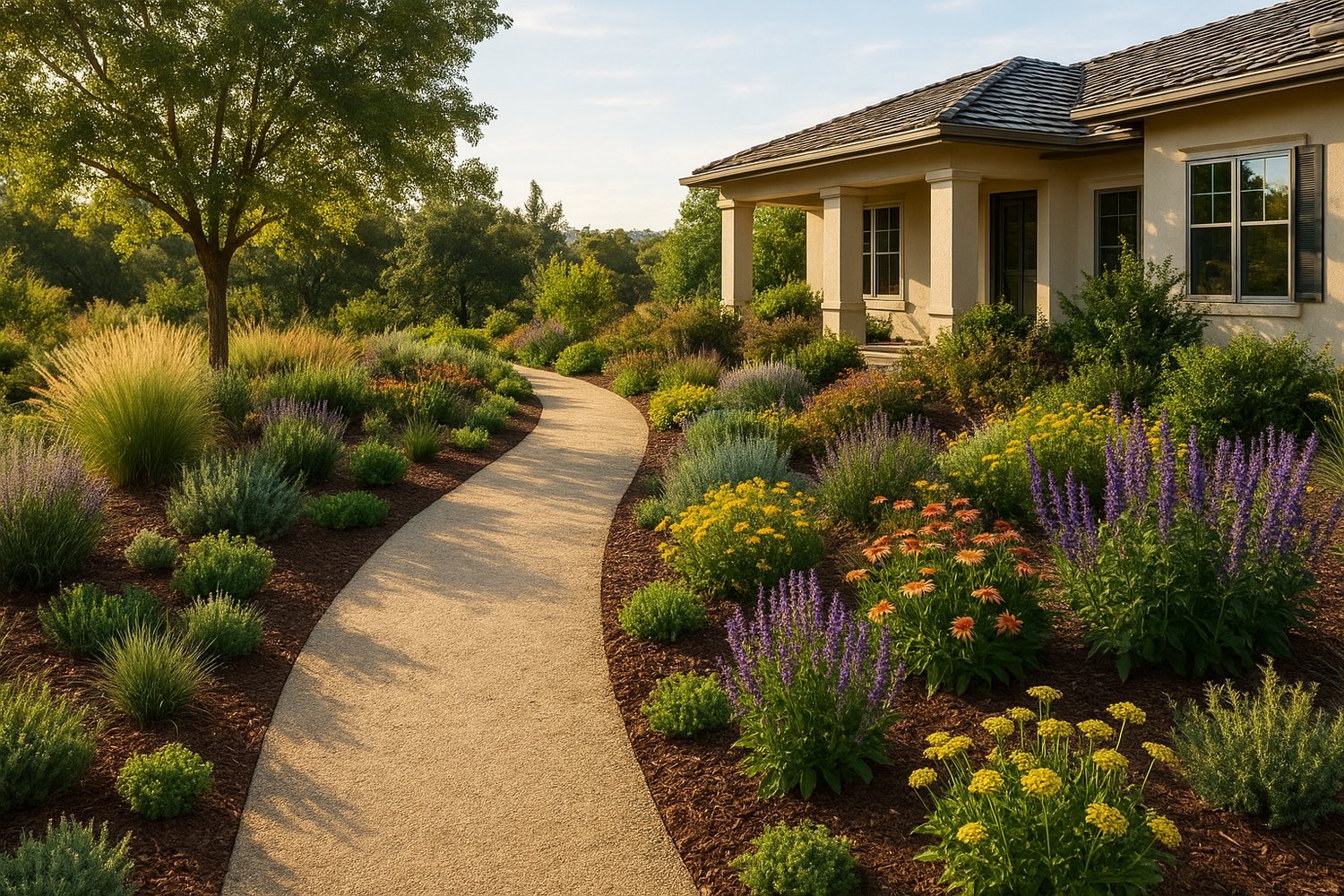
Integrating drainage features doesn’t mean sacrificing beauty. Channel drains can sit invisibly along a patio edge; swales can double as attractive dry creek beds or planting areas. Select gravels, river rocks, or groundcovers that slow water and reduce splash.
Look for opportunities to blend utility with curb appeal. Choosing plantings tolerant of periodic wetness near flow points can help stabilize soil and reduce maintenance needs in tricky spots.
- Coordinate grading before planting mature trees/shrubs
- Decorative elements can disguise functional drains
- Tough, moisture-loving plants work in swales
When to Call a Professional
Many drainage improvements can be handled by a savvy homeowner. However, when you spot water in the crawlspace, cracks in foundation, or pooling that reappears after your best efforts, it’s time for a professional opinion.
A drainage specialist brings sophisticated tools: laser levels, soil analysis, and experience with permitting and local ordinances. More importantly, they see where unseen issues could emerge months or years down the road.
They can also coordinate grading, hardscapes, and retaining walls as a single effort, ensuring your whole property works together. In our neighborhoods, this all-in approach often saves long-term hassle and expense.
- Persistent wet spots signal bigger issues
- Foundation cracks/settlement require expert review
- Comprehensive plans solve multiple problems at once
Getting Started: Your Drainage Checklist
Begin with an honest evaluation after the next storm. Walk your property; look for standing water, erosion channels, or areas where mulch or soil washes away. Check that gutters and downspouts are clear and functioning.
If you spot grading issues, think about practical adjustments: add soil to low spots, redirect downspouts, or extend splash blocks. Larger or recurring problems signal the need for a skilled eye and possibly a custom plan.
Document your concerns with photos or notes. When you’re ready, reach out to a local professional who understands our climate and building styles—someone who can advise on grading, downspouts, and integrated drainage solutions.
- Inspect after a heavy rain
- Check gutter/downspout performance
- Note all problem spots before consulting
Ready to protect your property?Request a consultationwith our knowledgeable local team.
Planning a landscaping project?
Call or text 916-741-0633, or email sales@californiahardscapes.com with your address, a short description and a few photos, and we will arrange a consultation.