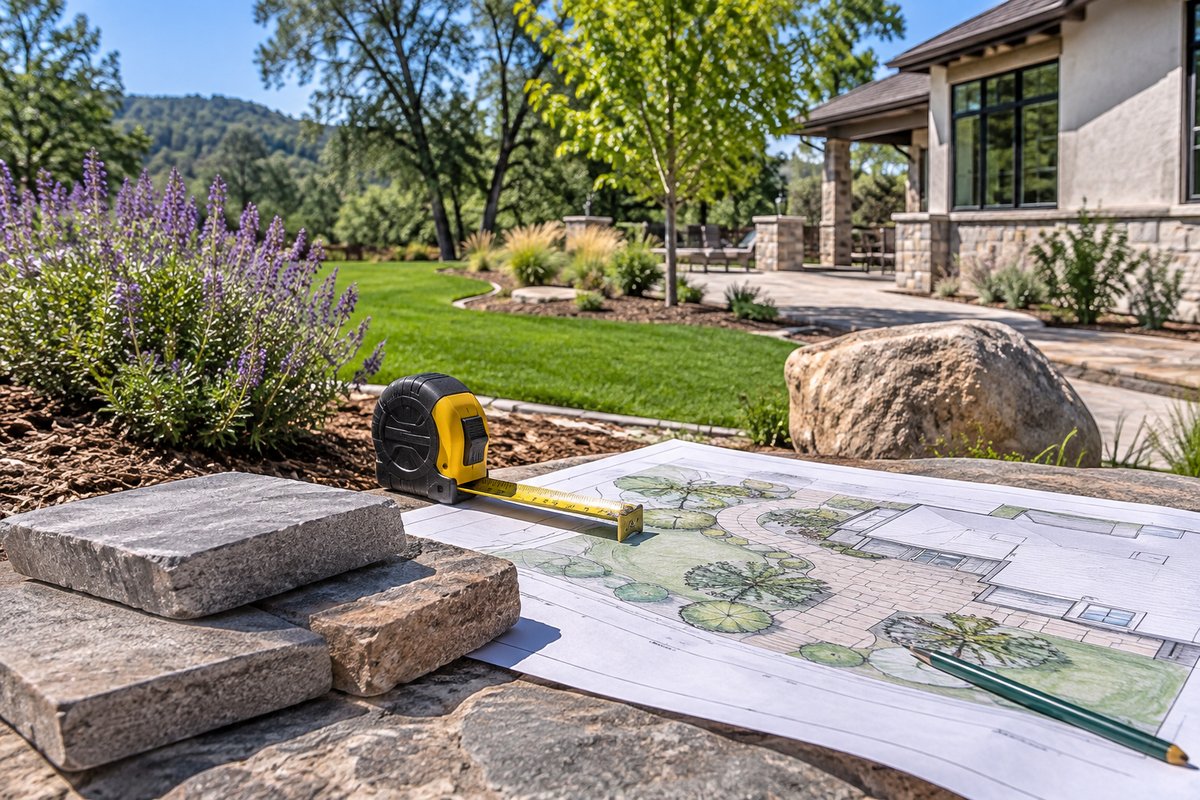
A Practical Planning Guide for Landscaping in Granite Bay, CA
Make the most of your landscaping project in Granite Bay, CA with practical planning steps: navigating permits, choosing the right design, understanding local soils, and timing your build for lasting results.
Start Right: Permits, HOA Approval, and Local Requirements
Before any shovel hits the ground in Granite Bay, it pays to do some homework on local requirements. For many landscape projects, the first question is whether permits, HOA submittals, or engineering are needed. Homeowners’ associations in the area typically have their own guidelines for design, plant choices, fencing, and hardscape materials. Likewise, Placer County may require permits for features like retaining walls, grading, or large irrigation systems. It’s smart to check with your HOA and review Placer County building codes early in the process to avoid costly changes mid-project. Consulting the resources or offices connected to local regulations will ensure nothing gets overlooked down the line.
Electrical upgrades for landscape lighting, pumps, or irrigation controllers add an extra layer of review. In unincorporated Granite Bay, electricity service and coordination run through utilities like City of Roseville Electric Utility or PG&E infrastructure. Before considering any significant wiring, review your utility’s policies for outdoor work. Careful upfront planning not only navigates red tape but brings peace of mind when installation begins.
The best approach is to start your landscape design with clear communication—verifying neighborhood, city, and utility requirements. This helps your landscaping contractor recommend the right sequence of steps, keeping the project compliant and on track. Building with quality, integrity, and results that last always begins with the right foundation.
Call Before You Dig: Safe Preparation for Every Project
Behind every successful landscaping project is careful site preparation. In Granite Bay, the first step is always to call 811 before any digging. This national “call before you dig” service marks underground utilities: gas mains, electrical lines, water, cable, and communication cables. Relocating or repairing these after-the-fact is expensive and disruptive, and avoiding accidental damage is both an insurance—and a safety—must.
Once marked, homeowners and contractors can confidently plan irrigation lines, dry creek beds, or boulder placements. This step is critical for projects that involve deep digging or heavy equipment, such as new patios or structural features. Every detail, including shallow trenches for irrigation systems, is mapped in advance to prevent surprises.
Always factor time for the utility marking process into your schedule. With the right advance notice, this essential safety step becomes a routine part of professional project management—and ensures your property investments are protected from day one.
Soil Types: Granite and Clay Challenges
Granite Bay’s name says it all—most local lots feature granite-based soils, often mixed with stubborn California clay. Both present unique challenges for landscape design and construction. Granite soils offer excellent drainage but can be rocky and compact, making planting or digging more arduous. Conversely, clay soils tend to hold water, become sticky in winter rain and rock-hard under the summer sun.
Successful plant selection and drainage strategies start with understanding these conditions. Drought-tolerant plants and native landscapes flourish with the right soil amendments and mulches, which help balance rockiness and lock in moisture during triple-digit summer spells. When building patios or installing drought-tolerant landscaping, adding organics or special base layers encourages healthy root growth and stability.
Prior to major work, a soil test helps define what amendments or engineering may be needed—such as raised beds, French drains, or dry creek beds. This proactive approach lays the foundation for results that not only look great but stand up over time in Granite Bay’s climate.
Slope and Drainage: Planning for Longevity
Many Granite Bay neighborhoods include sloped lots, rolling backyards, or natural drainage paths. Good design addresses slope at the outset to prevent erosion, pooling, or water intrusion near structures. Key strategies include contouring the landscape, installing retaining walls where appropriate (after checking with the city or HOA), and directing runoff with thoughtful grading.
For ongoing drainage challenges, features such as dry creek beds and stone swales offer both a practical solution and a visual centerpiece. These elements guide rainwater safely downhill and away from foundations, turning a problem into a dramatic landscape feature. Permeable hardscapes—like patios with gaps or boulder gardens—allow rainfall to soak in gradually, reducing runoff and mud.
If you’re unsure how your yard responds to heavy rain or winter storms, the Placer County Weather Forecast Briefing provides up-to-date National Weather Service insight. Tackling drainage at the design phase with help from professionals experienced in Granite Bay conditions supports a long-lasting landscape built with local know-how.
Weather Matters: Summer Heat and Winter Rain
Granite Bay is famous for its intense seasons—scorching triple-digit summer days and chilly, rainy winters. Your landscape design should plan for both extremes, balancing shade, hardiness, and water efficiency from the start. Incorporating trees for shade not only cools outdoor living spaces but reduces irrigation needs and protects delicate plants during the hottest months.
Planting beds, boulder groupings, and fire-wise landscaping offer year-round interest while minimizing fire risk and water demand. Strategic choices, such as fire-wise landscaping and drought-tolerant species, thrive in local weather. When winter approaches, assess drainage and make sure your yard directs water safely away from your home—a key step during occasional heavy downpours.
Timing construction for the right season allows new plantings to establish roots before the next weather swing. Finish hardscapes or irrigation work before summer heat hits, and schedule planting or sod in spring or fall for optimal results. Review the latest local forecasts and climate trends with resources like the Placer County Forecast Briefing Page for project-friendly windows.
Smart Irrigation and Water-Wise Design
Water scarcity and drought are top-of-mind for many Granite Bay homeowners. Modern irrigation systems provide efficient, targeted watering that adapts to your landscape’s unique needs and reduces waste. Drip irrigation is especially suited to native and drought-tolerant landscapes, keeping plant roots healthy while minimizing evaporation.
Choosing drought-tolerant landscaping and native plantings not only protects your investment but respects local water restrictions and environmental goals. These strategies deliver beauty and resilience, even through harsh heat or dry spells. Mulching, smart controllers, and zoned irrigation also contribute to sustainable gardening by putting water exactly where it’s needed, at the right time.
A skilled landscaping contractor can help you select, install, and program these systems as part of a full landscape renovation or new build. The result is a low-maintenance yard with lower monthly water bills and a greener footprint for Granite Bay living.
Designing for Granite Bay: Patios, Boulders, and Native Beauty
Great landscape design finds inspiration in the natural surroundings. In Granite Bay, this often means working with the land—respecting slopes, integrating boulders, and creating outdoor spaces naturally suited to local climates and soils. Patios, walls, and seating areas built from stone or concrete offer longevity and visual harmony with the area’s rocky terrain.
Boulder and rock gardens provide dramatic focal points, while front yard landscaping makes the most of street-facing space with curb appeal that endures year-round. Backyard landscaping can incorporate fire pits, raised planters, or shaded seating for comfortable living all summer long. Consider integrating backyard landscaping with naturalistic plantings and water-wise features to build a seamless transition from indoors to out.
Native plant palettes borrowed from local oak woodlands, dry creek beds that echo natural watercourses, and thoughtful tree placement reflect both good taste and practical thinking. Designing for Granite Bay isn’t about imposing an idea, but about making the most of what’s already there—beauty, slope, sunlight, and shade—all finished with skilled construction. Explore the full spectrum of options at California Hardscapes Landscaping.
Project Timing: When to Start Your Granite Bay Landscaping
When planning new or upgraded landscaping in Granite Bay, timing your project right is crucial for successful results. Spring and fall are traditionally best for planting, allowing trees, shrubs, and lawns to root before extreme heat or winter deluges. Hardscape installations—such as patios, walks, walls, and grading—are often scheduled in late winter or just before summer to minimize weather delays and make the most of the building season.
Keep in mind that utility markings, HOA reviews, or permit considerations can affect your schedule. Begin design and approval steps early to avoid bottlenecks. For added flexibility, monitor weather forecasts using the Placer County Forecast Briefing Page to dodge major storms or heat waves. By aligning your project with the local climate and approval process, each phase flows naturally into the next.
Discussing a timeline with an experienced landscaping contractor, coordinated with local realities, sets the stage for a project that not only looks exceptional upon completion but matures beautifully year after year.
FAQ: Granite Bay Landscaping Planning Essentials
Do all landscaping projects in Granite Bay need permits or HOA approval?
Not every project requires permits or HOA approval, but many do. Check with your HOA board and Placer County building department, especially before starting work on major walls, grading, or irrigation systems. Electricity-related work may involve your local utility, such as City of Roseville Electric Utility. Consult these authorities to clarify your project’s requirements.
How do I manage drainage and slope for my Granite Bay lot?
Effective drainage is key to preserving your investment. Popular solutions include dry creek beds, swales, retaining walls, and grading that directs water away from structures. Soil type and slope inform the final design, so consult a landscaping contractor familiar with Granite Bay’s unique terrain and rainfall patterns.
What’s the best way to create a drought-tolerant landscape here?
Select native species and climate-adapted plants, use drip irrigation, and apply mulch to retain moisture. Local knowledge is vital—check drought-tolerant landscaping options for inspiration, and amend granite-heavy or clay soils as needed for healthy growth.
- City of Roseville Electric Utility – electric service information
- Placer County Forecast Briefing – weather updates for timing and climate planning
Planning a project in Granite Bay, CA?
Call or text 916-741-0633, or email sales@californiahardscapes.com with your address, a short description and a few photos, and we will arrange a consultation.