Category: Uncategorized

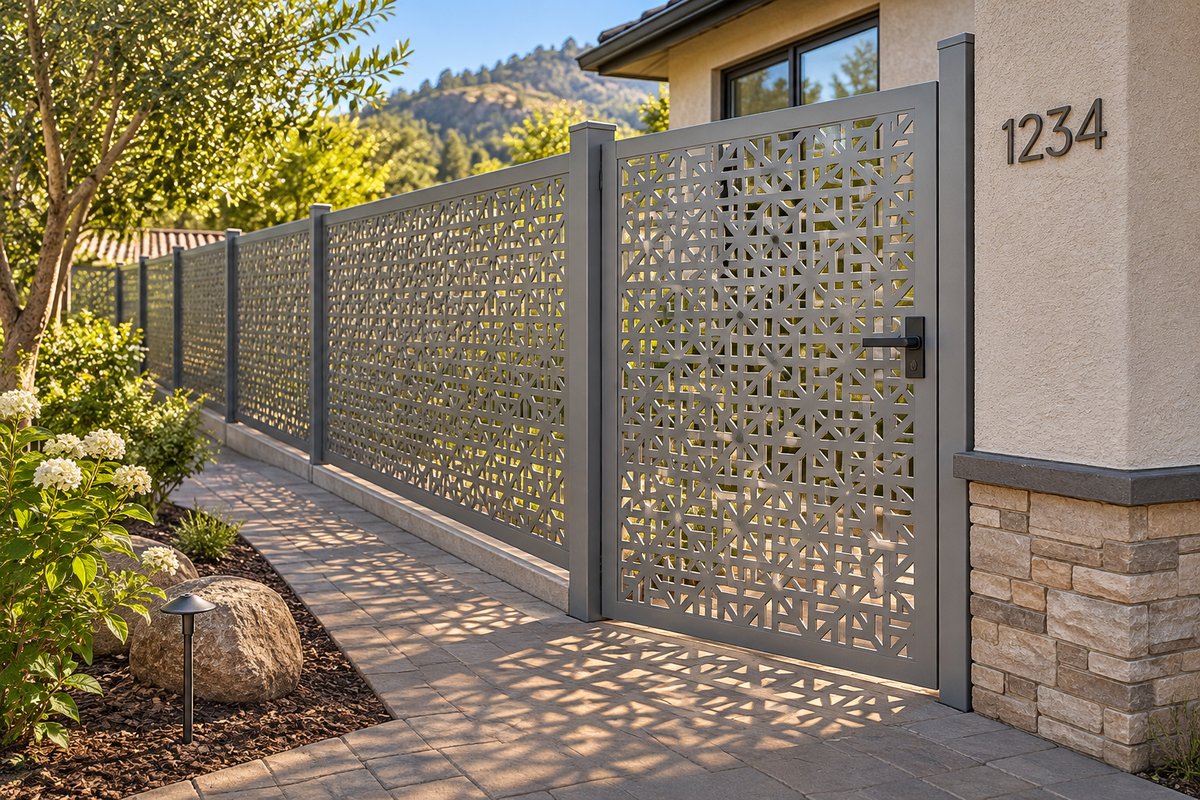
  • A Homeowner’s Planning Guide: Custom Metal Privacy Fences & Gates in Rocklin

    A Homeowner’s Planning Guide: Custom Metal Privacy Fences & Gates in Rocklin

    Planning Your Metal Privacy Fence Project in Rocklin: Where to Start

    Installing a custom metal privacy fence or gate can be a transforming upgrade for security, privacy, and curb appeal in Rocklin, CA. However, thoughtful upfront planning is needed to ensure a smooth process from design consultation through installation. Local requirements, the region’s unique weather, and neighborhood rules all impact your project timeline and outcome. This guide provides practical steps for Rocklin homeowners who want to bring style, safety, and peace of mind to their yards, pool areas, and driveways.

    Before contacting a contractor, define your privacy and style goals. Pinpoint the areas you want to screen—are you looking for a statement entry with a new metal driveway gate? Do you need a creative solution for pool safety, or a backyard retreat? Solidifying these priorities helps shape your conversation with licensed, bonded and insured contractors and ensures the design consultation meets your expectations.

    Finally, review local factors influencing your choices, including neighborhood aesthetics, HOA approvals, local permit rules, and the practical issues of Rocklin’s soil, slopes, utility lines, and weather. Keep these steps in mind as you plan for a custom installation built for Rocklin’s lifestyle and climate.

    Permits, HOA Approvals, and Neighborhood Fence Rules

    Before proceeding with a new decorative metal fence or gate, it’s crucial to understand local requirements. Most Rocklin neighborhoods—especially those with homeowners’ associations—have standards regarding fence height, location, and appearance. Many require prior written approval for all fences, gates, and privacy screens, including laser-cut privacy panels and patio privacy screens. Consulting your HOA and reviewing relevant CC&Rs avoids costly changes down the line.

    City permits may be needed for new fencing, gates, or posts, particularly when changing the location or height. Regulations can cover everything from the type of materials used, pool safety codes, and setback from sidewalks and roads. Since requirements can change and often depend on exactly where you live, check with the office linked above for the most current information before finalizing plans.

    Once you have written HOA signoff and a clear understanding of which permits you’ll need, you can move forward confidently with design options for pool-area fencing, walk gates, equipment screens, and more. Think of this step as protecting your investment in a lasting, beautiful result.

    Call Before You Dig: Utility Marking for Safe Installation

    No matter the size of your fencing or gate project, marking underground utilities is a must. In Rocklin and throughout California, state law requires you to contact 811 before any digging occurs—even for shallow post holes for side-yard gates. This free service marks public utility lines so licensed, bonded and insured contractors know exactly where it’s safe to dig.

    Buried power, water, gas, internet, and irrigation lines are common on residential lots in Rocklin. Any unmarked digging, even for a small equipment screen, risks service disruption or injury. Advance notice to 811 allows contractors to safely core drill, dig, and set posts without complications or delays.

    Utility marking is typically required by HOA and city guidelines as another protective step. Scheduling this well before your installation date keeps your project safe and efficient, and is an essential part of planning any decorative metal fence, privacy panel, or gate installation.

    Assessing Your Rocklin Lot: Soil, Slope and Drainage Considerations

    Rocklin’s diverse terrain means your property might have clay soils, slopes, or drainage features that impact both the design and installation of a metal privacy fence. Soil type and steepness can affect how posts are anchored and how runoff is managed. Identifying these factors early ensures your fence or gate lasts through Rocklin’s changing seasons and stays within code.

    For properties on slopes, discuss with your contractor how fence panels and gates will be stepped or contoured to fit the grade. Creative solutions often turn potential challenges into opportunities for attractive, functional designs—especially for decorative fence patterns and custom gates.

    Poor drainage or heavy clay soils can be addressed through adjustments to post depth or placement, ensuring posts remain secure and minimizing water pooling near pools and patios. Factoring in these local details from the start puts you in the best position for a long-lasting installation, whether you’re screening a backyard boundary or fencing a pool area.

    Weather and Timing: Navigating Rocklin’s Hot Summers and Wet Winters

    Project timing in Rocklin is often driven by local climate. Hot, dry summers and cool, rainy winters both bring unique challenges to custom fence and gate installation. Metal privacy fences offer durability in all seasons, but planning for conditions during excavation and anchoring is essential.

    Summer heat can impact concrete curing and scheduling, especially when work needs to occur early in the morning or later in the day. Contractors may adjust work timing for safety and material performance. On the other hand, winter rain means wetter soils, which can slow progress or deliver less stable conditions for anchors and footings. Planning your installation for the shoulder seasons—or after an extended dry spell—can deliver the best results and limit disruption.

    If your project includes upgrades such as patio privacy screens or metal pool-area fencing, consider how temporary barriers will be used until the job is complete so safety and privacy are maintained throughout the changing weather. Discuss seasonal scheduling and project protection during your consultation so you are prepared for the realities of Rocklin’s weather.

    Choosing the Right Custom Metal Fence or Gate for Every Area

    California Hardscapes offers a broad range of metal privacy solutions, each designed for different parts of your landscape. Start by identifying your priorities—are you hoping for striking curb appeal, enhanced pool safety, or better seclusion for patios or side yards?

    Metal driveway gates make a bold statement at your entry, while side-yard and walk gates deliver secure, attractive access on the sides of your home. For pool and patio areas, metal pool-area fencing and patio privacy screens combine beauty with safety and peace of mind.

    Options such as laser-cut privacy panels and decorative fence patterns let you showcase your style, while equipment and trash screens conceal unsightly necessities. Before your consultation, list every area you hope to upgrade so your licensed, bonded and insured contractor can present the best mix of privacy, style, and function.

    Project Preparation: What to Expect Before and During Construction

    Preparation makes all the difference when it comes to a successful install. Once permits, HOA approvals, and 811 markings are confirmed, the design you settled on in your consultation will guide the installation schedule and site preparation. Licensed, bonded and insured contractors will typically stage materials in a designated area, coordinate with you to minimize disruptions, and confirm any areas requiring temporary removal of landscaping or hardscape.

    If your plans include fencing sensitive areas like pool perimeters or utility zones, confirm how those spaces will be protected throughout the work. Clear communication with your contractor about site access, parking, and daily schedules ensures installation runs smoothly.

    Prepare by marking any vulnerable plants, decor, or irrigation lines and discussing special care instructions for pets or children. Being proactive about site readiness shortens installation time, helping you enjoy your new custom metal privacy fence, driveway gates, and decorative screens as soon as possible.

    FAQ: Common Questions for Rocklin Homeowners

    Do all metal fence and gate projects require city permits in Rocklin?

    Permit requirements depend on your location, the height and placement of the fence or gate, and the scope of the project. Check with the office linked above to confirm current rules before you start planning with your contractor.

    What steps should I take to prepare for a pool-area fence or gate?

    Begin by reviewing HOA and city requirements for pool safety fencing. Confirm your property boundaries, get utility marking done before digging, and list any safety features you want to integrate, then share this with your chosen contractor.

    How are sloped yards or uneven ground handled with custom metal fences?

    Licensed, bonded and insured contractors will assess your property’s specific conditions. Panels can be stepped to follow slopes or custom-designed for a seamless look, tailored to each project through your design consultation.

    Ready to bring privacy, security, and distinctive style to your Rocklin property? Request a consultation with California Hardscapes to start exploring your options.

    Rocklin, CA: see the full guide to rocklin, ca, or browse every metal privacy fences & gates option.
    Your project

    Planning a project in Rocklin, CA?

    Call or text 916-741-0633, or email sales@californiahardscapes.com with your address, a short description and a few photos, and we will arrange a consultation.

  • Comparing Countertop and Cladding Materials for California Outdoor Kitchens

    Comparing Countertop and Cladding Materials for California Outdoor Kitchens

    Choosing outdoor kitchen surfaces in Placer, Sacramento, and El Dorado counties is about more than style. Here’s how the right materials perform in our local climate.

    Understanding the Demands of Our Region

    The California foothills deliver blazing sun, dry summer heat, and cool, wet winters. That climate takes a toll on any outdoor kitchen. It’s crucial to select materials that shrug off UV rays, withstand rapid temperature swings, and survive standing water or morning frost.

    On top of weather, outdoor kitchens here contend with oak pollen, dust, and even the occasional hailstorm. Your countertop and cabinet choices must endure not just the elements, but also plenty of backyard activity—grilling, serving, and year-round entertaining.

    Many standard indoor materials break down quickly outdoors. Fading, cracking, stains, and even corrosion can be major headaches. Choosing the right surfaces from the start means fewer repairs, longer life, and a kitchen that still looks sharp after years of use.

    Key regional challenges:

    For a full overview of features, layouts, and options, visit ourOutdoor kitchenspage.

    Popular Countertop Choices: Pros and Cons

    Granite is a favorite for outdoor countertops and for good reason—it’s tough, resists UV, and handles the occasional downpour. It does need sealing to block stains, and not all colors resist fading equally. Concrete is another contender, offering a modern, custom look that stands up to rain and heat.

    Tile surfaces can add color and style but require careful installation and regular maintenance. Grout lines can crack or discolor under wildfire smoke or repeated freeze-thaw cycles. Engineered quartz, popular indoors, doesn’t fare as well in direct sun and is best avoided outdoors in our region.

    Finally, stainless steel delivers an industrial look plus high heat resistance, but water spots, fingerprints, and the potential for corrosion during wet winters make it more work in unprotected spaces. Consider shading or covers if you lean toward metal finishes.

    • Granite: high durability, moderate care, classic look
    • Concrete: customizable, resists heat, needs sealing
    • Tile: colorful, but grout can crack and stain
    • Stainless steel: modern, withstands heat, prone to spotting outdoors

    Cladding and Cabinet Materials: Making the Right Call

    Your choice in cladding and cabinets impacts both style and lifespan. Natural stone veneer delivers timeless curb appeal and thrives in direct sun and damp weather. It’s heavier but easily shrugs off heat, rain, and errant soccer balls.

    Stucco is another common choice in the Sacramento Valley. Applied correctly, it handles changing weather well but may need periodic touch-ups. Brick exteriors offer similar resilience and classic charm but can be heavy and more labor-intensive to install.

    For a more contemporary look, some opt for powder-coated aluminum, which resists fading and corrosion while staying light and easy to clean. Composite cabinets are gaining ground, combining modern finishes with resistance to both rain and UV rays.

    • Stone veneers: premium durability, elegant appearance
    • Stucco: good for local climate, touch-up required
    • Brick: durable, timeless, higher install effort
    • Powder-coated aluminum: modern, rust-resistant
    • Composites: low maintenance, UV stable
    MaterialSun/UV ResistanceMoisture ResistanceMaintenanceWinter Durability
    GraniteExcellentGood (with sealant)ModerateGood
    ConcreteVery GoodVery Good (sealed)Low to ModerateVery Good
    TileVaries by typeVaries (watch grout)HighFair to Good
    Stainless SteelExcellentFair (prone to spotting)High (wiping)Fair
    Stone VeneerExcellentExcellentLowExcellent
    Powder-Coated AluminumExcellentExcellentLowVery Good

    How Heat and Moisture Impact Surface Performance

    UV rays can bleach pigments and weaken some materials, especially if you choose darker finishes for countertops or cabinets. Some resins and polymers in outdoor products will expand or even warp in direct sun, especially on south-facing walls and workspaces.

    Repeated exposure to rain or irrigation runoff risks more than staining. Materials that hold moisture, like certain tiles, grout, or untreated wood, can crack when temperatures drop at night in winter. Mold and algae are also more likely on surfaces that stay damp or shaded.

    In addition, thermal expansion and contraction can loosen joints, shift panels, or pop tiles if materials aren’t chosen for outdoor use. It pays to ask about how each candidate handles temperature swings, especially if your kitchen is partially exposed to wind and weather.

    Maintenance: Keeping Your Kitchen Looking New

    The right material cuts down on work, but every surface outside will need some regular maintenance. Granite requires resealing at least once a year. Concrete counters benefit from periodic cleaning and touch-up sealing to keep stains and moss at bay.

    For cladding, stone and brick are mostly maintenance-free, but a quick power wash each season helps prevent buildup. Stucco needs occasional patching and repainting. Metals, especially stainless steel, should be wiped down to avoid spotting and corrosion, particularly after heavy rain.

    Composite cabinets and powder-coated metals typically stay fresh with nothing more than soap and water. Choosing easy-clean materials makes routine care simple, so you can spend more time enjoying your kitchen and less on upkeep.

    • Granite: reseal yearly
    • Concrete: reseal/clean, check for cracks
    • Stone/brick: seasonal washing
    • Metal: wipe dry after rain

    Explore our complete range ofOutdoor Livingfeatures for California backyards.

    Balancing Style, Function, and Longevity

    While climate should guide your material choices, don’t underestimate the effect of style and function. Granite and stone exude classic Californian luxury; concrete or metals provide a clean, modern appeal. Your selection should suit not only the elements but also your taste.

    Think about how you’ll use your kitchen. Frequent grilling or parties mean you’ll want counters that shrug off heat and stains. Families with kids or pets should look for forgiving, durable surfaces that don’t chip or show wear easily.

    Longevity comes from both careful material selection and proper installation. Consult with a pro who understands local weather patterns and usage—this ensures your kitchen stays beautiful and safe year after year.

    Expert Tips for the California Foothills

    Whenever possible, position work areas to minimize sun exposure, or invest in awnings or pergolas for shade. Even the most UV-resistant surfaces last longer if protected during the brunt of summer.

    Choose lighter colors for countertops and cabinet faces—these reflect rather than absorb intense sunlight, and won’t overheat on summer afternoons. Slight texturing on concrete or stone cladding helps mask dust and pollen between cleanings.

    Lastly, prioritize drainage around built-in countertops and lower cabinets to keep water away during storms. Proper sloping, gutter placement, and joint sealing go a long way toward extending your kitchen’s life, especially with our region’s winter rains.

    • Add shade structures if possible
    • Select light, natural tones
    • Ensure good drainage and sloping

    Ready to Choose Your Surfaces?

    Deciding on the best outdoor kitchen materials means knowing what challenges matter most on your property—and weighing longevity, care, and appearance together. The right combination brings both value and year-round enjoyment.

    Rely on trusted expertise as you plan. If you’re comparing options for a kitchen in Rocklin, Roseville, Granite Bay, Folsom, Auburn, or a neighboring foothill community, reaching out to someone who understands local material performance is key.

    There’s no one-size-fits-all solution; your final choice should reflect both practical needs and personal taste. With well-chosen surfaces and smart installation, your investment will be ready to stand up to whatever California weather throws your way.

    Have more questions?Request a consultationand get expert advice on your materials.

    Outdoor kitchens: see the full guide to outdoor kitchens, or browse every outdoor living option.
    Your project

    Planning an outdoor living project?

    Call or text 916-741-0633, or email sales@californiahardscapes.com with your address, a short description and a few photos, and we will arrange a consultation.

  • Choosing Between a Pavilion, Pergola, or Patio Cover

    Choosing Between a Pavilion, Pergola, or Patio Cover

    Thinking about upgrading your backyard? Understanding your options for shade and shelter—pavilions, pergolas, or patio covers—can help you plan wisely.

    Outdoor Structures: Defining Your Choices

    If you’re envisioning a more usable outdoor space, you’ll likely come across three top contenders: pavilions, pergolas, and attached patio covers. Each brings different benefits to Rocklin, Roseville, Granite Bay, Folsom, Auburn, and nearby communities.

    A pavilion is a freestanding, roofed structure that provides full shade and protection from rain. Pergolas are open-air frameworks—with widely spaced rafters—that offer filtered sunlight but little rain shelter. An attached patio cover connects directly to your house, giving covered outdoor space right out the back door.

    Choosing between these will impact not only aesthetics but also comfort, durability, and how you’ll use the space over time. To help, let’s break down their distinct differences and regional considerations.

    • Pavilions: full roof, stand-alone
    • Pergolas: open roof, airy ambiance
    • Patio covers: house-attached, transitions indoors to outdoors

    For more details on options, see our mainPavilions and gazebospage.

    Regional Factors: Our California Climate

    Weather in Placer, Sacramento, and El Dorado counties is a mix—hot sun, cool evenings, and the occasional rainstorm. For many, this means shade and sun protection are top priorities. While a pergola looks elegant, it won’t keep the afternoon sun at bay or offer shelter when the clouds roll in.

    Pavilions and attached patio covers provide real relief from our strong summer sun. Both can be designed to integrate ceiling fans, lighting, or even outdoor kitchens. The protection they offer keeps furniture, outdoor appliances, and family time shielded from direct sun or sudden weather shifts.

    Wind exposure also matters. Freestanding pavilions can be placed almost anywhere, but attached patio covers benefit from the house’s structure, adding stability, especially in more exposed neighborhoods. Pergolas are flexible too, but consider sun angle if using them as primary shade.

    • Hot summers: solid roofs give better heat protection
    • Pergolas offer partial shade, less heat relief
    • Winds and storms: attached covers add stability

    Aesthetics and Design Versatility

    Each structure offers distinct style cues. Pavilions are classic and impressive, often with solid columns and a traditional roofline. Easy to dress up for events or keep simple, they command attention as a backyard focal point.

    Pergolas suit homes that crave an open, light look. They invite climbing vines, string lights, or hanging plants. For those who enjoy the play of sun and shadow, pergolas create ambiance—just don’t expect full coverage.

    Attached patio covers offer practical transitions and can echo the architecture of your home, offering a unified, cohesive look. Whether you prefer sleek, modern lines or a rustic feel with exposed beams, all three structures can be customized to match your aesthetic goals.

    • Pavilions: grand and traditional
    • Pergolas: open and contemporary
    • Patio covers: seamless integration with the house
    FeaturePavilionPergolaAttached Patio Cover
    ShadeFullFilteredFull
    Protection from RainYesNoYes
    AttachmentFreestandingFreestanding or attachedAttached
    Design StyleClassic, substantialOpen, airyMatches home
    MaintenanceMediumLow-MediumLow-Medium

    Cost, Complexity, and Installation Realities

    Budget and construction complexity will factor into every backyard project, especially in our region where material availability and local building codes come into play. Pavilions often require the most investment due to their size, roof style, and freestanding engineering.

    Pergolas are generally more budget-friendly, especially in wood, though upgraded aluminum options can rival the cost of more robust structures. Attached patio covers fall in the middle, blending complexity and connectivity to the home while using fewer supports.

    Local permitting may be needed for larger, roofed structures like pavilions and attached patio covers. California Hardscapes can offer practical advice on real-world installation times, material choices, and considerations for tricky slopes or drainage.

    • Permitting: pavilions and patio covers more likely to need permits
    • Pergolas: lighter structure, typically quicker builds
    • Material costs vary by choice of wood, aluminum, or composite

    Maintenance and Longevity: What to Expect

    Sun, wind, and moisture can take a toll on any outdoor structure in the Sierra Foothills and valley. Pavilions with sturdy roofing and painted or sealed framing hold up well, needing occasional cleaning and touch-ups depending on materials.

    Pergolas in wood need regular sealing to prevent weathering, while aluminum or composite options reduce upkeep. Since they’re more open, leaves and debris are less of a concern, but wind can push debris under all structures.

    Attached patio covers benefit from the home’s eaves and structure, reducing exposure and prolonging life. No matter what you choose, periodic inspections and maintenance go a long way in keeping your outdoor living investment in top shape.

    • Wood: needs sealing or staining
    • Aluminum/composite: lower maintenance, good for busy homeowners
    • Solid roofs: less leaf and debris cleanup underneath

    Interested in exploring other features? Visit our completeOutdoor Livingoverview.

    Use Cases: Matching Structure to Lifestyle

    Consider how you plan to use your outdoor area. Host large gatherings, family BBQs, or want an all-weather retreat? A pavilion or a well-built patio cover is best—giving comfort, lighting, even outdoor entertainment without worrying about sun or showers.

    If your goal is to create a quiet reading area, garden nook, or simply add architectural interest, a pergola can be a creative solution. They’re often chosen to accentuate a path, highlight a seating area, or provide a trellis for climbing plants.

    Attached patio covers are a favorite when the priority is every-day convenience and a seamless indoor-outdoor feel. Their connection to the main structure makes summer dining, lounging, or afternoon work-from-home breaks a breeze.

    • Pavilions: large gatherings, year-round use
    • Pergolas: style, filtered light, garden feel
    • Patio covers: family dinners, relaxation, daily use

    Making the Right Choice for Your Home

    It’s worth stepping into your yard with a critical eye: where does the sun hit hardest? How exposed is your favorite seating area to wind or rain? And how much space do you really need covered for your outdoor living plans?

    Your home’s style, orientation, and what matters most to your family will shape the decision. Work with a team experienced across all outdoor structures—like California Hardscapes—to weigh pros and cons based on your budget, goals, and regional constraints.

    If you’re still unsure, sketch out your plans or snap some site photos. Often, mixing elements—like a covered patio area plus a small pergola—can maximize both function and design impact.

    • Assess sun and shade patterns in your yard
    • Think about daily living versus occasional entertaining
    • Consult local pros for practical, site-specific advice

    Next Steps: Planning Your Outdoor Retreat

    A thoughtful approach to outdoor structure selection pays off in comfort, style, and years of use. Take time to consider your needs, the property’s unique conditions, and the look you want to achieve before making a commitment.

    California Hardscapes brings decades of experience to the table, helping homeowners in our region balance vision, site realities, and budget. Our perspective is always straightforward: the right structure is the one that best fits your lifestyle and location.

    Ready to discuss possibilities? Bring your ideas or questions to a professional who understands the region, materials, and real-world installation—your perfect outdoor space is closer than you think.

    Start planning your new outdoor space:request a consultationwith California Hardscapes.

    Pavilions and gazebos: see the full guide to pavilions and gazebos, or browse every outdoor living option.
    Your project

    Planning an outdoor living project?

    Call or text 916-741-0633, or email sales@californiahardscapes.com with your address, a short description and a few photos, and we will arrange a consultation.

  • Auburn Homeowners: Planning Landscape Materials Delivery the Smart Way

    Auburn Homeowners: Planning Landscape Materials Delivery the Smart Way

    Smart Planning for Landscape Materials Delivery in Auburn, CA

    Tackling an outdoor project in Auburn starts long before materials arrive at your driveway. With the area’s rolling gold country terrain, changing weather, and varying soil types, a bit of up-front planning goes a long way. Whether you’re updating a front yard with decorative gravel, building a paver patio, or refreshing your mulch, California Hardscapes makes delivery of bulk landscape and hardscape materials easy—but a great result means considering a few local essentials first.

    This guide walks Auburn homeowners through practical steps: securing any needed permits, checking with your HOA, preparing for utility marking, addressing slope and drainage, and understanding how summer heat or winter rain could affect timing. You’ll also find advice on choosing the right landscape materials and how much to order, all based on real Northern California conditions.

    Permits, HOA Approval, and Neighborhood Regulations

    Before breaking ground, find out if your project calls for city permits or homeowners’ association approval. In Auburn, structures like patios, retaining walls over a certain height, or new decks often require permits. If your project involves changes to grade, large walls, or permanent features, start by checking city requirements—visit Apply for a Building Permit for official guidance and forms. Even a seemingly simple gravel driveway extension can sometimes fall under city review, depending on scope.

    For those in HOA communities, review association rules to avoid costly do-overs. Color, material choices, and landscape rock styles can be subject to approval. Submit plans or product photos ahead of time. Your HOA may also dictate where loads of mulch or bark can be dropped during delivery. Planning for this helps California Hardscapes deliver your materials exactly where you need them—without a hitch.

    Early conversations with these offices or your HOA board prevent surprises once work is underway, and ensure your project remains compliant with Auburn’s unique guidelines.

    Call Before You Dig: Protecting Utilities and Your Yard

    Marking underground utilities isn’t just smart—it’s required by law before digging in your yard. Auburn homes may have buried power, gas, water, or communications lines only an inch or two below the surface, especially in older neighborhoods or after past renovations. Before planning for walls, large boulders, paver walkways, or planting trees, contact 811 at least two business days in advance to schedule free utility marking.

    This critical step helps avoid damage or injury when installing any landscape or hardscape features. For projects involving base rock, landscape boulders, or deep-set soil amendments, clearly marked utilities also let you plan better for drainage and slope solutions—covered in the next section.

    And for homeowners using contractors, confirm that utility marking is complete and visible before anyone breaks ground. This keeps your project safe and on track from day one.

    Soil, Slope, and Drainage: Auburn’s Landscape Essentials

    Auburn lots frequently sit on gentle to steep slopes with rocky or clay-rich soils. Before choosing materials, spend time evaluating the grade and drainage around your project area. As water runoff changes through the year, effective drainage planning is vital for patios, walls, or decorative gravel spaces to last. A local rule of thumb: Use decomposed granite or decorative rock on sloped sections to resist erosion, and opt for heavier boulders as natural barriers.

    For flatter areas or garden beds, Auburn’s soil can be compacted and low in organic matter. Choosing topsoil and soil amendments develops healthier roots for new plants, improves drainage, and reduces runoff over the rainy season. For French drains or retaining wall backfill, ask about drain rock—it keeps water moving where you want it, not pooling by your home’s foundation.

    Assessing these factors and planning for runoff prevents costly fixes later, especially during Auburn’s heavy late-fall and winter rains.

    Choosing the Right Materials for Auburn’s Climate

    Material selection in Auburn is climate-driven. Hot, dry summers and wet winters make it essential to pick options that resist fading, shifting, or washing away. For water-wise gardens or fire-prone areas, mulch and bark suppress weeds and conserve moisture, while reducing erosion in landscape beds. To upgrade curb appeal or create pathways, decorative gravel, river rock, and decomposed granite options are practical and attractive choices.

    For patios, driveways, and structural elements, Auburn homeowners commonly choose durable hardscape materials like pavers, wall block, and boulders—all delivered direct from California Hardscapes. Talk to local experts about traffic patterns, slope, and design to help you estimate the right coverage in cubic yards or tons, making sure you order just what you need.

    Refer to Auburn’s forecast ahead of your delivery, so materials like sand, base rock, or mulch can be handled without washouts or baking in excessive heat.

    Project Timing: Weather, Local Events, and Seasons

    Success with landscape material delivery starts with a careful look at upcoming weather and Auburn’s community calendar. Avoid major rainstorms, excessive heat spells, and large public events that can limit street access or add parking challenges for bulk deliveries. The Auburn Events Calendar highlights when main routes will be busier, helping homeowners and contractors pick quieter windows for getting loads dropped onsite.

    For poured patios, paver installation, or block walls, plan projects around steady forecasts—damp ground can delay work, while extreme heat can cause sand or materials to dry too quickly. The National Weather Service forecast for Auburn gives up-to-date information for planning ahead over a week or more.

    With Summer and Fall the best seasons for most landscape work, early Spring and post-rain windows also offer opportunities to get soil, mulch, or gravel in before the rush.

    How Much to Order and Where to Place Delivery Loads

    Measuring your site and calculating how much material to order is key. Most landscape and hardscape products are sold and delivered in cubic yards or tons, so estimate each area’s square footage and convert based on material depth—ask California Hardscapes for help with quantity calculations. Their years of experience with Auburn yards ensures you get the right estimate whether you’re ordering mulch, decorative rock, or topsoil.

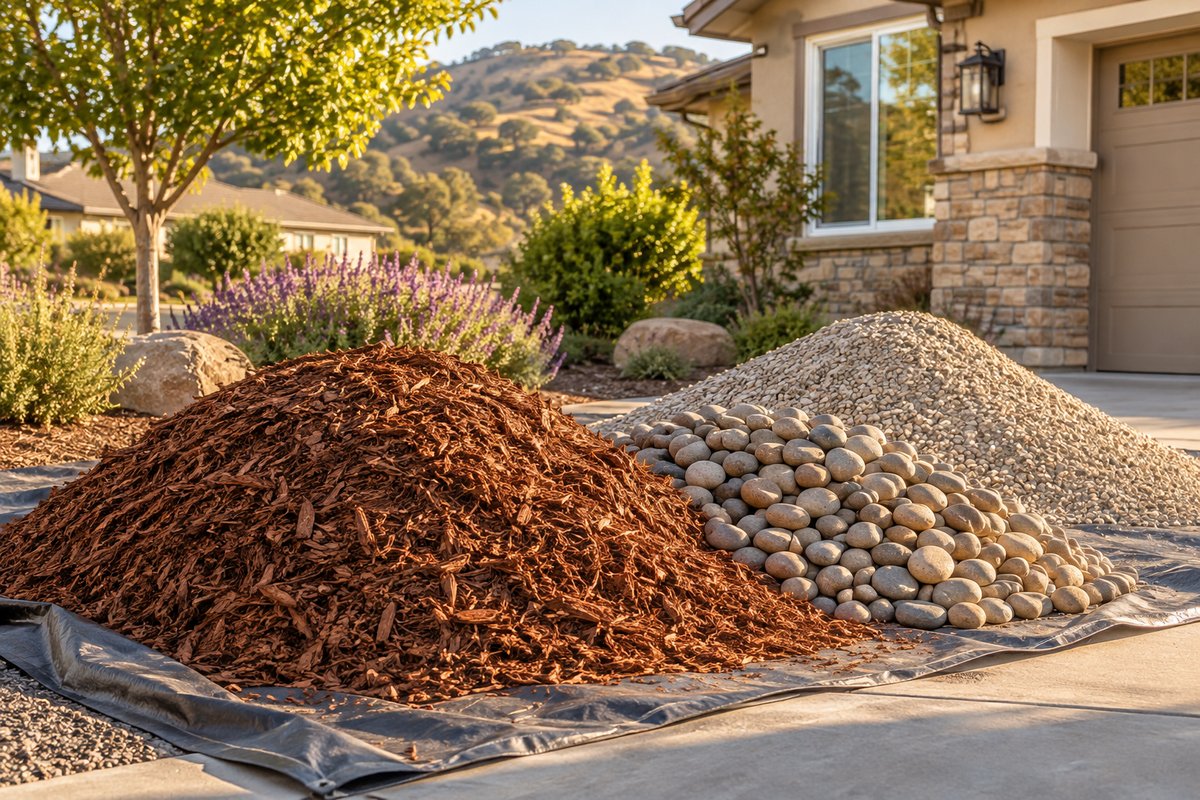
    When planning a delivery, identify where loads can be safely placed: driveways, side yards, or directly in the space where work happens. Before delivery, protect concrete or paved surfaces with plywood or tarps to prevent staining or surface damage from heavy rock or soil. Always communicate property access or slope limitations in advance for safe and efficient drop-off.

    This preparation helps keep materials contained, tidy, and easy to move when your weekend project—or your trusted contractor—gets started.

    Working With Licensed, Bonded, and Insured Contractors

    Even the best materials need expert installation, especially for complex builds or where steep slopes, drainage, or retaining structures are involved. California Hardscapes is led by Marty, who has worked in concrete and construction since age 17 and connects Auburn homeowners with experienced, licensed, bonded, and insured contractors for premium installation. These professionals understand the unique demands of local soils, hillside layouts, and city or HOA standards.

    For structural elements like paver patios, walls, or larger retaining structures, consult with these contractors about permitting, engineering, and site preparation needs. Auburn’s requirements can vary, so verify specifics with the city’s permit office before work begins. This partnership means materials are installed for lasting performance—and your project stays on track.

    From start to finish, using the right materials, with proper preparation, and licensed contractors helps protect your Auburn investment for years to come.

    FAQ: Planning Landscape Delivery and Outdoor Upgrades

    How do I know if I need a permit for my landscape project?

    Structures like retaining walls over a specified height, patios, and new decks typically require permits in Auburn. For details on current permit thresholds and to start an application, visit the city’s permits page. Check with your HOA if you live in a managed community.

    How much mulch or decorative gravel should I order?

    Calculate the square footage of each area, then multiply by the required depth (typically 2–3 inches for mulch or decorative gravel). Materials are usually sold by cubic yard; consult with California Hardscapes for help estimating quantities specific to Auburn project needs.

    Can I schedule delivery around Auburn events or bad weather?

    Yes. Before placing an order, review the local events calendar and check the Auburn weather forecast. This lets you choose the best window for delivery and installation, avoiding delays or road closures.

    Ready to start your Auburn landscape project? Call or text to order and get expert advice on materials, calculation, and local delivery—delivered right where you need them, the right way.

    Auburn, CA: see the full guide to auburn, ca, or browse every hardscape & landscape materials option.
    Your project

    Planning a project in Auburn, CA?

    Call or text 916-741-0633, or email sales@californiahardscapes.com with your address, a short description and a few photos, and we will arrange a consultation.

  • Practical Planning Guide for Carmichael, CA: Landscape Materials Delivery

    Practical Planning Guide for Carmichael, CA: Landscape Materials Delivery

    Planning a Landscape Project in Carmichael: First Steps

    Preparing for a successful landscape or hardscape project in Carmichael, CA begins with careful planning. Homeowners often start with an idea—a fresh layer of mulch, a winding gravel path, or a new patio with pavers. The first step is clarifying the project’s scope and understanding which materials fit the region best. In Carmichael, considerations like soil composition, slope, sun exposure, and the local climate play crucial roles.

    Begin by listing the materials you’ll need. Options range from bark and mulch for garden beds to decorative gravel, river rock, and landscape boulders for more dramatic features. Assess your property’s sunlight, traffic patterns, and where water drains or collects. Choosing the right bulk material for each area helps with beauty, longevity, and maintenance.

    Another initial consideration is your HOA or neighborhood association regulations. Some may set rules on visible landscape features, rock or mulch color, retaining wall placement, or hardscape structures. Taking time to gather HOA guidelines can prevent mid-project headaches—most associations require photos, material samples, or brief descriptions for approval before you begin work.

    Permits, HOA Approvals & Local Guidelines

    Carmichael homes fall under Sacramento County’s building regulations, which may require permits for retaining walls, patios, or hardscape elements taller than certain heights. While not all projects need a permit, changes that alter grading, drainage, or structures typically do. Check with the Building Permits & Inspection Division to confirm requirements for your plan, especially for permanent or structural installations like walls and large patios.

    HOA approval is a separate step. Submit plans or photos of your intended materials and designs—many associations review color, texture, size, and placement for visual consistency. Getting these approvals up front reduces risk of being asked to remove or redo work later on.

    If your project involves installing lighting, irrigation, or other powered elements, be sure to consult both county building guidelines and HOA policies. Plans for larger outdoor living spaces may require additional review, so it’s wise to gather all this information as early as possible in your planning process.

    Call Before You Dig: Protecting Utilities and Safety

    Landscape and hardscape projects frequently involve digging—whether to prepare for topsoil delivery, install pavers, or lay down boulders. Before any shovels touch the ground, homeowners should always contact 811 to have underground utilities marked. Power, gas, water, sewer, and telecom lines can cross residential yards in unexpected places, even those with previous landscaping.

    The utility marking process is free and typically takes a few business days. Markings help avoid dangerous—and expensive—accidents that could disrupt service or damage property. In some cases, your HOA may also have requirements about safe excavation, so check for both county and association rules. Plan material drop-off locations away from marked utility lines, and advise any licensed, bonded, and insured contractors working on your project to respect the color-coded marks.

    When scheduling delivery with California Hardscapes, let them know about any special site restrictions, narrow driveways, or areas that are off-limits for trucks. Proactive communication helps make your landscape materials delivery smooth and safe for everyone involved.

    Understanding Local Soils, Slope, and Drainage

    Carmichael’s soils are a mix of loam, clay, and sandy patches. This variety impacts which hardscape and landscape materials will perform best. For areas that stay soggy in winter, opt for base rock and drain rock to support drainage. For slopes or erosion-prone areas, consider decomposed granite paths or mulch coverage to hold soil in place.

    Before scheduling landscape materials delivery, check site elevations by walking the yard after rain. Puddles or runoff can reveal where additional grading or material layers are needed. It’s often beneficial to spread topsoil and soil amendments where plants will grow, and use larger materials like boulders or cobble for accenting slopes and stabilizing problem zones.

    Make sure you protect existing pavements during delivery. Boards or plywood can shield driveways for heavy loads, particularly with bulk shipments of boulders, pavers, or wall block. Discuss safe drop zones and potential lawn impacts with your landscape materials provider prior to the delivery date.

    Material Selection: Matching Products to Carmichael’s Climate

    Carmichael’s Mediterranean climate brings hot summers and cool, rainy winters. Material choices should balance aesthetics, water conservation, durability, and regional fire safety. For beds and borders, mulch and bark help retain moisture, suppress weeds, and insulate plant roots. Choose fire-wise materials—gravel, cobble, or decomposed granite—in areas close to structures or fences.

    For walking paths or patio bases, hardscape sand, pavers (see available options), and base rock deliver stability and good drainage. Decorative gravel, river cobble, and landscape boulders create natural-looking dry creek beds or accent features that stand up to seasonal rain and do not float or degrade over time.

    Make plant and material choices with future maintenance in mind. Drought-tolerant mulches and hardscapes can reduce ongoing watering and labor, which is especially helpful throughout Carmichael’s long summer dry spells. For additional guidance, check local long-range rainfall and temperature trends using the National Weather Service Sacramento forecast.

    Project Timing: Avoiding Weather Surprises

    Timing your landscape materials delivery can affect project quality and ease. Late spring and early fall are often ideal for yard work in Carmichael, offering mild temperatures and predictable weather. Summer projects need strategies for midday heat—early morning starts and shade are essential, especially when working with dark-colored mulch or heavy materials. In winter or early spring, wet soil and frequent rain can complicate grading, compaction, or material spreading.

    Before setting your delivery date, check the weekly and long-range weather forecasts via the National Weather Service. Avoid delivery during events like heavy rain or major regional happenings when roads may be closed or congested. Planning ahead allows for extra drying or curing time for pavers, flagstone, or decomposed granite—preventing rutting or shifting.

    Keep local events in mind using the Sacramento events calendar, especially if deliveries might interact with parades, races, or neighborhood block parties. When possible, schedule bulk materials drop-off so you have enough time to spread, shape, or install them before the next rain or heatwave.

    Quantities and Coverage: How Much to Order?

    Ordering the right quantity of material is critical for efficiency and cost-effectiveness. Materials like mulch, decomposed granite, and gravel are measured in cubic yards. One cubic yard covers about 100 square feet at 3 inches deep—a standard guideline, though coverage can vary by material weight and compaction.

    Begin by measuring your project area’s length and width, then multiply to find the square footage. Decide on the desired material depth and use a calculator or consult with the supplier for conversion to cubic yards. California Hardscapes helps homeowners estimate quantities for topsoil delivery, mulch, gravel, and all available products.

    Also determine where your material will be dropped. Clear a space on the driveway or curbside where a load will not block walkways, street traffic, or neighbor access. Lay down a tarp or boards to protect underlying surfaces. Sharing site-specific information, measurements, and requested quantities with your supplier ensures your bulk landscape materials arrive as planned.

    Local Resources: Where to Learn More

    FAQ: Landscape Materials Delivery in Carmichael

    What should I do before scheduling a bulk landscape delivery?

    Review your project needs, confirm HOA and permit requirements with the resources above, and have 811 mark all underground utilities. Measure the delivery drop site and ensure there are no blockages or hazards for material drop-off.

    Can materials be delivered if my driveway is sloped or narrow?

    Yes, but provide advance notice about site conditions when ordering. California Hardscapes arranges for suitable drop-off methods, and it’s a good idea to lay down boards or tarps for protection. For very limited access, discuss curbside alternatives.

    Which materials are recommended for Carmichael’s summer heat and winter rain?

    For harsh summer sun, mulch and bark help conserve water around plants. Durable options like decorative rock, decomposed granite, or boulders are well-suited for areas that see winter runoff or pooling, since they resist erosion and minimize maintenance.

    Ready to start your Carmichael landscape project? Call or text to order bulk landscape materials or get help selecting the right products for your yard’s soil, slopes, and seasons.

    Carmichael, CA: see the full guide to carmichael, ca, or browse every hardscape & landscape materials option.
    Your project

    Planning a project in Carmichael, CA?

    Call or text 916-741-0633, or email sales@californiahardscapes.com with your address, a short description and a few photos, and we will arrange a consultation.

  • A Practical Guide to Planning Landscape Materials Delivery in Newcastle, CA

    A Practical Guide to Planning Landscape Materials Delivery in Newcastle, CA

    Getting Started: Planning Your Newcastle Landscape Project

    For homeowners in Newcastle, CA, successful landscape projects start with a clear plan and practical knowledge. From paving a patio with pavers to spreading bark or mulch in garden beds, having the right landscape materials delivered is only one step of the process. Local conditions such as rolling slopes, clay-heavy soils, and a Mediterranean climate all impact material choice and preparation. Whether you’re taking on a weekend transformation with bulk hardscape and landscape materials or scheduling a full landscape installation, understanding Newcastle’s terrain is key to ensuring long-term results.

    California Hardscapes, led by Marty—who brings more than three decades of concrete and construction experience—delivers bulk materials and helps homeowners, landscapers, and contractors estimate quantities for their projects. With every project built by licensed, bonded, and insured contractors, you can focus on the planning steps that matter most for your yard.

    This guide covers the essentials: permitting and HOA awareness, soil and slope preparation, how to plan around Newcastle’s hot summers and rainy winters, marking underground utilities before digging, and timing your delivery for best success. Each section highlights the materials best suited for Newcastle yards and where to find more resources for a smooth project.

    Permits, HOAs, and Project Approvals in Newcastle, CA

    Before breaking ground, Newcastle homeowners should check if permits or Homeowners Association (HOA) approvals are needed for their planned work. For example, installing new hardscape features with pavers, retaining walls, or grading changes often requires municipal review to ensure drainage and structural safety. Each neighborhood, especially those with HOAs, may have specific design guidelines for materials, colors, or fence heights.

    Consider calling your local permitting office or HOA before ordering materials. Provide them your plans and descriptions for clarity. It’s important to note that California Hardscapes does not handle permits, engineering, or HOA submittals, so these steps must be managed by the property owner or, in some cases, the installation contractor. Requirements for things like fence lines, fire risk mitigation, and structural loads can be project-dependent, so reach out to the appropriate office for the details relevant to your home.

    Most hardscape and landscape materials, such as decorative gravel and rock, bark and mulch, or landscape boulders, are open for use in standard yard projects, but check before placing permanent structures, pouring slabs, or installing retaining walls.

    Call Before You Dig: Protect Utilities and Plan Delivery

    Any Newcastle landscape project involving digging, trenching, or grading requires identifying buried utilities. Before a load of base rock or topsoil arrives, call 811 to have underground power, water, gas, and communication lines marked. This is not only required by law but is essential for safety and to prevent expensive repairs or service outages.

    Utility marking is typically completed within a few business days of your request. Clearly outline the project boundaries, especially if you plan to have bulk landscape or hardscape material delivered to your driveway, curb, or construction site. Knowing utility locations also helps the delivery driver determine safe drop points for heavy loads and reduces risks during excavation or installation.

    Proactively marking utilities also helps with estimating material coverage, as trenches for irrigation, dry creek beds with river rock, or areas set aside for boulders require specific amounts of material and safe access for landscaping equipment.

    Understanding Newcastle Soils, Slopes, and Drainage

    Newcastle soils range from clay-rich valley floors to rockier hill slopes. Assess your soil composition and natural grade to choose the right landscape materials and prevent future problems. For garden beds and lawns, bulk topsoil and soil amendments can boost fertility and promote healthy plant growth, especially in areas with compacted native clay.

    Grade and slope management is crucial, as runoff from winter storms can cause erosion or pooling without proper drainage. Installing decomposed granite for paths, or drain rock beneath patios, helps stabilize high-traffic areas and guides water away from structures. Mulch and bark also provide a protective layer on slopes and garden beds, reducing soil loss and weed growth throughout the wet season.

    For larger slopes or decorative accents, consider the use of landscape boulders or stacked material to act as informal terraces or anchor points. Every landscape is unique, so walk your yard, make note of high and low spots, and plan material quantities with local drainage patterns in mind.

    Planning for Newcastle’s Summer Heat and Winter Rain

    With Newcastle’s climate—hot, dry summers and cool, wet winters—selecting fire-wise and weather-resistant landscape materials is a smart investment. Mulches made from wood chips or bark provide moisture retention for garden beds and offer some weed suppression, but avoid piling flammable material close to structures or wooden fences.

    During summer, decorative gravel and rock help reduce evaporation from the soil, stabilizing exposed areas and adding visual interest. For patios, pathways, or pool decks, hardscape materials like pavers and decomposed granite provide durable surfaces that minimize mud and dust. They’re less likely to shift or compact with Newcastle’s seasonal fluctuations than lighter organic material.

    In winter when rainfall can be heavy, use drain rock under patios and low spots, and river rock in swales or dry stream beds to prevent erosion. Before scheduling deliveries and installs, check the National Weather Service Forecast to avoid placing materials just before a storm or in extreme heat, which can complicate installation.

    Estimating Quantities: How Much to Order and Where to Drop Materials

    Calculating the right amount of landscape materials to order saves time and money on your project. Measure the square footage of each area, then check the depth recommended for your chosen material. For example, mulch and bark are often spread 2–3 inches deep for effective weed suppression, while gravel or decomposed granite for walkways may require a compacted base 3–4 inches thick.

    Material calculators can help, but experienced suppliers like California Hardscapes can also assist with estimating cubic yards for your project size. Bulk delivery is convenient, but always plan for a suitable location for the load drop. Concrete driveways should be protected with plywood or tarps, especially if receiving boulders, gravel, or large amounts of sand. On sloped terrain, choose a flat and accessible area away from overhanging trees or steep edges.

    Consider arranging the delivery schedule to allow time for spreading, compacting, or installing the material. For large projects or parcels, stage materials close to the work zone but safely out of the way of foot and vehicle traffic.

    Fire-Wise Choices and Environmentally Friendly Materials

    Fire safety is an ongoing priority for Newcastle homeowners, particularly those near open space or rural zones. Choose landscape materials like decorative gravel and rock, decomposed granite, or landscape boulders in defensible zones closest to the house.

    Bark and mulch are best used away from structures, and always keep a buffer of at least five feet between flammable material and foundations, decks, or wooden fences. If you need shade or coverage for open stretches, pair organic mulch with non-flammable hardscape elements to break up fuel continuity across your property.

    When you’re updating planting areas, consider using well-composted topsoil and soil amendments that improve water infiltration and promote a healthy root system, which reduces fire risk over time.

    Best Timing for Projects: Newcastle’s Weather and Scheduling Tips

    Seasonal timing makes a big difference in project success and materials handling. The ideal windows for landscape materials delivery in Newcastle are late winter through spring and then again in early fall. Cooler temperatures and moist soil conditions make spreading mulch or compacting DG more manageable, while avoiding the hottest summer weeks protects workers and materials alike.

    For hardscape installations such as patios or retaining walls, plan to pour or set materials when rain is not in the immediate forecast. Use the National Weather Service Forecast to track upcoming weather patterns and look for dry stretches that give you enough time for installation and curing.

    If you’re transforming a large yard or scheduling multiple deliveries, stagger orders so each phase is ready to go as soon as the previous work is complete. Always confirm availability and lead time for specialty products like large landscape boulders or custom mixed soil amendments.

    FAQ: Newcastle Landscape Materials Delivery

    What materials are recommended for Newcastle’s slopes and drainage?

    For sloped yards, bark and mulch help control erosion, while decomposed granite and drain rock provide stability and promote water movement away from foundations.

    Can materials be delivered to any area of my property?

    Bulk landscape materials can typically be dropped in driveways or easily accessible areas. For safety, prepare a flat, stable surface and consider use of plywood on delicate pavements. Restricted yards or challenging slopes may require special planning for access and placement.

    When is the best time of year to start a landscape project in Newcastle?

    Early spring or fall are the top seasons for bulk materials delivery and installation thanks to mild weather, lower risk of extreme heat or rain, and favorable soil conditions for spreading, compacting, or planting.

    Summary: Ready to Schedule Your Newcastle Delivery?

    With careful planning—from checking permits and marking utilities to assessing Newcastle’s unique soils and weather—you can set your landscape project up for lasting results. Select materials that suit your property’s slopes, soil, drainage, and fire risk, and estimate quantities to avoid waste or delays. If you’re ready to start your next backyard upgrade or full-scale landscape makeover, Call or text to order and get expert help choosing the right material and coverage for your Newcastle property.

    Newcastle, CA: see the full guide to newcastle, ca, or browse every hardscape & landscape materials option.
    Your project

    Planning a project in Newcastle, CA?

    Call or text 916-741-0633, or email sales@californiahardscapes.com with your address, a short description and a few photos, and we will arrange a consultation.
  • A Homeowner’s Practical Guide: Planning Your Landscape Materials Project in Lincoln, CA

    A Homeowner’s Practical Guide: Planning Your Landscape Materials Project in Lincoln, CA

    Getting Started: Permits and HOA Approval

    Before you order landscape materials or break ground, start by checking if your planned project in Lincoln, CA requires city permits or HOA approval. Many neighborhoods have specific guidelines for fencing, retaining walls, and even certain hardscape materials. It’s best to review your HOA’s rules or contact city departments early—the City of Lincoln Special Events calendar is a good place to check for city-sponsored events that might affect processing times or inspections. While California Hardscapes delivers bulk materials efficiently, securing any required permissions will ensure that your landscaping project proceeds without interruption.

    Typical projects that may need approval include installing patios, garden walls, or major changes to drainage. Unsure if your update qualifies? Check with the Lincoln city office or your HOA for guidance. Every development within Lincoln might have unique considerations, especially if you plan to use visible materials like decorative rock, wall block, or boulders.

    Engineering or inspection may be required for larger structures or substantial ground alterations. California Hardscapes connects homeowners with licensed, bonded, and insured contractors, but always check regulations early to avoid costly surprises or do-overs. Plan well, and you’ll have a project that meets all neighborhood and city guidelines.

    Always Call Before You Dig: Protecting Your Utilities

    Once you’re ready to prep your site, safety should come first. Whenever excavation, trenching or even deep planting is involved, contact 811 to locate underground utilities. This is a crucial step before any landscape materials delivery, especially if you’re planning to use base or drain rock for drainage improvements or decomposed granite for pathways, both of which may require digging down several inches.

    Lincoln’s residential developments can have a tangle of buried power lines, sewer, water, and irrigation. Accidentally hitting one causes hazards, costly delays, or utility outages. Always allow several business days for markings, and leave utility lines clearly visible for any contractors arriving with materials or equipment. This simple step protects your property and neighborhood infrastructure.

    For added safety, make sure anyone on site—including delivery drivers—is aware of marked areas before any material is dropped. This avoids complications and ensures your landscape project can move forward on schedule and without incident.

    Planning for Lincoln’s Soils, Slope, and Drainage

    Soil type and topography are among the biggest factors in planning a successful home landscape. Lincoln features clay-dominant soils in many neighborhoods, which may affect drainage and what types of landscape materials are best. For planting beds, ordering topsoil and soil amendments helps improve structure for new plantings. Amended beds also retain moisture better, a key advantage during summer heat.

    For sloped yards or steep embankments, erosion control is essential. Mulch and bark slow water runoff on hillsides while decorative gravel or river rock can bolster dry creek beds for channeling water. If installing retaining walls, verify any height restrictions with local authorities and consult with contractors who understand local soils and drainage challenges.

    For patios and pathways, decomposed granite and decorative gravel offer stable, permeable surfaces. Proper installation over base rock provides support and assists drainage, minimizing puddling and foundation movement. Assess your site before ordering to estimate correct quantities and plan for material staging close to where it will be used.

    Materials to Suit Lincoln’s Climate: Summer Heat and Winter Rain

    Lincoln’s climate demands careful material selection. Summers bring long stretches of intense heat, which can dry out unprotected soils and stress plants. Opting for bark or mulch as a top layer conserves soil moisture and protects roots from extreme temperatures. California Hardscapes delivers bulk mulch and bark varieties suitable for both garden beds and play areas.

    During wet winters, effective drainage is vital. Drain rock and river cobble channel water away from foundations, while permeable patios made with decomposed granite, gravel, or appropriately installed hardscape pavers help prevent water accumulation. Adjusting material quantities and types each season can help ensure ongoing landscape success, even in unpredictable weather.

    To schedule your project for optimal weather windows, check the latest National Weather Service forecast for Lincoln. Planning ahead helps you avoid the hottest afternoons or stormy weekends, making material deliveries and installations smooth and efficient.

    Estimating Quantities: How Much Material Do You Need?

    Calculating the right amount of landscape material saves both time and money. Each type of material—whether boulders, mulch, gravel, or topsoil—covers a different area per cubic yard, depending on intended depth. California Hardscapes helps customers estimate coverage for each job or feature, ensuring you order the right quantity for your needs.

    As a rule of thumb, 1 cubic yard covers roughly 100 square feet at a depth of 3 inches for mulch, bark, or gravel. For soil or amendments in raised beds, calculate by total volume needed (length × width × depth in feet, divided by 27 for cubic yards). Decorative rock or cobble for accent features or dry creek beds may require a different coverage rate—consult the Hardscape & Landscape Materials page for tips or reach out for help with your order.

    Ordering a bit extra is wise for slope or uneven terrain but avoid excess that creates storage or disposal headaches. Discuss your project details with material specialists, especially if a blend of several types will be delivered to your Lincoln property on the same day.

    Site Access, Staging, and Protecting Your Driveway

    Planning for delivery day is just as important as choosing materials. Lincoln’s wide variety of property layouts, including gated communities or homes with narrow access, means every site presents different challenges. Consider the best drop location for bulk loads: a flat, accessible driveway or staging area is ideal, and ensure all delivery routes are free from vehicles, low branches, or obstacles.

    Protecting surfaces is simple but important. Placing plywood sheets under dumped material helps shield concrete or paver driveways from scratches or staining, especially with colored rock, base, or sand. Note that certain materials like base rock or decomposed granite may be heavier than expected, so plan for shoveling access when space is tight.

    For projects spanning several days, stage materials safely away from vehicle routes and secure any loose product with tarps to prevent windborne debris. Let delivery specialists know any access restrictions or preferences ahead of time, so your landscape materials delivery goes off without a hitch.

    Timing Your Lincoln Landscape Project

    Scheduling your landscape materials delivery for the right day is a balance of weather, site readiness, and neighborhood activities. Check the Downtown Lincoln Association events calendar to avoid clashing with local parades or street closures that might restrict truck access to your home.

    Weather plays a critical role: consult the latest Lincoln weather forecast to avoid rain delays or extreme heat that could complicate material installation. Aim to have materials delivered early morning for more flexibility, especially during summer when afternoons can be uncomfortably hot.

    Coordinate contractor schedules and have your site ready—marked utilities, cleared staging areas, and all permits or HOA approval in hand. Proper planning ensures your delivery aligns with your project’s construction timeline, minimizing storage time and maximizing efficiency.

    FAQ: Lincoln Landscape Materials Delivery

    How do I choose the right landscape material for my yard?

    Start by considering your site’s soil, drainage needs, terrain, and intended use. Visit the Hardscape & Landscape Materials page to explore options, or reach out for help selecting the right bark, mulch, gravel, or stone.

    Where will my bulk material be delivered?

    Delivery locations usually include driveways, paved parking areas, or the nearest accessible spot on your property. Discuss any access challenges with the delivery coordinator, and prepare your chosen drop area by clearing obstructions or placing protective plywood.

    Can materials be delivered if weather or local events cause access problems?

    California Hardscapes works with customers to schedule deliveries conveniently, but weather and city events can temporarily affect access. Monitor the Lincoln Special Events calendar and weather forecast to help select the best delivery window.

    Order Bulk Landscape Materials: Start Your Lincoln Project Right

    Whether you’re planning a backyard refresh, a front yard hardscape installation, or a fully fire-wise design, smart planning makes all the difference. From permits to project timing, considering every local detail ensures your bulk landscape and hardscape materials delivery supports a lasting transformation. To discuss your ideas or place an order, Call or text to order.

    Lincoln, CA: see the full guide to lincoln, ca, or browse every hardscape & landscape materials option.
    Your project

    Planning a project in Lincoln, CA?

    Call or text 916-741-0633, or email sales@californiahardscapes.com with your address, a short description and a few photos, and we will arrange a consultation.
  • Planning Your Hardscape Project: A Homeowner’s Guide for Rancho Cordova

    Planning Your Hardscape Project: A Homeowner’s Guide for Rancho Cordova

    Start with Local Permits and HOA Approval

    Before any landscaping or hardscaping work begins in Rancho Cordova, checking local regulations is a must. Many projects—like installing pavers, walls, or significant landscaping changes—require city permits or approval from a homeowners’ association (HOA). Rancho Cordova’s zoning or planning requirements, as well as HOA architectural guidelines, typically aim to maintain consistency and safety in neighborhoods. Always verify the need for permits or submittals by contacting the appropriate city office or your HOA for project-specific details.

    Homeowners and contractors should gather essential information, such as property boundaries and proposed layouts, before applying for permits. HOA approval processes often include submittal forms and a review timeline, which can impact your scheduling. For questions about city events or permit requirements that might affect your project’s access, the Rancho Cordova Events Calendar is a helpful tool for planning around local happenings.

    No landscaping supplier can secure permits or guarantee approvals, so allow adequate time for local review processes, especially if your project includes structures like walls, patios, or extensive hardscape features. This initial planning step helps prevent delays and ensures your project complies with local codes.

    Call Before You Dig: Utility Marking and Safety

    Well before ordering landscape materials or scheduling delivery, always call 811 to request utility locating for your property. Digging without proper marking risks damage to gas, water, or electrical lines, which can lead to project delays or hazards. Utility locating services typically mark the ground with colored paint or flags, clarifying where it’s safe to dig or place materials such as landscape boulders or flagstone.

    Plan ahead, as utility marking may take several business days, especially during peak seasons. For projects involving trenching, irrigation, or drainage installations, request marking for the entire work zone, including areas where decomposed granite or base rock will be installed. Doing so helps prevent costly interruptions and keeps your yard and local infrastructure protected.

    Licensed, bonded, and insured contractors, such as those who partner with California Hardscapes, always factor utility marking into project schedules. It’s a critical step for both weekend gardeners and those planning a full landscape install.

    Choosing Materials That Match Local Conditions

    Rancho Cordova’s climate and soils dictate material choices for durable, low-maintenance landscapes. When considering hardscape and landscape materials delivery, look for options that perform well under local conditions. For ground cover and weed control, mulch and bark are popular for their moisture retention and insulation, especially during the city’s hot summers. Mulch also protects roots during dry spells and reduces irrigation needs.

    For decorative and structural elements, decorative rock, river rock and cobble, and landscape boulders offer durability and fire-wise landscaping advantages. They help combat soil erosion, protect slopes, and limit combustible plant material. Sloped or poor-draining yards can benefit from base and drain rock for stable footings and better water management.

    If you’re amending lawns or garden beds, topsoil and soil amendments adapt poor or compacted soils for successful plantings. The right material mix, expertly delivered, creates healthy foundations for everything from raised vegetable beds to decorative entrances.

    Soil, Slope, and Drainage: Site Assessment Matters

    Every yard in Rancho Cordova is unique, from valley flats to hillside slopes. Evaluating your property’s soil type and grade is key for a lasting project. Heavy clay soils common in the area need amendments for healthy gardens, while sloped yards require careful material selection to combat runoff and prevent washouts during winter rain.

    When considering deliveries of decomposed granite or drain rock, match material size and composition to site requirements. Heavier, interlocking materials can slow erosion on sloped gardens or paths. For level yards, mulch or bark is often sufficient to keep roots cool and suppress weeds, but it may shift in heavy rain if not contained.

    If drainage needs improvement, consider placing permeable materials in areas where water pools. Select products like landscape boulders, cobble, or drain rock to direct water away from structures. Reviewing the Sacramento County Forecast Briefing Page before breaking ground can help time grading, excavation, and soil delivery for optimal soil moisture and working conditions.

    Summer Heat and Winter Rain: Climate-Smart Planning

    Rancho Cordova experiences hot, dry summers and cool, wet winters. This climate impacts both the timing and type of landscaping materials used. For summer installations, plan to work in early mornings or late afternoons when temperatures are milder, and moisture in mulch, bark, or soil can be retained more easily. Deliveries of topsoil often precede planting, allowing for soil hydration before heat waves hit.

    Winter brings intermittent rain that affects ground moisture, soil workability, and access for delivery vehicles. Select materials—such as decomposed granite or boulders—that resist surface runoff and can be safely installed on damp soil. Check the local weather forecast before delivery to avoid heavy rain days and minimize soil compaction.

    It’s wise to schedule projects after major storms or dry spells, when underlying soils are less saturated. This keeps installations safer, foundations stable, and surfaces clean, especially for flagstone or paver work.

    Project Timing and Local Events

    Proper timing streamlines every step of a landscape project, from delivery to installation. In Rancho Cordova, weekends and holidays may see heightened activity or restricted access in some neighborhoods, especially if a city event is underway. If your delivery or construction coincides with a major local festival, street fair, or parade, site access for bulk materials could be limited.

    Plan ahead by referencing the Rancho Cordova Events Calendar for official city-sponsored activities. Avoid scheduling deliveries during days when roads or neighborhood access may be limited, as this can delay or complicate unloading.

    Busy months for home projects often run from late spring through early fall. During these times, coordinate deliveries of bark, gravel, topsoil, or heavy materials well in advance to ensure your project stays on track.

    Estimating Quantities and Protecting Your Property

    Ordering the proper amount of material helps prevent waste and keeps costs within budget. Bulk landscaping products like bark, decorative gravel, river rock, base rock, or soil amendments are measured in cubic yards. For consistent coverage, calculate depth and area needed. A general rule: one cubic yard covers about 100 square feet at a depth of three inches, but coverage varies by product size and type.

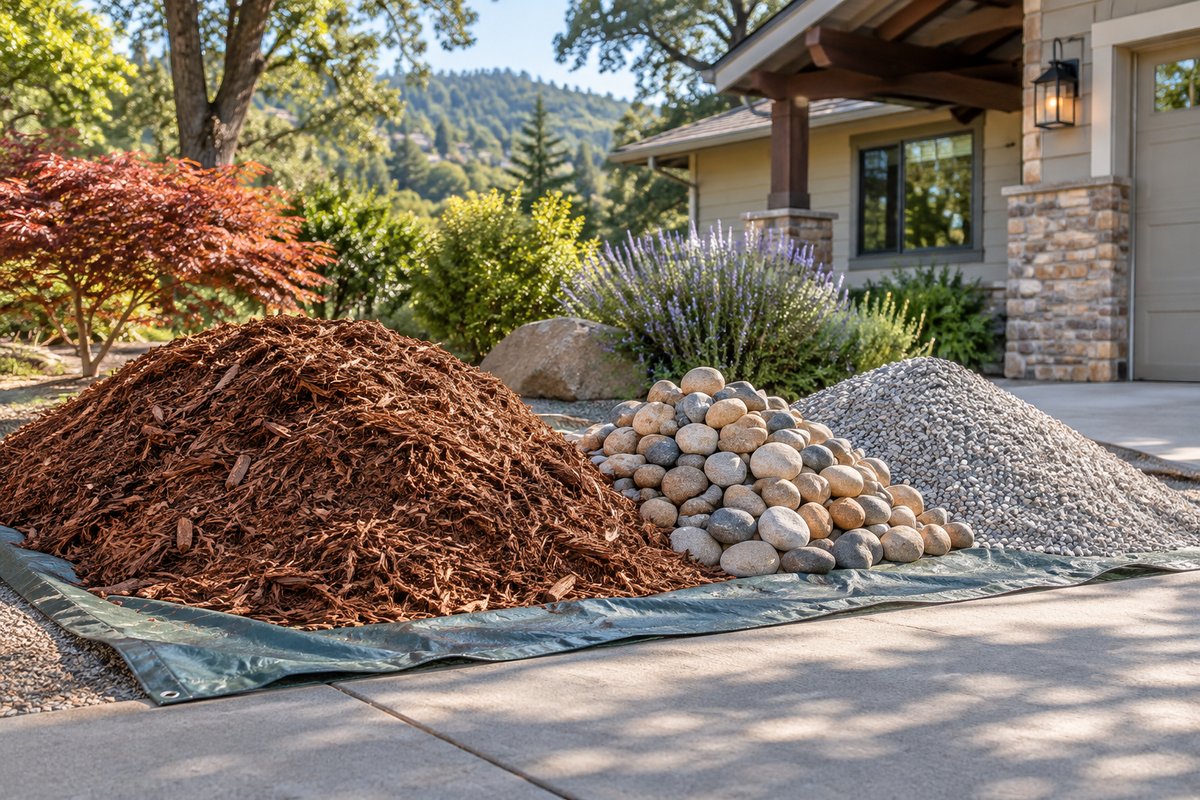
    Consider the drop location for your delivery. Hardscapes and soils are commonly dropped on the driveway or in accessible sections of your yard. To protect concrete or pavers, place a plywood sheet or landscape fabric under heavy loads, especially for landscape boulders or river cobble. Confirm access and safe drop zones with your contractor or supplier before the truck arrives.

    If you’re unsure how much to order, California Hardscapes helps customers select the right material and estimate quantities for delivery to homes and job sites across the city.

    FAQ: Planning Hardscape and Landscape Materials Delivery

    What landscape materials are best for fire-wise landscaping in Rancho Cordova?

    Fire-wise landscapes in Rancho Cordova benefit from non-combustible materials such as decorative gravel, river rock, and boulders. These options reduce plant fuel near buildings, improve property protection, and complement regional climate conditions.

    How does soil type impact material choice for gardens and lawns?

    Local soils in Rancho Cordova range from clay-heavy to sandy. Amending your soil with topsoil or compost improves drainage and plant growth. Soil testing can identify needs before adding mulch, bark, or rock, and California Hardscapes can recommend suitable amendments.

    Is it necessary to change materials or schedules based on the weather forecast?

    Yes, checking the latest Sacramento County forecast is smart. Schedule deliveries during dry weather, and select heavier materials for rainy periods to prevent shifting or runoff.

    Ready to start your landscaping or hardscaping project? Call or text to order from California Hardscapes and get expert help choosing the right bark, mulch, rock, decomposed granite, soil, or pavers for your Rancho Cordova yard.

    Rancho Cordova, CA: see the full guide to rancho cordova, ca, or browse every hardscape & landscape materials option.
    Your project

    Planning a project in Rancho Cordova, CA?

    Call or text 916-741-0633, or email sales@californiahardscapes.com with your address, a short description and a few photos, and we will arrange a consultation.
  • Planning Your Landscape Materials Project in Fair Oaks: A Homeowner’s Guide

    Planning Your Landscape Materials Project in Fair Oaks: A Homeowner’s Guide

    Start With Project Planning: Materials, Quantities & Layouts

    Before ordering landscape materials for a Fair Oaks project, thoughtful planning makes every phase much smoother. Start by listing your goals and measuring each project area, whether it’s a new garden bed, patio or pathway. Knowing your square footage helps determine how much bark, mulch, decorative rock, decomposed granite, or pavers you need. Most landscape materials like mulch and bark, decorative gravel, or decomposed granite are sold by the cubic yard, so calculate depth and area for an accurate estimate.

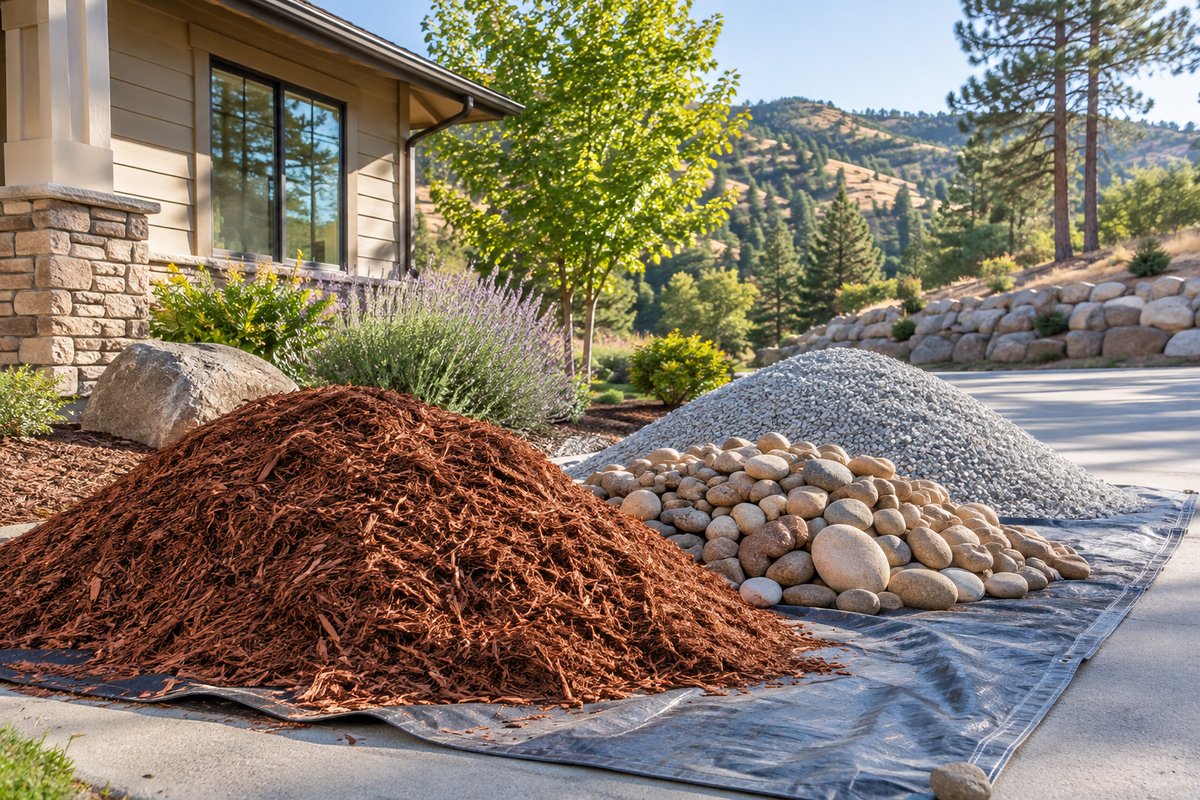
    Take inventory of site accessibility. Consider gate widths, trees, or slopes that may affect bulk delivery. Plan where your load can be dropped to minimize handling—typically on the driveway or a solid surface that won’t be damaged by weight. To discuss the best spot for your project, review your property layout and let California Hardscapes know your site conditions when scheduling delivery.

    Deciding on material types up front also means you can make fire-wise choices for defensible space, drought-tolerant solutions, and choose products suitable for local climate demands. If you need help picking the right materials or determining quantities, the Hardscape & Landscape Materials resource page provides a robust overview.

    Permits, HOA Rules & Lighting Regulations

    For many backyard and front yard upgrades in Fair Oaks, permits or HOA approval might be necessary—especially for retaining walls, fences, or new hardscapes. Each neighborhood and homeowner association can have distinct guidelines about material choices, heights, and setbacks. Always confirm your project’s requirements with your HOA or county office before starting work to avoid setbacks later.

    Outdoor improvements sometimes require compliance with local lighting standards, particularly if your new design includes path or landscape lighting. The Sacramento County Land Use Regulation Library details outdoor lighting regulations to help with shielded fixtures and minimizing light spill, which is especially important for both neighborhood relations and code compliance.

    Permit rules and HOA submittals can vary greatly, so consult with the appropriate office before any material is delivered or project begins. California Hardscapes delivers bulk materials, but cannot apply for permits or approvals—so making these contacts early in your planning ensures a smooth project start.

    Call Before You Dig: 811 Utility Marking Essentials

    Before starting any digging or excavation for landscape boulders, drainage lines, or paver installations in Fair Oaks, always schedule a utility locate by dialing 811. Underground lines for electricity, gas, water, and communications often cross residential lots, and identifying their routes is essential for safety and code compliance. Markings are usually provided free and remain visible for several days, but always ask how long they remain valid for your intended schedule.

    This step protects workers, property, and helps avoid costly repairs or outages. Marked lines will guide where heavy materials—such as boulders or river rock—should be placed or avoided. Even a relatively shallow application of topsoil or base rock can disturb shallow pipes or wires.

    Be sure utility marking is complete and up to date before delivery is scheduled. This simple precaution helps everyone involved and keeps your landscape project on track from day one.

    Understanding Soil Types, Slope and Drainage in Fair Oaks

    Fair Oaks presents a mix of soil textures—from sandy loam to heavier clays—across its rolling terrain. Understanding your yard’s slope, drainage patterns, and native soil is key when selecting bulk landscape materials. Improving drainage on slopes or low areas might call for decomposed granite, drain rock, or carefully placed boulders to support lasting, erosion-resistant designs.

    For new lawns, flower beds, or vegetable plots, amending your soil with quality topsoil and soil amendments helps roots thrive in local conditions. Mulch or bark mulches enrich and insulate the root zone while reducing evaporation—a big plus on hillsides and sun-exposed areas.

    If your project involves redirecting runoff or flattening a sloped site, consult trusted resources or contractors familiar with Fair Oaks terrains. Proper material choice ensures that sheet flow and mudslides are minimized while promoting the healthy, sustainable growth you want.

    Planning for Summer Heat & Winter Rain in Fair Oaks

    Fair Oaks experiences hot, dry summers and cool, wet winters. Choosing materials that weather these extremes is crucial. During the hottest months, mulches and bark regulate soil temperature and retain moisture, while lighter-colored rocks reflect sun and keep planting beds cool. Winter brings heavy rain, making well-draining products like decorative gravel or river cobble ideal for pathways, borders, and dry riverbeds to handle runoff.

    Local planning isn’t just about climate—it’s also about timing. Use the National Weather Service Fair Oaks Forecast before scheduling work, especially during shoulder seasons when rainstorms and heat waves are unpredictable. Bulk deliveries may need to be rescheduled if conditions aren’t favorable for site access or material spreading.

    Fire safety is a priority in dry months. Stone, DG, and gravel products offer excellent fire-wise options in defensible space zones, while bark and mulch can be kept away from structures. Making seasonal choices with your materials helps your landscape not just survive, but thrive in every season.

    Coordinating Materials Delivery With Local Access and Event Schedules

    Scheduling delivery involves more than just picking a date. Local events or road closures can affect access to your Fair Oaks home, especially on busy weekends. Reference local calendars, such as the Fair Oaks Recreation & Park District – Community Calendar and the Fair Oaks Recreation & Arts Calendar, to avoid conflicts with festivals, races, or performances that could limit street parking or generate noise during your construction window.

    For early morning or weekend installations, check with neighbors and coordinate any necessary parking or street clearance. Advise your contractor or delivery provider about anticipated access limitations, and always provide clear directions for where material should be placed. Driveway protection in the form of plywood sheets or tarps may prevent stains or ruts from heavy loads of hardscape materials such as pavers or wall blocks.

    Advance planning overcomes many of the scheduling frustrations that can impact project momentum, ensuring your delivery and installation can move forward efficiently despite occasional community event disruptions.

    How to Estimate Coverage: Cubic Yards, Depth, and Spread

    Knowing how much to order is key to a cost-effective and successful landscape materials project. Most products are sold by the cubic yard. To calculate, multiply your area in square feet by the desired depth (in inches), divide by 12 to get cubic feet, then divide by 27 to determine cubic yards. For popular materials like mulch and bark, a 2-3 inch blanket is typically ideal, while base rock for pathways or patios often needs a 4-inch compacted layer.

    Differently-shaped spaces and sloped yards may require even more precise estimation or onsite adjustments. It’s typically smart to round up by 10-15% to allow for compaction or covering slope irregularities. When in doubt, discuss your measurements and install plans with delivery experts via the materials guide or your chosen contractor.

    Spreading bulk materials is simpler with ample access and the right tools. Plan for wheelbarrow and tarp use, especially if the drop site is a distance from the final destination, to minimize heavy lifting and extra labor on the day of delivery.

    FAQ: Fair Oaks Landscape Materials Delivery

    How do I choose the best material for my soil and slope?

    Match your yard’s conditions to the right product. Sandy soils benefit from organic-rich topsoil, while slopes often benefit from decomposed granite or heavier rock. Adding mulch holds moisture and stabilizes surface soils.

    Do I need a permit or HOA approval for landscape changes?

    Check with your local HOA and see the Sacramento County outdoor lighting and building guidelines for any required submittals, especially for major grading, walls, or lighting. Each project varies.

    What’s the best time of year for new landscape installations?

    Consider weather by using the Fair Oaks weather forecast. Late winter through spring or early fall are ideal when soil is workable and before peak summer heat or winter storms.

    Order Smart: Contact a Local Delivery Expert

    Getting landscape materials delivered for a Fair Oaks project is most successful with local knowledge, careful planning, and high-quality products matched to the area’s unique conditions. California Hardscapes is led by Marty, who brings decades of experience in concrete and construction, and connects clients with the right licensed, bonded, and insured contractors. For help picking materials or to schedule a delivery, Call or text to order.

    Fair Oaks, CA: see the full guide to fair oaks, ca, or browse every hardscape & landscape materials option.
    Your project

    Planning a project in Fair Oaks, CA?

    Call or text 916-741-0633, or email sales@californiahardscapes.com with your address, a short description and a few photos, and we will arrange a consultation.

  • A Penryn Homeowner’s Planning Guide for Landscape Material Delivery

    A Penryn Homeowner’s Planning Guide for Landscape Material Delivery

    Plan Ahead for Your Penryn Landscape Project

    Starting a landscape or hardscape project at your Penryn home means more than picking materials. Proper planning helps your project move smoothly from start to finish. From permits to project timing, several practical steps make all the difference. California Hardscapes delivers a range of landscape and hardscape materials right to your property, including mulch, bark, rock, soil, sand and pavers to match local landscaping needs. Here’s what to keep in mind at each stage of preparation.

    First, identify your project’s scope. Are you building garden beds, replacing turf with drought-resistant options, building paths, or installing retaining walls? Each project type may require different permits, materials, and contractor skill sets. Start an outline to keep track of decisions, materials, and steps.

    Be aware that Penryn’s sloped sites, heavy clay soils, hot summers, and winter rainstorms all affect the choice and placement of landscape materials. Taking local environment and regulations into account will save you time—and headaches—down the road.

    Permits, HOA Approval, and Planning Requirements

    Permits and Homeowner Association rules are often the first checkpoint. Simple mulch or bark top-ups typically need only HOA notification, if any, but retaining walls, patios, or structures may require multiple approvals. Always check with your HOA and the county’s building office before scheduling material delivery. Permit details change and can depend on location or scope—contact the office directly for latest requirements.

    Anticipate longer approval times during busy seasons or near regional events. Check community calendars such as the El Dorado Event Calendar and El Dorado County Visitor’s Authority Web Calendar when planning your project, especially if access may be affected by local road closures, festivals, or increased traffic.

    Remember that your contractor must be licensed, bonded and insured for work covered by code. California Hardscapes is led by Marty, who has over 30 years’ experience in concrete and construction, and works with licensed, bonded and insured contractors for all installations.

    Call Before You Dig: Protecting Utilities

    Before digging for a planting bed, path or wall foundation, always call 811 to have utilities marked. This step is essential for homeowner, contractor and neighborhood safety—and it’s required for any excavation deeper than a shovel. Even shallow digging for tree or shrub installation may encounter irrigation pipes, gas lines, or water mains.

    Schedule the utility mark-out a week before your expected work date to leave time for any questions or complications. Contractors are also required to request marking before breaking ground. Don’t assume previous digging or landscaping has already checked for buried lines; always double check.

    If you’ll be installing delivery drops—such as river rock, boulders, or base and drain rock—identify a safe, flat drop location that won’t block access or endanger marked utilities. Mark with paint or flags for the driver if needed.

    Soil, Slope, and Drainage: Local Site Considerations

    Penryn’s terrain is a challenging mix of gentle slopes, clay soils, and sudden hardpan. Soil structure matters when you choose materials. For vegetable or flower beds, opt for screened topsoil and soil amendments to support new growth. In clay-heavy areas, soil amendments improve drainage and root health. Talk with your contractor to identify what blends are best for your purpose and location.

    Sloped yards benefit from materials that retain soil—such as bark or mulch for moisture retention, decomposed granite for paths, or wall block and flagstone for terracing. Proper base layers like drain rock help control runoff around hardscape edges and drainage swales.

    Site assessment with a licensed contractor can clarify where to add boulders, slope-draining rock, or water-permeable path materials. Be sure that all installations divert water away from foundations, patios, and neighboring yards to prevent issues in winter.

    The Penryn Climate: Summer Heat and Winter Rain

    Penryn’s Mediterranean climate means summers are long and dry. Materials like bark and mulch do double duty by retaining moisture in soil, suppressing weeds, and regulating root zone temperatures. Choosing larger bark or denser mulch types helps extend performance through the harshest months.

    Winter brings soaking storms and the potential for localized flooding. Use decomposed granite, decorative rock or river cobble in swales, dry streams, and on the downhill side of beds to stabilize soil and allow water to percolate safely. Topdressing with organic mulch ahead of rain helps limit erosion and compaction.

    Be fire-wise when selecting mulch and planting beds close to structures. Consult your HOA or county for current defensible space guidelines before adding bark or wood chip products within five feet of the home.

    How Much to Order: Cubic Yards, Coverage, and Drop Locations

    Estimating the right amount of material keeps you on budget and on track. Most landscape supplies like mulch, gravel, decomposed granite, and topsoil are delivered in cubic yards. Measure your project area and decide on desired material depth to calculate what you need. A 10×20 foot bed, covered two inches deep, needs about 1.2 cubic yards.

    California Hardscapes helps you select the right product and estimate coverage based on your goals. Plan ahead by selecting a stable drop spot for bulk deliveries that’s accessible to trucks but clear of driveways, marked utilities, and valued trees or plantings.

    To prevent driveway damage, place plywood or boards under the dumped load, especially for heavier materials like boulders or base rock. Make sure there’s room for wheelbarrow access to move the material from drop to final installation site.

    Project Timing: Seasons, Scheduling, and Local Events

    Plan your order based on both your project’s needs and the local calendar. Summer projects should schedule material delivery early in the day to avoid midday heat and traffic. Winter projects may need weather flexibility—avoid scheduling gravel delivery or concrete work during forecasted rain.

    Busy periods, like spring and fall, often book up fast for both deliveries and contractor work. Major events and festivals in the region may create temporary road closures or heavy equipment restrictions. Monitor the El Dorado Event Calendar and El Dorado County Visitor’s Authority Web Calendar as part of your planning process.

    If your HOA restricts delivery hours, coordinate material drop-offs accordingly. Confirm material choices and measurements with your contractor well before your preferred delivery window to minimize rescheduling.

    Making Smart Choices: Which Material is Right for Your Yard?

    With varied terrain and microclimates across Penryn, choose materials tailored to your site’s shape and purpose. Mulch and bark work well under trees and for moisture-loving beds. Decorative gravel and river cobble create attractive, low-maintenance groundcovers in high-traffic areas or swales.

    Pathways and patios often use decomposed granite, pavers, or flagstone, set over base rock and drain rock for stability and drainage. For larger features, boulders and wall block add structure and act as focal points.

    If you’re uncertain about quantities or the material that suits your plantings or structures, California Hardscapes can assist with selection and accurate quantity calculations based on your measurements and project plans.

    FAQ: Penryn Landscape Material Delivery

    Do I need a permit for mulch or gravel delivery?

    Simple projects like spreading mulch, bark, or decorative gravel usually require no permit, but check with your HOA and county for larger installations or when changing drainage patterns. Always verify site-specific needs before ordering.

    What’s the best way to protect my driveway during delivery?

    Place heavy plywood or boards where materials will be dumped, especially for loads of rock, boulders, or base material. This spreads the weight and guards against scratches or cracks on concrete surfaces.

    How far in advance should I schedule my delivery?

    Contact your contractor and delivery service early, especially during spring and fall. Check local event calendars to avoid traffic delays or access challenges when booking your material delivery window.

    Ready to start your next project? Call or text to order bulk bark, mulch, rock, gravel, soil or more delivered in Penryn.

    Penryn, CA: see the full guide to penryn, ca, or browse every hardscape & landscape materials option.
    Your project

    Planning a project in Penryn, CA?

    Call or text 916-741-0633, or email sales@californiahardscapes.com with your address, a short description and a few photos, and we will arrange a consultation.