Category: Uncategorized

  • Comparing Custom Pool Options in Auburn: Why Build Quality Outweighs the Lowest Bid

    Comparing Custom Pool Options in Auburn: Why Build Quality Outweighs the Lowest Bid

    Understanding Auburn’s Unique Pool Building Needs

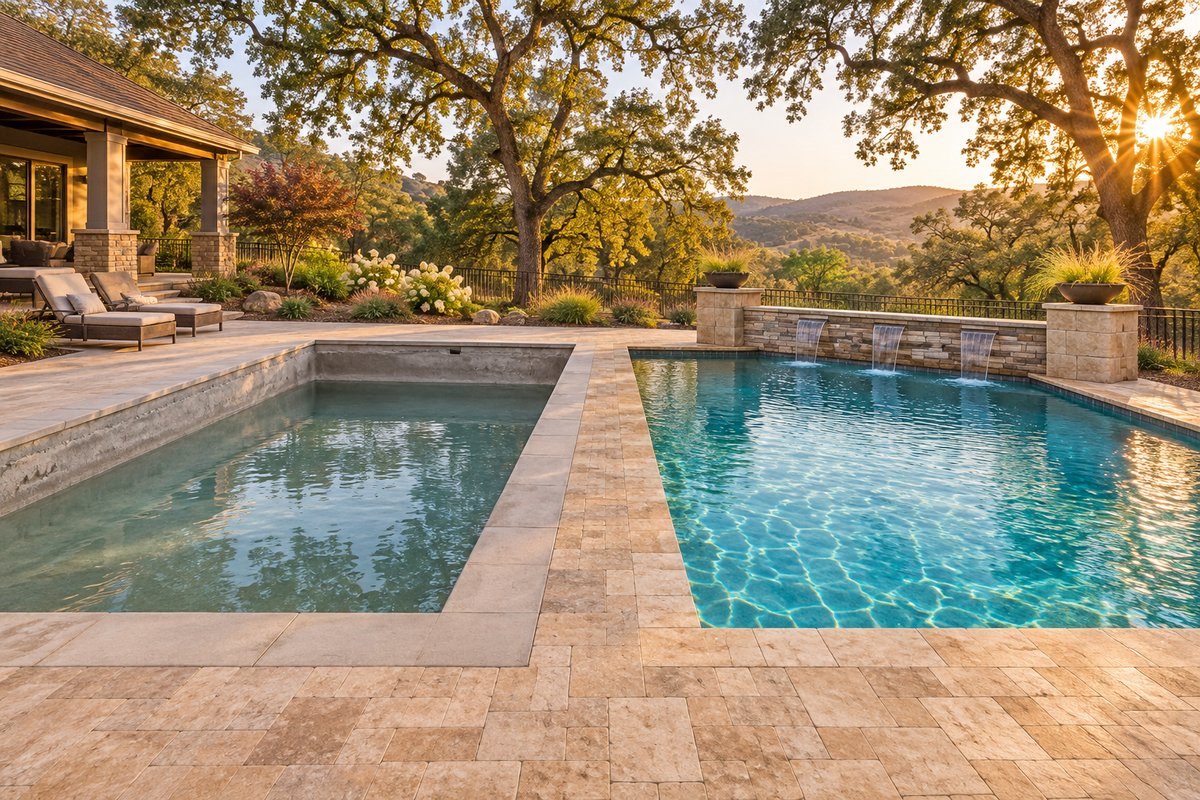
    Custom pools in Auburn are more than a backyard upgrade—they’re an investment in comfort, family time, and resilience against the area’s sweltering summers. With daytime highs often clearing 100°F, a thoughtfully designed pool keeps your outdoor space inviting all season. But Auburn’s landscape brings particular challenges. Lot slopes, a blend of clay and granite soils, and local weather patterns all factor into what makes for a lasting, beautiful pool. This means every option, from a classic gunite design to plunge pools for tighter yards, deserves careful comparison.

    Choosing a custom pool builder isn’t just about picking a pool shape. It’s about finding a contractor who addresses Auburn’s real world variables—drainage, equipment placement, soil movement—and crafts a pool designed for longevity. Projects here hinge on detailed planning, quality base construction, and tailored reinforcement. The end result should not only look stunning, but also stand up to decades of use in the local environment.

    While it’s tempting to chase the lowest estimate, responsible Auburn homeowners know that durable results come from prioritizing build quality over price cuts. Let’s look closer at the options, how they stack up, and why the foundation matters most.

    Core Pool Types: Forms, Construction, and Features Compared

    Every property and household in Auburn calls for its own kind of pool. At California Hardscapes, the focus is on options that bring both beauty and practicality:

    • Gunite and shotcrete pools—the standard for durability, custom shaping, and complex features.
    • Freeform pools—great for natural-style landscapes, tucking into irregular spaces or softening hardscape lines.
    • Geometric pools—clean, modern, and efficient for family fun or lap swimming.
    • Pool and spa combos—for year-round use and relaxation.
    • Plunge pools—solutions for smaller yards or steep slopes, with less upkeep and strong cooling power.

    Special touches—like tanning ledges and Baja shelves, or advanced water options such as saltwater systems—further personalize a pool to your style and daily use. But underneath those choices sits the question: which builder delivers not only the look, but long-term function and safety?

    Why the Lowest Bid Isn’t Always the Best Choice

    For many Auburn homeowners, price ranks high in any construction decision. But a lower bid often means gaps in the most vital parts of pool construction: the base, drainage, and reinforcement. With Auburn’s changing soils and the need to contour to sloped yards, construction shortcuts can show up as cracked decking, sunken pools, equipment failures, or constant water loss.

    Builders offering bargain prices may cut corners on excavation depth, rebar layout, or shotcrete thickness. In fast-draining granite soils, these omissions can allow water to shift under the pool, and in clay areas, the base can heave or settle. Reputable contractors, like California Hardscapes, address these risks by matching construction methods to the specific soils and slopes found locally, never shaving critical steps for the sake of a lower number.

    It’s worth noting that getting reliable estimates means working with teams who are fully licensed, bonded and insured. This doesn’t just check a legal box—it’s a sign of accountability, not a corner to cut for competitive pricing.

    Why a Strong Base and Drainage Are Non-Negotiable

    The best-looking pool won’t last if it lacks a reliable substructure. Auburn’s properties range from flat valley floors to hilly neighborhoods, with soil types that expand, contract, or drain at different rates. A knowledgeable custom pool builder prioritizes grading, proper compaction, and engineered drainage every time.

    It starts with a base that manages water—both what’s added by rain and what flows naturally through the soil. Proper French drains, deck grading, and sub-deck waterproofing aren’t extras; they’re the supports for a pool resisting movement season after season. This attention to detail pays off in fewer repairs and more worry-free summers, even when Auburn storms surprise—or when dry spells lead to shifting ground.

    Drainage isn’t just about the pool’s interior: pool decks, patios, and hardscapes designed by one expert team ensure the whole space stays level, safe, and attractive. Wet-weather planning is essential—check forecasts at the National Weather Service Sacramento Zone Forecast before any phase of work, from excavation to finish work.

    Advanced Features: How They Impact Your Choice

    Extras like spas, waterfalls, deck jets, and sheer descents are what turn a pool into an experience. But these additions amplify the need for robust build quality. Upgrading your system to a saltwater pool or integrating automation for heating and lighting requires careful planning from both a functional and code standpoint.

    Specialty features multiply penetrations in the shell and increase equipment demands. This is where deep knowledge in layout, reinforcement, and waterproofing comes in, especially when placing plumbing or lights in complex deck designs or pool walls. Streamlined pool and spa combos also affect base construction and routing—poor integration risks leaks or uneven settling.

    Choose a builder who understands how each feature affects the other, ensuring details like tanning ledges and spa spillovers don’t just look good at install, but endure Auburn’s freeze-thaw cycles and summer heat.

    Remodeling? Lasting Results Start at the Foundation

    Pool remodeling or resurfacing an older pool isn’t just a surface update. Many Auburn homes feature pools from earlier decades, built to older standards or now suffering the effects of season after season of expansion and contraction. Simple replastering may mask deeper problems with the shell or plumbing.

    California Hardscapes’ approach to complete pool remodeling means checking for hidden cracks or shifting, assessing the current drainage, and updating reinforcement as needed—not just applying new finishes or tile. This ensures upgrades like updated interiors, new equipment, lighting, and safety fencing hold up, bringing new enjoyment and peace of mind rather than quick fixes.

    If your pool needs modernization, weigh any remodeling bid against the contractor’s process for fixing the base—not just the sparkle of new tile or plaster.

    Planning Properly: Regulations, Permits, and Local Conditions

    Every new pool, spa, or remodel in Auburn requires careful review of city requirements. Permits, barrier rules, and inspections help protect homeowners from costly mistakes, especially regarding soil stability, setbacks, and safety. For current standards and required paperwork, start with the City of Auburn Planning Division.

    Designing for Auburn’s climate also means factoring in the long swim season, potential wildfire concerns, and the impact of local events that could affect scheduling or access—resources like the Visit Auburn Events Calendar can help you plan the smoothest project timeline.

    During planning, ensure your contractor advises about local requirements for call 811 before digging, pool barrier guidelines, and relevant city or HOA approvals. While each project is unique, a quality team makes planning straightforward and transparent, with no surprises after construction begins.

    Premium Pools: Built for Auburn, Built to Last

    Between Auburn’s dramatic weather swings, high summer temperatures, and unique geology, only a pool designed with quality at its core is ready for a lifetime of family fun. Whether you want a geometric lap pool to anchor your landscape, a natural freeform shape, or the refreshing simplicity of a plunge pool, it’s the underlying construction that makes the difference between a quick win and an enduring investment.

    California Hardscapes approaches each project with a philosophy rooted in quality, integrity, and exceeding expectations—and it shows in every decision, from the first shovel of soil to the final water test. Cutting corners to beat the lowest price is easy; building with pride and finishing with excellence is what sets a premium pool apart in Auburn.

    Every detail matters, and those details add up to years of enjoyment, simpler maintenance, and a backyard that’s truly transformed for every season and every occasion.

    FAQ: Auburn Custom Pool Buying

    What is the difference between a gunite pool and other options?

    A gunite pool, built with high-strength sprayed concrete, allows for nearly endless customization in shape, size, and integrated features like spas or tanning shelves. Compared to prefabricated liners or fiberglass, a gunite pool offers greater durability and resilience, especially in Auburn’s variable soils.

    Is a plunge pool a good choice for a small Auburn yard?

    Absolutely. Plunge pools maximize cooling and relaxation with a smaller footprint, making them ideal for narrow lots, steep hillsides, or if you want a pool with minimal upkeep. Their engineered structure can handle the challenges of Auburn’s soil conditions, just like larger pools.

    How should I time my pool project in Auburn?

    Plan with both weather and local schedules in mind. Use the Sacramento Zone Forecast to avoid rain or stormy stretches, and consult the Auburn Events Calendar so large city events don’t disrupt access to your property. Early planning with a knowledgeable contractor helps everything run smoothly.

    Ready to experience the difference that quality, planning, and pride in craftsmanship make? Request a consultation and see the possibilities for your custom Auburn pool.

    Auburn, CA: see the full guide to auburn, ca, or browse every custom pools option.
    Your project

    Planning a project in Auburn, CA?

    Call or text 916-741-0633, or email sales@californiahardscapes.com with your address, a short description and a few photos, and we will arrange a consultation.
  • Comparing Custom Pool Options in Antelope: Build Quality vs. the Low Bid

    Comparing Custom Pool Options in Antelope: Build Quality vs. the Low Bid

    Understanding the Custom Pool Landscape in Antelope, CA

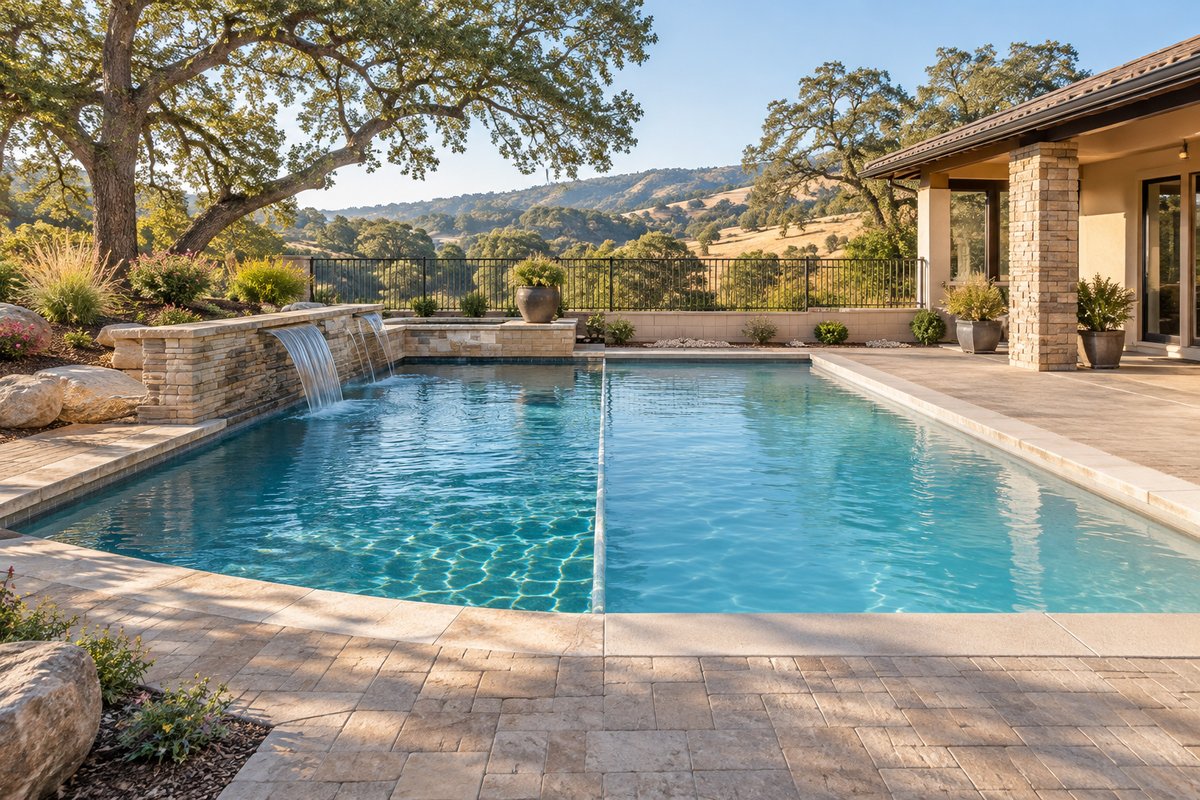
    With long, hot summers that often stretch deep into fall, Antelope homeowners are looking for more than just a pool—they’re investing in daily comfort, personal style, and the lasting value of their properties. But as you compare bids and browse options for a new pool or a pool remodel, you’ll see the price range can be dramatic. What separates a pool that lasts from a pool that just looks good on day one? It’s construction quality: the solid base, reliable drainage, durable reinforcement, and the concrete work itself. For local conditions, that difference matters more than the initial price tag.

    California Hardscapes delivers every detail—excavation, pool shape, hardscape, finishing, and equipment—with consistent supervision and a focus on doing things right. Local factors like clay or granite soils, yard slope, and temperature extremes all influence the best approach. When evaluating custom pool builders, be sure you’re comparing not just design features but concrete methodology and long-term durability.

    Below is a practical side-by-side look at the main custom pool features, the impact of local site conditions in Antelope, and why focusing on build quality pays off.

    Featured Pool Types: Form, Function, and Fit for Antelope Yards

    No pool should be one-size-fits-all, especially in a place like Antelope with varied lot sizes, family needs, and climates. Here are the most common custom pool types homeowners consider, and what each really means for your project:

    • Gunite and shotcrete pools offer the most design flexibility, making them ideal for elaborate shapes or tricky sites. Their robust structure stands up well to shifting soils, especially when the sub-base and steel reinforcement are carefully engineered.
    • Freeform pools create a relaxed, natural look, blending seamlessly with custom hardscapes and landscaping.
    • Modern geometric pools deliver a clean, contemporary feel that fits both tight and open yard spaces for a sleek, timeless statement.
    • Pool and spa combinations maximize year-round use, especially in climates with warm days and cooler evenings—perfect for Antelope’s swing seasons.
    • Plunge pools suit smaller yards or those prioritizing efficient use of outdoor space.

    Choosing which style fits your property starts with size, sun exposure, daily use, and city zoning. But the real test is what lies below the pool deck—the concrete work, drainage, and soil compatibility that only a quality builder can deliver.

    Why Build Quality Beats a Low Bid—in Every Local Yard

    A lower price doesn’t always save money. In Antelope, high summer heat, variable soils, and backyard slopes challenge mediocre construction. If the wrong base or reinforcement is used, cosmetic cracks and costly leaks are virtually inevitable, sometimes within only a few seasons of use.

    A premium gunite pool is formed with attention to base preparation, steel layout, proper curing, and drainage—all vital in our area, which cycles through wet winters and triple-digit summers. California Hardscapes emphasizes never cutting corners: thorough excavation to stable soil, robust rebar cages, and site-specific concrete mixes.

    Factors like a precise grade for surface runoff and strong, well-placed expansion joints make the difference between decades of trouble-free swimming and endless patching. When comparing bids, look for breakdowns of these details rather than a generic line for “pool shell.” The lowest bid often omits them, leaving the risk—and future cost—on you.

    Comparing Pool Features: What Brings Lasting Value in Antelope

    It’s tempting to focus only on the shape or the extras, but longevity is built into every phase. Here are some features you can see—and others you can’t, but you’ll feel the impact for years:

    • Tanning ledges and Baja shelves offer shallow lounging built for California’s sun-drenched afternoons. Properly formed, they resist settling and surface erosion.
    • Saltwater systems reduce harsh chemical use and lower maintenance, but require expert knowledge during equipment install so the system performs without damaging the plaster or tile.
    • Waterfalls, sheer descents, and deck jets add style and sound, but demand thoughtful structural and plumbing integration—another area where commercial-grade skill makes a difference for both safety and enjoyment.

    A quality-first approach also means integrating pool equipment pads, electrical, and hardscaping in a way that’s both functional and visually appealing, instead of leaving you with after-the-fact fixes.

    Site Challenges: Soil, Slope, and Drainage on Antelope Lots

    Antelope’s soils are a mix of clay, sand, and weathered granite—notoriously variable, sometimes even within a single lot. Proper excavation, compaction, and engineered drainage are vital to keep your pool stable and free from uplifting or cracking.

    With backyard slopes not uncommon, installing a pool here demands an eye for grade and runoff. Good pool contractors look beyond the shell to ensure your deck, landscaping, and adjoining surfaces all direct water safely away. Flooding and deck heaving can ruin even the most beautiful pool if drainage is neglected.

    For any pool project, always check local permit, fencing, and safety barrier requirements before work begins. Resources like the Sacramento Forecast Office can help anticipate rainfall patterns that might impact construction scheduling, drainage needs, and even pool use and covers year-round.

    Safety, Equipment, and Automation Upgrades for Modern Pools

    Modern concrete pools are about much more than the shell. Safety features—like non-slip surfaces, graded steps, and pool fencing—are as vital as the iconic blue water. Local code often updates after each building cycle, so every plan should factor in not just today’s minimums but best practices for longevity and family safety. Be sure to check with the required city office for current requirements before breaking ground.

    Smart pool controllers, LED lighting, variable-speed pumps, and efficient heating systems are increasingly common. Their reliability depends on careful electrical layout and weather-proofing. The best results come from integrating this work with your pool build, rather than treating it as a low-bid add-on.

    California Hardscapes handles each step with licensed, bonded, and insured contractors. Everything is coordinated together to avoid conflicts and surprises—focused on achieving a premium finish and peace of mind from the very start.

    Pool Remodeling and Resurfacing: Adding Value to Older Pools

    If your property already has a pool, a skilled remodel or resurfacing can completely change its function—and extend its life without the disruption of a full rebuild. California Hardscapes combines interior finish upgrades, new water features, and enhanced decking in a single, coordinated process.

    For older pools, it’s especially important not to skip a thorough inspection of the concrete shell, analyzing cracks, leaks, and deck movement. A surface-only fix may look appealing in the short term, but only a full evaluation can guarantee a quality end result that stands up to Antelope’s heat and groundwater fluctuations.

    Every custom pool or remodel should consider long-term durability alongside modern comforts and energy efficiency. Plan for interior finishes and tile, durable equipment installation, updated safety features, and new pool and spa combos if your family’s needs have changed.

    Frequently Asked Questions

    How do Antelope’s temperatures and soils affect pool construction?

    Prolonged hot spells, clay soils, and the area’s variable rainfall require careful site prep and drainage for pool longevity. The Sacramento Forecast Office provides information on summer extremes and winter storms that help with planning both build timing and long-term water management. Builders should always address these local environmental factors up front.

    What are the pros and cons of saltwater pools in this climate?

    Saltwater systems appeal for lower long-term chemical use, but they must be installed with compatible plumbing and equipment to resist corrosion from the salt. With a correctly built shell and proper finish, however, Antelope homeowners enjoy clean, soft water throughout the swim season.

    What should be included in a custom pool builder’s bid?

    Beyond the visible features and finishes, look for line items covering base compaction, rebar or steel reinforcement, deck drainage, and integration of equipment. Reliable custom pool builders spell these out, giving you a clear expectation of both process and performance—not just the appearance.

    Choosing Integrity Over a Bargain: The Smart Buyer’s Approach

    Your new pool isn’t about finding the cheapest route to cool summers—it’s about quality, performance, and investment. In Antelope, CA, that means working with people who know the soil, master the concrete, and dedicate themselves to precision from design through the first swim.

    California Hardscapes’ approach—built with pride and finished with excellence—ensures that every gunite pool, spa addition, or plunge pool is tailored not just to your family, but to the land itself. The result: a backyard that brings value year after year, far beyond the next hot season.

    Ready for a pool built to last? Request a consultation to discuss ideas, site challenges, or pool upgrades with a builder who puts integrity before shortcuts.
    Antelope, CA: see the full guide to antelope, ca, or browse every custom pools option.
    Your project

    Planning a project in Antelope, CA?

    Call or text 916-741-0633, or email sales@californiahardscapes.com with your address, a short description and a few photos, and we will arrange a consultation.
  • Comparing Custom Pool Options in Rocklin: Build Quality vs. Lowest Bid

    Comparing Custom Pool Options in Rocklin: Build Quality vs. Lowest Bid

    Understanding Your Custom Pool Choices in Rocklin

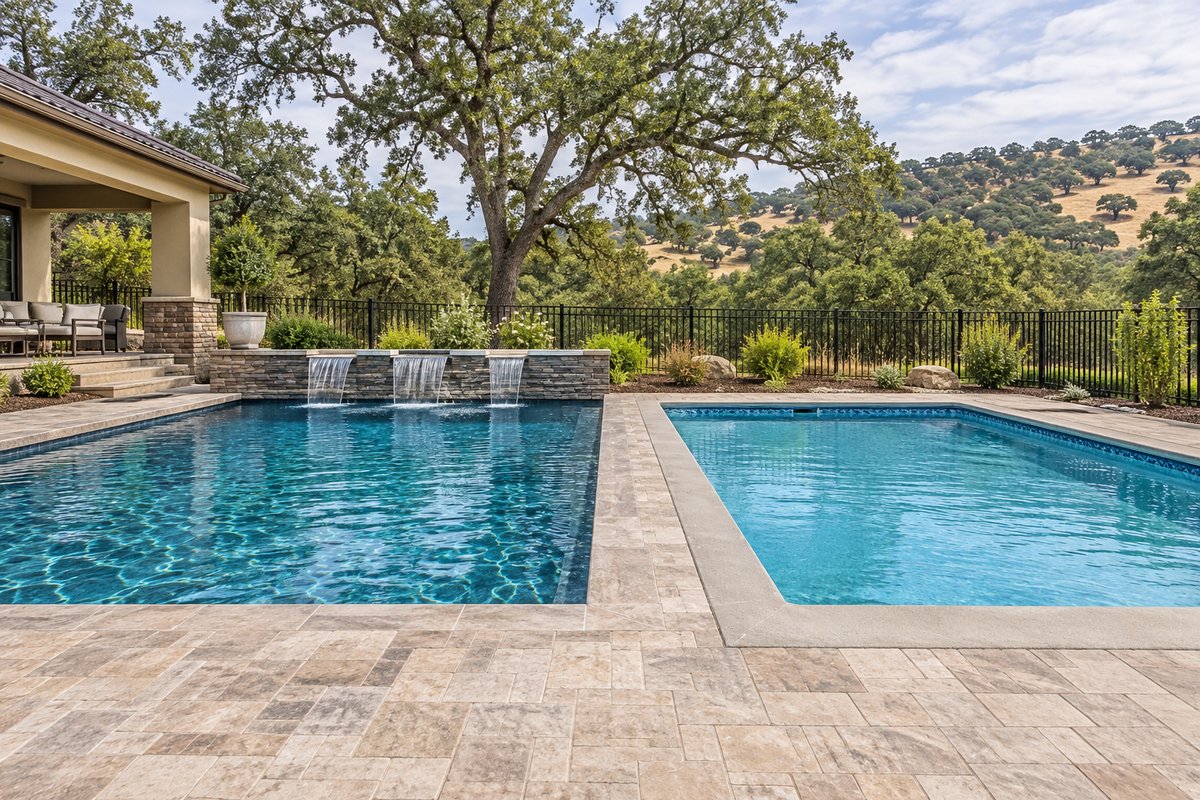
    Planning a custom pool in Rocklin is about more than refreshing relief from summer’s triple-digit heat. The choices you make now shape your backyard’s long-term value, how often your family will use it, and how that investment stands up to local soil and weather conditions. As a homeowner, evaluating options such as gunite pools, natural freeform shapes, geometric designs, or space-smart plunge pools sets the foundation for lasting enjoyment.

    Your journey often starts with deciding between traditional construction methods. Gunite pools remain a popular choice in Rocklin, thanks to their design flexibility and durability. If you want a flowing, lagoon-inspired look, freeform pools offer organic lines, while geometric pools deliver clean modern edges. Many families ask about pool and spa combinations, perfect for year-round enjoyment, or plunge pools that deliver full function in smaller yards.

    Local requirements inform your choices too—HOA guidelines, city rules, and fence or barrier codes may affect the pool’s placement, shape, and features. These topics make it even more important to work with a team experienced in both local conditions and quality construction.

    The Real Cost of a Pool: Why the Lowest Bid Isn’t the Best Value

    It can be tempting to focus on the lowest bid when comparing pool contractors. Yet, in Rocklin’s climate and soil, what’s beneath the surface has a bigger impact on your pool’s value than up-front savings. The biggest risks come from shortcuts: inadequate base preparation, poor drainage planning, or insufficient steel reinforcement can all lead to costly repairs, frustrating delays, or even full replacements within a few years.

    Design choices affect long-term cost too. For example, high-end features like tanning ledges and Baja shelves, automation, or saltwater systems may carry a higher up-front investment but deliver real value in use and maintenance. The difference isn’t just budget—it shows up in your family’s experience every summer and in the structural integrity of what’s built.

    Homeowners in Rocklin should weigh bids by looking closely at the materials specified, steps included, and drainage planning—not just the bottom line. A well-built custom pool, planned and installed correctly for local slopes and soils, simply lasts.

    Why Build Quality Matters: The Rocklin Climate and Local Soils

    Rocklin’s hot, dry summers put every pool to the test. For months, your pool will see intense sunlight and heavy use, making the construction details—from the shell to deck to landscaping—critical for performance and longevity. The right concrete mix and curing approach (whether gunite or shotcrete) withstand these extremes better and reduce cracking or fading.

    Soil type is equally important. Many neighborhoods in Rocklin have dense clay or granite-based soils, each with unique drain and expansion challenges. Without proper drainage and a precisely-built base, even the strongest pool walls can shift over time. That’s why builders experienced with local conditions focus on the unseen foundations and underpinnings as much as on the visible finish.

    You can always check the Rocklin weather forecast to see how your site is exposed season to season. A team that plans for climate resilience—quality materials, expert grading, appropriate reinforcements—delivers swim-ready spaces for every year, not just the first summer.

    Feature Comparison: Custom Pool Types for Every Rocklin Home

    With the right builder, the range of custom pool options becomes a strength, not a source of confusion. Here’s how Rocklin homeowners can think about each major pool option, and what makes each an appropriate fit for different needs and lots:

    • Custom pools: Every detail planned and chosen for your lifestyle, lot shape, and budget.
    • Gunite and shotcrete pools: Highly durable; ideal for uneven or sloped lots common in Rocklin.
    • Freeform pools: Flowing lines mimic nature; blend beautifully with landscaping, especially in larger, irregular yards.
    • Geometric pools: Sleek lines look elegant against Rocklin’s modern or Mediterranean-style homes.
    • Pool and spa combinations: Provide separate swim and relaxation zones; usable year-round with heating and automation upgrades.
    • Plunge pools: Maximize smaller yards or compact spaces, common in newer subdivisions.
    • Tanning ledges and Baja shelves: Family-friendly features for play, relaxation, or sunbathing close to the water.
    • Saltwater pools: An alternative to traditional chlorine systems; gentler on skin and often prefered for heavy use during Rocklin’s hot seasons.

    Whatever your vision, starting the process with a contractor who prioritizes craftsmanship, communication, and materials quality creates a pool that fits both your lot and your expectations.

    Remodeling and Resurfacing: Modernizing Your Existing Rocklin Pool

    If you already have a pool in your Rocklin backyard, a quality remodel or resurfacing can deliver a dramatic transformation. From refreshing worn plaster and outdated tiles to adding energy-efficient equipment and safety features, pool remodeling brings spaces up to the demands of today’s lifestyles and city regulations.

    Integrating new elements—like a spa, automated heating, or a new saltwater system—can be as powerful an upgrade as a full new build. However, the challenges are real: many older pools lack the reinforcement, drainage solutions, or finishes now expected in modern construction. Addressing these during a remodel helps avoid the issues that arise from shortcuts years ago. Homeowners investigating custom pool remodels are often most satisfied when unseen weaknesses are proactively corrected, not just covered up.

    A builder committed to thorough assessment and superior execution ensures your upgraded pool meets both local permit requirements and your family’s needs.

    Matching Pool Features to Your Family’s Needs

    Every family’s vision for a pool is unique. Some want a classic swim lane for exercise, others prioritize kid-friendly ledges or spa jets for relaxation. In Rocklin’s warm climate, thoughtful features like shade structures, shallow water tanning shelves, and efficient heating make a daily difference all summer long. Considering functional features at the design stage—lighting, safety fencing, decking, and landscaping—ensures the whole space works together.

    The surrounding hardscape and landscape are as important as the pool itself for everyday use. That’s why working with a builder that plans and delivers all elements together leads to fewer surprises and better results. Upgrades like energy-efficient automation or LED lighting make summer evenings stretch further, while modern equipment placements minimize noise and clutter for a peaceful backyard escape.

    Careful planning with an experienced team, familiar with Rocklin’s neighborhoods and local regulations, ensures your pool is designed and built for years of enjoyment.

    Key Questions to Ask Before Choosing Your Pool Contractor

    How do you plan for Rocklin’s soil and drainage requirements?

    Every yard in Rocklin is different, from clay-based soils to granite and varying slopes. The best contractors evaluate your site early, recommend proper grading and engineered drainage, and choose reinforcement that suits your specific conditions, not just a one-size-fits-all approach. If you have questions about city or HOA requirements, check with the guidelines at the office linked above.

    What building methods and reinforcements are included in your proposal?

    Ask to see exactly what materials and techniques your pool builder plans to use: gunite or shotcrete, steel schedules, waterproofing, tile, coping details, and finishes. Bids that look unusually low sometimes skip crucial steps in base prep, steel, or drainage—the details that make the biggest difference over decades, not just during the first few seasons.

    How does the design and build process limit disruptions?

    With the right team, your construction or remodel is managed by one crew from design through completion. This integrated process means fewer delays, better scheduling, and a project that comes together smoothly—especially important during Rocklin’s hot weather windows. For current conditions as you plan, check the local forecast to help decide your construction season.

    Request a Consultation: Build With Pride, Finish With Excellence

    Choosing a custom pool builder in Rocklin is about more than price. It’s about the expertise, commitment, and craftsmanship that goes into every step—from the first design to the last tile. At California Hardscapes, custom pools, spas, remodels, and beautiful outdoor spaces are built with pride and finished with excellence, always focused on quality and integrity over the lowest bid.

    Request a consultation today to discuss your project and take the next step toward a backyard that delivers year after year.
    Rocklin, CA: see the full guide to rocklin, ca, or browse every custom pools option.
    Your project

    Planning a project in Rocklin, CA?

    Call or text 916-741-0633, or email sales@californiahardscapes.com with your address, a short description and a few photos, and we will arrange a consultation.
  • How to Keep Your BBQ Island Immaculate All Year in the Foothills

    How to Keep Your BBQ Island Immaculate All Year in the Foothills

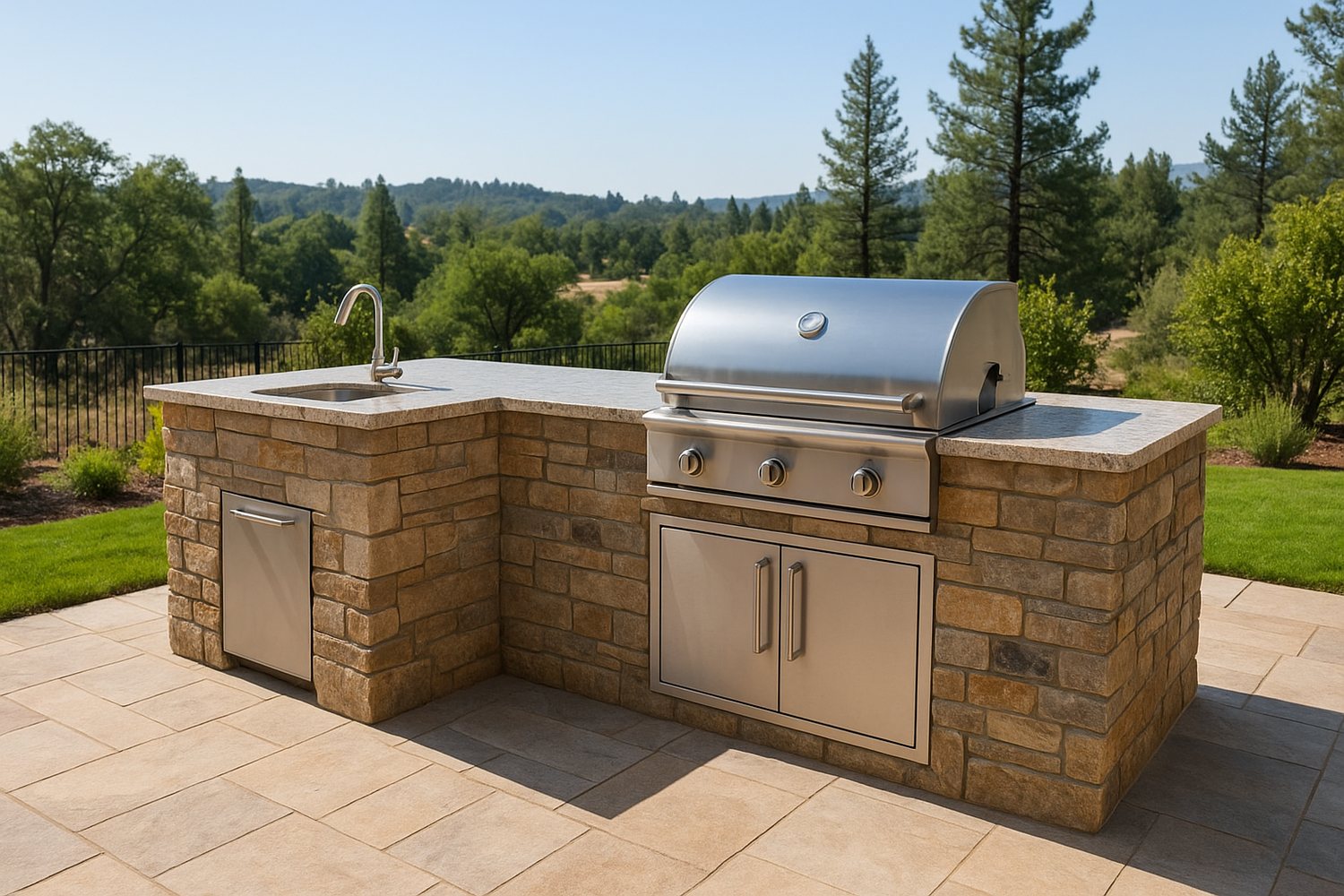
    A custom BBQ island is the heart of outdoor entertaining, but Rocklin, Roseville, and Folsom’s climate means year-round maintenance is essential. Here’s how to keep your investment spotless and working its best.

    Why Built-In Grill Care Matters in Our Region

    Here in Placer and Sacramento counties, we get hot, dry summers and wet, sometimes frosty winters. Your built-in BBQ island is exposed to more than just burgers and brisket—it faces dust, pollen, rain, sun, and sometimes even ash from regional wildfires. Without proper care, grease and debris can build up, causing corrosion or even safety issues over time.

    A neglected grill area can shorten the lifespan of your equipment, discolor your stone or concrete surfaces, and make outdoor gatherings less appealing. It’s not just about looks. Frequent use in spring, summer, and fall means ash, grease, and food remnants become cumulative challenges, especially if not cleaned promptly.

    Luckily, a simple routine can keep your BBQ island beautiful and functional for years. With the right maintenance plan—tailored to our local climate—you’ll enjoy peace of mind and more reliable cookouts, no matter what the weather brings.

    Key reasons for year-round care:

    You can read more about options and features on ourBBQ islands and grill stationspage.

    Weekly Cleaning: The Simple Routine That Works

    A little upkeep each week pays off, especially if your grill sees regular action. Dust and pollen settle quickly here, so start by wiping down all external surfaces—countertops, cabinet doors, and handles—with a solution of mild dish soap and warm water. This keeps residue from building up and becoming hard to remove.

    For the grill itself, heat it up for 10-15 minutes, then scrub grates with a stiff grill brush. Empty the drip pan and grease trap to avoid not only mess, but unwanted smells or local wildlife making themselves at home. Stainless steel? Always wipe it in the direction of the grain to prevent scratches.

    Don’t forget to clear away leaves, pine needles, or other debris under and around the island. A clean area beneath makes it less attractive to bugs or rodents, especially during the heat spikes we get in the Sacramento Valley.

    Weekly tasks to remember:

    Monthly and Seasonal Deep Cleaning Checklist

    Every month, take a little extra time to extend the life of your grill station. Remove grates and soak them in warm, soapy water. Use a non-abrasive brush to clean burner covers and inside walls. Double-check your gas connections for leaks with a mild soapy water solution—bubbles signal it’s time to tighten fittings.

    At the end of every grilling season (late fall for most of our area), inspect for grease buildup, insects, or rodent nests—and address them promptly. For stone or concrete surfaces, give them a gentle scrub with water and masonry-safe cleaner, especially if there’s ash residue from summer fires nearby.

    As winter rains start in Rocklin and Auburn, make sure vents are clear, and consider a breathable cover to keep leaves and moisture away. This is also a good time to check door hinges and clean light fixtures installed around your outdoor kitchen.

    Monthly/seasonal checklist:

    Surface TypeBest CleanerAvoidProtection Tip
    Stainless SteelMild dish soap / steel sprayBleach, abrasivesWipe in grain direction, cover when not in use
    Natural StonepH-neutral stone cleanerAcidic or ammonia productsSeal every 2–3 years, spot test cleaners
    ConcreteMild soap and waterHarsh degreasers, bleachSeal every 2–3 years, protect from pooling water
    Powder-Coated MetalSoapy water, microfiber clothSolvents, abrasive padsRinse and dry fully after rain
    TileGentle multi-surface cleanerAcids, scrapersCheck grout for cracks, re-seal as needed

    Protection from Sun, Rain, and the Central Valley’s Air

    The elements take a toll, even on premium materials. UV rays from hot Placer County summers can fade and weaken surfaces, while moisture leads to rust and mildew during winter storms. The fine particulate from dust or smoky skies—common in late summer—can discolor finishes or clog burners if left unattended.

    Invest in a quality, fitted grill cover made of breathable material. Avoid plastic tarps; they can trap dampness and lead to mildew, especially on stone or concrete counters. Open both ends of the cover during dry days to allow airflow and prevent condensation buildup underneath.

    If your grill station is under a patio structure, you’ll still want to sweep, dust, and ventilate often. Overhangs help, but wind-blown debris and dust find their way in, especially during the region’s frequent breezy afternoons.

    Best protection tips:

    Choosing the Right Cleaning Products for Your Grill Island

    Not all cleaners are suited for outdoor kitchens in Rocklin, Granite Bay, or Folsom. Harsh chemicals can damage stainless steel, cloud granite, or leave streaks on concrete counters. Mild, pH-balanced soaps work best for most surfaces, while dedicated stainless steel sprays keep metal bright and fingerprint-free.

    Avoid bleach, ammonia, or acidic products on natural stone or concrete as this can etch or discolor surfaces. Soft microfiber cloths minimize scratches and distribute cleaning solutions evenly. For stubborn grill grime, a paste of baking soda and water scrubs without harming finishes.

    Before using any cleaner, spot-test a hidden area to ensure compatibility. If you’re unsure, ask your contractor or materials supplier for guidance, especially if you have natural stone or custom concrete elements in your space.

    Recommended cleaners:

    Explore ideas for your whole yard on ourOutdoor Livingoverview.

    Common Pitfalls in Local Grill Station Care

    One of the most common mistakes is letting grease or food residue sit too long—this attracts pests, causes odors, and can stain concrete or stone. Many homeowners skip protecting exposed surfaces during the transition from hot, dry weather to damp winter conditions, giving mildew a foothold.

    Another pitfall is relying on plastic covers, which hold in moisture when those winter fogs roll in from Auburn or Granite Bay. That’s a recipe for rusty components or green growth on stone elements. Overusing abrasive brushes or scouring pads can also damage surfaces quickly.

    Lastly, irregular maintenance lets small issues become big repairs: a blocked vent, leaky gas fitting, or stuck cabinet door can turn a quick cookout into a weekend project. Steady attention—especially between seasons—keeps things simple and your outdoor space ready whenever you need it.

    Frequent pitfalls to avoid:

    When and Why to Reseal Masonry or Stonework

    Concrete and natural stone counters look fantastic but need periodic resealing in our region’s climate. Sun, rain, and even pool chemicals in nearby areas can degrade the sealant layer, leaving surfaces more vulnerable to water stains, mildew, or surface cracks.

    A good rule of thumb is to test by sprinkling water on the surface. If it beads up, you’re protected; if it soaks in, it’s time to reseal. Most sealers last two to three years, but the foothill climate can mean more frequent applications, especially in exposed or high-use areas.

    Choose a professional-grade, penetrating sealer made for exterior hardscapes, and always follow label instructions. Make sure surfaces are thoroughly cleaned and dry before applying for best results in long-term protection.

    Sealing pointers:

    What to Do Before or After a Major Storm

    Severe weather isn’t the norm, but every year brings windy downpours, sudden temperature drops, or dry lightning in our area. Before a storm rolls in, remove any light objects or utensils, confirm grill covers are properly secured, and check that drainage paths around your BBQ island are clear.

    After storms, remove covers and allow all surfaces to dry fully. Inspect for standing water, especially around cabinet bases or under the grill itself; this can quickly damage wood, electronics, or gas connections. Brush away mud or debris promptly so it doesn’t stain your counters or pavers.

    If you find moisture under sealed stone or concrete, let things air out fully before resealing or reinstalling covers. In persistent wet spots, look for signs of mildew or rot and treat immediately to prevent long-term problems.

    Storm care checklist:

    If you’re ready to design or restore your space,request a consultationwith our team.

    BBQ islands and grill stations: see the full guide to bbq islands and grill stations, or browse every outdoor living option.
    Your project

    Planning an outdoor living project?

    Call or text 916-741-0633, or email sales@californiahardscapes.com with your address, a short description and a few photos, and we will arrange a consultation.
  • How to Care for Patterned Metal Railings in Northern California

    How to Care for Patterned Metal Railings in Northern California

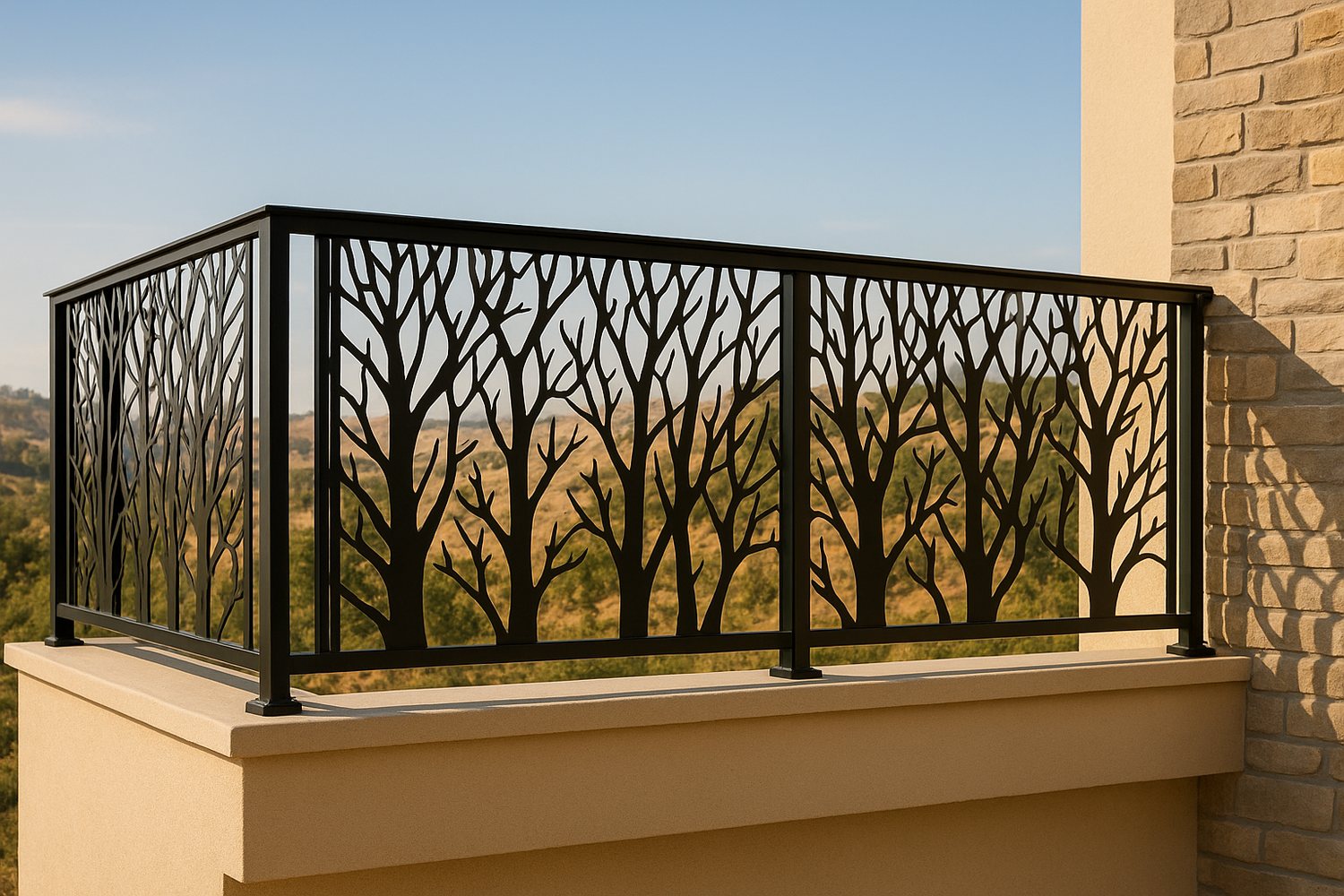
    Patterned metal railings are a standout design element for many Northern California homes, but keeping them clean requires some know-how. With the right upkeep, your railings will look sharp and stand strong against Rocklin’s seasons.

    Understanding Patterned Metal Railings

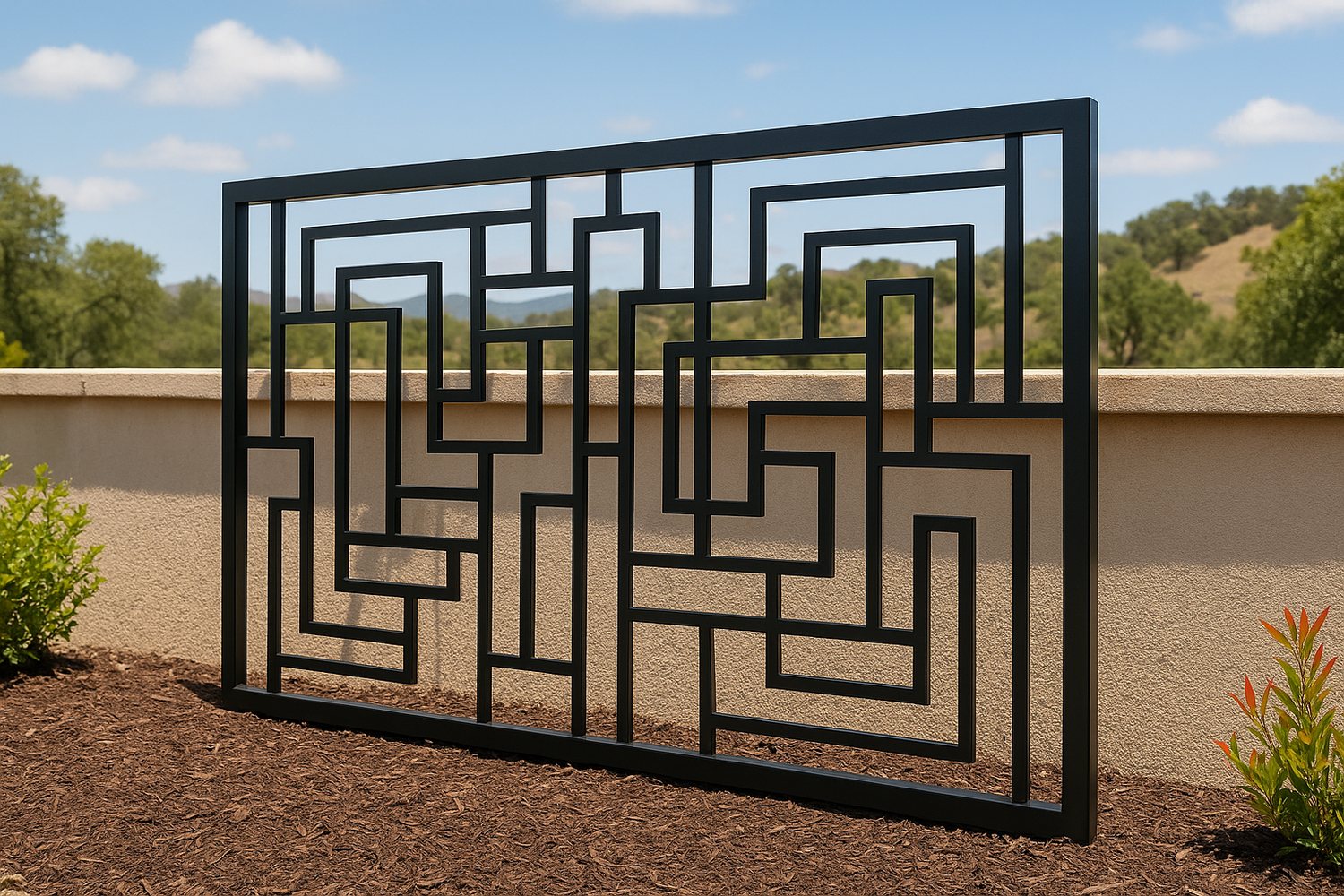
    Patterned metal railings are more than just barriers—they’re often focal points of decks, stairs, and balconies. In places like Rocklin or Folsom, custom designs add a unique touch and boost curb appeal. But detailed cutouts and shapes can trap dust and debris more easily than plain railings.

    Homeowners in Placer, Sacramento, and El Dorado County choose patterned metal railings for their ability to match a home’s style or landscape. The intricate laser-cut shapes and custom designs popular in this region mean more nooks and edges needing regular attention.

    Knowing what makes your railing special helps you clean it better. Understanding the areas most likely to collect grime helps guide which cleaning tools to keep on hand and how often to tackle upkeep.

    • Custom patterns create visual interest
    • More surface area requires extra care
    • Laser-cut designs are popular locally

    For more techniques specific to our region, visit theMetal railing carepage.

    How Local Climate Affects Your Railings

    Northern California’s climate brings hot summers, seasonal rain, and plenty of wind. Sun exposure can fade finishes, while rain highlights dust and makes pollen stick in patterned crevices. Airborne soil and oak leaves travel on breezes and settle into fine laser-cut details.

    Homes in Rocklin, Granite Bay, and Auburn are familiar with hard water spots after a sprinkler cycle or a wet winter. These mineral deposits can build up, especially in intricate metalwork, leaving streaks or dull patches that show against a strong design.

    Being aware of these regional influences helps you stay ahead of buildup. Routine cleaning after storms, pollen season, or landscape watering can keep railings from accumulating long-term residue.

    • Hot sun can fade railing finishes
    • Rain and dust settle in detailed patterns
    • Hard water deposits need prompt removal

    Recommended Cleaning Tools for Patterned Railings

    Simple household tools work best for cleaning intricate metal railings. Soft brushes with long handles reach into corners and grooves, dislodging cobwebs and wind-blown debris. A microfiber cloth lets you wipe away dust without scratching the metal’s finish.

    For stubborn buildup, a gentle sponge or soft-bristled toothbrush is helpful. These reach into detailed patterns without damaging the surface. Avoid steel wool, sandpaper, or anything abrasive; these can scuff custom finishes or get wedged into smaller cuts.

    Keep a bucket, mild soap, and a garden hose handy. Sturdy step-stools or ladders make it easy to safely reach higher or hard-to-access designs on stairs or second-story balconies in homes around Roseville or Folsom.

    • Soft brushes for patterned sections
    • Microfiber cloths for gentle wiping
    • Toothbrushes to access tight spots
    • Avoid abrasive pads and cleaners
    ToolBest ForProsCons
    Soft-bristle brushLoose dust and cobwebsGentle, reaches crevicesMay not scrub sticky grime
    Microfiber clothGeneral wipingNon-scratch, easy on finishesNeeds frequent rinsing
    ToothbrushFine details, tight spotsPrecise, safe for patternsSlow for large areas
    Sponge (non-abrasive)Stubborn dirtGentle scrubbing powerCan’t reach small holes
    Steel wool/abrasive padNot recommendedRemoves stuck grime quicklyCan scratch and damage finish

    Step-by-Step Cleaning Method

    Start by using a dry brush to knock away loose dirt, leaves, and cobwebs from the railing’s surface and inside any laser-cut designs. Working dry makes it easier to see sticky spots once the loose material is removed.

    Mix a few drops of mild soap or a gentle all-purpose cleaner with warm water in a bucket. Dip your sponge or cloth in the soapy water, wring it out, and wipe each patterned section with care. Lightly scrub detailed areas with a toothbrush if needed.

    Rinse the entire railing thoroughly with a gentle stream from a garden hose. Pay special attention to draining water from inside cutouts and corners by dabbing with a dry towel or letting it air-dry to avoid water spots.

    • Start dry to remove loose debris
    • Use mild soap, not harsh chemicals
    • Rinse well and dry to prevent spots

    Table: Comparing Cleaning Tools for Patterned Railings

    Choosing the right tools makes cleaning easier and prevents damage to custom railings. The table below helps you compare which items are safest and most effective for maintaining patterned metal railings in our area.

    Consider adding these items to your household cleaning kit, so you’re prepared for regular maintenance through changing seasons.

    Stick with gentle options to avoid scratching finishes or damaging intricate designs found on California Hardscapes railings.

    Interested in design possibilities? Explore our overview ofMetal Railingsoptions.

    Troubleshooting Common Problems

    Sometimes you’ll encounter tough spots: sap, bird droppings, or hard water marks that soap alone won’t budge. In these cases, use a soft non-abrasive pad and a bit more gentle pressure—never resort to harsh chemicals that can damage finishes.

    Rust is less common on regionally appropriate railings, but if you spot a small patch, address it quickly. Use a mild cleaner and a soft brush to scrub the area. If the problem persists, consult with experts on metal care for your type of railing.

    Early troubleshooting saves you time and money, and protects your railing’s look. By spotting and handling common issues early, you’ll keep your deck or stair railings as striking as the day they were installed.

    • Remove sticky spots immediately
    • Treat rust early to avoid spread
    • Ask for expert guidance when unsure

    Seasonal Maintenance Tips for Local Homeowners

    Every season brings its own cleaning challenges. In spring, pollen and oak leaves collect quickly—plan to clean more often. Summer sun can fade finishes, so rinse dust and debris off to keep things looking crisp.

    After rainy months, check patterned railings for soil or mineral deposits, especially on north-facing stairs or shaded balconies. Quick spot-cleaning helps preserve the finish and keeps water spots from setting in.

    Tie maintenance into other regular chores—clean before outdoor gatherings, or after a big windstorm. You’ll stay ahead of buildup and keep your outdoor spaces looking sharp year-round.

    • Spring: Watch for pollen buildup
    • Summer: Protect from dust and sun
    • Fall: Clear away leaves often
    • Winter: Rinse after rain for best results

    When to Request a Professional Assessment

    Most patterned railings are easy to care for with routine cleaning, but some situations need a professional touch. If you notice persistent rust, peeling finish, or areas that feel wobbly, it’s time to have an expert review the condition.

    California Hardscapes offers custom metal railings designed for each home, and design, pattern, and size options are discussed in a consultation. If you’re interested in updating your outdoor space or need advice on a unique maintenance challenge, connect with us for insight tailored to local homes.

    A professional can recommend custom solutions for materials and shapes common in Rocklin, Roseville, and surrounding communities. Projects are built with licensed, bonded, and insured contractors.

    • Professional assessment for damage or rust
    • Consult for unique design needs
    • Expert advice tailored to local conditions

    Have unique questions or want a professional assessment?Request a consultationtoday.

    Metal railing care: see the full guide to metal railing care, or browse every metal railings option.
    Your project

    Planning a metal railings project?

    Call or text 916-741-0633, or email sales@californiahardscapes.com with your address, a short description and a few photos, and we will arrange a consultation.
  • Planning a Metal Fence & Gate Project: From First Visit to Installation

    Planning a Metal Fence & Gate Project: From First Visit to Installation

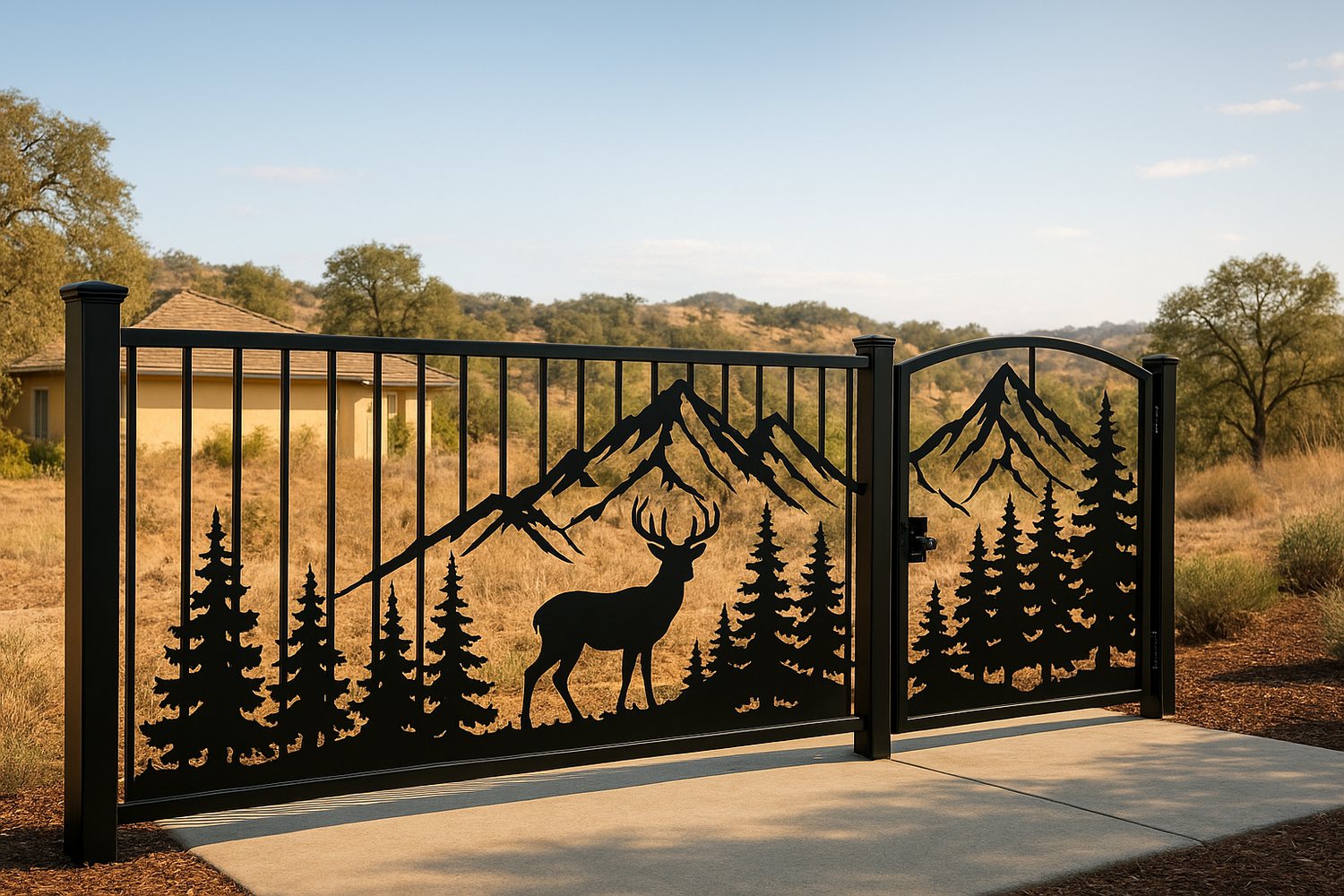
    Taking on a metal fence and gate project is a major investment in privacy, safety, and curb appeal. Here’s how homeowners in our region can plan it with confidence.

    Understanding Your Needs and Goals

    The first step in any successful metal fence and gate project is understanding your unique needs. Begin by considering what you want to achieve: privacy, security, curb appeal, or maybe all three. Each property and homeowner is different, so it’s worth taking stock of your primary motivations before making any decisions.

    Take time to assess your home’s layout and landscape features. Slopes, retaining walls, and access points in Rocklin, Granite Bay, or Folsom may all influence the best layout for your fence or gate. Practical questions—like where your property lines run, or which views you want to shield or frame—will help shape your planning.

    Consider long-term goals as well. Are you planning more outdoor improvements, or do you want gate access for vehicles or guests in the future? Early planning ensures your new metal fence or gate works seamlessly with future projects, whether it’s landscaping upgrades, pools, or other outdoor features.

    • Define privacy vs. security needs
    • Note property lines and elevation changes
    • Think about future improvements

    For more information on design possibilities, visit theMetal Fences & Gates main page.

    Budgeting and Setting Priorities

    Once you understand your needs, it’s time to outline a realistic budget and set clear priorities. While exact costs for custom metal fences and gates are shared in a consultation, you can start shaping your overall expectations based on project size and desired features.

    Decide which elements matter most to you. Some homeowners in Auburn or Roseville may emphasize strong, simple lines for classic curb appeal. Others might want custom patterns or unique gate shapes that make a bold statement. Prioritizing helps focus discussions and makes cost trade-offs easier during planning.

    Building in flexibility is smart. Elements like final gate design, size, or additional features (such as address signs or side fencing) can often be fine-tuned later. At California Hardscapes, you’ll have the opportunity to discuss pattern and size choices during your consultation, ensuring your priorities are handled.

    • Clarify must-haves vs. extras
    • Plan for possible size or layout adjustments
    • Discuss priorities in your first consultation

    Site Visit: Assessing Conditions On-Site

    A thorough site visit is a crucial step in your metal fence and gate project. This visit allows licensed, bonded and insured contractors to walk your property, note existing conditions, and discuss options that suit your space and style. Details like slopes, trees, driveway access, and nearby landscaping can influence material choices and gate placements.

    Your contractor will document measurements, existing materials, and any special challenges (such as soil type or proximity to neighboring fences) unique to your property in areas like Granite Bay or Folsom. A careful eye helps prevent surprises down the line and keeps the project on track.

    Homeowners benefit from being present for this step. Walk through any specific security concerns, privacy needs, and design ideas. An open conversation ensures your finished fence or gate truly feels custom—tailored to both the land and your lifestyle.

    • Meet on-site with contractor
    • Review features and challenges
    • Share your vision and questions
    StepPurposeHomeowner ActionKey Considerations
    Site VisitAssess property & layoutAttend and share goalsSlopes, access points, existing features
    Design ConsultationChoose style & patternReview options and preferencesCurb appeal, privacy, custom details
    Final MeasurementsConfirm specs & layoutApprove designGate placement, fence lines, height
    InstallationBuild & place metalworkPrepare site accessWeather, schedule, adjacent projects
    AftercareEnsure longevityPeriodic cleaning & inspectionClimate, local soil, plants nearby

    Custom Design Consultation

    With measurements in hand, the next step is a design consultation to translate your vision into reality. At California Hardscapes, this meeting focuses on real options—whether it’s choosing a privacy fence, a statement gate, or a combination—and the shapes, patterns and sizes best for your property.

    This is where your style preferences come alive. Want a gate with a modern feel or a fence that blends with natural surroundings in Auburn? Design choices and custom laser-cut patterns are discussed directly with the contractor. Every detail is considered, including how your new metalwork interacts with landscaping and other hardscape features.

    All decisions about patterns, design details, and exact sizing are finalized during this phase in consultation with experts. You’ll receive helpful advice on what works well in local conditions and addresses specific site challenges, ensuring your new metal fence or gate meets your expectations.

    • Review sketches or conceptual layouts
    • Discuss custom pattern options
    • Settle on final design and size

    Material Choices and Finish Considerations

    Every property has unique needs, so material and finish choices are important. While exact specifications are handled during your consultation, California Hardscapes ensures that all metal products are durable, custom-designed, and appropriate for our Northern California climate.

    Factors such as durability against sunlight, rainfall, and soil conditions matter here in Placer, Sacramento and El Dorado Counties. A high-quality finish helps extend the life of your metal fence or gate and keeps it looking sharp for years, even with the dramatic swings in temperature and rainfall typical of our region.

    Discuss any aesthetic concerns or preferences in your consultation. Whether you favor a sleek, modern look or a more traditional, ornamental style, the right material and finish decisions are an essential piece of the project’s lasting value and performance.

    • Durability for regional climate
    • Maintenance needs and ease of cleaning
    • Aesthetic goals for your property

    To see an overview of all custom options, check out ourMetal Fences & Gates optionspage.

    Permits, Boundaries, and Neighbor Considerations

    Every community has its own requirements for boundary fencing, so it’s important for homeowners to know city rules and any HOA guidelines before moving forward. This can affect fencing placement and height limits in Granite Bay, Rocklin, or Folsom.

    Discuss with your contractor exactly where property lines run and if any setbacks are required. Avoiding boundary disputes keeps neighbors happy and prevents future issues. Your contractor will use the information gathered at the site visit to advise on these matters.

    Open communication with neighbors is always a good idea if the new fence will run along or near a shared property line. Confirming shared boundaries and explaining your project helps maintain community goodwill—and reduces the chances of delays once work begins.

    • Check local city guidelines and HOA rules
    • Confirm property lines in advance
    • Coordinate with neighbors if needed

    Installation: What to Expect

    With the design and planning complete, installation can proceed smoothly. California Hardscapes builds every project with licensed, bonded and insured contractors, ensuring safety and professionalism at every stage—a priority for homeowners in areas like Rocklin, Auburn, and Roseville.

    Site preparation comes first, including marking out the final fence and gate layout. Any old fencing, debris, or landscaping impacted is handled before the new metalwork is set in place. The timing and exact process will vary based on your site and design details.

    Once the new metal fence or gate is installed, a final walkthrough is recommended. This ensures that the job meets your expectations, from appearance to operation. Your contractor can also share maintenance tips to help your investment last for years in our region’s demanding weather.

    • Licensed, bonded and insured contractors on every project
    • Site prep, removal and new installation
    • Walkthrough ensures project meets your expectations

    Aftercare and Long-Term Maintenance

    A custom metal fence or gate is designed for the long haul, but it still benefits from simple care. Dust, pollen, and hard water spots are common in Placer and Sacramento counties, so occasional cleaning with mild soap and water helps preserve the finish.

    Ask your contractor about recommended inspection schedules for visible wear or signs of movement—especially after heavy rains or wind. Addressing small issues early keeps your fence or gate performing and looking like new.

    If your outdoor plans evolve, keep in mind that California Hardscapes offers a full range of outdoor construction services. Future upgrades—whether additional fencing, landscape lighting, or new patios—can easily integrate with your existing metal fence and gate to create a cohesive outdoor space.

    • Clean periodically with mild soap and water
    • Inspect after major weather events
    • Consult contractor for care tips

    Ready to take the first step?Request a consultationto discuss a metal fence or gate for your property.

    Metal Fences & Gates: see the full guide to metal fences & gates, or browse every metal fences & gates option.
    Your project

    Planning a metal fences & gates project?

    Call or text 916-741-0633, or email sales@californiahardscapes.com with your address, a short description and a few photos, and we will arrange a consultation.
  • Planning Porch and Entry Handrails for Short Steps

    Planning Porch and Entry Handrails for Short Steps

    Short steps at your porch or entry may seem simple, but safe, stylish access takes thoughtful planning. Here’s how to approach adding metal handrails for your home’s entry.

    Why Short Steps Still Need Handrails

    Even single or double steps leading to a porch or entryway can pose a tripping hazard, especially during wet winters or summer evenings when lighting is low. Handrails add a layer of safety that benefits everyone, not just folks with mobility concerns. In neighborhoods like Rocklin and Roseville, even modest elevation changes can catch homeowners and guests off guard.

    Local building codes may also require handrails for steps beyond a certain height or number of risers—even when there are just a few. Planning functional railings protects you from future headaches if you later decide to update, sell, or rent your home. Plus, insurance providers often look favorably on entryways equipped with sturdy rails.

    Aesthetically, railings on short steps create a sense of welcome and completion at the entry. By planning early, you can select a style and placement that feels right for your specific home and landscape. Investing time into thoughtful decisions at this stage pays off in safety and first impressions.

    • Short steps can be unexpectedly hazardous in wet or dim conditions.
    • Insurance and local codes favor handrails, even for smaller entries.
    • A planned railing system can also define your home’s entry architecture.

    Get more inspiration about entry handrail options on ourPorch and entry railings page.

    Evaluating Your Space and Needs

    Start by walking through your daily entry routine. Note how family members, guests, or deliveries naturally approach your steps. Is there room to place a rail in the most logical spot, or does landscaping or hardscape limit your options? Consider traffic patterns unique to your entryway—angled walks and tight corners can shape the design.

    Pay close attention to how weather affects your steps. Homes in Placer and El Dorado counties see plenty of rain runoff, fallen oak leaves, or even dust that can create slick surfaces. The best rail placement and design respond to these seasonal realities, guiding hands right where support is needed.

    Materials and handrail height are shaped both by regional code and daily life. Metal railings offer robust support and outlast wood, especially where sun, irrigation, or sprinklers can cause premature wear. A consultation can help determine what works best for your setting, especially if you’re unsure about placement or code requirements.

    • Observe daily usage and foot traffic for the rail’s ideal spot.
    • Factor in rain, debris and local microclimates.
    • Consult professionals for guidance on placement and material.

    Handrail Styles That Fit Northern California Homes

    A short porch step doesn’t mean compromising style. Metal railings designed for your home can reflect classic, modern, or rustic patterns that match the architecture of Rocklin, Folsom, Granite Bay and beyond. Custom designs are especially valuable when a standard off-the-shelf part looks out of place or blocks views.

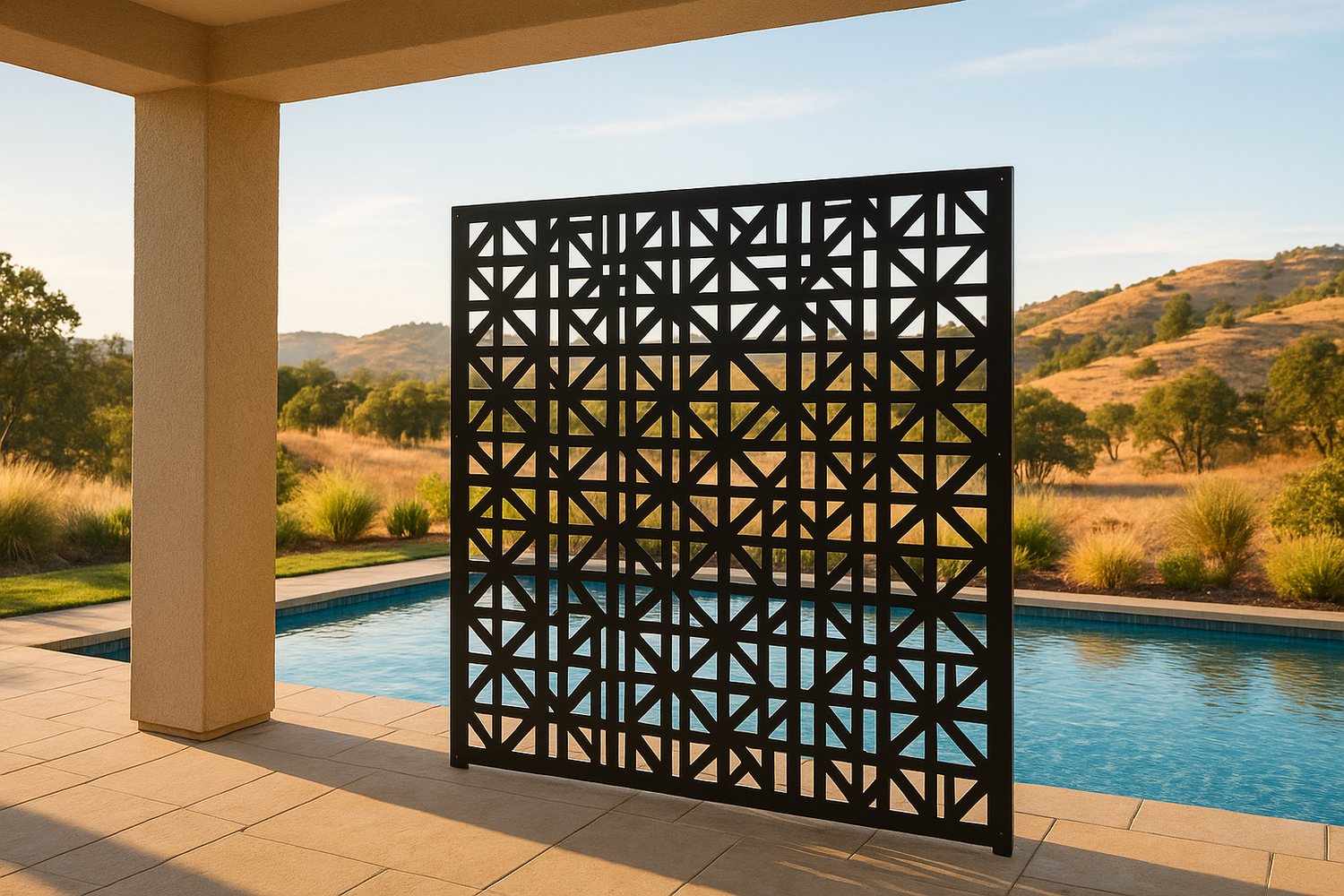
    In this region, many homeowners pick subtle, geometric rail patterns that complement stone, paver or concrete hardscapes. For Craftsman, Spanish, or contemporary homes, laser-cut designs can echo architectural lines or landscape features. Early conversations with experts help you visualize what fits—without distracting from your home’s entry.

    Remember that railing choices should balance presence and transparency. The goal for most short steps is to guide guests safely, without overpowering the approach to your door. Custom metal railings can be made to fit awkward angles, wrap around tight corners, or even incorporate unique design motifs.

    • Match railing style to your home’s exterior details.
    • Custom metal patterns suit Northern California aesthetics.
    • Focus on safety with a design that enhances curb appeal.
    Railing TypeDurabilityMaintenanceAesthetic FlexibilityBest Fit For
    Custom MetalHighLowHighComplex layouts, custom appearance
    WoodModerateHighModerateTraditional homes, warm look
    Composite/PlasticModerate-HighLow-ModerateLowSimple steps, budget-sensitive
    No RailNoneNoneNot applicableVery low or code-exempt steps

    Understanding Local Codes and Guidelines

    Before finalizing handrail plans, make sure you’re addressing the standards set by local building departments. Rules can differ between Rocklin, Folsom, Auburn and nearby communities. Requirements typically depend on the number of risers, the overall change in elevation, and the porch or step width.

    Consulting with construction professionals ensures your handrail project meets all necessary codes—avoiding the need for costly changes after installation. Many communities require handrails to be installed at precise heights and include specific spacing between balusters or infill panels for safety.

    While some simple step entries may not strictly require a handrail, adding quality metal railings is often the prudent choice for long-term usefulness, liability reduction, and everyday peace of mind. Knowing your code obligations up front means you can choose the perfect design without stress.

    • Codes differ by municipality—always check for updates.
    • Rail height, spacing, and returns may all be dictated by local rules.
    • Working with licensed contractors keeps projects code-compliant.

    Durability and Maintenance in Our Local Climate

    Handrails take a beating in Northern California’s climate: summer sun, winter rain, and the mineral-rich soils all push materials to their limit. Metal railings intended for local homes are chosen for toughness and long life, needing less attention than wood or composite alternatives.

    Care for your railings is simple. Occasional rinsing to remove dust, pollen or leaf matter is usually enough to keep them looking sharp. For custom metal products, any questions about cleaning or upkeep can be discussed during your consultation, so you’ll know exactly what your railing needs to last for years.

    Unlike wood, metal railings designed for porch steps resist rot, termites, and warping. They’re especially practical for homes with irrigation, splash, or landscape run-off where organic materials struggle. Consider metal railings an investment in lower maintenance and reliable security, particularly important for busy households.

    • Metal railings stand up well to sun, rain and irrigation.
    • Cleaning is minimal—just occasional rinsing or dusting.
    • No rot, splinters or pest issues like wood.

    See an overview of availableMetal Railingsfor custom decks, stairs, balconies and porch steps.

    Integrating Railings With Surrounding Hardscapes

    Your entry railing won’t stand alone—it should work in harmony with driveways, walkways, planter beds and porch flooring. During planning, ask how your new railing will attach to various surfaces, whether it’s poured concrete, pavers, or stone veneers. Each material has its own installation technique.

    Well-integrated railings protect both landscape and hardscape investments, keeping nearby plantings, lighting, and irrigation lines undisturbed. Talk openly about where you want the handrail to begin and end, how it will return to the ground or wall, and how posts will be anchored for strength.

    Material connections and visual style matter too. Smart planning can prevent rust stains on concrete or awkward proportions along a stepping stone walk. Custom design lets you fine-tune handrail lines and anchor points so everything feels intentional—the finishing touch to your entry hardscape.

    • Match railings to walkways, landings, and surrounding walls.
    • Attachment method differs by material under the steps.
    • Professional planning guards your landscaping investment.

    The Consultation Process: What To Expect

    Every short-step entry is unique, so California Hardscapes starts with a focused consultation. During this meeting, you’ll review your goals, home architecture, and entry use—discussing details like step dimensions, local code considerations, and any custom pattern ideas you may have.

    This is the stage where style, placement, and size choices are settled. The team will show design options and clarify which materials best fit your needs and climate. Your consultation is the place to ask anything on your mind, from style preferences to how the installation process works.

    With your input, a custom plan is developed that lays out the exact location, attachment details, and design elements for your new metal entry rails. Once you’re comfortable with the proposal, your project is built with licensed, bonded, and insured contractors—giving you peace of mind from start to finish.

    • Discuss design, safety, and code needs together.
    • See style and pattern samples before deciding.
    • Know every step of the process before work begins.

    Moving Forward With Your Entry Rail Project

    Once you’ve considered your space, style preferences, and local requirements, moving forward is simple. Custom metal porch and entry railings offer a smart blend of longevity, safety, and beauty for homes across Rocklin, Roseville, Granite Bay, and nearby communities.

    Partnering with California Hardscapes means you receive both design expertise and quality contractors for your outdoor improvements. With the region’s climate in mind, you’ll enjoy handrails that last, need minimal care, and immediately boost your entry’s appearance and accessibility.

    If you’re thinking about adding or replacing short-step handrails, don’t leave planning to chance. Reach out to discuss your options and see what’s possible with a personalized, expert approach.

    • Evaluate your space and needs first.
    • Consult experienced outdoor construction professionals.
    • Enjoy added entry safety and style unique to your home.

    Have questions or want a design consultation?Contact our teamto get started.

    Porch and entry railings: see the full guide to porch and entry railings, or browse every metal railings option.
    Your project

    Planning a metal railings project?

    Call or text 916-741-0633, or email sales@californiahardscapes.com with your address, a short description and a few photos, and we will arrange a consultation.
  • Planning Metal Fencing and Gates Around Your Pool Deck

    Planning Metal Fencing and Gates Around Your Pool Deck

    Choosing and placing metal fencing and gates around your pool deck require planning that goes beyond just meeting safety codes. The right decisions protect your family and bring lasting value.

    Why Placement Planning Matters for Metal Pool Fencing

    When considering metal pool fencing, placement is everything. Well-planned fencing layouts not only meet local safety codes—they also ensure your pool area feels inviting, open and useable. With a little forethought, homeowners in areas like Rocklin and Folsom can maximize both security and style around their pool decks.

    Smart placement decisions help direct traffic, provide privacy where needed, and allow for clear sightlines across the pool. You’ll want a fence layout that works with the unique slope, grade and size of your outdoor space. Analyze how you’ll move between the pool, patio, and lawn before any installation begins.

    Metal pool fencing isn’t just about putting up a barrier—it’s about shaping the way your family and guests interact with your outdoor living area. The right gate placements can improve convenience and enhance day-to-day use without compromising on safety or beauty.

    Learn more about the possibilities of metal pool fencing and gates by visiting ourMetal fencing around poolspage.

    Gate Location: Finding the Functional Flow

    Gates are key to making your pool fence work for your lifestyle. Poorly placed gates can lead to awkward pathways and cut off simple access routes. Placing your main gate close to house doors, patios or traffic corridors helps connect the pool zone naturally with your other outdoor spaces.

    Think about the typical routes your family and guests take—do kids move from the play lawn to the pool, or is the grilling area a main draw? Gates should facilitate these routines rather than forcing everyone to detour around the property. In Rocklin, Granite Bay and surrounding areas, outdoor living is year-round, so daily convenience matters.

    Also consider how gates relate to pool equipment areas, sheds or side yards: secondary gates can provide necessary, secure access for maintenance or gardening without sending guests through every part of your yard.

    • Main gate near patio or house doors
    • Secondary gates for side yard or maintenance access
    • Avoid blocking walkways or creating dead ends

    Pool Deck Design: Integrating Fencing Early On

    Integrating your metal fencing and gates into the initial pool deck design gives you far more flexibility than adding a fence as an afterthought. This approach ensures the fencing complements your pool’s shape, hardscape materials, and landscaping choices.

    Think about how fence posts and gates will interact with features like concrete patios, planters, or steps. Coordination at the planning stage minimizes awkward transitions and maintains visual flow. In places like Roseville and Auburn, where outdoor spaces often incorporate multi-level patios or retaining walls, this is especially relevant.

    Bringing fencing design into early project discussions can also aid in selecting custom metal patterns or design details—helping your pool fence look like it always belonged, rather than an add-on.

    • Coordinate fence plans with patio and pool layout
    • Plan post locations early to avoid future conflicts
    • Consider custom metal patterns for a cohesive look
    Fencing FeatureBenefitsConsiderationsCommon PlacementWorks Best For
    Main GateEasy access, meets codeNeeds self-latching hardwareNear patio/house entryFamilies, frequent guests
    Privacy PanelBlocks views, adds styleLimits airflow and sightlinesFacing street or neighborsHomes needing privacy
    Open Picket FenceMaximized visibilityLess privacy/screeningPool perimeterOpen, airy designs
    Secondary GateAccess to yard or maintenanceLess convenient for guestsSide yard, garden, utility areaLarger lots, multiple access needs

    Safety and Code Considerations for Our Region

    In California communities served by California Hardscapes, residential pools often require code-compliant fencing. Placement must meet local requirements for height, gate latching, and spacing between pickets. Starting with safety requirements ensures your fence delivers peace of mind from day one.

    Planning the right gate locations can make it easier to satisfy these safety standards without complicating pool use. For instance, you may need self-closing, self-latching mechanisms that deter young children from entering unsupervised. Gate swings, clearances, and proximity to the water are all factors to discuss during planning.

    It’s wise to consult local ordinances for Placer, Sacramento, and El Dorado counties early in your project. California Hardscapes projects are always built with licensed, bonded and insured contractors, bringing expertise in safety and practical application to every job.

    Metal Fence Styles: Form Meets Function

    Metal fencing offers durability and modern appeal, and its adaptability is a perfect fit for California homes. Whether you lean toward clean, geometric lines or artful, custom patterns, these fences can blend seamlessly with your home’s architectural style and outdoor features.

    Discussing style options with a professional helps you understand how different designs impact sightlines, airflow, and privacy. Open picket designs often provide an open feel, while privacy-focused metal patterns can screen off specific areas from neighbors or streets.

    Regionally, homeowners in Granite Bay, Folsom, and nearby communities value both curb appeal and longevity when choosing materials. California Hardscapes can help you settle on the right balance during your consult, accounting for your specific needs.

    • Classic picket looks
    • Custom laser-cut patterns
    • Privacy or open-air designs
    • Integrated gates in matching styles

    See the full range of design ideas and applications on ourMetal Fences & Gatesoverview.

    Landscaping and Lighting: Enhancing Metal Fencing

    Your metal pool fence shouldn’t stand alone—it can work beautifully with the surrounding landscape. Strategic plantings soften fence lines, disguise posts, and highlight the metal’s design, helping the fence feel like part of a lush garden scene rather than a strict boundary.

    Outdoor lighting paired with metal fencing not only improves evening visibility for safety, but can also enhance the artistic impact of custom metalwork. In areas like Auburn or El Dorado County, lights are especially useful for extending pool hours and boosting ambiance.

    When integrating landscaping and lighting, consider how they’ll work in every season. Choose drought-resistant plants where possible, and plan for low-maintenance lighting that stands up to regional climate challenges.

    • Use shrubs and flowers to soften fence lines
    • Uplighting highlights custom patterns
    • Drought-resistant plants for lasting color

    Maintenance Tips for Metal Pool Fences and Gates

    Regular checks and simple care keep metal pool fencing looking and working its best. Inspect fencing and gates each season for signs of wear, paying close attention to hinges and latching hardware. This approach is especially important in the changeable Northern California climate.

    Occasional gentle cleaning removes calcium or water marks that develop around pool decks. Avoid harsh cleaners—consult your installer for safe products compatible with your fence’s finish. Well-maintained fencing resists corrosion and keeps your pool area inviting year after year.

    If you notice any shifting or movement along the fence line, bring in an expert for evaluation. Early repairs are more manageable and can prevent bigger issues, especially in yards with slopes or active irrigation zones.

    • Inspect hinges, posts, and latches regularly
    • Clean with water and recommended mild cleaners
    • Address issues promptly to avoid costly fixes

    Consultation: Bringing Your Pool Fencing Plans to Life

    Pool fencing is a highly custom project, tailored to your site, your taste, and your daily routine. An on-site consultation is the best way to review your pool deck’s conditions, discuss custom metal patterns and size options, and get advice on flow and safety.

    California Hardscapes offers practical experience in designing and placing metal pool fences and gates for homeowners across Rocklin and surrounding areas. With every detail discussed in person, you can be confident your installation will suit your needs and complement your outdoor living space.

    Every project is completed with licensed, bonded, and insured contractors, so you gain added security alongside expert craftsmanship. Start your planning process by reaching out for a no-pressure consultation to discuss your priorities.

    Ready to plan your perfect pool fence?Request a consultationwith California Hardscapes today.

    Metal fencing around pools: see the full guide to metal fencing around pools, or browse every metal fences & gates option.
    Your project

    Planning a metal fences & gates project?

    Call or text 916-741-0633, or email sales@californiahardscapes.com with your address, a short description and a few photos, and we will arrange a consultation.
  • Planning Water Features in Meadow Vista: A Homeowner’s Guide

    Planning Water Features in Meadow Vista: A Homeowner’s Guide

    Practical Planning for Water Features in Meadow Vista

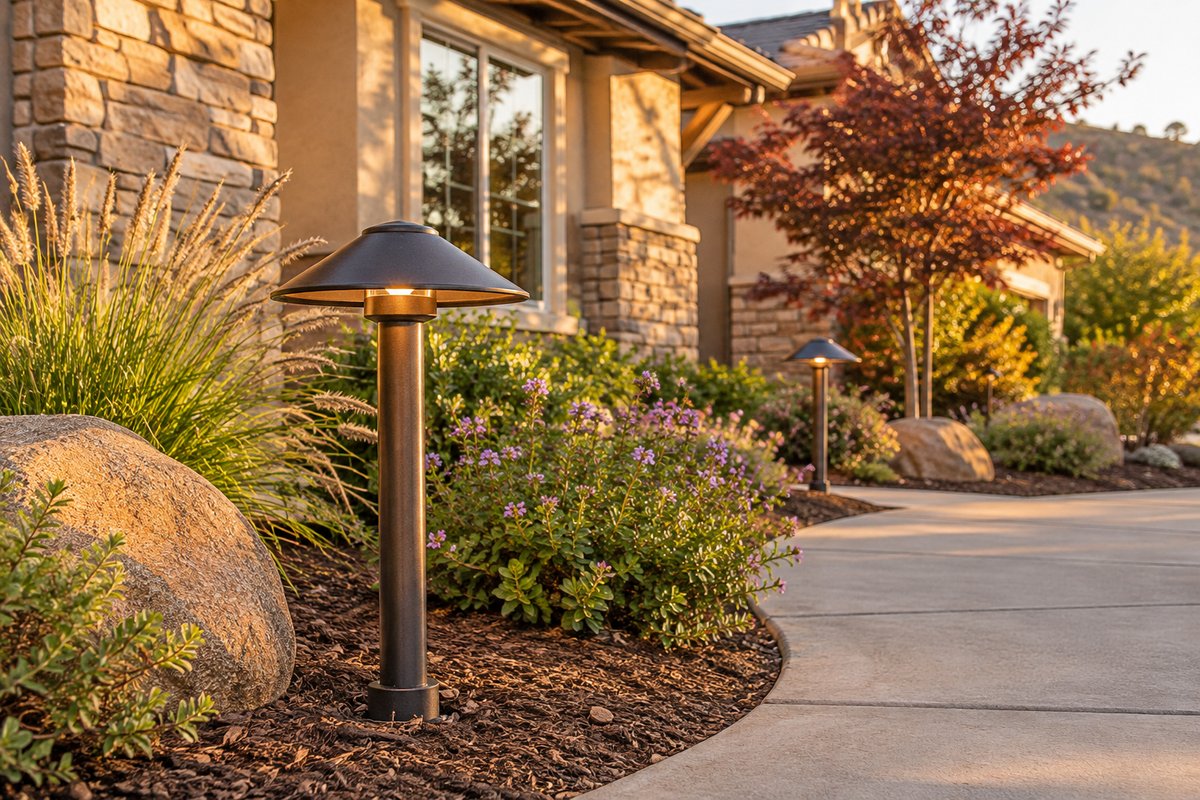
    Adding a water feature to your Meadow Vista property offers more than just beauty—it’s a commitment to thoughtful planning and smart choices. Whether considering a pondless waterfall, garden fountain, koi pond, or a modern water wall, each project succeeds when grounded in local knowledge. With Meadow Vista’s hilly terrain and climate extremes, understanding permits, HOA requirements, soil, utility location, and timing is fundamental. This guide breaks down those steps, helping you anticipate challenges and make informed decisions.

    Permits, HOA Approval, and Local Regulations

    Before breaking ground for any water feature, start with your local building department and, if applicable, your homeowner’s association. Regulations in Meadow Vista vary by neighborhood, and compliance may involve permits for electrical work, plumbing, or certain landscape modifications. For projects within an HOA, design and materials reviews are common. It’s important to review rules governing height, setback, and water usage. Every project—whether a reflecting pool or garden stream—can be subject to distinct requirements. Check with the office linked above or your HOA for specifics, as project scope and site details often decide what is needed and when.

    Electrical code impacts installations such as bubbling urns and bubblers or advanced pumps for larger water features. For local power utility questions (including service upgrades or underground lines), identify your provider early; in Meadow Vista, this is Pacific Gas & Electric Co., detailed here: Pacific Gas & Electric Co. Ensure you always confirm the current requirements before scheduling contractor work.

    Permitting, engineering plan review, and HOA submittals will depend on the project’s complexity and scope. No contractor can guarantee a set process without an on-site consultation. Taking the time upfront to understand what Meadow Vista requires helps avoid complications, delays, or changes once the work is underway.

    Call Before You Dig: Protect Utility Lines

    Utility location is never optional in Meadow Vista, where many yards may have electrical, gas, water, or fiber-optic lines below the surface. To mark these before any digging—whether for a garden fountain or fire and water feature—call 811 to request line marking. This service ensures your project is safe and avoids costly or dangerous interruptions to home utilities. Contractors working with California Hardscapes build with licensed, bonded, and insured professionals who expect and require all utilities to be clearly marked before starting.

    The step is essential for protecting not just your utilities, but also those of your neighbors. In some parts of Meadow Vista, utilities are particularly shallow or older infrastructure isn’t always mapped. Give 811 as much notice as possible, and do not rush this phase—inspection and marking sometimes take up to a week.

    It’s especially important when planning new hardscaping or reworking gardens that already have lighting or irrigation. Knowing locations avoids accidental disruption, so you can add new water features or plantings without extra repairs and cost.

    Site Assessment: Soil, Slope, and Drainage in Meadow Vista

    Meadow Vista lots are rarely flat, and soils here range from dense red clay to decomposed granite. Proper site assessment impacts every type of water feature, from a serene reflecting pool with still water to a flowing garden stream. Water retention, drainage, and building stability are shaped by your soil’s texture and permeability.

    If your yard has heavy clay, expect water to move slowly and prepare for engineered drainage solutions. On slopes or with granite soils, stabilization and erosion control are essential—especially for pondless waterfalls or koi ponds where a heavy water load is involved. Planning may include swales, retaining walls, or French drains, each project-tailored after soil testing. Drainage and slope impact both feature placement and how natural rainfall or irrigation interacts with the design, minimizing maintenance and water waste.

    Proper grading is critical and must be echoed in every phase of the installation. Consulting with skilled hardscape contractors helps integrate retaining structures, planting, and water features that fit your slope and soil profile, for lasting results.

    Sizing and Choosing the Right Water Feature for Meadow Vista

    Once you know what your site can support, consider which style brings your vision to life. Small spaces or spots near patios are ideal for self-contained bubbling urns and bubblers or compact garden fountains. Larger properties or multi-level yards might suit a moving stream, pondless waterfall, or more expansive koi and garden pond. Reflecting pools and water walls offer simplicity and dramatic impact for modern tastes.

    Each type of feature brings unique needs for power, plumbing, and placement. Water-wise considerations are especially relevant in Meadow Vista, where summer brings heat above 100°F. Choose options with recirculating systems, shaded placement, and minimal splash to reduce evaporation. Landscaping around your water feature can create microclimates and extend comfort for plants and wildlife alike.

    Integrate your water feature with patios, walkways, and planting beds from the start. The advantage of design-to-installation coordination is that each element is planned to work together. A unified approach is key to quality, as every feature—whether large or small—benefits from being part of a holistic landscape.

    Project Timing: Managing Weather and Workflow

    Seasonality matters in Meadow Vista. Late winter and early spring often bring mud, while summers can be oppressively hot. Planning your water feature around the local Meadow Vista forecast helps minimize disruption and improve results. Early fall is often ideal, combining drier soils with milder temperatures—excellent for concrete work, plant establishment, and minimizing drought stress.

    Major upgrades, like fire and water features or garden ponds, require windows of at least several weeks for site prep and construction. Factor in time for utility marking, any required design reviews, and permit processing. Rushing installation in wet months risks soil compaction and drainage issues. Conversely, late-summer heat can make curing concrete a challenge and affect finishing quality.

    Start conversations with licensed, bonded, and insured contractors well in advance to align with your property’s needs and Meadow Vista’s weather cycles. Strategic timing ensures a smooth build and long-term satisfaction.

    Integrating Lighting and Power: Meadow Vista Considerations

    Most water features benefit from landscape lighting—showcasing cascading water or adding ambiance in the evenings. Planning ahead for electrical requirements is crucial. Identify if your chosen feature (such as a water wall or multiple bubblers) will require dedicated circuits or upgrades to existing infrastructure. In Meadow Vista, always confirm current power service with PG&E, whose support may be needed for significant loads or meter panels.

    Outdoor-rated transformers and wiring must match both the water feature’s needs and code requirements. GFCI outlets, safe connections, and proper trenching are non-negotiable for every installation. Pairing energy-efficient pumps and LED lighting maximizes enjoyment while keeping operational costs contained, especially during the warmest summer months.

    If the planned feature is close to an entertainment area or patio, consider integrating lighting zones, so you can control ambiance and highlight focal points after dark. Proper planning at the design phase keeps installation seamless and avoids disruptive retrofits at the end.

    Water Feature Maintenance and Lasting Results

    Meadow Vista’s climate brings both scorching summer sun and heavy winter rains, each influencing maintenance needs. Recirculating pumps and regular debris clearing are essential to keep water features performing at their best. Algae prevention and seasonal draining (for features like koi ponds or reflecting pools) become part of annual routines.

    Choose materials and finishes designed for year-round exposure: UV-stable composites, quality concrete, and select stone stand up to Meadow Vista summers. For ponds supporting wildlife, establish sufficient shade and plant cover to reduce heat impact. Accessible pump vaults and straightforward plumbing simplify spring start-up and winterization.

    Opting for professionally planned water features means details like filtration, overflow, and drainage are built in from the start. With the right planning, maintenance is manageable and fits your desired level of involvement, letting you enjoy the result with confidence all year.

    FAQ: Water Features in Meadow Vista

    Do all water features require a permit in Meadow Vista?

    Permitting depends on your feature’s size, location, and whether plumbing or electrical work is involved. Always review requirements with your local office or HOA before scheduling work—scope and site specifics often determine the rules.

    How do I plan for Meadow Vista’s summer heat and winter storms?

    Choose recirculating and shaded water features to cut summer evaporation. In winter, ensure drainage is planned to prevent overflow, especially for larger ponds or areas with heavy soil. Consult the National Weather Service Meadow Vista forecast when scheduling start dates.

    Can lighting be added to an existing water feature?

    Yes, but planning is important for safety and code compliance. Confirm adequate power is available, and select outdoor-rated equipment. Always have licensed, bonded, and insured contractors handle electrical upgrades, especially for features near water.

    Start Your Meadow Vista Water Feature Project

    Planning a water feature in Meadow Vista is about informed choices—soils, slopes, rules, weather, and experienced contractors all play a role. From initial ideas to the last stone set, success comes from quality workmanship and attention to detail. For garden fountains, pondless waterfalls, koi ponds, water walls, or any custom water feature that fits Meadow Vista’s unique challenges, California Hardscapes stands out for integrity and results.

    Meadow Vista, CA: see the full guide to meadow vista, ca, or browse every water features option.
    Your project

    Planning a project in Meadow Vista, CA?

    Call or text 916-741-0633, or email sales@californiahardscapes.com with your address, a short description and a few photos, and we will arrange a consultation.

  • Planning Outdoor Lighting in Rancho Cordova: An Essential Guide

    Planning Outdoor Lighting in Rancho Cordova: An Essential Guide

    Why Thoughtful Planning Matters for Outdoor Lighting

    Landscape lighting isn’t just about visibility—it’s a blend of safety, beauty, and function. In Rancho Cordova, outdoor lighting comes with its own checklist: local permit requirements, HOA approvals, changing weather, and diverse soils. Before a single fixture is installed, it pays to plan ahead. By understanding these details you set yourself up for a project that not only complies with local standards but performs reliably, year after year.

    This guide is tailored for Rancho Cordova homeowners weighing upgrades, new installations, or replacements of outdoor lighting. It offers clear, practical direction on every step—matching lighting options to your yard’s unique qualities and the city’s climate.

    Expect straightforward, locally relevant advice. Lighting done right isn’t about shortcuts—it’s about lasting quality, durability in every season, and a result you’ll take pride in for years to come.

    Permits, HOA Approvals, and City Rules

    Outdoor upgrades almost always trigger questions about what’s allowed and required by your city, county, or HOA. Rancho Cordova has its own permit processes, while many neighborhoods enforce strict HOA architectural guidelines. For outdoor lighting projects, this often means submitting plans for review—especially for permanent fixtures, electrical changes, or noticeable sitework.

    Project requirements aren’t one-size-fits-all. Factors like the scope of your lighting (from driveway and entry lighting to extensive landscape installations), fixture placement, and integration with patios or walls all impact reviews. Be clear on the specific policies for your property. Always check with your local authority or HOA for the latest permit procedures before starting.

    For questions on establishing or modifying electric service during a landscape lighting project, the Sacramento Municipal Utility District’s New Connections page is an essential resource. It is also wise to review neighborhood guidelines early to avoid project delays.

    ‘Call Before You Dig’: Underground Utilities

    Before trenching for wire, digging postholes, or setting stakes for path lighting, always know where utilities run. Accidental hits on irrigation, electrical, or gas lines can lead to costly repairs—or worse, safety hazards. State law requires contractors and homeowners to notify 811 before digging on any project that could disturb buried utilities.

    • Mark all proposed digging locations clearly in advance.
    • Coordinate timing, as utility marking can take a few days.
    • Include both private utility lines (like backyard lighting cables) and public mains in your review.

    This step is mandatory whether you’re adding low-voltage LED lighting systems alone or as part of a more extensive patio, wall, or hardscape project.

    Soil, Slope, and Drainage: Shaping Outdoor Lighting Success

    Rancho Cordova’s varied soils—often clay-rich with pockets of decomposed granite—shape every part of installation. Heavy soils can retain water and challenge fixture supports, while loose or sandy areas may require special footings. Always assess your lot’s drainage, as pooling water or runoff will shorten the lifespan of lighting and electrical equipment if not managed.

    Sloped yards create both opportunity and complexity. Lighting on a hillside or raised wall can look spectacular, but installing wall and facade lighting or string lights demands careful planning for both wiring and mounting stability. Addressing slope and water flow early helps prevent future issues and ensures systems last in all weather.

    Clay soils can also impact the routing of cables and conduit. When considering new patio and pergola lighting, it pays to blend lighting with good grading, stable bases, and water-wise landscaping for the best long-term results.

    Local Climate: Planning for Rancho Cordova’s Heat and Rain

    With summer highs often soaring above 100°F and wet winter months, Rancho Cordova’s climate puts outdoor lighting systems to the test. UV exposure fades and damages lower-grade fixtures, and heavy rain can mean water intrusion for poorly protected systems. Choosing the right materials and placements, from corrosion-resistant fixtures to sealed connections, is crucial for durability.

    To check upcoming weather conditions before major installation phases, use the National Weather Service local forecast. Time digging and major work for dry stretches and avoid working around sensitive connections during expected rain. If you’re retrofitting older systems, upgrading to robust lighting maintenance and upgrades can improve resilience.

    Consider shifting to low-voltage LED systems, as these run cooler, are more energy-efficient, and are designed for modern outdoor use in challenging climates. Materials and smart placement make all the difference for long-lasting lighting.

    Project Timing: When to Start and What to Expect

    The best time for landscape lighting installation in Rancho Cordova aligns with your overall landscape and hardscape planning. Spring and fall balance moderate weather, steady soil conditions, and fewer peak demands on contractors. That said, each home’s situation—new build or established yard—sets the real schedule.

    Factor in permit or HOA approval lead times, especially for substantial upgrades or changes to visible site features. It’s often smart to bundle lighting installation with new patios, walls, or water-wise upgrades for seamless results. If coordinating with new power or electrical work, reference the SMUD New Connections resource for sequencing service changes or upgrades.

    Always allow for flexibility. Weather events, busy permitting offices, or unexpected site conditions (like finding old conduit or unmarked irrigation) can shift schedules, so build some cushion into your plans.

    Lighting Types and Controls: Matching the Project to Your Lot

    Rancho Cordova homes embrace a variety of outdoor lighting styles—everything from subtle path lights to dramatic tree uplighting, sturdy step lighting, and wired lighting controls. Tailor your choices based on how you use your outdoor spaces and the quirks of your lot.

    • Entryways and Driveways: Durable, low-glare driveway and entry lighting increases both safety and curb appeal. Placement matters—avoid shining directly into traffic or onto neighboring properties.
    • Patio and Pergola Lighting: Focus on ambiance and function with install options ranging from string lights to hidden LED systems. Smart scheduling and dimming boost energy savings.
    • Wall and Staircase Lighting: Wall and facade lighting not only highlights architectural features but improves after-dark safety for raised beds or steps.

    Don’t overlook controls—modern smart lighting controls allow for scheduling, zoning, and easy adjustments for seasons or events, all adding up to increased longevity and reliability.

    Maintaining and Upgrading Outdoor Lighting Systems

    Outdoor lighting is a long-term investment, especially in climates like Rancho Cordova’s. Even the best systems require periodic inspection—check for exposed wiring, worn connectors, water damage, and fixture alignment. Attention to maintenance ensures the continued safety and value of your lighting and landscaping.

    Older systems, especially those installed with outdated bulbs or dated fixtures, can benefit greatly from lighting repair, upgrades and maintenance. Swapping to LED reduces maintenance needs, improves efficiency, and usually leads to better color and brightness outdoors.

    Whenever making changes—whether a full upgrade or adding just a few path lights—keep plans handy for both permits and utility marking. This not only keeps your installation code-compliant, but streamlines any future expansions as well.

    FAQ: Outdoor Lighting Planning in Rancho Cordova

    Do I always need permits or HOA approval for outdoor lighting?

    Many lighting upgrades require city permits or HOA architectural approval, especially if they involve permanent wiring, high-voltage work, or affect the visual look of your property. Always check with your city office or HOA board before you begin.

    How do local weather extremes affect outdoor lighting choices?

    High summer heat and seasonal rains mean your system needs resistant materials and well-sealed connections. Consider LED systems and durable fixtures, and avoid work during heavy rain or high temperatures by consulting the local weather forecast.

    Should lighting installation be done separately or alongside hardscape work?

    Integrating lighting during patio, wall, or planting upgrades usually provides neater results and fewer disruptions. Planning these elements together also streamlines permits and ensures that soil and drainage concerns are addressed throughout the site.

    Landscape lighting in Rancho Cordova should be planned with care, matching technical know-how to your local site and climate. For quality-first designs and installations led by experienced contractors, Request a consultation from California Hardscapes.

    Rancho Cordova, CA: see the full guide to rancho cordova, ca, or browse every outdoor lighting option.
    Your project

    Planning a project in Rancho Cordova, CA?

    Call or text 916-741-0633, or email sales@californiahardscapes.com with your address, a short description and a few photos, and we will arrange a consultation.