Category: Uncategorized

  • Planning Outdoor Lighting in North Auburn: A Practical Homeowner’s Guide

    Planning Outdoor Lighting in North Auburn: A Practical Homeowner’s Guide

    Start with Planning and Regulatory Requirements

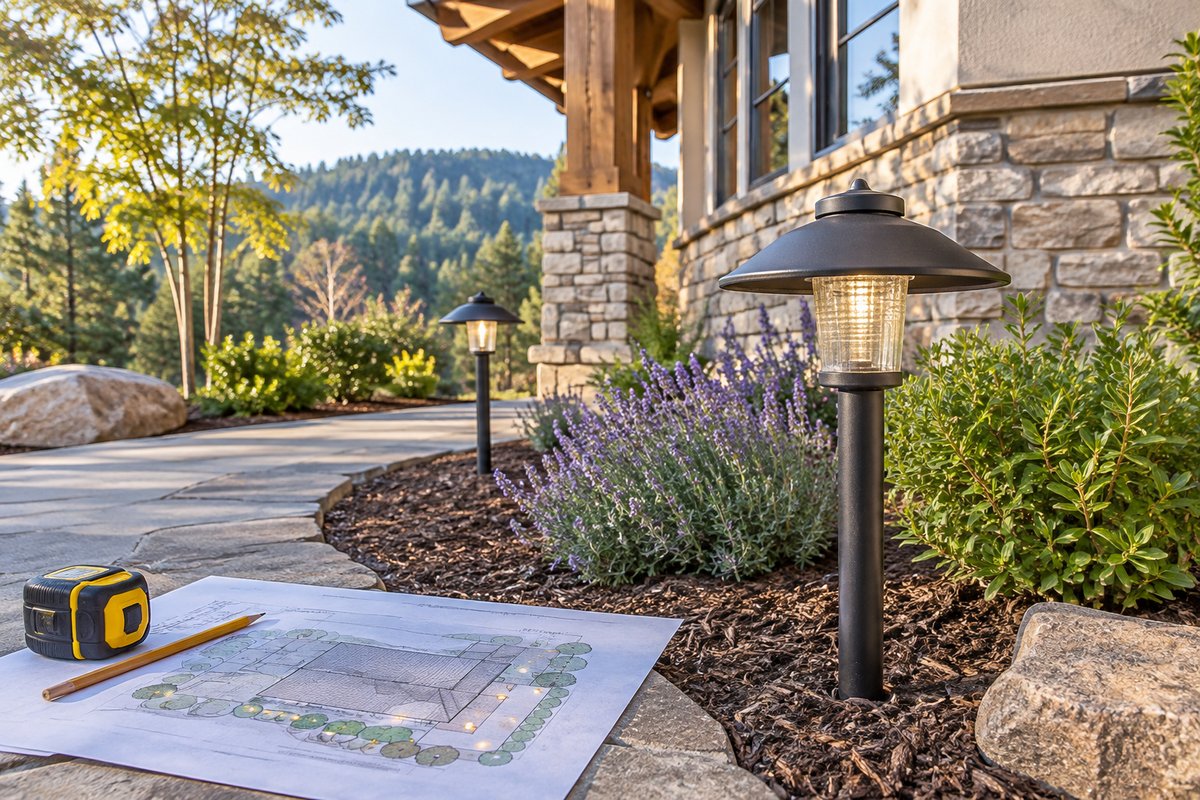
    Any successful landscape lighting project in North Auburn, CA starts with good planning—and a firm understanding of local regulations. Most neighborhoods in North Auburn fall under a homeowners association, city ordinances, or both. Before you schedule any work, review your HOA bylaws and local government site to confirm what’s required. Many outdoor lighting upgrades, especially those that involve new wiring or changes near property boundaries, require HOA approval, city permits, or both. Each community and subdivision has different rules for fixture types, lighting color, placement, and hours of operation. Be sure to contact your HOA board and the city’s building department for details relevant to your address—these entities can specify exactly what paperwork, diagrams, or engineer’s drawings you’ll need. Stay organized: save your approvals, requirements, and copies of all plans for your records.

    Keep in mind that outdoor lighting projects often intersect with other hardscape upgrades like walls and patios, which have their own permit or inspection requirements. Many homeowners plan landscape lighting alongside larger projects for patios, retaining walls, or new planting beds. The right approach is to complete any necessary paperwork before purchasing materials or scheduling your contractor. California Hardscapes uses licensed, bonded and insured contractors on all outdoor lighting projects, ensuring your work meets California’s standards for safety and craftsmanship. If your project involves driveway entry lights or wall lighting upgrades, be sure to ask about any added documentation required for electrical installs or changes to visible hardscape elements.

    Regulations in Placer County and North Auburn may change with time, so check with your HOA and the city before finalizing your timeline. These steps prevent schedule disruptions, misunderstandings, and possible fines. Good preparation sets the stage for a smooth project from start to finish.

    Always Mark Utilities Before Digging

    Safety is non-negotiable when installing new lighting, especially in established North Auburn neighborhoods where utilities may be shallow or near existing landscape features. Before trenching for low-voltage conduits or installing new path lights, it’s critical to call 811 to request utility marking. This free service identifies the location of underground gas, electric, water, and telecom lines that could pose risks if disturbed.

    Failure to mark utilities doesn’t just delay your project—it could mean dangerous situations, repairs, or even shutoffs. Even shallow dig sites for small fixtures or landscape lighting transformer boxes should be carefully marked. Be sure the property is accessible and that markings remain visible for the length of the project. For projects that require multiple phases, such as the addition of path and walkway lighting after patio construction, you may need to request re-marking before each stage begins.

    If your design involves driveway and entry lighting, run all plans by your contractor once lines are marked, as these areas tend to cluster critical utilities. Proper pre-dig planning protects everyone involved and helps keep your home’s services uninterrupted throughout the project.

    Understand North Auburn Soils: Clay, Granite, and Drainage

    North Auburn lots feature a mix of dense clay and areas with granite-derived soils. Both play a part in your outdoor lighting installation. Clay soil can retain water after winter rains, making some trenching and conduit placement difficult if the ground is wet. Granite soils drain faster but can challenge installers with rocks and shallow hardpan. Understanding these local conditions shapes both fixture choices and ideal installation timing.

    Proper drainage is essential—not just to protect lighting fixtures, but also to preserve patios, walls, and plantings. Low-voltage LED lighting systems like those found at California Hardscapes resist moisture but should still avoid locations where standing water pools after rains. When planning for patio and pergola lighting or wall and facade lighting, ensure conduit routes won’t create new water traps or impact your yard’s graded slope. French drains, gravel backfill, and careful fixture selection all contribute to long-term reliability.

    Consult your site plan to identify slopes, high and low spots, and areas where runoff might collect. These observations help you, your designer, and your contractor make smart choices about fixture placement, wiring runs, and any needed drainage improvements. A solid drainage plan is as important as beautiful light itself.

    Adapt Designs for Slope and Grading

    North Auburn’s rolling hills and varied terrain mean most properties aren’t flat. Lighting a gentle slope or steep driveway requires careful planning—both for visual impact and safe, long-lasting installation. Fixtures for steps and retaining walls must comply with regulations and be installed to direct water safely away from both the fixture and foundation elements.

    In sloped yards, lighting design should highlight elevation changes while preventing light pollution. Uplighting for trees, step lighting on graded terrain, and hardscape wall lighting are effective ways to emphasize your landscape’s natural beauty. Licensed, bonded and insured contractors install these systems with due consideration of structural elements—nobody wants to undermine a slope or cause drainage problems by mistake. Whenever adding lighting to existing walls or steps, check for necessary HOA or city documentation, especially with larger concrete or masonry features.

    A well-adapted lighting plan for slopes and terraces not only looks great, it also preserves safety and maximizes the longevity of your investment. Share your existing site plans and landscape grades with your contractor at the start for the best results.

    Weather: Summer Heat and Winter Rain

    North Auburn is known for hot, dry summers with temperatures often above 100 degrees, and a rainy season that brings heavy, soaking winter storms. Both weather extremes require practical planning when upgrading outdoor lighting. High-quality, sealed LED fixtures like those featured in outdoor lighting solutions from California Hardscapes are designed to perform under these conditions, but timing and precautions matter.

    Use the National Weather Service forecast for North Auburn to plan your project around the weather. Schedule major digging and hardscape work for months with mild, predictable forecasts—generally spring or early fall—to avoid heat stress and muddy soil. Installing new smart lighting controls or tackling routine lighting repair, upgrades and maintenance can happen year-round, though avoid wet days to minimize installation risks.

    Fixtures should be rated for outdoor use with weatherproof housings, and all connections need to be protected from moisture and pests. If your property is exposed to direct sun, shade tolerance and UV resistance for each lighting option should be discussed with your installer.

    Efficient Project Timing for Best Results

    Outdoor lighting adds lasting value to North Auburn homes—but only with the right project timetable. The prime months for most installations are late March to early June and September into October, when soils are workable and weather is mild. Plan your installations ahead to allow time for HOA or city review, material delivery, and any needed prep work, especially for more comprehensive upgrades involving LED landscape lighting integrated with new patios or walkways.

    Scheduling early means you can book licensed, bonded and insured contractors at your preferred time, avoid last-minute surprises, and plan landscaping or hardscape work in the correct order. Always complete utility marking, design review, and required approvals before the installation date—this ensures your lighting contractor can move from start to finish without avoidable delays.

    After installation, a final walkthrough to test and adjust every fixture is recommended. This step ensures all your outdoor lighting is operating as designed. Don’t forget ongoing care—seasonal checks and periodic lighting maintenance keep your system working and looking its best year after year.

    Choosing the Right Outdoor Lighting Options

    North Auburn homeowners have an array of stylish and energy-efficient options for every outdoor space. Low-voltage LED lighting systems provide brilliant illumination with a fraction of the energy cost of older fixtures. For walkways, path lighting offers safety and curb appeal, while driveway and entry lighting makes entrances easier to navigate after dark.

    In addition to function, outdoor lighting enhances outdoor living. Patio and pergola lighting extends your enjoyment of North Auburn’s summer evenings, and specialty fixtures can uplight trees, accent gardens, or add charm to dining areas with string or cafe lights. Wall and facade lighting can emphasize architectural features or provide gentle security lighting where needed. Modern lighting controls allow homeowners to automate schedules, control zones separately, or adjust brightness to suit any event.

    All options should be chosen for weather resistance, code compliance, and the specific layout of your lot. Partnering with professionals who know North Auburn conditions ensures your investment meets both your aesthetic and practical goals.

    FAQ: Common Outdoor Lighting Questions for North Auburn

    How do I find out if I need a permit or HOA approval for outdoor lighting?

    Regulations for outdoor lighting projects vary in North Auburn. Start by checking your HOA bylaws and contacting your neighborhood’s board. For city permits, guidance and forms, reach out to the local building department. Requirements can depend on the number and placement of fixtures, the visibility of changes, and whether electrical work is involved.

    What are the benefits of low-voltage LED outdoor lighting systems?

    Low-voltage LED systems are efficient, long-lasting, and safer than older high-voltage options. They deliver high light output with less electricity, minimizing impact on your utility bill and reducing maintenance. LED fixtures are available in a wide variety of sizes and finishes to complement any North Auburn landscape or hardscape.

    How should I prepare my property for an outdoor lighting upgrade?

    Before starting work, mark all utility lines by calling 811 and check for drainage or standing water areas. Organize your site plans, know your HOA or permit requirements, and plan work for times of favorable weather. Consult the North Auburn weather forecast for timing your project.

    Plan With Confidence

    Every landscape lighting project in North Auburn brings the opportunity to enhance your property’s function, style, and safety—but getting it right takes planning and attention to local factors. Permits, HOA rules, utility checks, soils and slopes, the timing of work, and product choices all play a part. Work with licensed, bonded and insured contractors for quality you can see and results in line with the area’s standards. To discuss your goals for landscape lighting or start planning your next project, request a consultation with California Hardscapes today.

    North Auburn, CA: see the full guide to north auburn, ca, or browse every outdoor lighting option.
    Your project

    Planning a project in North Auburn, CA?

    Call or text 916-741-0633, or email sales@californiahardscapes.com with your address, a short description and a few photos, and we will arrange a consultation.
  • Planning Artificial Turf in Auburn, CA: An Educational Guide

    Planning Artificial Turf in Auburn, CA: An Educational Guide

    Getting Started: Local Permits and HOA Approval

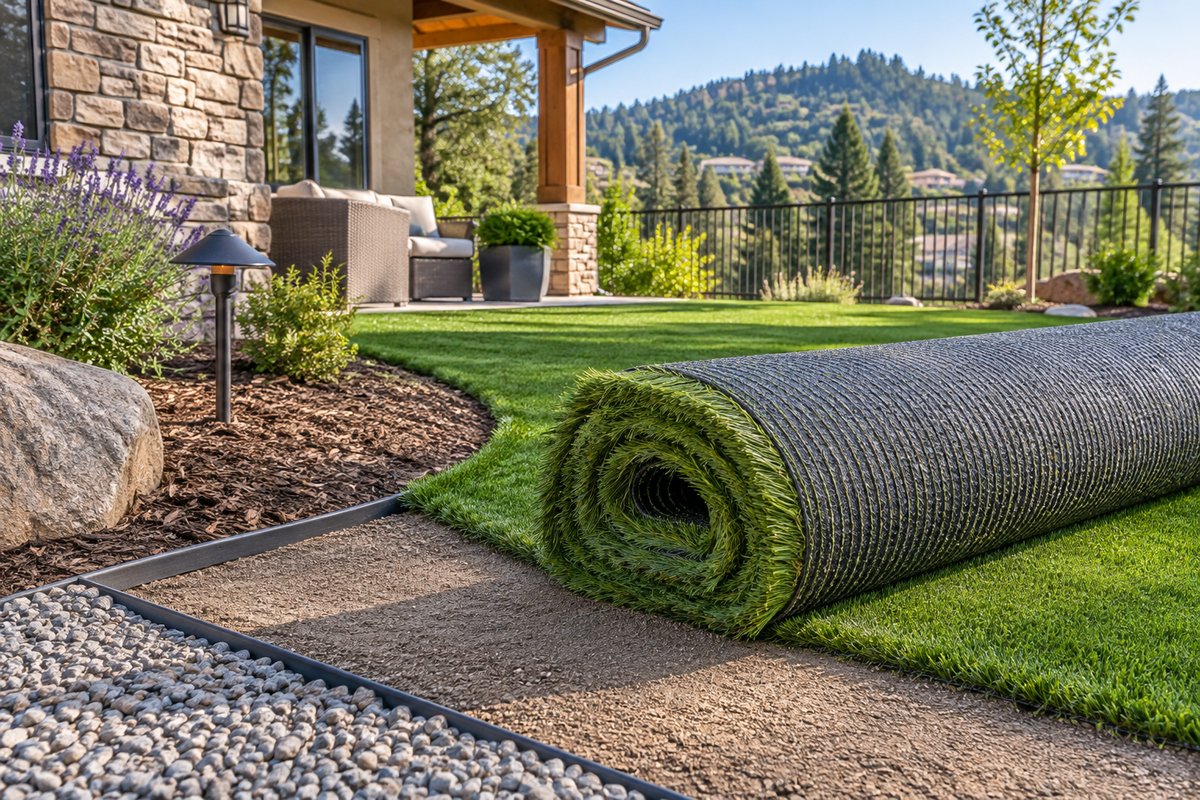
    When planning artificial turf installation in Auburn, CA, the first step is understanding the requirements set by local authorities and homeowners’ associations (HOAs). Every property and neighborhood in Auburn is governed by a different set of rules. This may involve city permits, HOA design reviews, or both, depending on your address and the size or scope of your turf project. Avoid project delays by confirming these requirements early on with your HOA board or Auburn’s city departments. For utility support and related permitting information, see the Local Utilities – Auburn, CA page for direct resources.

    Permits are often required for projects that change drainage, grading, or involve work near property lines. Sometimes, specific artificial turf products or infill materials may also need approval. Always check guidelines about front yard landscaping, especially for front yard artificial turf and lawn-to-turf conversion applications. Most reviews prioritize safe stormwater management, fire resistance, and aesthetic standards. To get started, call or visit the city or contact your HOA; California Hardscapes works with licensed, bonded and insured contractors who navigate these details alongside you, but it’s up to each homeowner to secure approvals before work begins.

    It’s good practice to collect all guidelines, applications, neighbor sign-offs, or city planning documents in one place—digitally and on paper. Many HOAs require photo mockups or samples of synthetic grass as part of their submittals for side yard and small-space turf, play areas, or pet turf. Those early steps set up your project for smooth progress once installation starts.

    Calling 811: Utility Safety Before Digging

    Safety is fundamental when transforming your landscape. Auburn homes often have shallowly buried gas, water, and electrical utility lines. Before any excavation—whether for a new backyard artificial turf layout or for playground turf—state law requires that you call 811 to arrange utility marking. This free “call before you dig” service helps prevent costly and dangerous utility strikes by identifying underground lines.

    Scheduling 811 markings must be done well in advance, as the process takes a few days and may require adjustments to your timeline. Markings are usually done with spray paint or flags, outlining the safe zones for digging. For more details on local electricity or gas connections, consult the Local Utilities – Auburn, CA resource.

    Plan around these markings during the installation process. In areas where turf meets edges, patios, or putting greens, extra care is needed so that the final product is both durable and safe. This step is critical for any homeowner interested in a thorough, responsible installation that protects property and people.

    Slope, Soil, and Site Drainage: Auburn’s Topography in Focus

    The landscape in Auburn moves from gentle knolls to steep lots, with soils dominated by heavy clays and compacted granite. These conditions pose concrete challenges for synthetic grass installation, especially in pet-friendly artificial turf and low-maintenance play areas. Before design decisions, assess for standing water, uneven grades, or evidence of runoff patterns.

    Projects on slopes or with dense soil require thoughtful grading and drainage solutions—key to reliable turf performance in both summer and during storms. Installing appropriate base layers, such as crushed granite with specific compaction, helps prevent future subtle settlement or soggy areas. Some sloped lawns may need additional retaining features or perimeter drains, especially where soil remains saturated after Auburn’s winter rains.

    Always consider the long view: how will water move once your new surface is installed? Strategic grading and trenching prevent pooling and erosion, especially at the turf edges. Bringing these issues up early benefits backyard, side yard, or front yard projects—for both property health and HOA compliance.

    Planning for Auburn’s Weather: Heat, Rain, and Seasonal Factors

    Auburn’s summer heat routinely climbs over 100°F, while winter brings bursts of high rainfall. Instead of fighting these extremes, plan for them at each stage of your artificial turf project. Timing is everything—some work is best scheduled outside the hottest or wettest months, to allow proper curing of base materials and safer work conditions.

    Product choice also matters. Some varieties of artificial turf feature advanced infill options for cooling and improved drainage, both essential under Auburn’s intense summer sun or after a winter storm. Turf around play spaces and backyard putting greens should be selected with both surface temperature and slip-resistance in mind if children or pets will use the area year-round.

    Before finalizing your timing, check the National Weather Service Point Forecast for Auburn CA to avoid surprise storms and select a work window that provides stable conditions for installation and curing. Being weather wise is part of a premium result that lasts.

    Choosing Turf Types and Features Suited for Auburn Homes

    Synthetic grass isn’t one-size-fits-all. Auburn homeowners should weigh the intended use, maintenance needs, and neighborhood standards when choosing a product. Options range from durable pet turf that resists odors and digging, to lush backyard artificial turf for flexible family spaces, and highly specialized putting greens built with true roll and fringe.

    Infills deserve attention as well—cooling technology, antimicrobial additives, and improved drainage are all available. Low-pile styles suit active areas, while longer-pile blades can bring the look of traditional lush lawns, especially with lawn to turf conversion projects. For compact or shaded corners, side yard and small-space turf can be customized to fit intricate layouts, borders, and transitions to hardscape or planting beds that reflect Auburn’s natural beauty.

    Select features that match both your expectations and Auburn’s climate: cooling infills for sun-baked areas, and turf designed for steep slopes or frequent pet activity. The right fit ensures low maintenance and a consistent, refined appearance over time.

    Prepping for Installation: Coordination and Timing

    Once you’ve secured approvals and selected materials, it’s time to coordinate your installation. Early planning means you can time the work to avoid the hottest or rainiest periods—again, refer to Auburn’s local weather forecast for week-to-week guidance. Most projects progress more smoothly with clear communication between the contractors, any relevant inspectors, and residents or neighbors.

    Professional contractors, licensed, bonded, and insured, tackle the main phases: removal of old lawn or hardscape, site grading and compaction, base tuning (especially important on Auburn’s mix of clay and granite soils), and finally synthetic grass install with secure edging and detailed cleanup. Each step is planned with an eye to the unique lot conditions found across Auburn—from sloping backyards to tightly bounded side yards or wide-open front yard spaces.

    Don’t forget to coordinate power shutoffs for safety and access, if required, using the contacts found on the Local Utilities – Auburn, CA link. Keeping everyone on the same page avoids wasted effort and helps ensure your project is completed to the highest standards.

    After Installation: Maintenance and Longevity

    Premium artificial turf in Auburn offers a reliably green, low-water solution, but there’s still some maintenance to keep up appearances. Regularly brush turf fibers, remove organic debris, and rinse pet turf to reduce odors. Avoid using strong chemicals, and refer to manufacturer-specific care instructions for infills and base support. Many homeowners appreciate the ease of play area and playground turf or pet-friendly turf compared to natural grass, especially for clean-up after rain or heavy use.

    Annual checks for edge stability or signs of wear allow early touch-ups to preserve the crisp look. If you ever need to adjust for new landscaping, add paving, or handle root intrusion, contact your original installation contractor for best results. Auburn’s tree-heavy neighborhoods can drop debris—gentle raking will keep the surface smooth and attractive.

    Quality lawn to turf conversion and turf replacement mean years of reliable use with minimal input, provided you invest now in good planning and materials.

    FAQ: Auburn Artificial Turf Planning Answers

    What approvals do I need before turf installation?

    In Auburn, you may need city permits or HOA approvals, depending on the location and scope of work. Front yards, drainage changes, or large installations usually must be reviewed first—always check directly with city offices or your HOA guidance documents. For utility coordination, consult the Local Utilities – Auburn, CA for support.

    How do I prepare my soil and slope for artificial turf?

    Auburn’s clay and granite mix needs careful grading and solid compaction. Drainage layers beneath the turf are essential, especially for sloped lots. Discuss options with licensed contractors familiar with local conditions, and plan for water movement after installation.

    When is the best time of year for turf installation?

    Plan your project around Auburn’s climate: moderate weather is ideal, avoiding summer’s extreme heat and winter storms. For short-term scheduling, consult the National Weather Service Point Forecast for Auburn CA before choosing your start date.

    Bringing Your Auburn Turf Project to Life

    Investing upfront in careful planning pays off for any artificial turf, pet turf, putting green, or family play area in Auburn, CA. From HOA and city requirements to utility safety, from understanding local soils to planning for weather extremes, a methodical approach results in quality that stands out long term. Your project is built by licensed, bonded, and insured contractors—California Hardscapes is led by Marty, who brings over 30 years of concrete and construction experience to every detail. To discuss design, options, and timing for your yard, Request a consultation today.

    Auburn, CA: see the full guide to auburn, ca, or browse every artificial turf option.
    Your project

    Planning a project in Auburn, CA?

    Call or text 916-741-0633, or email sales@californiahardscapes.com with your address, a short description and a few photos, and we will arrange a consultation.
  • Keeping Your Wood Pergola Beautiful Year-Round

    Keeping Your Wood Pergola Beautiful Year-Round

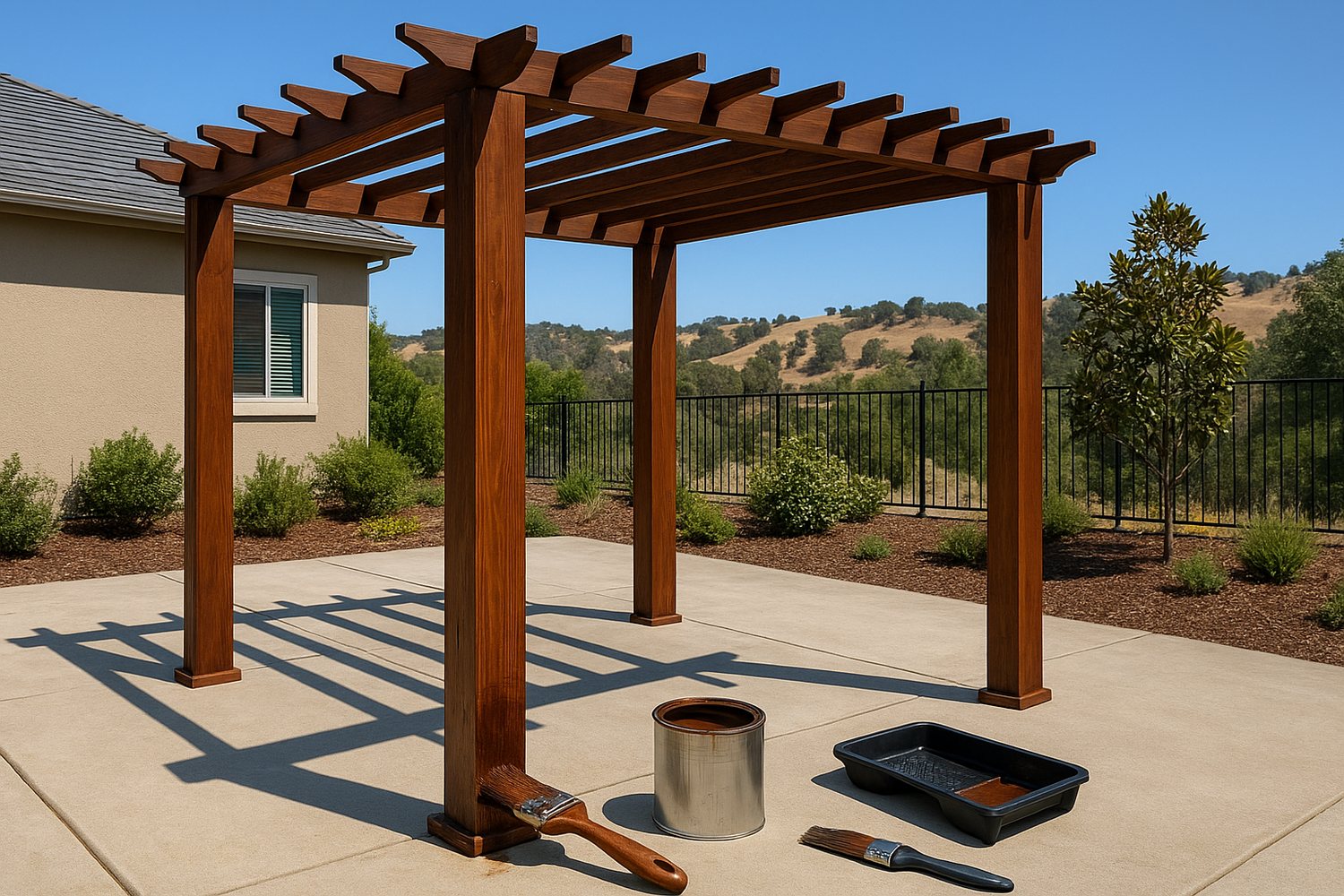
    A wood pergola brings comfort and style to any backyard in our part of California, but regular care is key. With some practical maintenance, you can have a structure that looks great and stands up to sun and weather.

    Why Wood Pergolas Need Seasonal Care

    Wood pergolas offer classic appeal, but the sun and weather patterns in Rocklin, Roseville, and surrounding communities can wear them down without the right care. UV rays, summer heat, and steady winter rain put constant stress on the wood. With time, you may notice fading, warping, or even rot if maintenance gets skipped.

    Seasonal attention helps prevent minor issues from becoming major repairs. Summer sun dries wood quickly, which can lead to cracks, while winter moisture invites mildew or swelling. You can protect your investment by understanding what each season means for your pergola and acting accordingly.

    Whether your pergola shades a patio, pool, or outdoor kitchen, basic care keeps it structurally solid and looking sharp. Regular maintenance also preserves the comfortable outdoor living spaces that families use in every season.

    • Fading and discoloration from UV exposure
    • Cracking or swelling caused by moisture changes
    • Potential for mildew and wood rot if unattended

    Find more guidance and inspiration on our mainWood pergolaspage.

    Cleaning: The First Step to a Lasting Finish

    Start every season with a thorough cleaning to set the stage for effective staining and sealing. Dust, pollen, and organic debris collect on pergolas year-round, often out of sight in overhead beams or joints. Left unchecked, this debris can trap moisture and lead to surface decay.

    Use a soft-bristle brush and garden hose for most cleaning jobs. For stubborn spots or mildew, a mild solution of soap and water gets the job done. Avoid pressure-washing, which may erode the wood’s surface or open up new cracks.

    Once cleaned and dried, inspect the pergola closely for areas needing extra attention. Clean wood doesn’t just look better—it also allows stains and sealers to bond properly, boosting their effectiveness and extending protection.

    • Use gentle cleaning methods
    • Inspect for hidden debris or algae
    • Allow full drying before further maintenance

    Staining: Longevity and Curb Appeal

    A quality stain not only enhances natural grain but also blocks damaging UV rays—a real concern in the Sacramento Valley’s sunny summers. Pick an outdoor-grade, penetrating wood stain suited to our climate, which better resists peeling and fading.

    Apply stain after the wood is fully cleaned and dry. Use a brush or pad for even coverage, working in the direction of the grain. In high-sun areas like Roseville and Folsom, deeper shades often outlast lighter ones and provide longer-lasting protection.

    As a general rule, plan to restain wood every two to three years, but inspect annually. Early touch-ups prevent small worn spots from expanding. Keep in mind: regular staining maintains visual harmony in outdoor living spaces and helps set your property apart.

    • Use UV-resistant outdoor wood stains
    • Darker stains offer more sun protection
    • Check finish condition annually
    Finish TypeGood For SunGood For RainVisual ImpactReapplication Needed
    Clear SealerLowHighWood grain showsEvery 1–2 years
    Semi-Transparent StainModerateModerateSome color, grain visibleEvery 2 years
    Solid StainHighHighFull coverage, less grainEvery 3–4 years
    Oil-Based FinishModerateHighRich color, deep penetration1–2 years

    Sealing: Moisture Shielding for All Seasons

    Sealing creates a moisture barrier that’s especially valuable as our region shifts between dry heat and winter rain. Transparent sealers highlight natural wood color, while semi-transparent or tinted versions add extra defense against sunlight.

    Apply sealant following the instructions and only to fully dry wood—a must for deep, even coverage. Pay special attention to exposed ends and joints, since these spots are most vulnerable to water absorption in storms or irrigation cycles.

    Reapply sealer every one to two years, or sooner if water stops beading on the surface. In Auburn and El Dorado County, steady winter rains test a pergola’s finish, so timely resealing can head off problems before they start.

    • Choose sealers with both water and UV resistance
    • Seal exposed joins and endgrain thoroughly
    • Test yearly by checking water beading

    Routine Checks: Catch Issues Early

    Regular inspections help spot minor problems before they do real damage. Once each season, take a careful look for splitting, mold, mildew, and loose hardware. In windy or rainy areas like Granite Bay and Folsom, fasteners and connectors can loosen over time.

    Checking for carpenter bees, termites, and other pests is just as important. In spring, look for small holes or sawdust on or around your pergola, as these are common early warning signs of insect activity in this region.

    Tighten up fasteners and fill any small cracks with outdoor wood filler before they expand. Address fungus or mold at the first sign of discoloration—quick fixes can mean the difference between a minor patch and a major repair.

    • Check for signs of rot, insects, and hardware loosening
    • Fill cracks while they are small
    • Address any mildew or fungus immediately

    For a full look at outdoor living improvements, see all your options on ourOutdoor Livingoverview.

    Weatherproofing Tips for Rocklin-Area Homes

    Success in outdoor living here means adjusting care to California’s climate extremes. In the dry, hot months, provide extra shade or cover to prevent sun stress on particularly exposed pergolas. Removable fabric canopies or vine-covered trellises are simple and effective upgrades.

    During heavy winter rains, check drainage around all pergola posts. Water should flow away from footings, never pooling at the base, to help preserve both wood and underlying concrete. Mulch or gravel can assist with this task while keeping the area tidy.

    If windstorms are in the forecast, double-check that all panels, fasteners, and crossbeams are secure. Taking a few quick steps before a storm saves trouble and helps your pergola ride out the season in great shape.

    • Improve drainage with gravel or mulch
    • Consider shade cloths for added sun protection
    • Secure loose parts ahead of wind events

    Choosing the Right Products for Local Conditions

    With so many stains and sealers out there, focus on products tested and proven in Central and Northern California climates. Look for labels that mention UV resistance, mildew control, and compatibility with hardwoods or softwoods common in local construction.

    Ask suppliers or contractors about product history in our area—some finishes work better on dense woods like redwood and cedar, while others are intended for faster-growing pine. The same goes for fasteners: opt for galvanized or stainless steel to avoid rust streaks on your pergola’s surface.

    A little research up front can make a world of difference to how your pergola weathers growth cycles, rain, and temperature swings. Smart product choices now mean fewer reapplications and less maintenance later.

    • Check for California-specific product guidelines
    • Use rust-proof fasteners and connectors
    • Select stains and sealers suitable for local wood types

    Professional Help Versus DIY: Making the Call

    Tackling staining and sealing on your own is possible with time, patience, and access to the right materials. For extensive repairs, raised structures, or specialty finishes, hiring a professional team may be your best bet.

    With decades of hands-on construction management, Marty and the California Hardscapes team understand the specific needs of wood structures in local neighborhoods. Whether you need a little advice or a full care plan, there are reliable solutions for both hands-on homeowners and those who’d rather leave things to the experts.

    Cost isn’t the only factor—think about your available time, the complexity of your pergola’s design, and your comfort working at height. Choose the approach that matches your priorities and brings the right peace of mind for your outdoor living investment.

    • DIY is ideal for smaller, accessible structures
    • Hire out for multi-level or intricate pergolas
    • Consult local experts for best results

    If you want expert help keeping your pergola in its best shape,request a consultation.

    Wood pergolas: see the full guide to wood pergolas, or browse every outdoor living option.
    Your project

    Planning an outdoor living project?

    Call or text 916-741-0633, or email sales@californiahardscapes.com with your address, a short description and a few photos, and we will arrange a consultation.
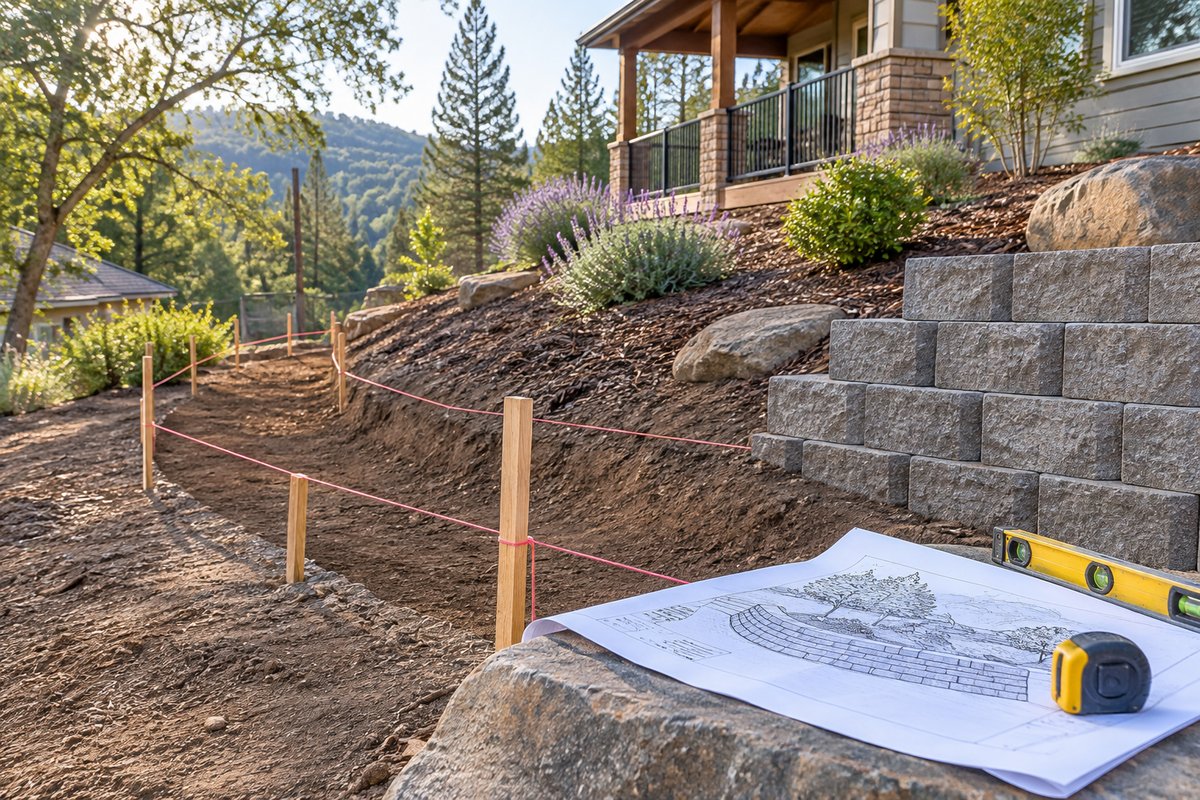
  • A Homeowner’s Step-by-Step Guide to Landscaping in North Auburn, CA

    A Homeowner’s Step-by-Step Guide to Landscaping in North Auburn, CA

    Start with Local Planning: Permits and HOA Approval

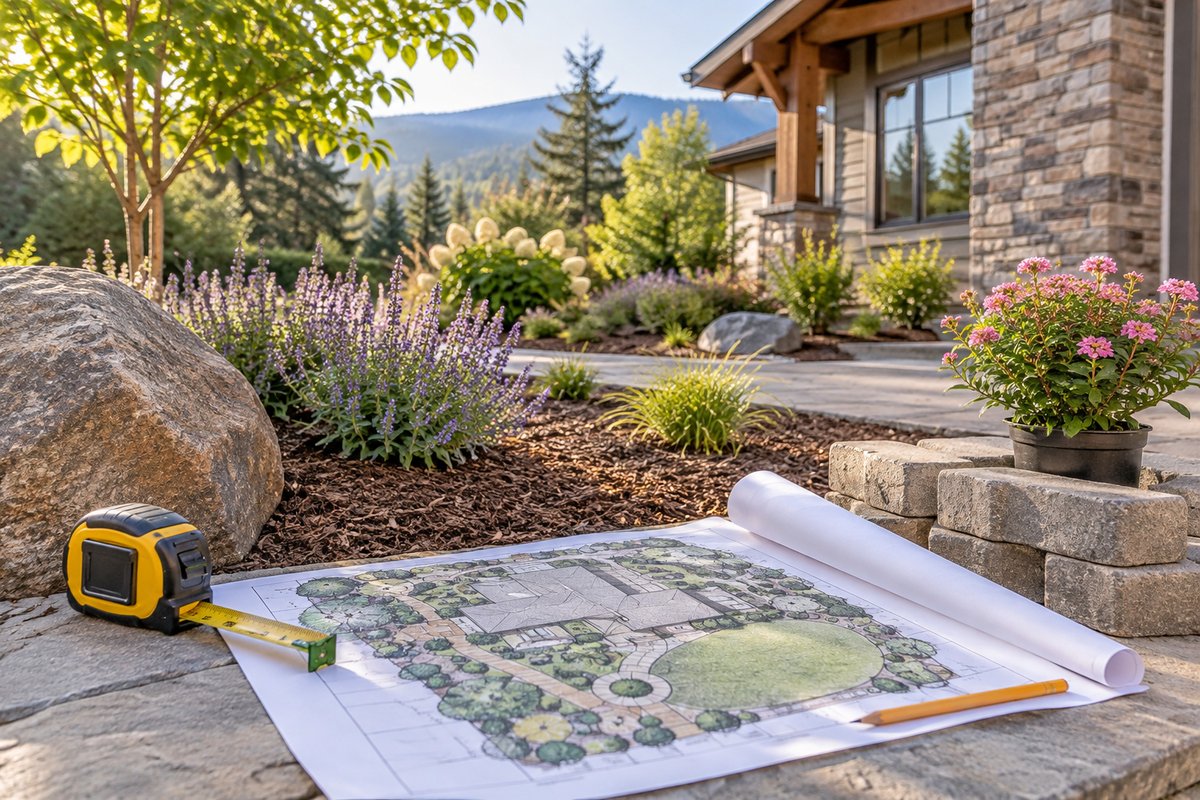
    Landscaping projects in North Auburn, CA must factor in all local regulations, including possible permits and HOA approvals. Homeowners in planned communities or neighborhoods with a homeowners’ association should always review governing documents and reach out to the association before making changes to their landscape, especially for visible updates or major hardscape additions. Different HOAs may have unique guidelines about plant selections, fencing, retaining walls, or structures. Municipal permit requirements can also apply, particularly for structures like patios, walls, or significant grading. Exact requirements vary—so always check directly with the city or the HOA office before planning your next step.

    Because rules can change and sometimes require detailed site plans or professional design input, a well-prepared approach pays off. Licensed, bonded, and insured contractors like those working with California Hardscapes can help ensure that any professional design aligns with what’s allowed regionally. Budget additional time for review processes that could affect your project timing. It’s better to clarify and confirm requirements up front than to risk delays—or to modify a finished landscape due to overlooked rules.

    Note that local codes may affect the size, placement, and function of features such as backyard landscaping, walls, or driveways. Always confirm current codes and HOA conditions; requirements may differ across North Auburn neighborhoods and nearby areas.

    Call Before You Dig: Utility Marking and Safety

    Underground utilities are common in established North Auburn neighborhoods, making safety a top priority for any landscape project that involves digging. Before any soil is disturbed, always use the recommended service—dial 811 or reach out online—for utility line marking. This essential process ensures all known power, gas, water, cable, and other services are clearly outlined to prevent damage, fines, or injury.

    The PG&E service area includes North Auburn, covering electric and gas utility connections. Service interruptions and costly repairs can be avoided by waiting for official markings before work begins. This also helps when planning the route and depth for new irrigation, drainage, or lighting systems.

    Even for smaller upgrades, proper utility marking can save time and potential hazards in the long run. It’s a non-negotiable step for any homeowner or licensed contractor committed to quality and safety.

    Soils of North Auburn: Working with Clay and Granite

    North Auburn’s soils are a natural mix of clay layers and granite. Each brings planning challenges—heavy clay holds moisture and can create compaction problems, while decomposed granite often struggles to retain water, affecting plant health and drainage. Knowing what’s underfoot influences everything from plant selection to drainage design and the stability of patios or retaining walls.

    Effective landscape design always starts with a soil test. If your site contains mostly clay, plan for deep soil amendments, raised planting, and well-designed drainage. For granite-rich soils, consider water-wise plantings and moisture management strategies. Features like drought-tolerant landscaping are ideally suited to these conditions, combining water efficiency and resilience.

    Soil structure also dictates the installation choices for boulder and rock gardens or dry creek beds. Both options can address drainage issues and erosion while matching the natural character of North Auburn’s terrain.

    Slope, Drainage, and Erosion Control

    Many North Auburn properties are found on rolling or sloped terrain, making smart drainage and erosion management a necessity. Proper grading, swales, and retaining features guide North Auburn’s winter rains or summer stormwater away from foundations and living areas, guarding against property damage and landscape washouts.

    Drainage strategy begins with understanding the site’s natural flow. Sometimes a simple dry creek bed is enough to redirect water safely; in other cases, multiple layers—gravel trenches, French drains, and tiered walls—may be needed. Licensed contractors take these conditions into account when designing patios, pathways, and garden beds that hold their shape season after season.

    Combining slope stabilization with plants is another effective approach. Fire-wise planting, native grasses, and deep-rooted shrubs can minimize surface runoff and erosion, especially on steep sites. For more on resilient choices, see fire-wise landscaping and solutions for challenging terrain.

    Climate Considerations: Summer Heat and Winter Rain

    North Auburn’s climate delivers hot, dry summers with temperatures often reaching above 100°F, followed by cool, rainy winters. Smart landscape planning matches planting and materials to North Auburn’s intense heat and rain cycles. The National Weather Service Auburn CA forecast is a reliable resource for current and seasonal climate trends.

    Drought-tolerant planting, drip irrigation, and strategic use of shade structures can help landscapes thrive under prolonged dry spells and conserve water. Explore front yard landscaping options featuring mulch, rock, or native plant gardens that stand up to heat and reduce evaporation.

    Winter brings heavy rain that tests drainage and erosion control. Consider integrating irrigation systems with weather-based timers and smart controls. Resilient hardscape materials and proper site preparation help protect your investment from weather extremes across the seasons.

    Choosing the Right Time to Start Your Project

    Timing matters in North Auburn landscaping. Local experience suggests that major landscape work is best scheduled in early spring through early summer. This window bypasses winter rains that can delay grading or concrete work, while giving new plantings a full growing season before the next drought and heat wave.

    Some projects, such as comprehensive landscaping, may stretch across seasons. For fire-wise plantings or dry creek installations, autumn can also be a suitable time, leveraging cooler soils and the arrival of seasonal rains for establishment. Always monitor short-term conditions using the local forecast before starting sitework or planting.

    Project timing also aligns with availability—permit reviews, HOA approvals, or specialized materials could influence your ideal start date. Flexible schedules and clear communication with your landscaping contractor support smooth progress from start to finish.

    Highlighting Smart Landscape Options for North Auburn

    • Backyard retreats: Backyard landscaping in North Auburn supports outdoor living while adapting to heat and water constraints.
    • Terraced gardens and boulders: With slopes and variable soils, boulder and rock gardens bring structure and low-maintenance beauty to difficult sites.
    • Drought-tolerant makeovers: Consider drought-tolerant landscaping—native plant selections, efficient irrigation, and mulch help your landscape stand up to North Auburn’s dry heat.
    • Functional drainage: Dry creek beds protect against winter washouts while creating visual interest.
    • Defensible space: Explore fire-wise landscaping to meet evolving safety needs in foothill communities.
    • Front yard curb appeal: Front yard landscaping options combine beauty and resilience with lasting results.
    • Smart watering: Modern irrigation systems deliver water efficiently, tailored to each season and plant zone.

    FAQ: Common Questions about Planning Landscaping in North Auburn

    What should I do before breaking ground on a landscaping project?

    Always call 811 or file an online request to mark all underground utilities prior to digging. This safeguards against damage or injury and is a requirement in North Auburn and anywhere served by PG&E. Also check with city and HOA offices about any permits or local guidelines before construction starts.

    How do the North Auburn climate and soil impact plant and material choices?

    Soils range from compact clay to granite, and the area experiences hot, dry summers and rainy winters. Durable materials and resilient plantings—like those featured in drought-tolerant landscaping—perform best. Proper grading and site prep ensure stability through seasonal changes; irrigation efficiency and drainage are equally important.

    How can I protect my new landscaping from drainage or erosion issues?

    Prioritize site grading, soil improvement, and strategic water management. Features such as dry creek beds, mulched slopes, and erosion-control plants all help stabilize soil while enhancing your outdoor environment. Every site calls for a custom drainage solution based on its unique slope and substrate.

    Ready to begin planning your landscape transformation in North Auburn? Connect with licensed, bonded, and insured professionals—request a consultation at California Hardscapes to explore your options.

    Local resources for North Auburn homeowners:

    North Auburn, CA: see the full guide to north auburn, ca, or browse every landscaping option.
    Your project

    Planning a project in North Auburn, CA?

    Call or text 916-741-0633, or email sales@californiahardscapes.com with your address, a short description and a few photos, and we will arrange a consultation.
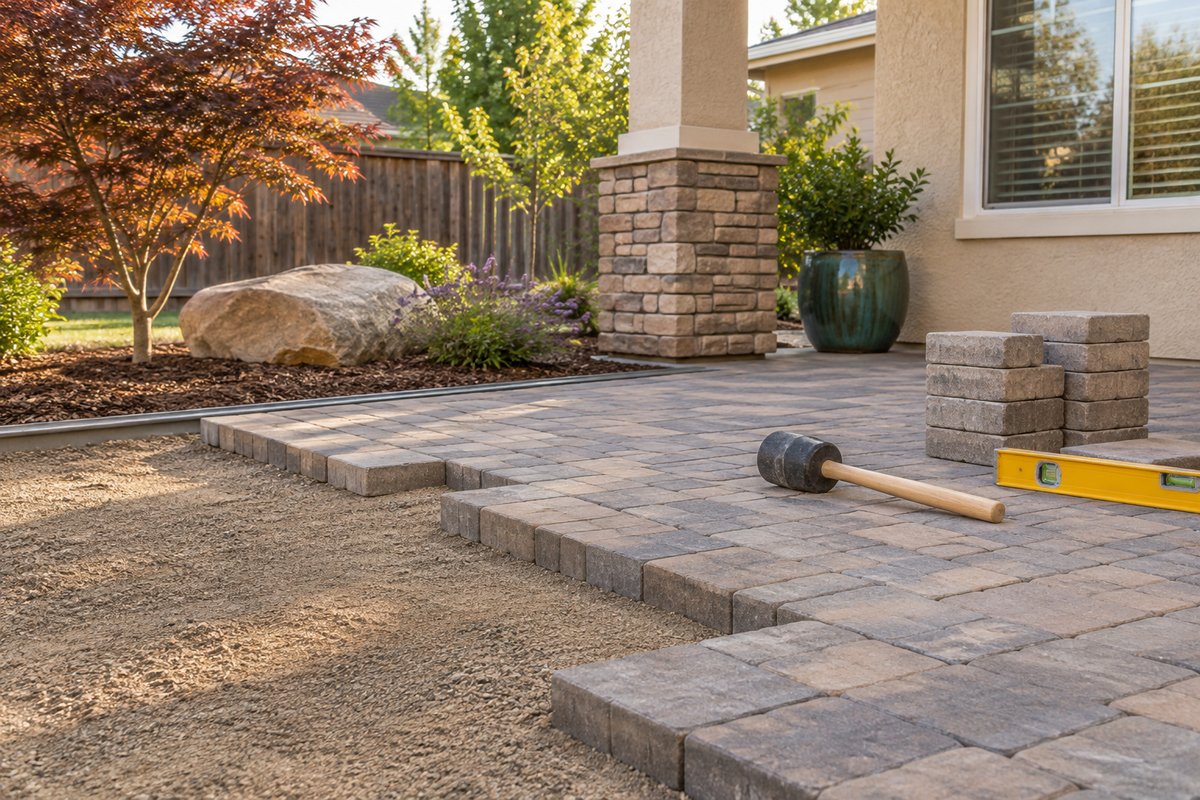
  • Planning Your North Auburn Retaining Wall: A Practical Homeowner Guide

    Planning Your North Auburn Retaining Wall: A Practical Homeowner Guide

    Understanding What Makes North Auburn Unique for Retaining Walls

    North Auburn, CA offers a distinct blend of soil conditions, slopes, and climate that presents unique challenges for retaining wall projects. Homeowners here benefit from understanding their property’s natural grade, drainage paths, and local codes before breaking ground on any new structure or upgrade. With the region’s dramatic summer heat and powerful winter rains, every retaining wall must be built to last—and that starts with careful planning and the right materials suited for North Auburn’s environment.

    Whether your lot has rolling hills, steep inclines, or a mix of both, your approach may lean toward functional engineered walls, stone veneer for visual impact, or a blend of stacked stone and block for rugged longevity. Each material and design brings unique benefits, which is why it’s critical to match them to your property’s specific conditions. Retaining Walls come in many forms, from segmental block systems to natural boulder, poured concrete, and gabion solutions, all of which must be thoughtfully selected for both appearance and performance.

    Planning is also about understanding local codes and site-specific needs; North Auburn sits at the meeting place of Placer County regulations, HOA requirements, and microclimates that demand strategic choices for slope, wall height, and drainage methods. Homeowners who invest time up front not only get a result that looks good, but also one that stands up to time and the elements.

    Navigating Permits, HOA Approval, and Utility Marking

    Before any dirt is turned, North Auburn homeowners should prepare for the regulatory landscape. Most retaining wall projects—especially those over three feet tall or serving a structural purpose—trigger city or county permits. If you’re part of an HOA, you’ll need their written approval, along with a clear, detailed plan of the work to be submitted in advance. It pays to start these conversations early, as approval processes can take time and may require design changes or additional documentation.

    Underground utilities run throughout North Auburn’s neighborhoods, making it essential to contact 811 before any digging. Utility marking is not only a legal requirement, but a critical safety practice, protecting your property and everyone working on it. Gas, water, cable, and power lines can run close to intended wall sites—even in areas that seem clear. Scheduling this step will help keep your project on track without costly surprises or dangerous situations.

    Keep in mind that a retaining wall contractor must coordinate with you on site access, timing, and document requirements. But some steps—such as securing permit sign-off or HOA approval—will require your direct participation or signature. Always confirm the specifics for North Auburn with the city, county, and any applicable HOA regulations—these vary by property type and intended wall use, and requirements can change after major weather events or policy updates.

    Soil, Slope, and Drainage: The Foundation of Every Wall

    No two spots in North Auburn have exactly the same soil and slope, and that diversity shapes every wall design. Native soils in this region often include compacted clay or decomposed granite, both of which challenge wall stability and drainage. Walls on clay-heavy lots demand extra focus on water management, as clay retains moisture that can cause shifting or hydrostatic pressure behind the wall. Decomposed granite drains quickly but can create erosion at the wall base if flow isn’t directed properly.

    Slope matters too. Steeper properties often call for engineered retaining walls or multi-level terraced retaining walls to stabilize the grade and manage runoff. On lots with gentler slopes, a single line of block retaining wall or a natural boulder wall may suffice for both utility and aesthetics. Proper design always includes a plan for adequate drainage, whether it’s weep holes, gravel backfill, or dedicated drainage pipes behind the wall.

    Expert evaluation of your soil and slope is step one, but you can gather initial clues by observing your yard after a winter storm or watering session. Pay attention to where water pools or runoff carries soil—these are signs of where stronger walls or enhanced drainage will be important for safety and durability.

    Dealing With North Auburn’s Extreme Weather: Heat & Rain

    Strong seasonal swings are a hallmark of North Auburn, with extended summers frequently topping 100°F and soaking rains between late fall and early spring. Both conditions push retaining walls to their limits, so proactive planning ensures long-term performance. Heat can dry out soils and lead to soil shrinkage next to a wall, possibly causing cracks or undermining support. Winters, by contrast, bring saturation and hydrostatic pressure, increasing the risk of wall movement if water isn’t properly drained away.

    That’s why every wall—be it a poured concrete wall, gabion wall, or stacked stone system—must be specified not just for visual appeal, but maximum strength and thoughtful water remediation. Consider water-wise landscaping and neighboring trees that can impact root pressure or drop needles that may clog drains behind the wall. Protecting your investment against sun, wind, and rain begins at the planning stage.

    For up-to-date seasonal weather forecasts and to anticipate project challenges tied to rain or heat waves, local homeowners should regularly check the National Weather Service for North Auburn. Scheduling work during drier periods and prepping for storms reduces stress and helps keep the area safe for any site visits or work required.

    Project Timing: When Is the Best Time to Build?

    In North Auburn, timing is a central part of a successful retaining wall project. Summer’s dry conditions provide the best window for excavation and wall building, with less risk of rain delays or muddy access issues. However, these months can also see intense afternoon heat—something to consider for contractor health and material performance, especially for concrete pours and mortar work. Early spring and late fall can work as well, provided forecasts are watched closely for rainfall and night-time temperatures are not dipping too low.

    Poor timing can affect everything from the efficiency of retaining wall construction to the curing of materials. Schedule utility marking and get your permit and HOA submissions done well in advance; any holdups in paperwork can delay your start by weeks. Monitor the National Weather Service forecast as your project window approaches. If heavy storms are predicted and your wall requires excavation, it may be best to postpone until drier days to protect both the site and foundation integrity.

    Discuss your preferred schedule and any local events or seasonal access considerations—such as fire restrictions or school schedules—with your retaining wall contractor. Advance planning pays off in less stress and results that align with your needs for both form and function.

    Choosing Materials: Block, Boulder, Stone, and More

    Material selection should blend structural needs, site realities, and North Auburn’s character. For most property lines or structural situations, segmental block retaining walls offer a durable, clean-lined look with predictable engineering properties. For a more natural or informal appearance, particularly on sloped lots, boulder retaining walls provide organic shapes and lasting strength. Poured concrete walls support custom shapes, smooth finishes or modern aesthetics, ideal for tight urban lots or large single-height installations.

    Specialty materials such as gabion walls create striking architectural features and perform well in areas prone to high drainage needs or visible run-off. For driveways or entrances, driveway and front yard walls offer a cohesive look with the right balance of curb appeal and vehicle protection. For landscape beds and garden features, raised planter walls integrate utility with the beauty of stone or block finishes, suiting everything from vegetable boxes to terraced native plant beds.

    View material options as more than just looks; they impact everything from wall longevity to maintenance. Consult a retaining wall contractor who’s familiar with North Auburn’s soils and codes to make sure your chosen system is up to the job in both form and function.

    Coordinating Retaining Walls With the Rest of Your Landscape

    A retaining wall rarely stands alone—it shapes and is shaped by the patios, walkways, plantings, and drainage systems around it. A holistic approach is best: plan your wall project with an eye for how it will work alongside patios, steps, and garden features. Early planning also avoids costly rework should you want to add a second wall, garden path, or outdoor entertainment area after your wall is up.

    Layered, terraced retaining walls work particularly well for North Auburn lots with steep yard transitions, creating flat, usable lawn or planting areas where sloped ground once limited access. Walls built with integrated drainage and tough, locally-appropriate plants hold up better through years of heavy sun and rain. Raised planters beside or atop taller walls can help break up the scale, add green interest, and improve overall site drainage.

    Connecting all these elements from the start lets you budget and phase your entire yard transformation, ensuring continuity in style, materials, and permitting. Reach out to professionals who will guide you through options and anticipate how today’s wall will impact tomorrow’s landscape vision.

    FAQ: Planning Retaining Walls in North Auburn, CA

    Which approvals do I need for a new retaining wall?

    In North Auburn, most structural retaining walls—especially those above a certain height—require a city or county permit. Homeowners in an HOA must also get HOA approval before any work starts. Always check with the local city office and your HOA guidelines, as rules can vary between neighborhoods and over time.

    How do soil and drainage affect my retaining wall?

    Clay, granite soils and varying slopes across North Auburn affect how water moves around your property and thus the type of wall needed. Good drainage is not optional: it prevents wall movement, bulging, or failure over time. Each wall should be designed for your property’s unique conditions for long-lasting success.

    When should construction be scheduled?

    The ideal time for a retaining wall build is during the dry season—usually late spring through early autumn—when soil conditions are more predictable and fewer rain delays occur. Permit and utility marking should be arranged well before your planned start date.

    Ready to Plan With Confidence?

    Retaining walls are a lasting improvement to your North Auburn property—but only when planned and built with the climate, soil, and regulations in mind. California Hardscapes, led by Marty with decades in concrete and construction, offers design-to-finish service for retaining walls, terracing, and landscape integration. Start smart, finish with excellence, and secure quality workmanship from licensed, bonded, and insured contractors.

    North Auburn, CA: see the full guide to north auburn, ca, or browse every retaining walls option.
    Your project

    Planning a project in North Auburn, CA?

    Call or text 916-741-0633, or email sales@californiahardscapes.com with your address, a short description and a few photos, and we will arrange a consultation.
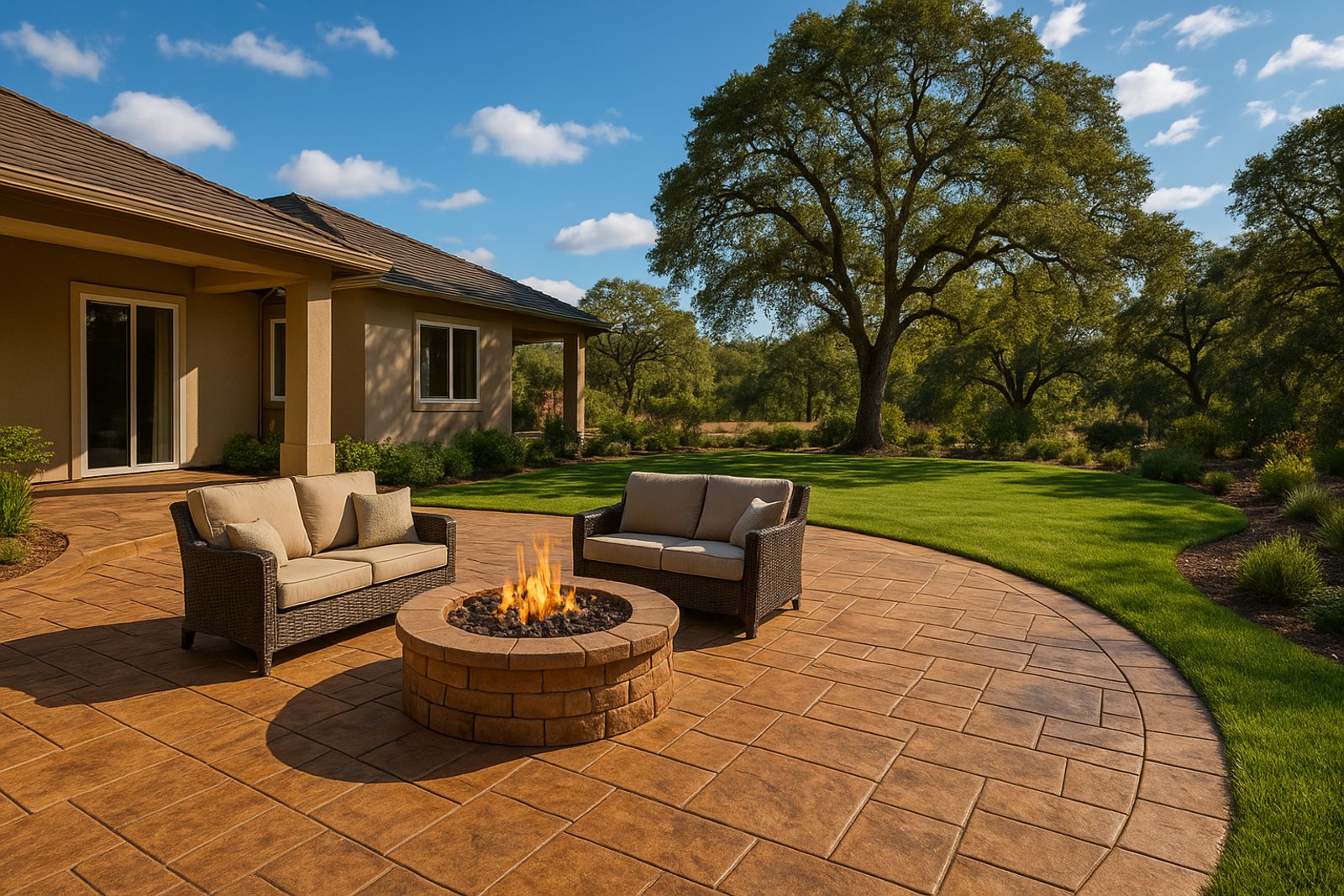
  • A Homeowner’s Practical Guide to Pavers & Patios in Citrus Heights

    A Homeowner’s Practical Guide to Pavers & Patios in Citrus Heights

    Getting Started With Your Citrus Heights Paver Project

    Whether you’re adding a new paver patio to your backyard, updating your paver driveway, or planning a stylish walkway, preparation is where long-lasting, high-quality results begin. Citrus Heights homeowners benefit from reviewing local requirements and site conditions ahead of time. City rules, neighborhood association covenants, and site-specific factors like soil and slope all play a role in shaping your finished outdoor space.

    For planned renovations or replacements, consider the age and condition of what’s already there—many projects in Citrus Heights involve upgrading older patios, walkways or pool decks to weather the region’s summer heat and winter rain. Choices like permeable pavers, decomposed granite, or natural stone blend well with varied backyard uses and local style preferences. No matter your plan, clarity on the process helps avoid costly surprises.

    California Hardscapes, led by Marty—who has worked in concrete and construction since age 17—delivers patio and paver work with integrity and skill. Every project is built by licensed, bonded, and insured contractors, reflecting a standard of excellence that benefits your home for years to come.

    Permits, HOA Approval, and City Requirements

    Before breaking ground, check the regulations that apply to hardscape projects in Citrus Heights. Many neighborhoods fall under Homeowners Association guidelines, especially when front yards, driveways, or public-facing elements are involved. Some projects, like larger patios, retaining walls, or substantial grade changes, may require permits. City requirements can change, so it’s always best to check directly with the appropriate office before planning or starting work.

    Don’t assume all patios and paver driveways need paperwork—requirements often depend on project scale, structures involved, or stormwater management. Take time to understand your specific responsibilities, as dealing with permits or HOA submittals mid-construction slows everything down and can drive up costs.

    For lighting, outdoor outlets, or upgrades that may require electric permits, the Sacramento Municipal Utility District (SMUD) site has detailed guidance for home projects in Citrus Heights. Connecting with your local planning office or HOA early is a smart move that paves the way for a hassle-free build.

    Call Before You Dig: Locating Utilities

    No matter how small your project, always call 811 before anyone puts a shovel in the ground. This free service marks the location of underground utilities—gas, electric, water, and more. Accidental damage to buried lines is both dangerous and expensive, and putting in pavers, steps or garden walls can cross paths with these lines.

    California Hardscapes ensures new work is completed by licensed, bonded, and insured contractors, but confirming marked utility lines is a homeowner’s responsibility. Organizing a site walk with the 811 service before installation keeps everyone safe and your project compliant.

    If you’re considering upgrades like illuminated paver and stone steps or a paver patio with built-in electrical features, coordinate with SMUD to ensure proper placement and code compliance. Early coordination reduces surprises and keeps your project on schedule.

    Understanding Citrus Heights Soil and Slope

    The soils in Citrus Heights range from dense clays to decomposed granite, affecting not just drainage but also settling and plant selection. Many older lots have compacted clay soils, which hold water during wet seasons and harden in summer. Before installing any paver patio or paver driveway, it’s vital to evaluate soil compaction and water movement—poor drainage leads to settling, shifting, or water pooling over time.

    Sites with visible slope, either across a backyard or down toward the street, demand planning for runoff and stable foundations. It’s often necessary to incorporate grading measures or low retaining edges when building with pavers, flagstone, or gravel and decomposed granite. Proper planning preserves both your investment and your home’s landscaping during heavy rain.

    Discuss all visible low spots, slopes, or water collection issues with your hardscape contractor before finalizing design. When matched to local soils and sites, permeable pavers can offer a durable solution that benefits stormwater management without sacrificing appearance.

    Summer Heat and Winter Rain: Choosing Durable Options

    Citrus Heights summers regularly surge above 100°F, putting both materials and craftsmanship to the test. Winter brings soaking rains that can reveal weaknesses in lesser-quality builds. Success comes from material selection paired with skillful installation—not just the latest trends, but proven solutions tailored for local conditions.

    For patios that stay cool and resist cracking, many homeowners turn to concrete pavers, flagstone or natural stone, and travertine pavers. These materials, when installed correctly, handle thermal expansion and resist wear from rain or irrigation. Permeable pavers help manage runoff and are worth considering if your property tends to collect water, or as a thoughtful replacement for old concrete.

    Don’t overlook patio sealing and maintenance—seasonal cleaning and professional paver repair, releveling, and sealing can extend the life of your investment and keep surfaces looking their best between seasons.

    Drainage Solutions for Long-Term Performance

    Effective drainage planning sets superior patio and paver projects apart from average ones. Citrus Heights gets its share of winter storms, and backyards here can experience rapid pooling if water has nowhere to go. During and after rain, areas near downspouts or slopes leading toward patios or pool decks need particular attention.

    Options like permeable pavers or well-designed gravel patios allow water to filter through, reducing runoff and protecting downstream landscaping. For steeper properties, including a subtle grade or integrating stone steps keeps walkways accessible and safe.

    After significant storms or during construction, using real-time data from the Sacramento County Forecast Briefing Page can guide site preparations and help avoid delays. Discuss interim steps with your contractor, especially if you anticipate heavy flow or need to stage materials off-site during rain.

    Timing Your Project for Success

    Planning the right time for patio or paver installation is about more than avoiding rain; it’s also about pavement curing, soil stability, and optimizing contractor availability. Late spring through early fall tends to offer the most reliable weather, though Citrus Heights enjoys a relatively long building season. Always check short and long-range forecasts using the local weather briefing to line up clear, dry stretches for work involving excavation, concrete, or surface sealing.

    Major projects—like a new paver driveway or expansive patio—benefit from getting on a hardscape contractor’s schedule early. Summer build slots book up quickly in Citrus Heights, but quality work can be completed whenever the site is properly prepared and the forecast accommodates safe, professional installation.

    If your project involves new outdoor lighting or electrical upgrades, remember to coordinate any utility work with SMUD early. Allow plenty of time for permitting, especially in regulated HOA communities, before your start date approaches.

    Practical Considerations: Materials, Design, and Site Prep

    With the practicalities mapped out, focus on materials and design. Citrus Heights yards range from established, shaded lots to sunny, newly landscaped properties. For hot, exposed patios or pool decks, light-colored travertine pavers resist heat build-up, keeping them comfortable even during peak summer temperatures. Paver patios and walkways in classic neutrals or contemporary porcelain can complement both newer and mid-century homes found throughout the area.

    If incorporating wildlife-friendly or water-wise planting, plan the layout to direct irrigation and protect hard surfaces. Gravel and decomposed granite patios work well for informal seating and require minimal maintenance under shade trees or in less-trafficked areas. Each choice should respond to how you use outdoor space now, while being robust enough for future needs.

    Thorough site prep—from removing old roots to compacting the base—lays the groundwork for long-term success. Review all slope and drainage plans with your contractor, and consider adding paver and stone steps to improve access where needed. A well-executed paver project raises property value and enjoyment, reflecting the pride and excellence you expect from seasoned professionals.

    FAQ: Citrus Heights Pavers & Patios

    How do I know if my paver patio needs a permit or HOA approval?

    The need for permits or HOA approval depends on your location, the size of your paver patio, and any structural or grading changes involved. Always check with your city building office and review HOA guidelines if applicable. Start early to avoid unexpected holdups during your project.

    What materials hold up best to Citrus Heights’ heat and rain?

    Concrete pavers, natural stone like flagstone, and travertine pavers handle summer heat well while resisting cracking and wear during winter rain. For areas with drainage challenges, consider permeable pavers or gravel patios, which are specifically designed for local climate resilience.

    Is professional maintenance important after installation?

    Yes—professional repairs and sealing keep surfaces safe, attractive, and long-lasting. Annual or as-needed cleaning reduces weeds and shifting while keeping patios, pool decks, and driveways ready for year-round use.

    Ready to take the next step? Request a consultation with California Hardscapes for expert, practical guidance on your Citrus Heights paver or patio project. Built with pride. Finished with excellence.

    Citrus Heights, CA: see the full guide to citrus heights, ca, or browse every pavers & patios option.
    Your project

    Planning a project in Citrus Heights, CA?

    Call or text 916-741-0633, or email sales@californiahardscapes.com with your address, a short description and a few photos, and we will arrange a consultation.
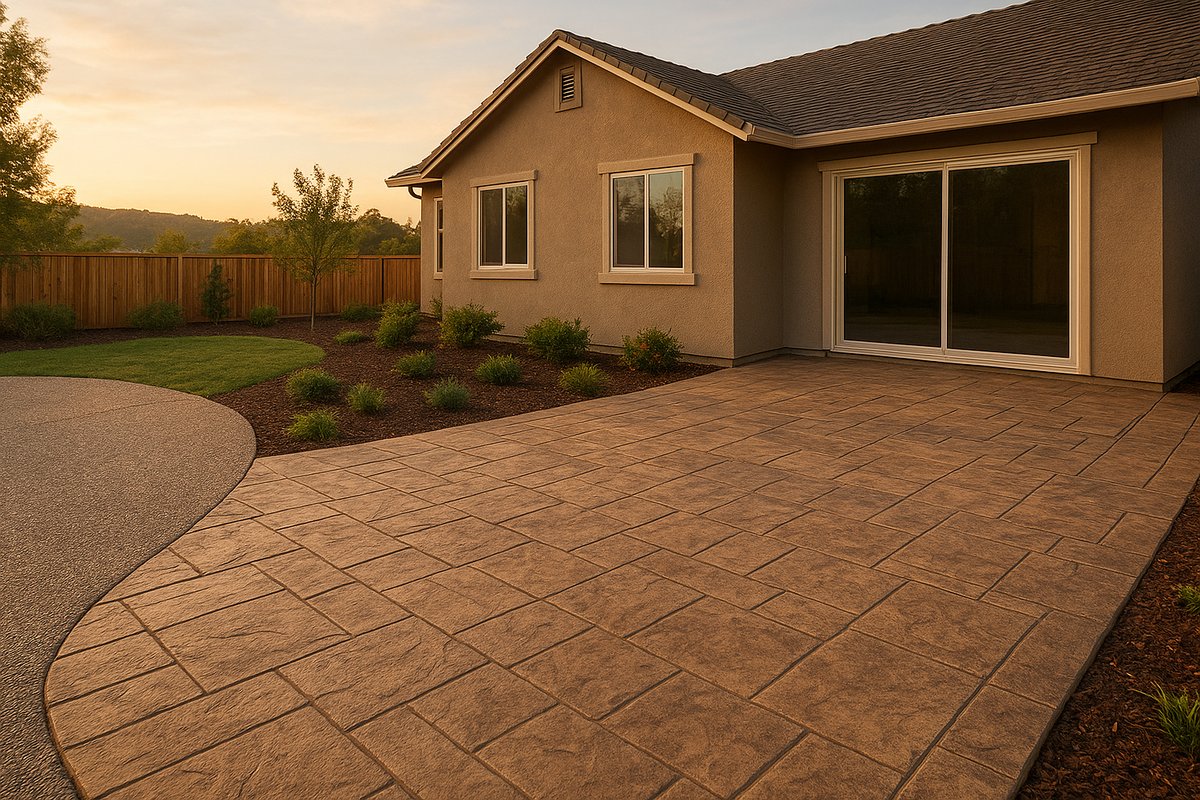
  • Concrete Design Ideas for Gold River, CA Homes

    Concrete Design Ideas for Gold River, CA Homes

    Planning Concrete Projects in Gold River Homes

    Refreshing your home’s outdoor surfaces with concrete opens up a world of design possibilities—especially in a Gold River neighborhood where quality and longevity truly matter. But local conditions, regulations, and expectations shape every great concrete project here. Gold River’s blend of clay and granite soils demands proper base preparation to prevent shifting over time, while the summer heat and seasonal rain call for the right finish to withstand the elements. Before getting started, homeowners should explore permit requirements via the El Dorado County Do It Online portal, especially for structural work or when updating driveways and patios. Pro tip: always call 811 before digging and confirm any HOA restrictions affecting finishes, colors, or setbacks. Smart planning up front ensures your vision comes to life without costly surprises.

    A concrete contractor who knows local grading and drainage—not just installation—can help you avoid pitfalls like puddling or unexpected cracks. Thoughtful design paired with robust technique means your concrete features will hold up beautifully through Gold River’s varied weather, as seen on the National Weather Service’s local forecast. California Hardscapes brings a craftsman’s approach, focusing on concrete that is built with pride and finished with excellence, never cutting corners.

    Let’s walk through a range of design ideas tailored to Gold River homes—each guided by concrete expertise and local experience, and linked to a featured service for simple inspiration and action.

    Driveway Ideas: First Impressions & Lasting Performance

    Your driveway offers the first glimpse of your home—and needs to perform through California’s climate swings. Gold River’s wide lots and evolving HOA standards allow for substantial concrete driveways and RV pads, blending curb appeal with practicality. Consider replacing aging surfaces with a custom concrete driveway for a tailored look and solid performance. Modern driveways can include textured finishes, colored concrete, or integrated borders to frame the entrance and echo your landscaping.

    Exposed aggregate is a smart upgrade for homeowners after slip-resistance and a speckled, natural look. If you’ve got a gentle slope or clay-heavy soil, a quality install makes all the difference—reinforcement and grading must be just right to prevent cracks or pooling water. Especially for larger RV pads, checking with the permit office is a must for setbacks and construction rules. Aim for both resilience and style: thoughtful design adds value and requires less maintenance over time.

    Don’t forget to coordinate driveway work with nearby events to keep access clear—check the El Dorado County Visitors calendar for timing. With robust preparation and excellent finishing, your driveway sets the stage for the rest of your property.

    Patio Upgrades: Creating Outdoor Living Spaces

    Gold River’s mild evenings and sunny days make backyard patios hard working and central to home life. A concrete patio built for this climate means choosing finishes that stay cool and comfortable, resist stains, and match your outdoor décor. Stamped concrete can bring the warmth of natural stone or even wood plank looks, without the maintenance headaches of organic materials.

    For shaded areas or where you want to reflect light, colored or stained concrete adds subtle richness and can be paired with built-in seat walls or planters. Consider broom or specialty finishes when you want texture underfoot, especially helpful for safety when summer showers hit. All patios need proper grading so winter rains never pool, and every detail—from joint patterns to edge treatments—can be customized for your style.

    Consulting local regulations is time well spent for projects that touch property lines or include plumbing and electrical for outdoor kitchens. Building a patio with California Hardscapes means attention to the details and a commitment to quality that stands up to time and weather.

    Stamped Concrete: Style Meets Durability

    Stamped concrete is the designer’s go-to for homeowners looking to mimic high-end materials like slate, flagstone, brick, or wood—with less cost and maintenance over the years. In Gold River, stamped concrete thrives both in shade and under the relentless sun, especially with a high-quality sealer to lock in color and resist fading. It’s ideal for patios, expansive walkways, entry courts, or pool surrounds where style is as important as functionality.

    Trends for Gold River lean toward earth tones and subtle textures that blend with water-wise landscaping. Consider integrating two stamping patterns for visual interest—think a stone border with a brick field—or personalizing the color blend to complement your exterior. Installation must be timed with local weather conditions for proper curing, so review your project schedule against the Sacramento area forecast.

    With seasoned craftsmanship, your stamped concrete surface will look crisp and inviting for years. Every detail, down to the sawcut joints and sealer finish, gets careful attention—delivering results that exceed expectations.

    Exposed Aggregate: Textured Looks and Added Safety

    For Gold River homeowners seeking both safety and style, exposed aggregate concrete offers a textured finish that excels on walkways, driveways, and even decorative borders. The process reveals the natural beauty of pebbles or colored stone, creating a surface that resists slipping when wet—perfect for Gold River’s rainy winter spells.

    This finish stands up to local soil challenges, delivering durability while letting you echo colors from your home’s architecture or landscape. It’s a low-maintenance option that disguises surface dust and holds its looks season after season, making it a smart pick for families and pet owners. Creative borders or contrasting banding amplify curb appeal and help define pathways.

    Before making selections, verify with the permitting office whether your planned walkway or drive changes require approval. The right aggregate blend and skilled install ensure your surface withstands both foot and vehicle traffic, even in challenging soils.

    Pool Decks: Form, Function & Comfort in the Sun

    Gold River is no stranger to backyard pools—a centerpiece for entertaining and relaxing through hot summers. Upgrading to a modern concrete pool deck gives you the ability to tailor color, texture, and slip-resistance to your needs. Cool deck coatings help pool decks stay comfortable underfoot, even when the thermometer climbs. Creative scoring, borders, or stamped textures can echo the pool shape or landscaping for a cohesive, finished look.

    Proper drainage is critical given local soils and city requirements. A well-designed pool deck manages splashes and rainfall to protect your home and keeps surfaces safe. Check HOA rules regarding fencing and deck finishes, and coordinate construction during off-peak event periods found on the regional events calendar if access or noise will be a concern.

    Whether resurfacing an existing pool area or building new, every detail counts—from edge profiles to non-slip finishes. California Hardscapes crafts decks with both pride and practicality, supporting a safe, appealing backyard retreat.

    Walkways and Entry Steps: Curb Appeal and Safety

    Front pathways and entry steps are more than a route to the door—they set the tone for your whole property. The concrete steps and walkways service allows for custom layouts that curve through gardens or lead directly from curb to porch. For Gold River’s humid winters, non-slip broom or exposed aggregate finishes ensure safe footing under wet conditions.

    Consider integrating lighting or decorative banding in sidewalks to boost evening curb appeal and invite guests with confidence. Matching color and texture to your home’s front entry creates a unified look—often required by neighborhood guidelines. Grades and rises must be set properly to prevent tripping hazards and allow for easy navigation.

    Always clarify HOA preferences and check local permit requirements for new construction or replacement work. With careful design and uncompromising execution, walkways and steps enhance both function and value.

    Resurfacing, Repairs, and Sealing

    If your home’s concrete is aging but structurally sound, professional concrete repair, sealing, or resurfacing can breathe new life into patios, driveways, pool decks, and more. Surface cracks, weathering, or fading finishes are common in Gold River’s climate and should be addressed promptly to prevent bigger issues.

    Resurfacing can transform the appearance of tired concrete with new color, texture, or even stamped overlays, cutting years off the visual age of your hardscapes. Proper sealing not only enhances color but also helps fight back against stains from rain or irrigation. With the right preparation and products, your existing concrete can stand up to future storms and sweltering summers alike.

    Before kicking off any repair or upgrade, use the concrete services overview to explore all the options for your specific needs. Attention to drainage and a thorough inspection will lead to a solid result that matches California Hardscapes’ premium standards.

    FAQ for Gold River Residential Concrete Projects

    What permits or approvals are typically needed?

    For driveways, patios, significant repairs, or structural additions, Gold River homeowners should check with the county permitting office for project-specific requirements. Many HOAs also maintain rules on appearance, placement, and sometimes finish options. Up-front approval ensures smoother progress and compliance.

    How do local soil and weather impact my choices?

    Gold River’s mix of clay and granite soils, along with hot summers and wet winters, requires expert grading, base preparation, and choosing accurate finishes. The local weather forecast aids in scheduling, and the right contractor will account for drainage and expansion needs from the outset.

    What’s the best way to choose a finish or pattern?

    Design choices should balance aesthetics, safety, and HOA guidelines. Browse the California Hardscapes gallery for inspiration, and discuss your needs—anti-slip surfaces for shady or sloped paths, stamped designs to echo natural stone, or exposed aggregate for driveways—directly with a seasoned concrete contractor.

    Ready to transform your Gold River home’s concrete? Request a consultation with California Hardscapes and bring your vision to life with a team that builds with pride and finishes with excellence.

    Gold River, CA: see the full guide to gold river, ca, or browse every concrete option.
    Your project

    Planning a project in Gold River, CA?

    Call or text 916-741-0633, or email sales@californiahardscapes.com with your address, a short description and a few photos, and we will arrange a consultation.
  • Concrete Design Ideas for Citrus Heights Homes: Inspiration from California Hardscapes

    Concrete Design Ideas for Citrus Heights Homes: Inspiration from California Hardscapes

    Setting the Standard: High-Quality Concrete for Citrus Heights Homes

    Choosing concrete for your home in Citrus Heights is more than a practical decision—it’s an opportunity to elevate your property’s curb appeal and functionality. The varied soils found across Citrus Heights, from clay to decomposed granite, combined with our region’s warm summers and occasional winter storms, call for concrete work that prioritizes proper site prep, water-wise design, and materials that last. At California Hardscapes, every project is approached with the owner’s philosophy in mind: quality above all, meticulous attention to detail, and results that stand the test of time.

    Any hardscape job in Citrus Heights also means navigating permits, HOA guidelines, and the local weather. The Sacramento County Decision Support Briefing Page offers up-to-date forecasts, helping you plan major work around optimal weather windows. And before the first stake is driven, planning for city permits and HOA approvals is essential—always check with the office linked above for current requirements. This foundation sets the stage for concrete work that is both lasting and compliant.

    Below are design ideas using different concrete applications, each tailored for Citrus Heights residences and inspired by the expertise of California Hardscapes.

    Stamped Concrete: Elevating Patios and Pool Decks

    For homeowners focused on blending style and substance, stamped concrete is a standout option. Stamped finishes can mimic the look of stone, brick, or other patterns, delivering a decorative upgrade for patios and pool decks. This is particularly popular in Citrus Heights, where many homes have mature landscaping and outdoor living areas that benefit from a custom touch.

    Stamped concrete is also engineered to perform in our range of summer heat and winter rain. By selecting appropriate colors, patterns, and sealers, homeowners can create a cool, slip-resistant surface perfect for shaded patios or lively pool decks. HOA communities often appreciate stamped concrete’s polished look, especially when upgrades align with community guidelines.

    Always remember to get HOA or city approvals for design and placement. Make use of local event calendars like the City Events listing to schedule project work at times that won’t disrupt neighborhood activities or traffic.

    Exposed Aggregate: Durable, Decorative Driveways

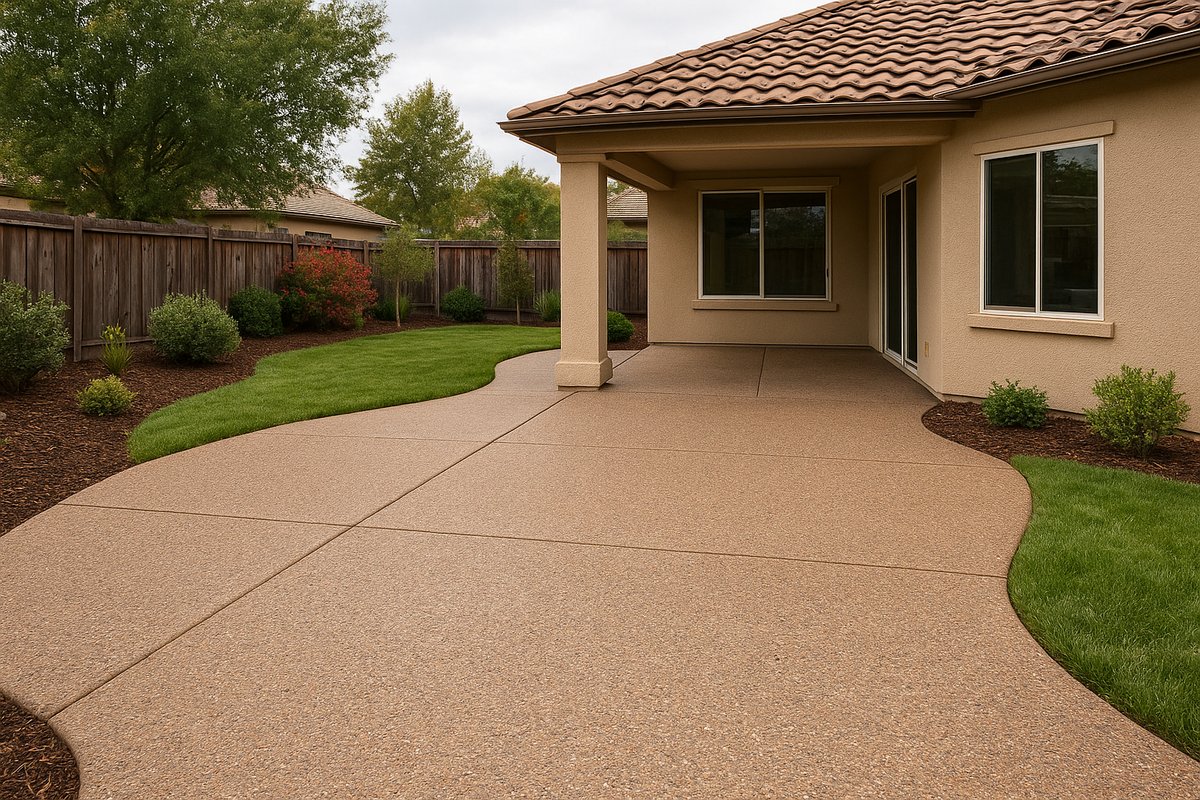
    If your driveway is showing its age, or you’re seeking a low-maintenance upgrade, exposed aggregate concrete offers a visually striking and highly durable alternative. In Citrus Heights, where front yard space is often visible from the street, exposed aggregate blends curb appeal with resilience to our area’s mixed soils and thermal expansion from hot summers.

    The process exposes small stones or pebbles on the surface, creating an attractive, slip-resistant finish. This is ideal for driveways and areas that see occasional RV or boat parking. The texture also helps mitigate slipping in the winter, an advantage over older, worn-down surfaces. Design options can be customized to match the look of your home and landscaping, complementing both traditional and modern architecture seen throughout the city.

    Before starting any driveway or major flatwork, always call 811 to locate underground utilities, and consult the weather service briefing page to avoid pouring concrete just before heavy rain or extreme heat.

    Custom Patios: Summer Ready, Water-Wise Living Spaces

    No home in Citrus Heights is complete without an outdoor living area, and concrete patios provide a flexible canvas for making the most of our summer days and cool evenings. Modern patios can be designed with color, texture, or pattern, turning a standard backyard into a private retreat or family gathering spot. Concrete’s durability means it stands up to frequent use and stays cooler under bare feet with the right finish.

    Given ongoing concerns about water conservation, many Citrus Heights residents are incorporating drought-tolerant landscaping around their patios. Broom, stained, and decorative finishes can coordinate seamlessly with Mediterranean, desert, or California native plant palettes, creating a cohesive and water-wise design. Thoughtful grading and integrated drainage solutions are particularly important here—be sure to consult about soil types and proper slope to direct water where you want it, not toward your foundation.

    Seasonal scheduling matters for patio projects; be sure to check the Citrus Heights city events calendar to avoid construction during festivals or large gatherings that could complicate access or parking.

    Concrete Driveways and RV Pads: Built to Last in Every Season

    Concrete driveways face unique stress in Citrus Heights, from hot summer tires to sudden winter downpours and expansive clay soil that can cause movement. Concrete driveways and RV pads designed and installed by experienced professionals can mitigate these risks through reinforced bases, expansion joints, and high-strength mixes matched to local conditions.

    Functionality is only part of the story. Decorative banding, colored concrete, or integrated aggregate add visual interest while still meeting the needs of cars, RVs, or boats. Many homeowners also consider the transition from driveway to walkway, integrating paths that connect directly to the front entry for a polished finish. California Hardscapes emphasizes construction without shortcuts, ensuring each pad and driveway is engineered for long-term performance on our local soils.

    Securing the right permits and complying with HOA restrictions for driveways and parking pads is project-dependent—always check with the HOA office or city planning linked above before breaking ground.

    Steps and Walkways: Safe, Attractive Transitions

    Citrus Heights features a variety of lot shapes and gentle slopes, often requiring well-planned walkways and steps. Concrete steps and walkways are essential for both accessibility and visual continuity around your home. Options range from classic broom finishes to vibrant colors or even specialty stained surfaces for extra impact.

    Proper grading and drainage are essential, especially for homes on sloped lots or near creek beds running throughout Citrus Heights. Integrated steps and winding walkways can help navigate elevation changes while linking patios, driveways, or gardens, enhancing both form and function. Hand-finished concrete ensures every riser and path meets safety standards, while offering the long-term resilience necessary for year-round use.

    When planning a walkway, consider local permit requirements, and use the forecast tool to coordinate install dates when rain or excessive heat isn’t in the mix.

    Pool Decks and Cool-Deck Finishes: Comfort Meets Safety

    For Citrus Heights homes with a pool, the deck is just as important as the water. Concrete pool decks and cool-deck coatings are engineered for the region’s summer heat, with specialty finishes designed to keep surfaces comfortable and non-slip—vital on days when temperatures push triple digits.

    Choose from colored, stamped, or exposed aggregate finishes to complement your poolscape and landscape. Cool-deck options minimize heat absorption while providing traction, making it safer and more enjoyable for backyard gatherings. Proper edge design and expansion joints help manage movement over time, reducing cracking and uneven settling.

    Planning a pool deck includes consideration for HOA rules, utility lines, and weather windows—again, check scheduling resources like the city’s events calendar to prevent project delays.

    Repair, Resurfacing, and Protection for Aging Surfaces

    Many Citrus Heights homes feature existing concrete that could benefit from professional attention rather than total replacement. Concrete repair, resurfacing, and sealing restore driveways, patios, and pool decks, eliminating trip hazards and refreshing the look of aging slabs.

    Repair techniques address cracking from clay soil movement or water infiltration, while resurfacing adds a new wear layer and even an updated finish—think color, stamping, or aggregate. Applying quality sealers not only protects against water damage and stains but also extends the time between repairs. This proactive approach is well-suited for Citrus Heights properties wanting to maintain value without major demolition.

    Before starting any repair or resurfacing, consulting both the weather briefing and utility location services is wise. Rain, heat, and underground lines can all impact timing and safety during the process.

    FAQ: Planning Your Concrete Project in Citrus Heights

    What permits or approvals are needed for a concrete driveway or patio?

    Most new driveways, patios, or major repairs require a city permit and, in some cases, HOA approval. Requirements depend on the scope, so be sure to check with your city or homeowners’ association using the resources listed above before starting your project.

    How does Citrus Heights weather affect new concrete?

    Summer heat can accelerate concrete curing, while winter rain impacts proper setting and finish quality. Using the weather briefing page helps select the best window for pouring or sealing concrete, reducing risks of surface damage or delays.

    Can worn concrete be resurfaced instead of replaced?

    Many surface issues can be addressed with resurfacing or repair, depending on the condition of the existing slab. The experts at California Hardscapes can assess your concrete and recommend the right approach for longevity and appearance.

    Every home is unique, and the right concrete solution adds lasting value and enjoyment. Want to see your ideas come to life? Request a consultation with California Hardscapes and start planning your next project with confidence.

    Citrus Heights, CA: see the full guide to citrus heights, ca, or browse every concrete option.
    Your project

    Planning a project in Citrus Heights, CA?

    Call or text 916-741-0633, or email sales@californiahardscapes.com with your address, a short description and a few photos, and we will arrange a consultation.
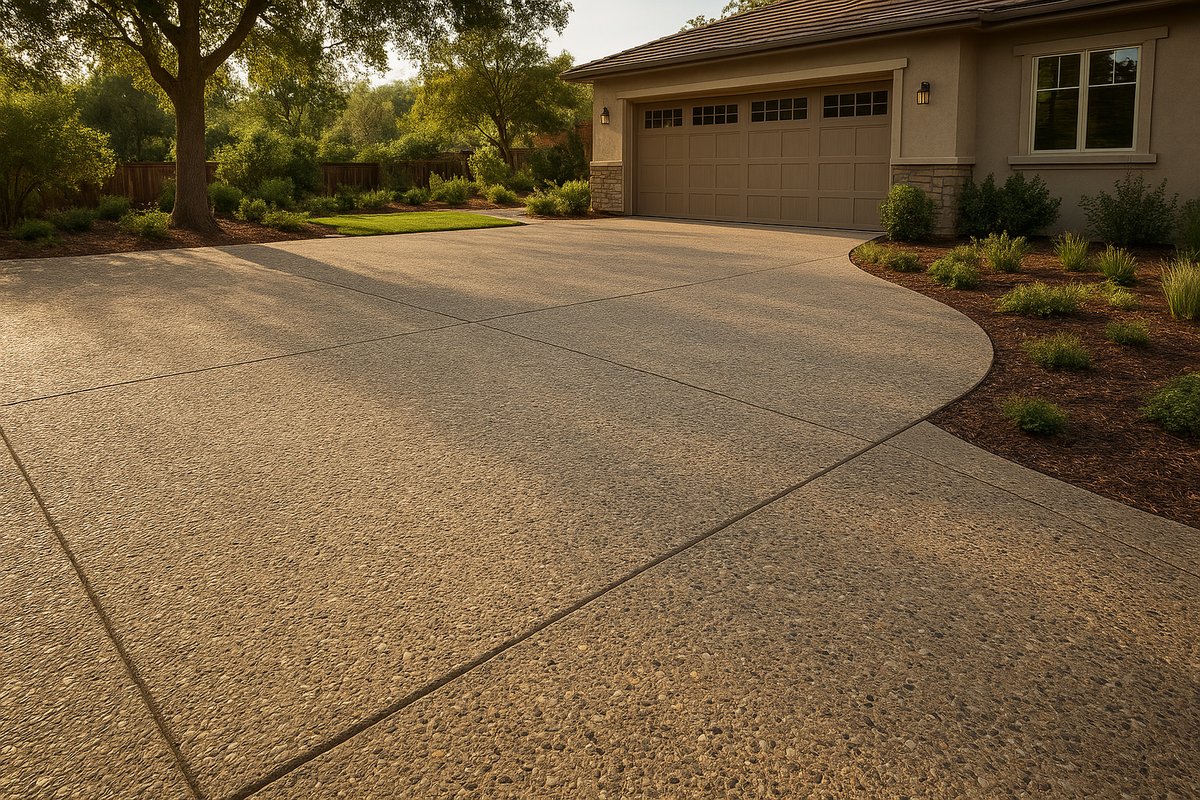
  • Creative Concrete Design Ideas for Rancho Cordova Homes

    Creative Concrete Design Ideas for Rancho Cordova Homes

    Strength and Style: Rancho Cordova’s Concrete Advantage

    Homeowners in Rancho Cordova know that a well-planned concrete installation isn’t just a foundation — it’s a long-term investment in comfort, value, and curb appeal. The local clay and granite soils, combined with the Sacramento Valley’s intense summer heat and periodic winter rains, place strict demands on home hardscape projects. Working with a proven concrete contractor like California Hardscapes means focusing on premium results grounded in integrity, never shortcuts. Every design should factor in water-wise landscaping, careful drainage, and compatibility with Rancho Cordova’s HOA and city rules. Always check with local authorities or your HOA for permits and approvals — and remember to call 811 before any digging project begins.

    First Impressions: Durable Driveways and RV Pads

    The driveway often defines a home’s first impression, especially in neighborhoods where aesthetics and regulations come together. Whether you’re resurfacing a worn drive or planning new construction, resilient design matters. In Rancho Cordova, concrete driveways must withstand high UV exposure and runoff from winter rain, so the right mix and slope are essential. Consider a concrete driveway or RV pad built for daily use and heavy vehicles, crafted to prevent cracking and shifting on local clay-rich soils.

    Specialty finishes, such as broomed or colored concrete, offer subtle elegance without creating slippery surfaces—a must in seasons with heavy rain. Discussion with your concrete contractor about rebar placement and expansion joints can address soil movement and help meet HOA guidelines for style and drainage. For driveway or RV pad planning, monitor local weather conditions using forecast tools like the National Weather Service during critical stages such as pouring and curing.

    Inspired Outdoor Living: Patios That Endure

    Today’s concrete patios go far beyond simple slabs. In Rancho Cordova’s climate, a hardscape patio can become an inviting, low-maintenance extension of your home. Popular choices include stamped, colored, or lightly stained surfaces that harmonize with landscaping and resist the fading effects of summer sun. Every patio should be carefully graded to direct water away from your home and neighboring properties, with proper consideration for slopes and engineered drainage solutions.

    Thanks to the expertise behind premium concrete, patio design can include integrated seating walls, custom borders, or seamless transitions to grassy or xeriscape areas. HOA restrictions on colors and patterns are common in local developments — always consult guidelines to ensure your design will be approved. Properly installed patios become the heart of outdoor entertaining and family life for decades, especially when sealed against staining and winter weather.

    Stamped and Decorative Concrete: Expression Meets Resilience

    Stamped and decorative concrete open a world of creative possibilities, blending visual appeal with lasting performance. Options such as stamped concrete can replicate the look of brick, flagstone, or tile, but with the strength and continuity of premium concrete. These surfaces resist weeds and shifting, making them ideal for entryways, walkways, or patio accents in Rancho Cordova’s fluctuating temperatures.

    Custom coloring, intricate patterns, and specialty sealers allow homeowners to tailor every project. The variety of specialty finishes available ensures a unique result while also offering practical benefits such as slip resistance — crucial around water features and pool areas. Confirm with your HOA or the city’s building office before finalizing pattern and color selections, as neighborhood guidelines may limit certain choices. Smart design, matched with skilled finishing, ensures years of pride and usability.

    Exposed Aggregate: Texture and Traction for Every Setting

    Exposed aggregate concrete is a smart solution for homeowners seeking bold texture, enhanced traction, and low maintenance across patios, pathways, or drive approaches. The unique stone-exposed finish complements the natural palette of Rancho Cordova homes and boosts slip resistance—an asset for outdoor surfaces impacted by winter rain or poolside splashes.

    Local clay and granite soils benefit from aggregate’s added durability, while the finish requires little extra upkeep beyond standard sealing. Patterns and color schemes can be tailored to blend with both contemporary and traditional properties. Planning these upgrades is also a good opportunity to address drainage around patios or walkways, preventing water from pooling and preserving soil stability.

    Pool Decks and Cool-Deck Coatings: Comfort by the Water

    For families enjoying backyard pools or planning a renovation, a professionally installed concrete pool deck delivers safety, comfort, and style. Rancho Cordova’s hot summers demand heat-reflective finishes so bare feet stay cool. Modern cool-deck coatings, combined with slip-resistant textures, create a welcoming and secure environment for children and guests alike.

    With each pool project, consider surrounding grading and drainage to avoid standing water or soil erosion. The longevity and resilience of a custom pool deck come not just from precision concrete work, but also from thoughtful consideration of material selection and proper sealing. Check with the HOA or city regarding fence placement and pool safety codes—requirements vary and must be met during the planning phase.

    Steps, Walkways, and Landings: Enhancing Safe Access

    Pathways and steps are more than functional features—they’re design opportunities. A well-executed concrete walkway or set of landings integrates the varied elevations and sloping yards often found in Rancho Cordova neighborhoods. Adding slip-resistant finishes and generous step sizes supports accessibility for people of all ages, while thoughtful placement enhances curb appeal and directs water wisely.

    Whether connecting the front yard to the sidewalk or the back patio to a side gate, consider specialty finishes that complement the home’s architecture. Steps and walkways should be engineered for stability on local soils and can easily include lighting or landscaping features for increased evening safety and visual interest. HOA requirements may specify allowable step heights and setbacks — check project details early to avoid delays.

    Restore, Protect, and Transform: Concrete Repair and Maintenance

    No matter how well-built, concrete will eventually show the effects of time. Local exposure cycles — hot, dry summers and damp, chilly winters — can create gaps, stains, or surface wear. Timely concrete repair and sealing addresses small cracks before they grow, restores faded color, and protects surfaces from further weathering and damage.

    For older homes or inherited surfaces, resurfacing and specialty coatings can deliver a dramatic improvement at a fraction of the disruption of full replacement. Consulting with a knowledgeable contractor ensures that patching, leveling, or sealing solutions are tailored to the specific environment and intended use, helping extend the service life of driveways, patios, or pool decks. For major restoration projects, coordinate your timing with a weather forecast resource like the National Weather Service to plan for dry, stable conditions.

    FAQ: Concrete Choices and Planning in Rancho Cordova

    What permits or approvals do I need before starting a new concrete project?

    Most outdoor concrete work in Rancho Cordova, such as new driveways or patios, may require review by the city or your local HOA. Requirements vary—check with the city building office or your HOA before design and installation begin.

    How does Rancho Cordova’s climate affect concrete design and maintenance?

    Extreme summer heat and periods of winter rain require concrete installations to include the correct mix, expansion joints, sealing, and grading for proper drainage. Following professional recommendations helps to optimize longevity in this region.

    What specialty finishes work best for safety?

    Broom, exposed aggregate, and slip-resistant stamped concrete finishes all enhance traction. These finishes are especially beneficial for pool decks, walkways, and sloped surfaces frequently exposed to water.

    Ready to make a lasting investment in your home’s value and outdoor comfort? Request a consultation with California Hardscapes—built with pride, finished with excellence.

    Rancho Cordova, CA: see the full guide to rancho cordova, ca, or browse every concrete option.
    Your project

    Planning a project in Rancho Cordova, CA?

    Call or text 916-741-0633, or email sales@californiahardscapes.com with your address, a short description and a few photos, and we will arrange a consultation.

  • Distinctive Concrete Design Ideas for Fair Oaks Homes

    Distinctive Concrete Design Ideas for Fair Oaks Homes

    Designing the Right Concrete for Your Fair Oaks Home

    Concrete plays a crucial role in shaping both the curb appeal and long-term durability of homes in Fair Oaks. With its blend of mature oaks and varied terrain, Fair Oaks homes have unique requirements—including thoughtful drainage for winter rain, resilience to dry summers, and often, compliance with HOA guidelines. As a concrete contractor driven by a philosophy of quality, integrity, and results that consistently exceed expectations, California Hardscapes recommends starting design conversations with how the area will be used and the local environment. Before breaking ground, make sure to review local permit requirements and call 811 to check for buried utilities. Smart planning on slopes, clay or granite soils, and near landscaping will ensure your project is both beautiful and built to last.

    Upgrade Your Entry: Stunning Concrete Driveways and RV Pads

    Your driveway is the first thing guests see, and in Fair Oaks, it must also handle mature trees, varied slopes, and the swing between summer heat and surprise showers. The concrete driveway and RV pad options from California Hardscapes deliver more than just basic parking. Marty’s team recommends thickened edges and optional steel reinforcement for driveways—and a specialty finish that stands up to both weather extremes and the occasional oil drip.

    For homes with gentle slopes, integral color or stained concrete hides dirt and blends with landscaping, while broom or exposed aggregate surfaces improve traction during wet weather. If you’re considering an RV pad, verify with your HOA and the permit office for placement and size requirements. All driveways must consider proper drainage—often an extra priority on Fair Oaks’s rolling lots.

    Finishing with pride and excellence, the right concrete driveway can be both an upgrade and a statement piece. Ask about decorative borders or contrasting finishes to add subtle definition at the curb.

    Artful Patios: Relax and Entertain in Style

    Patios are the heart of outdoor living in Fair Oaks. Whether you host family barbecues or prefer quiet reading time under the trees, a professionally designed concrete patio stands up to dropped plates, patio furniture, and capricious weather. Because the area sees both hot, dry summers and sudden late-autumn showers, consider finishes that stay cool under bare feet and provide slip resistance.

    Stamped concrete is a popular option for many patios—delivering the look of natural stone or pavers without gaps that invite weeds. We recommend incorporating subtle color blends or a lightly stained finish for a patio that complements Fair Oaks’ natural palette. Planning a patio means considering local weather forecasts during installation to avoid unexpected rain delays and secure a durable finish.

    HOA review is often needed for larger patios or any space visible from the street—so line up approvals early, especially when considering built-in benches or outdoor kitchens.

    Stamped Concrete: Decorative Solutions for Neighborhood Appeal

    When you want architectural interest without the maintenance hassles, stamped concrete allows you to customize walkways, patios, pool decks, and more. In Fair Oaks, where landscaping often weaves mature trees with perennial beds, stamped concrete bridges natural and crafted elements. Recommended patterns include cobblestone, ashlar slate, and wood plank, each available in custom color palettes that fit your home’s style.

    Stamped finishes can be lighter in color and combine with a texture that’s easy on bare feet—an ideal solution for families with kids and pets. For sloped walkways or shaded areas prone to moss, use a lighter stamp texture for easier cleaning and slip resistance. Timing your installation between local community events is a smart way to minimize impact on parking and ensure fast curing, especially during dry spells.

    Unlike pavers, stamped concrete won’t shift or sprout weeds, and requires less upkeep over the years when properly sealed. Just make sure to secure any required HOA or city approval before work starts.

    Exposed Aggregate: Texture and Traction for Walkways and Entry Steps

    If you’re looking for texture and non-slip safety on high-traffic walkways, exposed aggregate concrete is a smart choice. Its inherent durability and organic look blend well with the region’s landscaping, while the stony surface adds traction—key for shaded paths beneath Fair Oaks’ thick canopies. Carefully selected local aggregates can highlight the colors of brick exteriors, wood siding, or native plantings.

    Exposed aggregate is especially valuable on front steps and landing areas, where rainy winters and clay soils can increase slip hazards. California Hardscapes recommends a gentle wash or sandblast finish for a refined, premium feel—designed and installed without cutting corners. Integrating energy-efficient lighting along walkways is another safety and design upgrade now popular in Fair Oaks landscapes.

    Be sure to check with the permit office before modifying steps, especially on sloped lots or homes with retaining walls.

    Pool Decks: Cool, Comfortable, and Built to Last

    With Fair Oaks’ Mediterranean climate, backyard pools are more than a luxury—they’re a seasonal retreat. Safe, stylish concrete pool decks deliver both form and function. To keep decks cool in summer, consider specialty cool-deck coatings with a light-reflective finish. Broom, exposed aggregate, or gentle stamped textures not only add visual flair, they also reduce slipperiness even when wet.

    Homes in Fair Oaks often require thoughtful grading to protect pool decks from shifting or cracking on reactive clay soils. Drainage solutions—like gentle slope or built-in channels—can extend your pool deck’s lifespan while keeping water away from landscaping. When planning, consult the NWS point forecast to avoid weather-related delays.

    For a seamless outdoor experience, coordinate your pool deck design with patios and walkways, using the same or complementary finishes for a pulled-together look.

    Specialty Walkways and Decorative Steps for Sloped Landscapes

    Fair Oaks landscapes range from level lots to hillside properties, making thoughtfully designed concrete walkways and steps essential. For sloped yards or entrance paths, California Hardscapes emphasizes well-anchored steps with integrated landings for both comfort and compliance with local codes. Decorative finishes—like colored concrete, broom textures, or custom inlays—bring style to practical solutions.

    Choose exposed aggregate for maximum grip, or opt for broom-finished colored concrete for understated elegance. On steep sites, integrating retaining walls alongside walkways is common, but check with the building permit office beforehand.

    Lighting adds a premium touch, and timed installation around local events makes sure your project won’t disrupt neighborhood gatherings.

    Concrete Repair, Resurfacing, and Sealing for Long-Term Performance

    Even the best concrete can require occasional attention. When older patios or driveways show signs of wear—such as minor cracking, surface spalling, or discoloration—California Hardscapes offers expert concrete repair, resurfacing, and sealing. For homes in Fair Oaks, these services extend the life of your investment while improving safety and curb appeal.

    Resurfacing can rejuvenate faded concrete with a new color or specialty finish, while high-quality sealing guards against damage from irrigation runoff, tree roots, and winter moisture. For best results, coordinate repair projects to avoid peak rainfall, using the local weather forecast for planning. And before beginning repairs that change surfaces or drainage, always double-check with your HOA and the permit office.

    Lasting repairs keep patios, walkways, and driveways safe and attractive—reinforcing your home’s value for years to come.

    FAQ: Residential Concrete in Fair Oaks

    What factors should I consider before replacing my driveway?

    Think about soil type (clay or granite), drainage, permit and HOA approvals, and whether you want a decorative finish like stamped or colored concrete. Review the Sacramento County permit requirements early in the process.

    Which concrete finishes work best in Fair Oaks’s climate?

    Broom and exposed aggregate finishes offer strong slip-resistance through rainy winters, while specialty coatings and cooler finishes are ideal for dry, hot summers. Scheduling installation with the help of the NWS weather forecast helps avoid weather impacts.

    How can I time my project around local activities?

    Consult the Fair Oaks Recreation & Park District calendar to select low-impact periods for construction. This can reduce parking congestion, noise conflicts, and preserve access for community events.

    Ready to enhance your home with concrete that’s both beautiful and durable? Request a consultation with California Hardscapes and set your project on the right foundation from the start.

    Fair Oaks, CA: see the full guide to fair oaks, ca, or browse every concrete option.
    Your project

    Planning a project in Fair Oaks, CA?

    Call or text 916-741-0633, or email sales@californiahardscapes.com with your address, a short description and a few photos, and we will arrange a consultation.